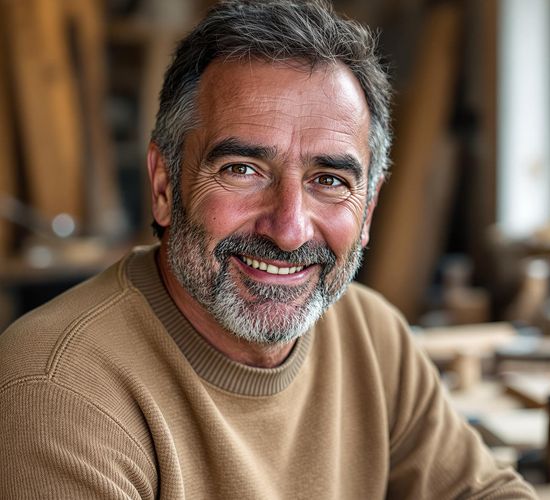
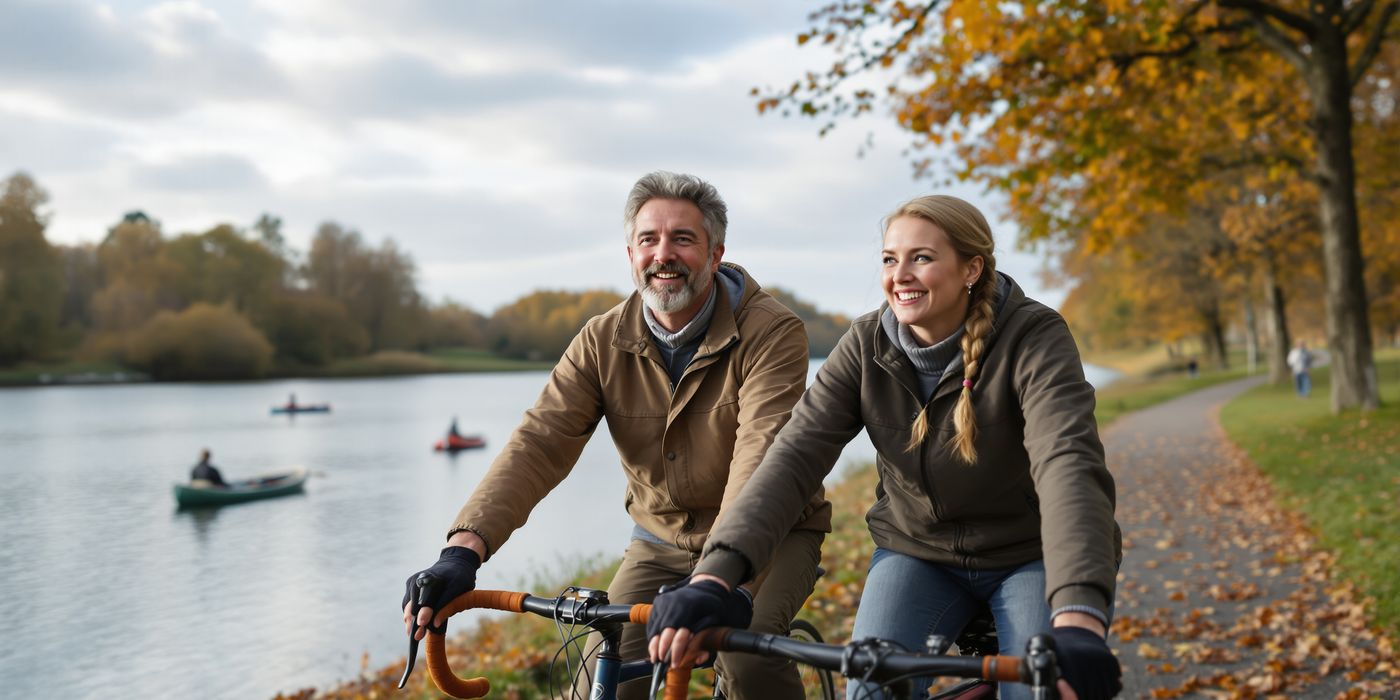
As a restorer of antique furniture, I've always appreciated the value of seeing the world at a slower pace, noticing the details that others might miss. That's why I've grown to love exploring new places on two wheels. It's a way to connect with the environment, immerse myself in the local culture, and discover hidden gems that you simply can't see from a car or a tour bus.
The Allure of Cycle Touring
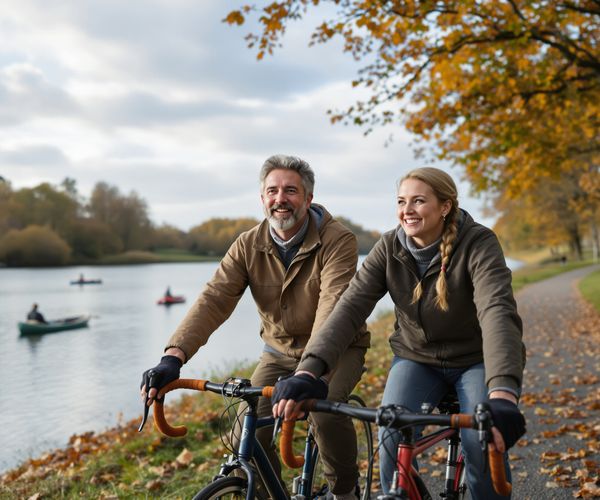
For me, cycling is more than just a hobby; it's a way of life. Born in Arezzo, Italy, I was surrounded by history and art from a young age. Moving to Silkeborg, Denmark, with my wife Astrid only deepened my appreciation for different cultures and the environment. Cycle touring allows me to combine these passions, offering a unique perspective that you just can't get any other way. There's something truly special about feeling the wind on your face as you pedal through rolling hills, or stopping to admire a centuries-old church in a small village. It's about experiencing the world in a more intimate and meaningful way.
Choosing the Right Cycling Route
Selecting the right cycling route is crucial for an enjoyable adventure. It's important to consider your fitness level and interests. Are you looking for a challenging climb through the mountains, or a leisurely ride along a scenic coastline? Resources like the EuroVelo routes offer a fantastic network of long-distance cycling paths across Europe. Here in Denmark, we have numerous national cycling trails that are well-maintained and clearly marked. When planning your route, pay close attention to the terrain and road surfaces. I've learned from experience that a route that looks easy on paper can be quite challenging if it includes a lot of gravel or cobblestones. Don't be afraid to mix it up, though! Some of my most memorable rides have been on routes with varied surfaces, offering a mix of smooth asphalt, gravel paths, and even a bit of off-road riding.
Essential Gear and Preparation
Before embarking on any cycling trip, it's essential to ensure your bike is in top condition. A thorough bike maintenance check-up is a must. Check the brakes, gears, tires, and chain to ensure everything is working smoothly. I always carry a small toolkit with essential tools and spares, including a pump, tire levers, a multi-tool, and a spare tube. Knowing how to fix a flat tire is a skill every cyclist should have! The type of bike you choose will also depend on the terrain you plan to tackle. For long-distance touring on paved roads, a touring bike with comfortable geometry and plenty of carrying capacity is ideal. If you plan to ride on gravel or unpaved roads, a gravel bike with wider tires and a more relaxed riding position is a better choice. And for those who want a little extra assistance, an e-bike can be a great option, especially on hilly terrain.
Packing Smart: What to Bring and What to Leave Behind
One of the biggest challenges of cycle touring is packing efficiently. You want to bring everything you need without weighing yourself down. Start by making a list of essentials and then carefully consider each item. Clothing should be lightweight, quick-drying, and versatile. Layering is key, as the weather can change quickly, especially in places like Denmark. I always bring a waterproof jacket, a warm fleece, and a good pair of cycling shorts. For luggage, panniers are a popular choice for carrying gear on a touring bike. Frame bags are also a great option for smaller items like tools, snacks, and a phone. And for those who need to carry a lot of gear, a trailer can be a useful addition. Remember, the lighter you pack, the more enjoyable your ride will be!
Integrating Cycling into Your Travel Itinerary
When planning a cycling trip, it's important to be realistic about your daily distances. Don't try to cram too much into each day. Allow for plenty of time to stop and enjoy the scenery, explore local attractions, and simply relax. Incorporating rest days into your itinerary is also crucial, especially on longer trips. Research bike-friendly accommodations and services along your route. Many hotels and guesthouses offer secure bike storage and repair facilities. Route planning apps can be invaluable for navigating and finding points of interest along the way. I personally use a combination of online maps and GPS devices to stay on track. Don't be afraid to deviate from your planned route if you see something interesting along the way. Some of the best discoveries are the unexpected ones!
Staying Safe on the Road
Safety should always be a top priority when cycling. Always wear a helmet and other protective gear, such as gloves and eye protection. Make sure you are visible to traffic by wearing bright clothing and using reflective tape on your bike and clothing. Follow local traffic laws and be aware of your surroundings. Use hand signals to indicate your intentions to other road users. If you encounter a mechanical issue, pull over to a safe location to make repairs. Carry a mobile phone with you in case of emergencies. It's also a good idea to let someone know your planned route and estimated arrival time.
Fueling Your Body: Nutrition and Hydration
Cycling can be physically demanding, so it's important to stay hydrated and eat regularly. Carry plenty of water with you and drink frequently, especially on hot days. Energy-boosting snacks like nuts, dried fruit, and energy bars can help keep you going between meals. For longer rides, pack a sandwich or a wrap. Consider your personal dietary needs and preferences when planning your meals. If you have any allergies or dietary restrictions, be sure to pack accordingly. And don't forget to treat yourself to a delicious meal at a local restaurant at the end of a long day of cycling!
Discover the joys of exploring the world on two wheels with practical tips on route selection, gear, safety, and more, from a seasoned cyclist.