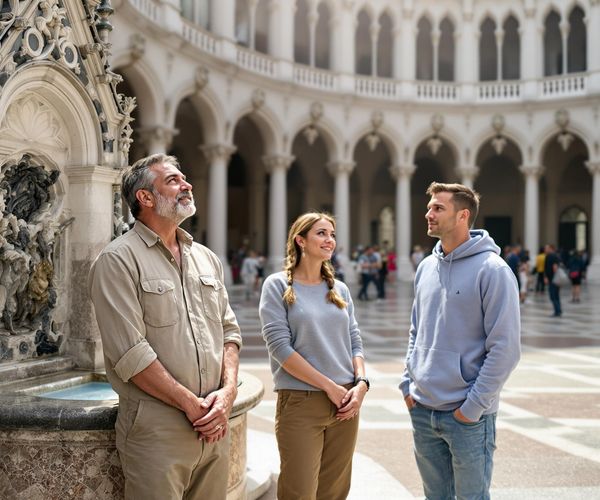
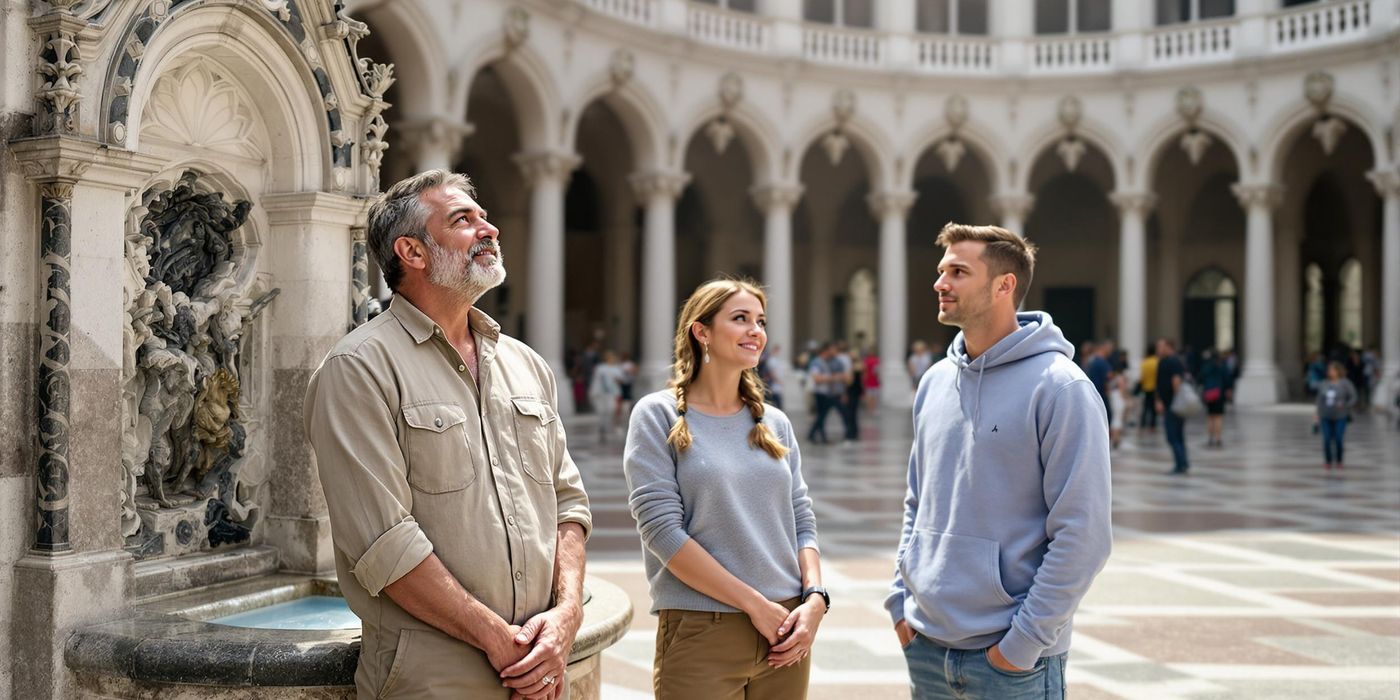
As a restorer of antique furniture, I, Andrea Colombo, have always found myself drawn to the stories that objects and structures tell. My travels, often with my wife Astrid and son Lasse, are not just about seeing new places, but about understanding them. For me, architecture is more than just buildings; it's a window into the soul of a culture, a tangible record of its history and values. Join me as I share how architecture can transform your travel experiences.
The Language of Buildings
Architecture is a silent narrator, constantly whispering tales of the past. The styles and materials used in buildings reflect the cultural and historical context of a place. Consider the grand cathedrals of Europe, each stone meticulously placed to inspire awe and reverence, reflecting the power and influence of the Church. Or think about the simple, functional farmhouses in the Danish countryside, built to withstand the elements and provide shelter, embodying the values of practicality and resilience. As someone who restores antique furniture, I see a parallel in how furniture styles evolve over time, mirroring societal changes and artistic movements. Just as a Chippendale chair tells a different story than a Bauhaus chair, a Gothic cathedral speaks volumes compared to a Modernist skyscraper.
Different architectural styles are like chapters in a region's autobiography. The Romanesque style, with its rounded arches and massive walls, evokes a sense of strength and stability. The soaring heights and intricate details of Gothic architecture reflect a period of religious fervor and artistic innovation. The Renaissance brought a renewed interest in classical forms, resulting in buildings that emphasized symmetry, proportion, and harmony. And Modernism, with its clean lines and functional design, represents a break from the past and a focus on the future. By learning to recognize these styles, you can begin to decipher the stories they tell.
For instance, when I visited Florence, the Duomo, with its magnificent dome designed by Brunelleschi, struck me not only as a feat of engineering but also as a symbol of the city's ambition and artistic prowess during the Renaissance. Similarly, the Doge's Palace in Venice, with its blend of Gothic and Byzantine elements, speaks to the city's unique history as a trading hub and a bridge between East and West. These buildings are not just beautiful; they are historical documents written in stone.
Uncovering Hidden Architectural Gems
While famous landmarks are undoubtedly worth visiting, some of the most rewarding architectural experiences come from discovering lesser-known sites. These hidden gems often offer a more intimate and authentic glimpse into a region's past. Don't just stick to the main tourist routes; venture off the beaten path and explore the local neighborhoods. Sometimes, the most unassuming buildings hold the most fascinating stories.
One of the best ways to find these hidden gems is to do your research. Before you travel, consult local historical societies, architectural guides, and online databases. Look for information about local architectural styles, historical buildings, and preservation efforts. Websites dedicated to architectural history and preservation can be invaluable resources. Also, consider joining local walking tours led by knowledgeable guides who can point out architectural details you might otherwise miss. Astrid, with her librarian skills, is fantastic at digging up these resources before our trips.
Another great way to discover unique architectural landmarks is to simply wander around and observe your surroundings. Pay attention to the details: the materials used, the ornamentation, the way the building interacts with its environment. Talk to locals and ask for their recommendations. They may know of hidden architectural treasures that aren't listed in any guidebook.
Decoding Architectural Styles
Understanding the key characteristics of different architectural styles can greatly enhance your appreciation of buildings and structures. Here's a brief overview of some prominent styles:
- Romanesque: Characterized by rounded arches, massive walls, and small windows. Examples include the Speyer Cathedral in Germany and the Basilica di Sant'Ambrogio in Milan.
- Gothic: Defined by pointed arches, ribbed vaults, and flying buttresses. Famous examples include the Notre-Dame Cathedral in Paris and the Cologne Cathedral in Germany.
- Renaissance: Emphasizes symmetry, proportion, and classical forms. Notable examples include St. Peter's Basilica in Rome and the Palazzo Pitti in Florence.
- Baroque: Known for its dramatic ornamentation, curved lines, and grandiose scale. Examples include the Palace of Versailles in France and the Winter Palace in St. Petersburg.
- Modernism: Characterized by clean lines, functional design, and the use of modern materials like steel and glass. Famous examples include the Bauhaus School in Dessau and the Farnsworth House in Illinois.
When you encounter a building, try to identify its key features and determine which style it belongs to. Consider the materials used, the shape of the windows and doors, and the overall design. By doing so, you'll gain a deeper understanding of the building's history and cultural significance.
Appreciating Local Design
Local design elements are what give a place its unique character and identity. These elements are often influenced by the local climate, available materials, and cultural traditions. In Denmark, for example, you'll see many buildings constructed with red brick, a material that is both durable and readily available. You'll also notice the emphasis on natural light and open spaces, reflecting the Danish appreciation for hygge, or coziness.
Pay attention to the details: the ornamentation, the building materials, the spatial arrangements. How do these elements reflect the local culture and identity? Are there any unique features that you wouldn't find anywhere else? By observing these details, you can gain a deeper understanding of the place and its people.
In Japan, for instance, the use of wood and paper in traditional architecture reflects the country's respect for nature and its emphasis on simplicity and harmony. The tatami mats, the shoji screens, and the minimalist design all contribute to a sense of tranquility and balance. These are the kinds of details that make a place unique and memorable.
Architecture as a Gateway to Culture
Exploring architecture can greatly enhance your overall travel experience. It's a way to connect with the past, understand the present, and appreciate the unique character of a place. Instead of just passively observing buildings, engage with them actively. Take guided tours, sketch your favorite structures, photograph interesting details, or attend local architectural events.
During a trip to Rome, I spent hours wandering through the ancient ruins of the Forum, imagining what life must have been like in the Roman Empire. I marveled at the Colosseum, a testament to the city's engineering prowess and its love of spectacle. And I was moved by the Pantheon, a perfectly preserved temple that has stood for nearly two thousand years. These experiences gave me a deeper appreciation for Roman history and culture than any textbook ever could.
Architecture is not just about buildings; it's about people, history, and culture. It's a way to see the world in a new light and to connect with the places you visit on a deeper level. So, the next time you travel, take the time to explore the architecture around you. You might be surprised at what you discover.
Explore how architecture can inspire your travels and deepen your appreciation of a destination. Andrea Colombo shares his insights on architectural travel.