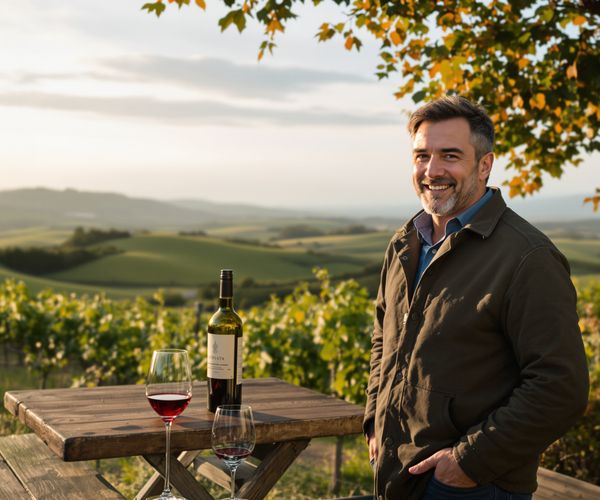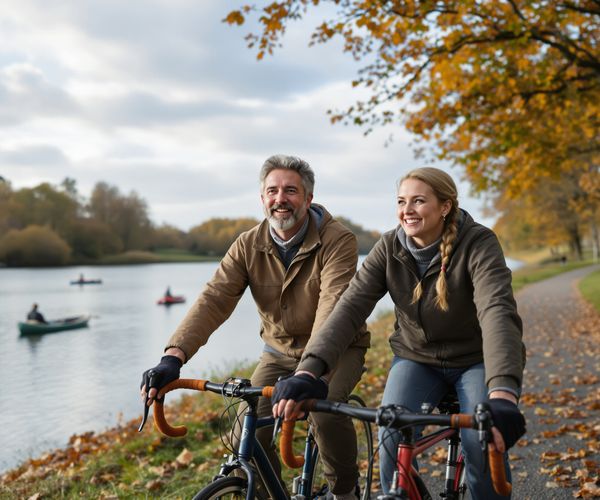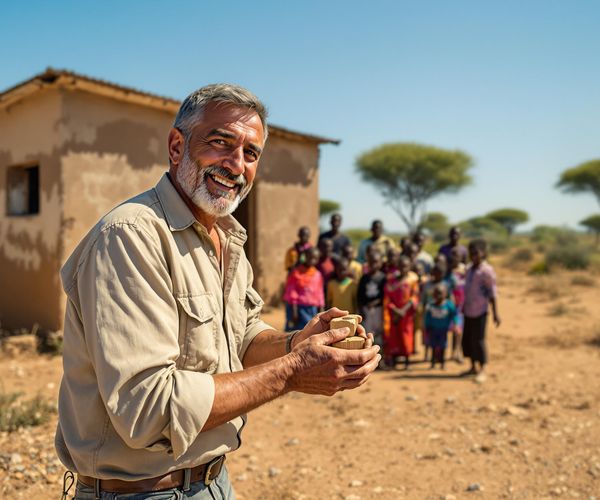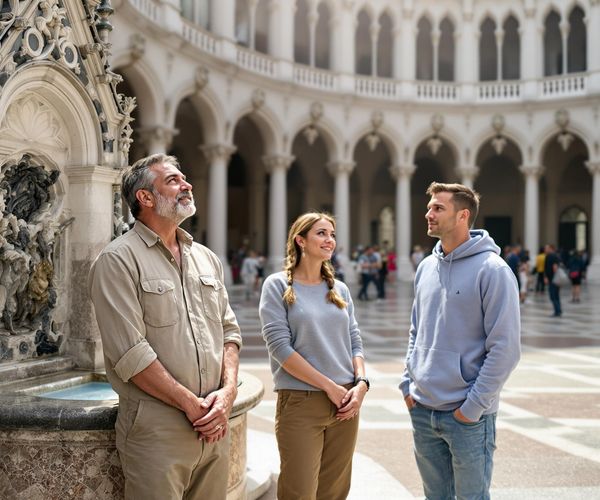
From the rolling hills of Arezzo to the serene lakes of Silkeborg, my journey has been one of discovery, not just of places, but of stories. These stories, often overlooked, are the threads that weave together the rich tapestry of a culture. I'm talking about folklore, and how it can transform your travel experiences from simple sightseeing to profound cultural immersion.
Arezzo to Silkeborg: My Journey Through Stories
Born in the heart of Tuscany, I, Andrea Colombo, spent my youth surrounded by the echoes of Roman history and Renaissance art. But life took an unexpected turn when I met Astrid, a charming librarian from Denmark, during her studies in Italy. Love knows no borders, and soon I found myself in Silkeborg, a town nestled in the Danish Lake District. It was here, amidst the whispering forests and tranquil waters, that my fascination with folklore truly began.
Moving to a new country is like stepping into a living storybook. Every tradition, every custom, every turn of phrase is a clue to understanding the soul of the place. For me, folklore became the key to unlocking the secrets of Danish culture, a way to connect with its people and its past. It wasn't just about fairy tales; it was about understanding the values, beliefs, and fears that shaped this unique society.
What is Folklore and Why Does It Matter?
So, what exactly is folklore? It's more than just old wives' tales or children's stories. Folklore encompasses the traditions, stories, myths, legends, and beliefs that are passed down through generations. It's the collective wisdom of a community, a living archive of its history and experiences.
Folklore matters because it preserves cultural heritage and identity. It's a way for communities to remember their past, celebrate their present, and pass on their values to future generations. These stories reflect a community's way of life, its struggles, and its triumphs. They tell us what a society holds dear, what it fears, and what it aspires to be.
Danish Folklore: More Than Just Fairy Tales
Danish folklore is a rich and enchanting world, populated by a cast of intriguing characters. There are the nisser, mischievous house spirits who can bring good fortune or misfortune depending on how they're treated. Then there are the ellefolk, alluring forest creatures with supernatural powers. And of course, no discussion of Scandinavian folklore would be complete without mentioning trolls, those hulking, often malevolent beings who dwell in caves and under bridges.
One captivating Danish myth is the tale of Agnete and the Merman, a tragic love story about a young woman who is lured into the sea by a charming merman. Another chilling legend tells of the Helhest, a three-legged horse that foretells death. These stories are not just fantastical tales; they reflect the Danish landscape and history. The sea plays a prominent role, a testament to Denmark's maritime heritage. The forests, too, are ever-present, a reminder of the country's deep connection to nature.
Finding Folklore on Your Travels: Tips and Tricks
So, how can you uncover the folklore of a place when you travel? It's easier than you might think. Start by seeking out local storytelling events and festivals. These gatherings are a wonderful opportunity to hear traditional tales told by local storytellers, often accompanied by music and dance.
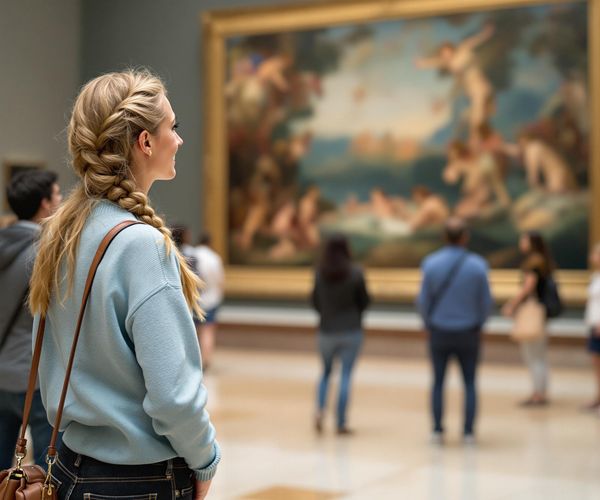
Don't overlook local museums and cultural centers. These institutions often have exhibits dedicated to local folklore, showcasing traditional costumes, artifacts, and stories. And most importantly, engage with local communities. Ask people about their traditions, their beliefs, and their stories. You'll be surprised at how willing people are to share their culture with curious and respectful travelers.
The Ethical Tourist: Respecting Folklore
As travelers, it's crucial to remember that we are guests in someone else's home. That means respecting their cultural traditions and avoiding cultural appropriation. Be mindful of how your actions may impact local communities. Don't participate in activities that exploit or commodify local culture. Instead, support sustainable tourism practices that help preserve folklore and cultural heritage.
Folklore as a Bridge: Connecting Cultures
Understanding folklore can foster empathy and cross-cultural understanding. When we learn about the stories and beliefs of another culture, we gain a deeper appreciation for its values and its way of life. This can help us break down barriers and build bridges between cultures.
I've found that sharing stories is a powerful way to connect with people from different backgrounds. Whether it's sharing a traditional Italian recipe with my Danish neighbors or listening to a local storyteller in a remote village, these experiences have enriched my life in countless ways. So, I encourage you to embrace the power of stories to connect with people from different backgrounds. Let folklore be your guide, and you'll discover a world of wonder and understanding.
Explore how local folklore can add depth and intrigue to your travel experiences. Learn how to find and ethically engage with local stories for a richer cultural understanding.