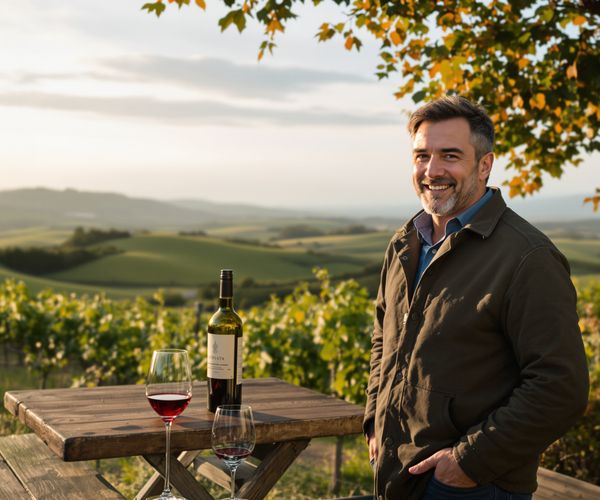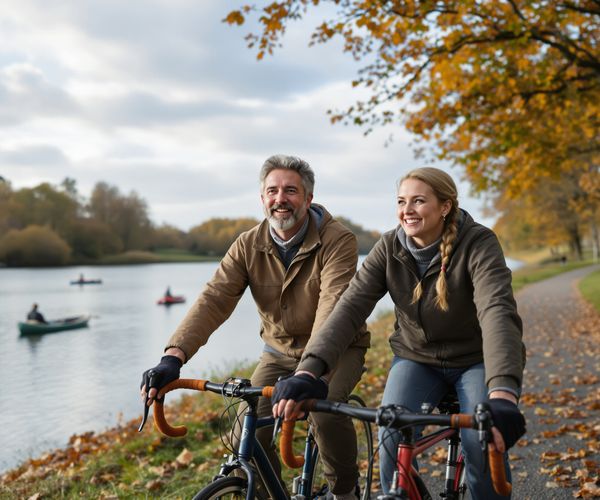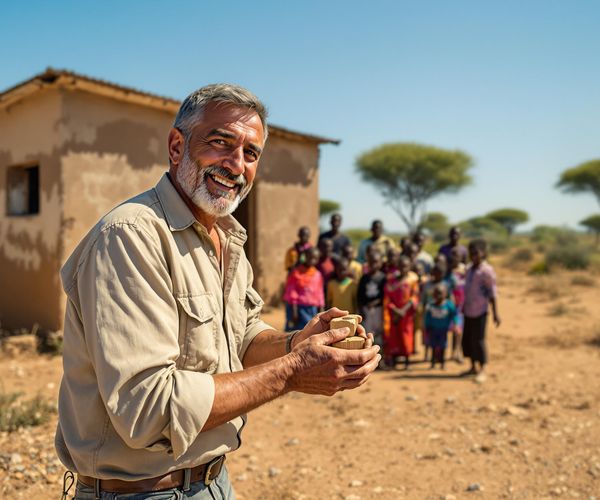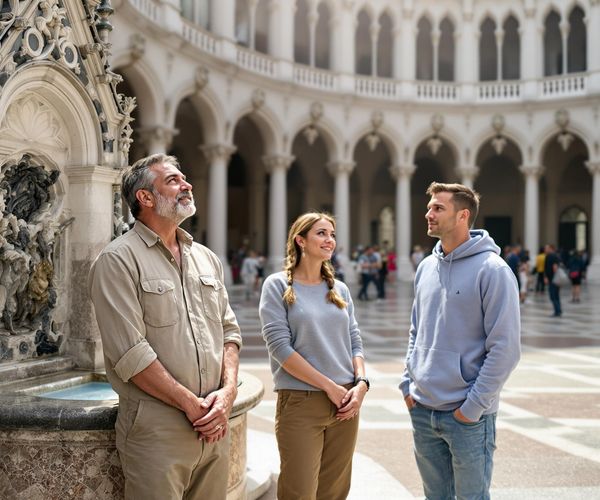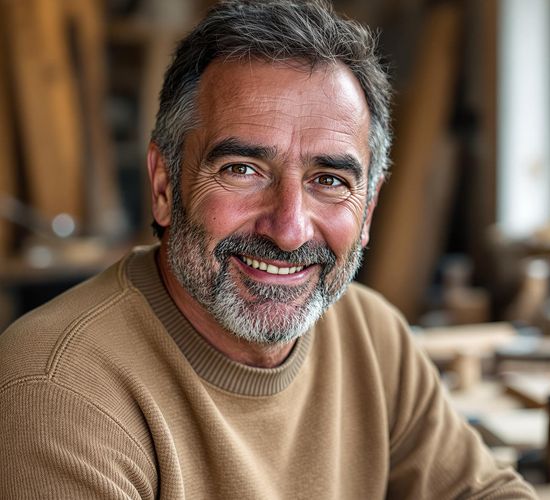
As a restorer of antique furniture, I, Andrea Colombo, have always been fascinated by the stories objects can tell. This fascination extends to my travels, where I find that photography is the perfect medium to capture not just the sights, but also the emotions and essence of a place. Join me as I share some tips and personal insights into the art of travel photography.
The Essence of Travel Photography
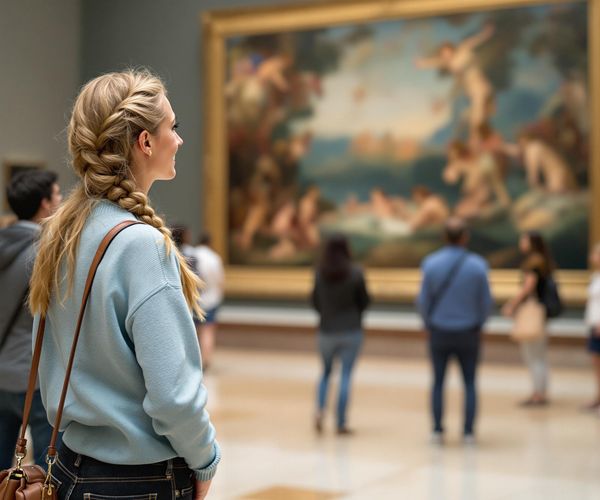
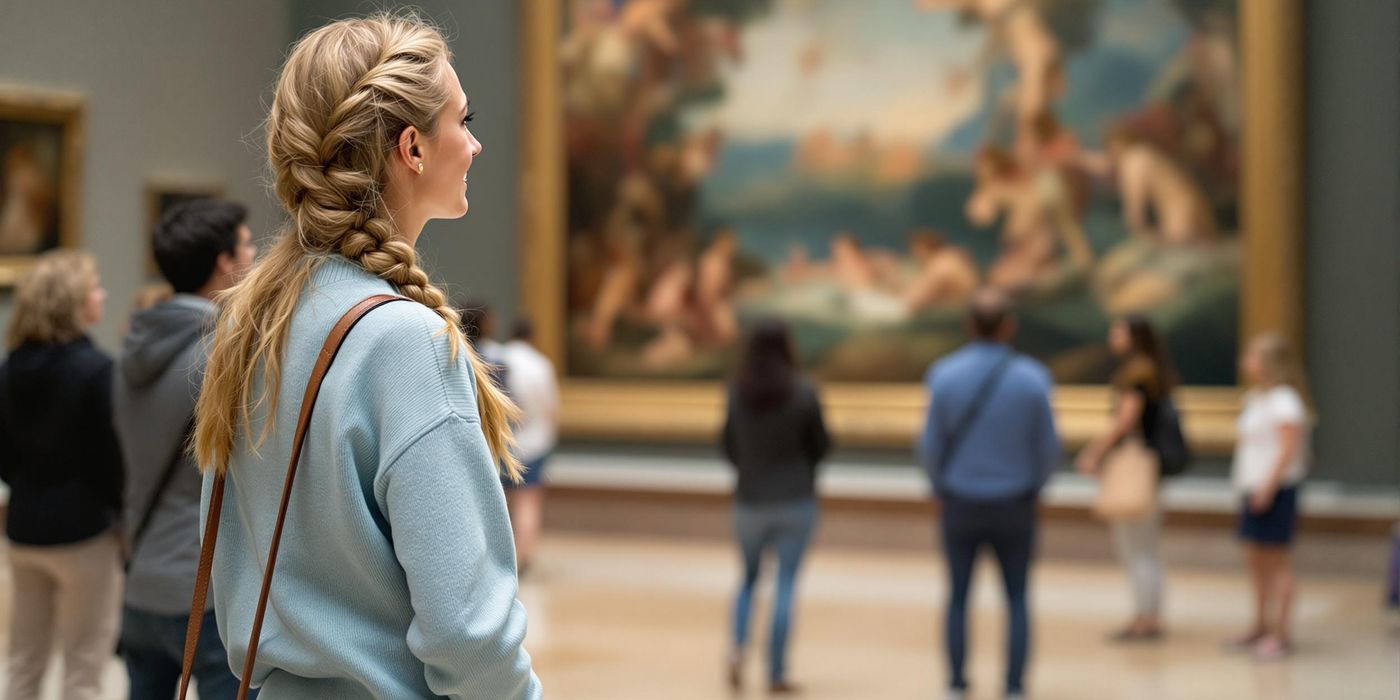
For me, travel photography is more than just taking pretty pictures; it's about preserving memories and experiences. It's about capturing the soul of a place and the emotions I felt while being there. I remember a trip to Florence with my wife, Astrid. We visited the Uffizi Gallery, and while the masterpieces were breathtaking, it was the candid shots of Astrid admiring Botticelli's Birth of Venus that truly captured the essence of that day. The way the light hit her face, the look of awe in her eyes – those are the moments I want to remember.
Photography allows you to freeze a moment in time, to revisit it whenever you want, and to share it with others. It's a powerful tool for storytelling and a wonderful way to connect with the world around us.
Essential Gear for the Traveling Photographer
Choosing the right gear can make a big difference in your travel photography experience. You don't need the most expensive equipment, but you do need something reliable and versatile.
- Camera Body: For travel, I recommend considering size, weight, and durability. Mirrorless cameras are a great option because they are generally lighter and more compact than traditional DSLRs. Compact DSLRs are also a good choice if you prefer the feel and handling of a larger camera.
- Lenses: A versatile lens that covers a range of focal lengths is essential. A 24-70mm lens is a great all-around option for capturing landscapes, portraits, and street scenes. If you want more reach, consider a 24-105mm or similar.
Don't forget accessories! A lightweight tripod is invaluable for capturing sharp images in low light or creating motion blur. ND and polarizing filters can help you control light and reduce glare. And always bring extra batteries – you don't want to run out of power in the middle of a shoot.
For those seeking ultimate durability, especially when adventuring near water, the OM System Tough TG-7 is an excellent, waterproof option. It's perfect for capturing worry-free memories in any environment.
Composition Techniques for Stunning Shots
Composition is key to creating visually appealing photographs. Here are a few techniques to keep in mind:
- Rule of Thirds: Imagine dividing your image into nine equal parts with two horizontal and two vertical lines. Place key elements of your scene along these lines or at the points where they intersect to create a balanced and engaging composition.
- Leading Lines: Use lines to guide the viewer's eye through the image. Roads, rivers, fences, and even shadows can serve as leading lines, drawing the viewer deeper into the scene.
- Depth: Create depth by including foreground, midground, and background elements in your composition. This will give your image a sense of three-dimensionality.
- Symmetry and Patterns: Look for symmetry and patterns in your surroundings. These can add visual interest and create a sense of order in your images.
Don't be afraid to experiment with different camera angles. Try shooting from a high vantage point to capture a sweeping view, or get down low to emphasize the foreground.
Capturing Landscapes and Cityscapes
Landscapes and cityscapes are popular subjects for travel photography. To capture stunning shots, consider the following:
- Time of Day: The best times to photograph landscapes and cityscapes are during the golden hour (the hour after sunrise and the hour before sunset) and the blue hour (the hour after sunset and the hour before sunrise). The light during these times is soft, warm, and flattering.
- Wide-Angle Shots: Use a wide-angle lens to capture expansive landscapes. This will allow you to fit more of the scene into your frame.
- Tripod: Use a tripod to capture sharp images in low light or create motion blur. A tripod will also allow you to use slower shutter speeds, which can be useful for capturing the movement of water or clouds.
Scout locations beforehand to find the best vantage points. Use ND filters to achieve creative effects in bright light, such as blurring the movement of water or clouds.
Documenting Local Life and Culture
One of the most rewarding aspects of travel photography is the opportunity to document local life and culture. However, it's important to do so with respect and sensitivity.
Always respect local customs and obtain permission before photographing people. A simple smile and a polite gesture can go a long way. Try to capture candid shots of people in their everyday lives, but be mindful of their privacy. Use photography to tell stories about local culture and traditions. Be patient and observant to capture authentic moments.
I remember once in Naples, I was trying to photograph a group of men playing cards in a small piazza. They were initially wary of me, but after I offered them some pastries from a nearby bakery and shared a few laughs, they relaxed and allowed me to take some wonderful photos. It was a reminder that sometimes the best photos come from building connections with the people you're photographing.
Post-Processing Tips for Enhancing Travel Photos
Post-processing is an important part of the travel photography workflow. It allows you to enhance your photos and bring out their full potential.
Use software like Adobe Lightroom or Capture One to edit your travel photos. Adjust exposure, highlights, and shadows to create a desired mood. Use color grading to create a consistent look across a series of photos. But remember, the key is to make subtle and natural-looking edits. You want to enhance your photos, not over-process them.
Travel photography is a journey of discovery, both of the world and of yourself. It's a way to capture memories, tell stories, and connect with the people and places you encounter along the way. So grab your camera, pack your bags, and start exploring!
Travel photography is more than just taking pretty pictures; it's about preserving memories and experiences. Join me as I share some tips and personal insights into the art of travel photography.