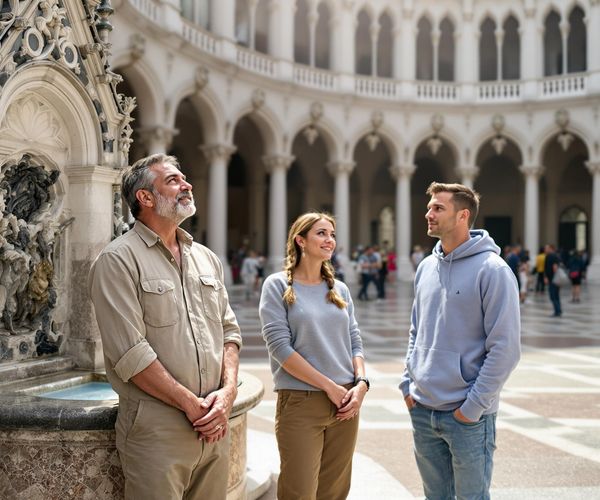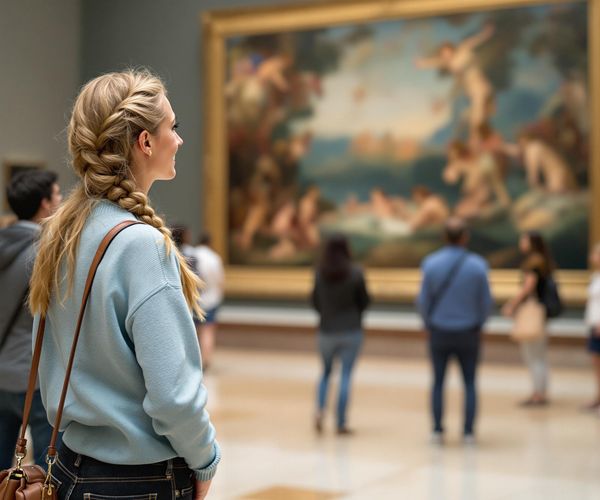

As a restorer of antique furniture, I've always believed that understanding the past is key to appreciating the present. Travel, for me, isn't just about seeing new places; it's about uncovering the stories woven into the very fabric of a destination. It's about connecting with the people, traditions, and events that have shaped its identity. Over the years, I've found that delving into the history of a place can transform a simple vacation into a profoundly enriching experience. Join me as I share some insights on how you too can embrace history while traveling.
The Allure of Historical Travel: Why Bother?
Why should you bother with history when you travel? Well, imagine visiting Rome without knowing about the Roman Empire, or walking through Copenhagen without understanding its Viking roots. Historical knowledge adds layers of depth to your travel experience. It allows you to see beyond the surface and truly understand the soul of a place. It’s like appreciating a beautifully restored antique – you don’t just see the polished surface; you understand the craftsmanship, the history, and the journey it has undertaken through time.
I remember once working on a particularly intricate piece of Danish furniture from the 18th century. The carvings depicted scenes from the Great Northern War. Researching the war, the battles fought on Danish soil, and the impact it had on the local communities, gave me a newfound appreciation for the piece. It wasn't just a beautiful object anymore; it was a tangible connection to a pivotal moment in history. That experience solidified my belief that understanding history enhances our appreciation of art, culture, and even everyday objects.
Unearthing Local History: Where to Start?
So, where do you begin your historical exploration? My first stop is always the local museum. These institutions are treasure troves of information, offering curated exhibits and artifacts that bring the past to life. Don't overlook local historical societies either; they often hold unique collections and insights that you won't find anywhere else.
Next, I recommend exploring local libraries and archives. Astrid, my wife, being a librarian, always emphasizes the wealth of information available in these often-overlooked resources. Old newspapers, maps, and documents can provide fascinating glimpses into the past. And don't forget to look for local historical markers and monuments. These markers often highlight significant events or figures, providing a concise overview of local history.
Of course, in today's digital age, online resources and databases are invaluable. Websites like the Digital National Archive provide access to a vast collection of historical documents and images. Wikipedia can be a starting point, but always cross-reference information with reliable sources.
Connecting with Locals: The Human Library
While museums and books are essential, nothing beats hearing stories directly from the people who live and breathe the history of a place. Talking to local residents is like opening a human library, where each person holds a unique chapter of the past. Engage with local guides; they often offer personalized historical tours that go beyond the typical tourist traps.
When inquiring about local history, remember to be respectful and sensitive. Some topics may be painful or controversial. Listen more than you speak, and be genuinely interested in their perspectives. One of the most meaningful conversations I ever had was with an elderly fisherman in a small Italian village. He shared stories of his grandfather, who had fought in World War I, and the sacrifices his family had made. His personal account brought history to life in a way that no textbook ever could.
Experiencing History Through Food and Craft
History isn't just about dates and battles; it's also reflected in the everyday aspects of life, such as food and craft. Local cuisine can reveal fascinating historical events and cultural exchanges. Consider the prevalence of tomatoes in Italian cuisine; they weren't introduced until the 16th century after the discovery of the Americas.
Visiting local markets and craft workshops can provide insights into traditional practices. In Denmark, I've learned so much about the country's history through woodworking techniques and the designs of traditional furniture. The use of specific types of wood, the joinery methods employed, and the decorative motifs all tell a story about the past. For example, Smørrebrød, the traditional open-faced sandwich of Denmark, has evolved over centuries, reflecting the changing agricultural practices and culinary preferences of the region.
Planning Your Historical Itinerary: A Practical Guide
Before you embark on your historical adventure, do your research. Identify the key historical sites and events that interest you. Allocate sufficient time for historical exploration in your travel schedule. Don't try to cram too much into one day; allow yourself time to absorb the information and reflect on what you've learned.
Combine historical visits with other activities for a balanced itinerary. A day spent exploring ancient ruins can be followed by an evening enjoying local cuisine or attending a cultural performance. Look for less-known historical gems off the beaten path. These hidden treasures often offer a more intimate and authentic experience than the popular tourist attractions.
Consider joining a guided historical tour or creating your own self-guided tour. Many cities offer walking tours that focus on specific historical themes. Resources like local tourism websites and historical societies can provide information on these tours. Websites and apps like Culture Trip offer a variety of historical tours, from culinary history tours to explorations of ancient ruins.
Respecting the Past: Ethical Considerations
As travelers, we have a responsibility to respect the historical sites and artifacts we encounter. Avoid touching or damaging historical objects. Follow the rules and guidelines set by the site managers. Be mindful of the local culture and traditions. Dress appropriately when visiting religious sites or historical landmarks.
Support local preservation efforts and organizations. Consider making a donation to a historical society or volunteering your time to help with restoration projects. Learn about the cultural context of historical sites to avoid misunderstandings or offense. What may seem like a harmless gesture to you could be deeply disrespectful to others.
By embracing these ethical considerations, we can ensure that future generations will have the opportunity to learn from and appreciate the past.
Learn how to delve into the historical aspects of your travel destinations and make the most of the stories they have to tell.