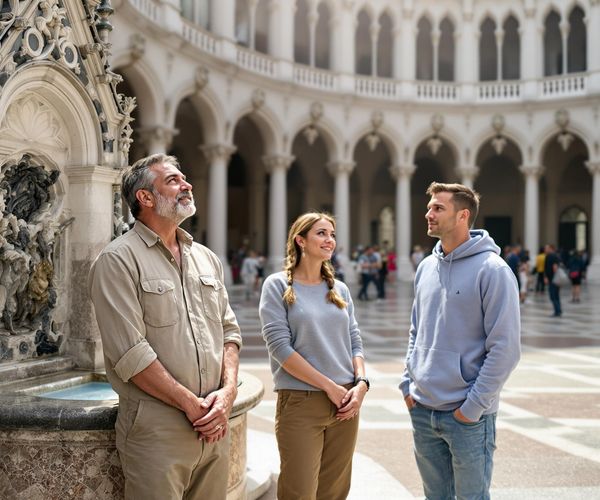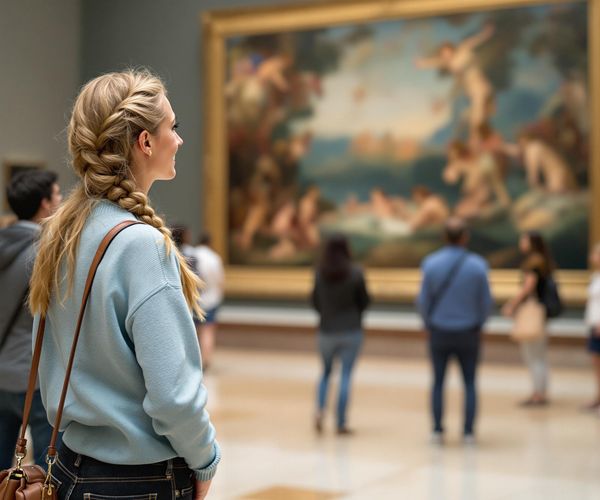

Ciao amici! As a furniture restorer with a passion for history, I've always believed that travel is more than just seeing new places; it's about stepping back in time and connecting with the stories of the past. My background gives me a unique lens through which to view historical sites, seeing not just the grand facade but also the intricate details and craftsmanship that speak volumes about the people who came before us. Join me as I share my insights on how to make history a central part of your travels, turning every trip into a journey through time.
Embracing History on the Road
For me, incorporating history into travel isn't just a hobby; it's a way to enrich the entire experience. It transforms a simple vacation into a profound exploration of human endeavor. As someone who spends his days breathing new life into old furniture, I find myself drawn to the stories etched into the walls of ancient buildings and the cobblestone streets of historic cities. My work has trained me to see beyond the surface, to appreciate the layers of history that accumulate over time. This perspective allows me to connect with places on a deeper level, understanding not only their physical appearance but also the events and people that have shaped them. With Astrid being a librarian, and Lasse slowly warming up to the idea, our family trips have become these amazing explorations of the past.
Unearthing Hidden Stories: Pre-Trip Research
The real adventure begins long before you pack your bags. It starts with research. Before setting foot in a new destination, I delve into its history, seeking out the stories that aren't always found in mainstream guidebooks. Historical societies are a goldmine of information, offering access to local experts and archives filled with fascinating documents and artifacts. Local libraries, like Astrid's workplace, are another invaluable resource, providing insights into the cultural nuances and historical context of the region. Online archives, too, offer a wealth of information, from digitized historical documents to virtual tours of historical sites. The internet has made it easier than ever to uncover hidden stories and lesser-known facts that can transform your travel experience. Don't just read the big headlines; dig deeper to find the untold stories that make each place unique. Understanding the local context is crucial. Knowing the cultural nuances of historical events can help you avoid misunderstandings and appreciate the complexities of the past. It's about respecting the local culture and approaching history with sensitivity and an open mind.
Experiencing History Firsthand: Must-See Historical Sites
Visiting historical sites and museums is essential, but it's important to choose sites that align with your interests. Are you fascinated by ancient civilizations? Then, explore the ruins of Rome or the pyramids of Egypt. Do you have a passion for art? Visit the museums of Florence or Paris. Whatever your interests, there are historical sites and museums that will captivate your imagination. In Denmark, I'm always drawn to the Viking ship museum in Roskilde, a testament to the seafaring prowess of the Vikings. The ships themselves are incredible artifacts, but the museum also does an excellent job of bringing the Viking age to life through interactive exhibits and historical reenactments. Beyond Denmark, one site that has always resonated with me is Pompeii. Walking through the streets of this ancient city, frozen in time by the eruption of Mount Vesuvius, is an incredibly powerful experience. It's a stark reminder of the fragility of life and the enduring legacy of human civilization. Visiting these places is not just about seeing old stones; it's about connecting with the people who lived there, understanding their hopes, dreams, and struggles. It's about making history come alive.
The Charm of Local Storytelling
While historical sites and museums offer a glimpse into the past, it's the local storytellers, guides, and residents who truly bring history to life. Engaging with locals can provide a more intimate and personal understanding of a place's history, offering insights that you won't find in any guidebook. Seek out authentic local experiences, such as historical walking tours led by long-time residents or attending local festivals and celebrations. These events often provide a unique window into the cultural traditions and historical events that have shaped the community. I remember once, while visiting a small town in Tuscany, I struck up a conversation with an elderly gentleman who had lived there his entire life. He shared stories of his childhood, growing up during World War II, and the impact the war had on his community. His stories were raw, emotional, and incredibly moving, providing a perspective on history that I could never have gained from a textbook. These personal encounters are what make travel so rewarding, connecting us to the human element of history and reminding us that we are all part of a larger story.
Planning Your Historical Itinerary: A Timeless Adventure
Planning a historical travel itinerary can seem daunting, but it's simply a matter of setting a theme, prioritizing sites, and allowing for flexibility. Start by identifying the historical period or event that interests you most. Are you fascinated by the Renaissance? Then, focus on visiting cities like Florence and Venice, where you can explore the art, architecture, and culture of that era. Once you've set a theme, prioritize the sites you want to visit. Research the opening hours, admission fees, and any special events or tours that might be available. Be sure to book tickets in advance, especially during peak season, to avoid long lines and ensure you can access the sites you want to see. It's also important to balance structured sightseeing with spontaneous exploration. Allow yourself time to wander off the beaten path, to discover hidden gems and unexpected encounters. Talk to locals, visit local markets, and simply soak in the atmosphere of the place. Finally, remember to pace your itinerary to avoid 'historical overload.' It's easy to get caught up in the excitement of seeing so many historical sites, but it's important to allow yourself time to relax, reflect, and process what you've seen. Incorporate downtime into your schedule, whether it's enjoying a leisurely lunch at a local cafe or simply sitting in a park and people-watching. Travel should be enjoyable, not exhausting. By following these tips, you can create a historical travel itinerary that is both enriching and relaxing, allowing you to fully immerse yourself in the stories of the past.
Explore ways to make history a central theme of your travels, using Andrea's background and insights. Discuss visiting historical sites, museums, and local storytelling.