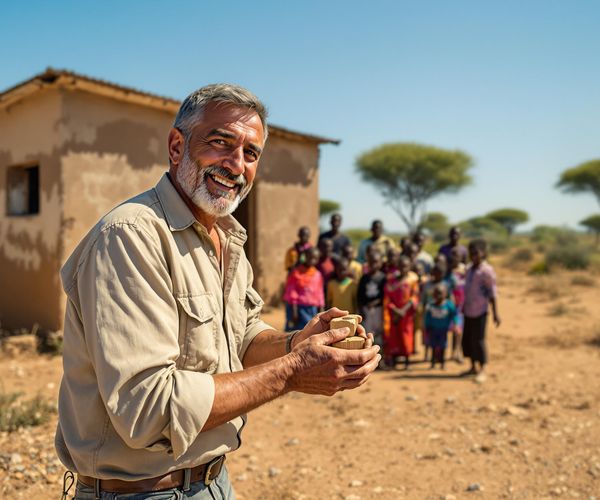

Ciao amici! As many of you know, I'm Andrea, an Italian transplant living in beautiful Denmark. My life revolves around restoring antique furniture, savoring culinary delights, and exploring the world with my family. Over the years, I've become increasingly aware of the impact our travels have on the environment and local communities. This realization has sparked a passion for sustainable travel, a journey I'm excited to share with you.
My Journey Towards Sustainable Travel
My journey toward sustainable travel wasn't a sudden epiphany but a gradual awakening. It started with small observations during our family trips. I remember a particular visit to Venice, my beloved homeland. While the city's beauty is undeniable, the sheer volume of tourists and the resulting waste were disheartening. Seeing the canals choked with plastic and the streets overflowing with discarded souvenirs made me question the impact of our visit.
This experience was a turning point. I began to research responsible tourism and discovered the many ways we could minimize our footprint. It wasn't about giving up travel, but about transforming how we travel. It meant making conscious choices, supporting local communities, and respecting the environment. It was about traveling with intention.
The shift in our travel habits wasn't immediate. It was a process of learning, adapting, and making small changes. We started by packing reusable water bottles and shopping bags, seeking out accommodations with eco-friendly practices, and choosing local restaurants over international chains. Each small step reinforced our commitment and fueled our desire to do more.
Reducing Your Environmental Impact: Practical Steps
One of the most significant aspects of sustainable travel is minimizing our environmental impact. Here are some practical steps you can take:
- Choose Eco-Friendly Transportation: Whenever possible, opt for trains, buses, or cycling instead of flying or driving. These modes of transport have a significantly lower carbon footprint. Within cities, walk or use public transportation. Embrace the opportunity to experience the destination at a slower, more intimate pace.
- Select Sustainable Accommodations: Look for eco-lodges, hotels with green initiatives, or guesthouses committed to sustainable practices. Check for certifications like Green Key or LEED. Ask about their water and energy conservation efforts, waste reduction programs, and commitment to sourcing local products.
- Minimize Waste: Pack reusable water bottles, coffee cups, and shopping bags. Avoid single-use plastics and opt for products with minimal packaging. When dining out, refuse plastic straws and utensils. Carry a small container for leftovers to avoid food waste.
- Consider Carbon Offsetting: If flying is unavoidable, consider offsetting your carbon emissions by donating to reputable carbon offsetting programs. These programs invest in projects that reduce greenhouse gas emissions, such as renewable energy or reforestation.
Supporting Local Economies: Making a Difference
Sustainable travel is not just about protecting the environment; it's also about supporting local communities. Here's how you can make a difference:
- Buy Local Products and Services: Support local artisans and businesses by purchasing their products and services. Visit local markets, craft shops, and family-owned businesses. Not only will you find unique souvenirs, but you'll also contribute directly to the local economy.
- Eat at Local Restaurants: Skip the international chains and savor the flavors of regional cuisine at local restaurants. This supports local farmers, chefs, and restaurant owners, and provides an authentic culinary experience.
- Engage with Local Communities: Take the time to connect with local communities and learn about their traditions and customs. Attend local festivals, take a cooking class, or volunteer for a community project. These experiences can enrich your travels and foster a deeper understanding of the local culture.
- Shop Ethically: Be mindful of the souvenirs you purchase. Avoid products that exploit local resources or labor. Look for fair trade items and support businesses that prioritize ethical sourcing and production.
Responsible Tourism: Respecting Culture and Nature
Responsible tourism is about respecting the culture and nature of the places we visit. Here are some guidelines to follow:
- Respect Local Customs and Traditions: Before you travel, research the local customs and traditions of your destination. Dress modestly when visiting religious sites, be mindful of local etiquette, and learn a few basic phrases in the local language.
- Minimize Your Impact on Natural Environments: Stay on marked trails when hiking, avoid disturbing wildlife, and dispose of your trash properly. Support conservation efforts by visiting national parks and wildlife reserves.
- Practice Responsible Wildlife Tourism: Avoid activities that harm animals, such as riding elephants or visiting captive animal attractions. Choose wildlife tours that prioritize animal welfare and conservation.
- Interact Ethically with Local Communities: Obtain informed consent before taking photographs or videos of local people. Be respectful of their privacy and avoid intruding on their personal space. Engage in conversations with locals, listen to their stories, and learn from their experiences.
Sustainable Travel in Denmark and Italy: A Comparison
Having lived in both Denmark and Italy, I've observed different approaches to sustainable tourism. Denmark, with its emphasis on cycling, renewable energy, and organic farming, has made significant strides in promoting eco-friendly practices. Copenhagen, for example, is a cyclist's paradise, with dedicated bike lanes and bike-sharing programs. Many hotels and restaurants prioritize sustainability, offering organic and locally sourced products.
Italy, with its rich cultural heritage and diverse landscapes, faces unique challenges in promoting sustainable tourism. While some regions have embraced eco-tourism initiatives, others struggle with overtourism and environmental degradation. However, there is a growing awareness of the importance of responsible tourism, and many local communities are working to preserve their cultural and natural heritage.
In Denmark, I often cycle to explore the countryside, enjoying the fresh air and serene landscapes. In Italy, I seek out agriturismi, farm stays that offer authentic culinary experiences and support local agriculture. Both countries offer unique opportunities to travel sustainably, but it requires a conscious effort to seek out responsible options and support local communities.
Ultimately, sustainable travel is about making conscious choices and respecting the places we visit. It's about leaving a positive footprint and contributing to the well-being of both the environment and local communities. As we continue our journey, let's strive to travel with intention, curiosity, and a deep appreciation for the world around us.
Practical tips for traveling sustainably, ensuring your journeys benefit the environment and local communities.