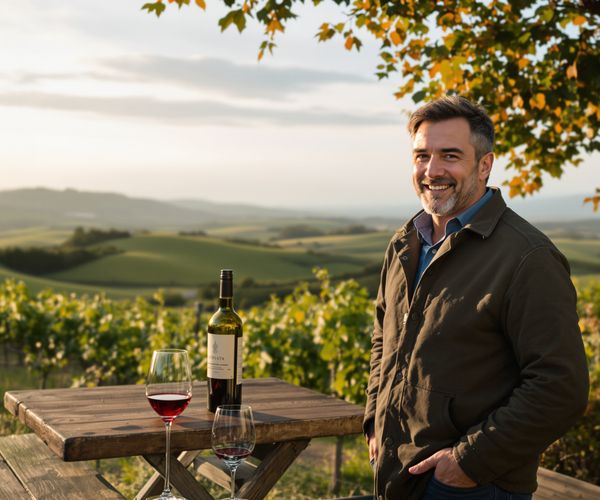

Ciao amici! As someone who has journeyed from the sun-kissed hills of Arezzo to the serene landscapes of Silkeborg, I've learned that the true essence of travel lies not in ticking off destinations, but in savoring every moment. Let's embark on a journey to discover the art of slow travel, where we trade hurried itineraries for immersive experiences.
The Essence of Slow Travel
Slow travel, at its heart, is a philosophy. It's a deliberate departure from the whirlwind pace of conventional tourism. Think of it as the antithesis of rushing through crowded landmarks, snapping photos, and moving on. Instead, it's about immersing oneself in the local culture, forging genuine connections, and embracing the unexpected detours along the way.
The slow travel movement shares a kinship with the slow food movement, which originated in Italy in the 1980s. Just as slow food emphasizes the importance of savoring locally sourced ingredients and traditional cooking methods, slow travel encourages us to appreciate the unique character of each place we visit. It's about slowing down to notice the small details, the nuances that make a destination special.
For me, slow travel is about four core values: immersion, connection, sustainability, and mindfulness. It's about diving deep into the local culture, forging connections with the people who call a place home, making sustainable choices that minimize our impact on the environment, and being fully present in the moment, appreciating the beauty and wonder that surrounds us.
My personal philosophy on travel is deeply rooted in these values. Growing up in Arezzo, I was surrounded by history and tradition. My family's workshop, where we restored antique furniture, taught me the importance of patience, attention to detail, and a deep respect for craftsmanship. These values have shaped the way I approach travel, always seeking to understand the stories behind the places I visit and the people I meet.
Why Choose Slow Travel?
The benefits of slow travel are manifold, enriching the traveler in ways that traditional tourism often misses. One of the most significant advantages is reduced stress. Instead of rushing from one attraction to another, slow travel allows you to set your own pace, linger in places that captivate you, and simply relax and enjoy the moment. This slower pace contributes to enhanced well-being, allowing you to return home feeling refreshed and rejuvenated.
Slow travel fosters deeper connections with locals. When you take the time to engage with the community, you're more likely to have meaningful interactions, learn about their lives and traditions, and gain a deeper understanding of their culture. These connections can be incredibly rewarding, creating lasting memories and broadening your perspective on the world.
Moreover, slow travel has a positive impact on local communities and economies. By supporting locally-owned businesses, eating at family-run restaurants, and staying in guesthouses or B&Bs, you're directly contributing to the economic well-being of the area. This approach also helps to preserve local traditions and cultural heritage.
The environmental advantages of slow travel are also significant. By choosing alternative modes of transportation, such as trains, buses, cycling, or walking, you can reduce your carbon footprint and minimize your impact on the environment. Slow travel also encourages you to support sustainable businesses that prioritize environmental responsibility.
Finally, slow travel offers more flexibility and spontaneity. Without a rigid itinerary, you're free to change your plans on a whim, explore hidden gems, and embrace unexpected adventures. This spontaneity can lead to some of the most memorable and rewarding travel experiences.
Embracing Cultural Immersion
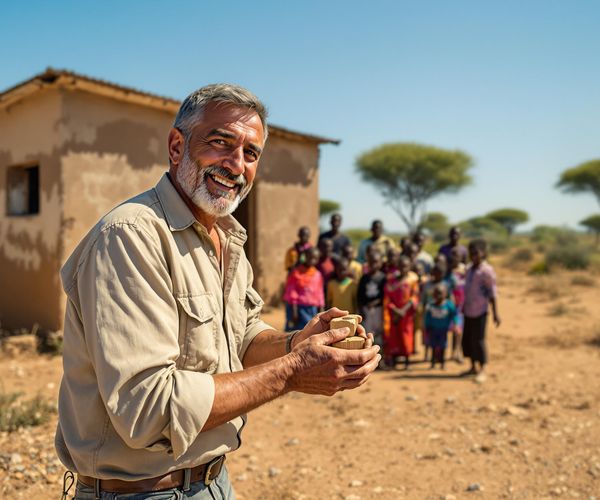
Slow travel is a gateway to authentic cultural experiences. It allows you to move beyond the superficial and delve into the heart of a culture, understanding its nuances and appreciating its unique character. This immersion can take many forms, from learning a few basic phrases in the local language to participating in traditional festivals and events.
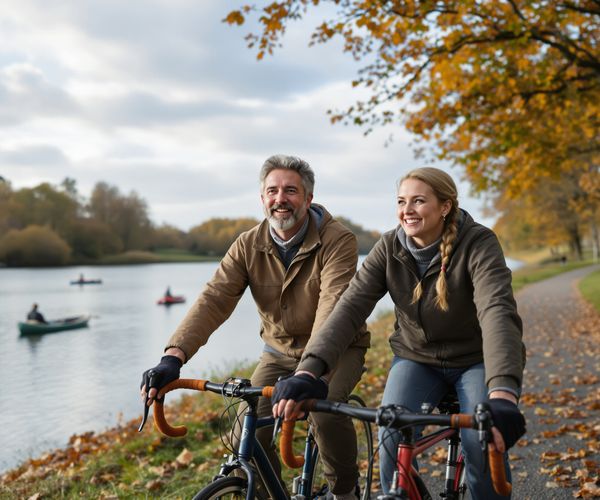
One of my most memorable experiences was when Astrid and I spent a month in a small village in Tuscany. We rented a cozy apartment above a bakery, learned to make pasta from the Nonna next door, and spent our days exploring the surrounding countryside on bicycles. We weren't just tourists; we were part of the community.
Engaging with local communities requires a sense of respect and curiosity. Learning a few basic phrases in the local language can go a long way in showing your appreciation and willingness to connect. Participating in local events, such as festivals, markets, or religious ceremonies, can provide valuable insights into the culture and traditions of the area. And supporting local businesses, whether it's buying souvenirs from a local artisan or eating at a family-run restaurant, helps to sustain the community and preserve its unique character.
It's crucial to interact with local cultures respectfully and ethically. This means being mindful of local customs and traditions, avoiding behaviors that might be considered offensive, and seeking to understand the perspectives of the people you meet.
Savoring Historical Sites and Architecture
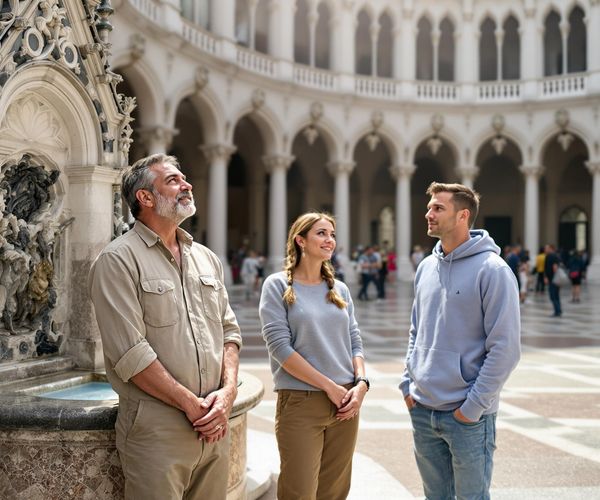
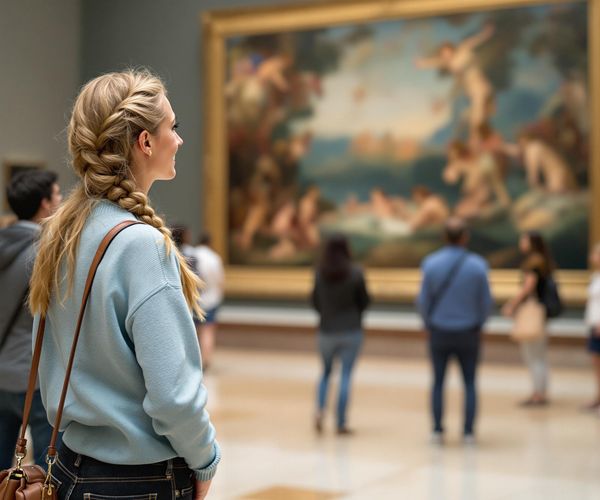
Slow travel allows for a deeper appreciation of historical sites and architectural marvels. Instead of rushing through museums and monuments, you can take the time to truly examine the details, read the inscriptions, and imagine the lives of the people who once inhabited these spaces.
I remember visiting the Roman Forum in Rome, not as a tourist hurrying to see the highlights, but as a curious observer. I spent hours wandering among the ruins, imagining the bustling marketplace, the political debates, and the everyday lives of the ancient Romans. I read the inscriptions on the ancient stones, piecing together the stories of the past.
Before visiting a historical site, take the time to research its history and context. Read books, watch documentaries, and explore online resources to gain a deeper understanding of the place and its significance. This preparation will enhance your experience and allow you to appreciate the site on a deeper level.
Don't be afraid to venture off the beaten path and visit lesser-known historical sites and hidden gems. These places often offer a more authentic and intimate experience, allowing you to connect with the past in a more meaningful way.
Culinary Experiences: A Journey for the Senses
Food is a powerful gateway to understanding a culture. It reflects the history, traditions, and values of a place, offering insights that go beyond the surface. Slow travel provides the opportunity to explore the culinary landscape of a destination, savoring local specialties, visiting markets, and learning about traditional food preparation methods.
One of my most memorable culinary experiences was in Bologna, the culinary capital of Italy. I took a cooking class with a local chef, learning to make tortellini from scratch. We visited the local market, selecting fresh ingredients and learning about the region's culinary traditions. And we shared a meal with the chef and his family, laughing, talking, and connecting over our shared love of food.
When you travel, be sure to try local specialties, even if they seem unfamiliar or intimidating. Visit local markets, where you can sample regional products and learn about the ingredients that go into traditional dishes. And take the time to learn about traditional food preparation methods, perhaps by taking a cooking class or simply asking a local chef or home cook.
Food is also a social experience, a way to connect with others and share in their culture. Sharing meals with locals can be a particularly rewarding experience, allowing you to learn about their lives and traditions while enjoying delicious food.
Practical Tips for Planning a Slow Travel Itinerary
Planning a slow travel itinerary requires a different approach than planning a traditional vacation. Instead of trying to see as much as possible, focus on choosing a destination and exploring it in depth.
Start by choosing a destination that interests you and that offers opportunities for cultural immersion, historical exploration, and culinary experiences. Then, focus on a smaller geographical area, perhaps a region or a city, rather than trying to cover an entire country.
Opt for alternative modes of transportation, such as trains, buses, cycling, or walking. These modes of transportation allow you to see the countryside, meet locals, and experience the journey in a more meaningful way.
Leave room for spontaneity and unplanned adventures. Don't over-schedule your itinerary; allow yourself the freedom to change your plans on a whim, explore hidden gems, and embrace unexpected opportunities.
Consider staying in locally-owned accommodations, such as guesthouses, B&Bs, or apartments. These accommodations offer a more authentic and intimate experience, allowing you to connect with locals and support the local economy.
Arrivederci, and happy slow travels!
Discover how slowing down and savoring each moment can transform your travel experiences, making them richer and more meaningful.