From the sun-drenched hills of Arezzo to the serene lakes of Silkeborg, my life has been a journey of discovery, and nothing has revealed the heart of a place more profoundly than its food. It's not just about sustenance; it’s about culture, history, and connection. Join me as I share my culinary explorations and offer some guidance on how you too can taste the world.
Arezzo to Silkeborg: My Culinary Journey Begins
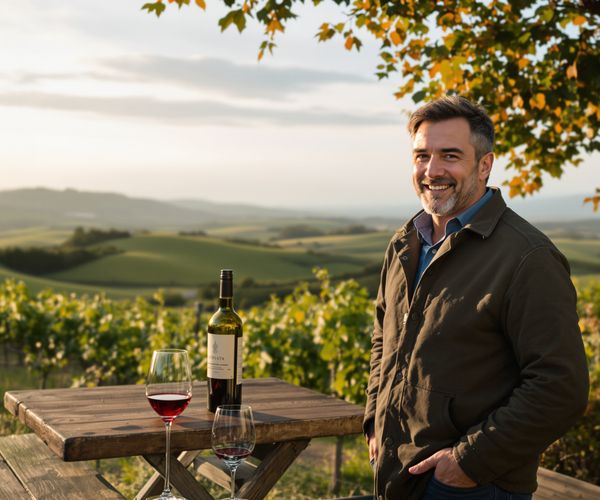
Growing up in Arezzo, Italy, food was more than just a meal; it was a ritual, a celebration, and a connection to our heritage. My nonna's handmade pasta, the aroma of basil and tomatoes simmering on the stove, these were the cornerstones of my childhood. Italian cuisine, with its emphasis on fresh, seasonal ingredients and simple yet flavorful preparations, deeply influenced my palate. I thought I knew what good food was. {image1}
Then, life took an unexpected turn, and I found myself in Silkeborg, Denmark, a world away from the familiar tastes of Tuscany. My first culinary experiences here were, shall we say, eye-opening. The emphasis on hearty, simple fare like smørrebrød (open-faced sandwiches) and frikadeller (meatballs) was a stark contrast to the vibrant, vegetable-centric dishes of my homeland.
Adapting to Danish flavors presented its challenges. The sweetness in the rye bread, the prevalence of pickled herring, and the somewhat…acquired taste of licorice were all surprises. But, with an open mind and a willingness to experiment, I began to appreciate the unique qualities of Danish cuisine. I learned that food is a reflection of the land and its people, and Denmark's culinary traditions are deeply rooted in its history and climate.
More Than Just a Meal: Food as a Cultural Key
Food is a universal language, yet its dialects vary dramatically from culture to culture. It's a lens through which we can understand a culture's history, traditions, and values. Think about it: a simple dish can tell a story of migration, trade, and adaptation. {image2}
One of my most profound culinary revelations occurred during a trip to Japan. I had the opportunity to participate in a traditional tea ceremony, followed by a kaiseki dinner. Each course was a work of art, meticulously prepared and presented to reflect the changing seasons. The experience was not just about eating; it was about appreciating the harmony between food, nature, and human connection. It was a lesson in Japanese aesthetics and philosophy that I could never have learned from a textbook.
Trying local and traditional dishes is essential to truly experiencing a destination. It's about stepping outside your comfort zone and embracing the unfamiliar. It's about connecting with the people who grow, prepare, and share the food. It’s about understanding the story behind the ingredients and the techniques.
Seeking Authenticity: Finding the Heart of Local Cuisine
In a world of globalized food chains and tourist traps, finding authentic food experiences can be a challenge. But with a little research and a sense of adventure, it's entirely possible to discover hidden culinary gems. My advice? Venture beyond the well-trodden tourist paths. Get lost in the backstreets, explore local markets, and ask the locals for recommendations.
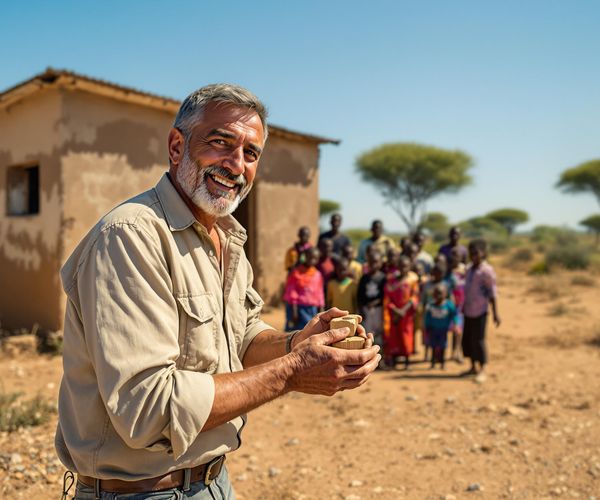
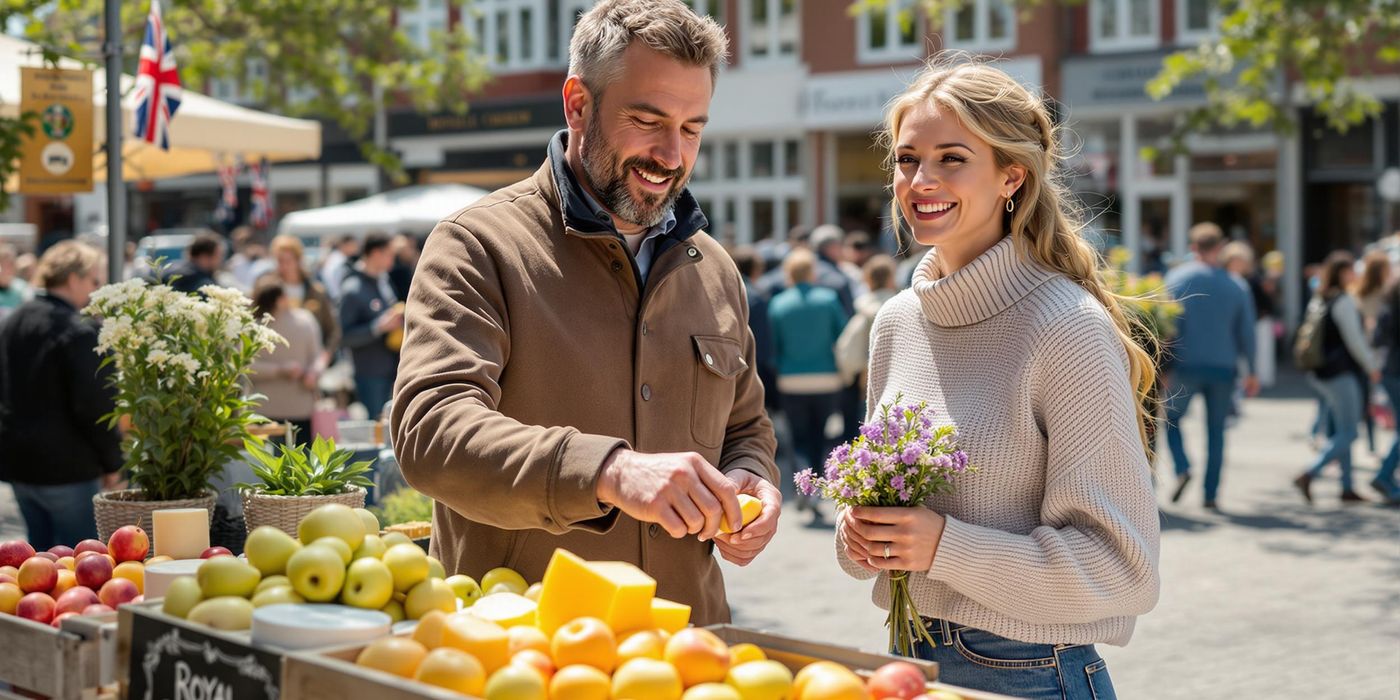
Farmers' markets are a fantastic resource for discovering local produce and artisanal products. They offer a glimpse into the region's agricultural heritage and provide an opportunity to meet the people who grow your food. Cooking classes, particularly those focused on traditional cuisine, are another excellent way to connect with local food communities. You'll not only learn new skills but also gain insights into the cultural significance of the dishes you prepare. {image3}
Don't be afraid to strike up conversations with restaurant owners, chefs, and fellow diners. Ask about the history of the dish, the ingredients used, and the regional variations. You might be surprised by the stories you uncover and the connections you make.
Deciphering the Menu: Understanding Local Cuisines
Navigating unfamiliar menus and ingredients can be daunting, but it's also part of the fun. Start by doing some research before you travel. Look up common dishes and ingredients in the region you're visiting. Familiarize yourself with the local culinary terms and phrases. A little preparation can go a long way in avoiding culinary misadventures.
Learning basic food-related vocabulary in the local language is invaluable. Knowing how to ask for water, bread, or the check can make your dining experience much smoother. It also shows respect for the local culture and demonstrates your willingness to engage with the community.
Of course, culinary misadventures are inevitable. I once accidentally ordered a plate of fermented shark in Iceland, thinking it was a type of cheese. The taste was…memorable, to say the least. But even these experiences can lead to unexpected discoveries and expand your culinary horizons. Embrace the unknown, be open to new flavors, and don't be afraid to laugh at your mistakes. {image4}
Beyond the Plate: Cooking with Locals
For a truly immersive culinary experience, consider cooking with local families or chefs. This is an opportunity to learn traditional cooking techniques and recipes from the source and to gain a deeper understanding of the culture's culinary heritage.
One of my most cherished travel memories is cooking with a family in Marrakech, Morocco. I spent an afternoon in their kitchen, learning how to prepare tagine and couscous from scratch. The experience was not just about learning new recipes; it was about sharing stories, laughing together, and connecting on a human level. The warmth and hospitality of the family made me feel like I was part of their home.
Learning traditional cooking techniques and recipes from the source offers a unique perspective on the culture and its values. It's about understanding the significance of each ingredient, the importance of seasonality, and the role of food in social gatherings. It's about preserving culinary traditions and passing them on to future generations. {image5}
Explore the role of food in cultural exploration, with Andrea's experiences of culinary adventures. Focus on how food tells the story of a place. Guidance on finding authentic food experiences, understanding local cuisines, and cooking with locals.