Traveling opens our eyes to the world's incredible diversity, but it also presents opportunities to connect with people from different backgrounds. As a cultural mediator and avid traveler, I've learned that adapting to new cultures is key to enriching your travel experience and fostering mutual respect. Let's embark on a journey of understanding and explore how to navigate the nuances of different cultures with grace and empathy.
Understanding the Importance of Cultural Sensitivity
Cultural sensitivity is the ability to understand and respect the values, beliefs, and customs of other cultures. It's about recognizing that our own culture is not the only valid way of life and being open to learning from others. When we travel with cultural sensitivity, we demonstrate respect for the people and places we visit, and we're more likely to have positive and meaningful interactions.
Why should travelers prioritize understanding local customs? Because it's the right thing to do. It shows respect, fosters goodwill, and can prevent misunderstandings that could lead to offense or awkward situations. By taking the time to learn about and appreciate the cultures we encounter, we become better global citizens.
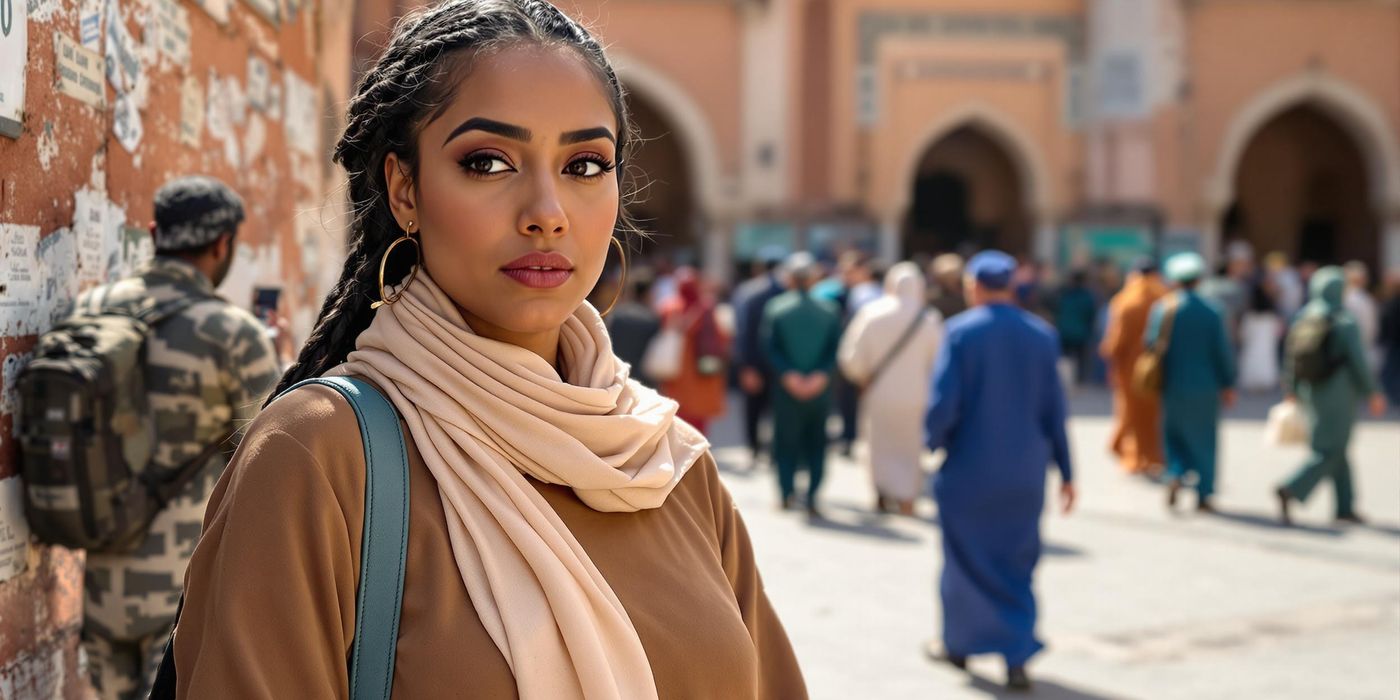
I remember once traveling in Morocco during Ramadan. I was initially unaware of the strict customs around eating and drinking in public during fasting hours. One afternoon, feeling parched, I instinctively reached for my water bottle in a public square. Immediately, I noticed the disapproving glances of those around me. A kind local woman gently explained the significance of Ramadan and the importance of respecting the fasting period. I was mortified but incredibly grateful for her patience and understanding. I immediately put my water bottle away and made a conscious effort to be more mindful of local customs throughout my stay. This experience taught me a valuable lesson about the importance of researching and respecting local traditions, and it shaped my approach to travel ever since.
Research and Preparation Before You Go
Before you even pack your bags, invest time in researching your destination's culture, customs, and etiquette. This preparation is crucial for showing respect and avoiding unintentional cultural faux pas. The more you know, the more confidently and respectfully you can navigate new environments.
There are numerous resources available to help you learn about different cultures. Books, documentaries, and online guides can provide valuable insights into the history, traditions, and social norms of your destination. Websites like Culture Crossing and Expatica offer practical information on cultural etiquette and customs around the world. Travel blogs and forums can also provide firsthand accounts and tips from other travelers.
Focus your research on key areas such as greetings (handshakes, bows, etc.), gestures (what's considered polite or offensive), dress codes (especially for religious sites), dining etiquette (table manners, tipping), and social norms (personal space, communication styles). Understanding these aspects will help you make a positive impression and avoid unintentional offense.
Language as a Bridge: Learning Basic Phrases
Learning even a few basic phrases in the local language can make a world of difference. It shows that you're making an effort to connect with the local culture and that you respect their language. People are often more receptive and welcoming when you try to communicate in their language, even if it's just a simple hello or thank you.
Knowing basic phrases can also facilitate everyday interactions, such as ordering food, asking for directions, or bargaining at a market. It can help you navigate unfamiliar situations and feel more confident in your surroundings. Moreover, it can lead to unexpected and rewarding encounters with locals who appreciate your effort to communicate.
There are many resources available for language learning, including apps like Duolingo and Babbel, online courses, and language exchange partners. Even a few minutes of practice each day can help you acquire a basic vocabulary and improve your pronunciation. Don't be afraid to make mistakes – locals will usually appreciate your effort, even if your grammar isn't perfect.
Observing and Adapting to Local Customs
One of the best ways to learn about a new culture is to simply observe the locals. Pay attention to how they interact with each other, how they dress, and how they behave in public settings. By observing and following their lead, you can quickly pick up on unspoken rules and customs.
Pay close attention to specific customs related to dining. For example, in some cultures, it's considered rude to start eating before the host does, while in others, it's customary to leave a small amount of food on your plate to indicate that you're satisfied. Similarly, be mindful of greetings. In some cultures, a handshake is the norm, while in others, a bow or a nod is more appropriate.
Be aware that certain gestures or actions may be considered offensive in certain cultures. For example, the thumbs up gesture, which is generally positive in Western cultures, can be offensive in some parts of the Middle East and Latin America. Similarly, pointing with your index finger can be considered rude in many Asian countries. Researching these cultural nuances can help you avoid unintentional offense.
Navigating Social Interactions with Respect
When in public spaces, be mindful of your noise level, personal space, and public displays of affection. Some cultures value quiet and reserve, while others are more expressive and demonstrative. Adjust your behavior accordingly to show respect for local customs.
Respecting religious and cultural sites is crucial. Follow dress codes (covering your head, removing your shoes), avoid loud conversations or disruptive behavior, and refrain from taking photographs where it's prohibited. These sites are often sacred to the local community, and it's important to treat them with reverence.
Gift-giving etiquette varies widely across cultures. In some cultures, it's customary to bring a small gift when visiting someone's home, while in others, it's considered inappropriate. Research the local customs before offering a gift, and be sure to present it with the appropriate gesture of gratitude. A simple thank you in the local language can go a long way.
Common Cultural Misunderstandings and How to Avoid Them
Cultural misunderstandings are inevitable, but understanding common pitfalls can minimize them. Time management varies significantly. Some cultures value punctuality, while others have a more relaxed approach to time. Hand gestures and physical contact also differ. What's acceptable in one culture may be offensive in another.
Avoid misunderstandings through research, observation, and clear communication. When unsure, politely ask for clarification. Being open and showing genuine interest in understanding the local perspective can bridge cultural gaps.
If you accidentally offend someone, apologize sincerely and explain that you didn't intend to cause harm. Acknowledge your mistake and show a willingness to learn from it. Humility and a genuine desire to understand can often diffuse tense situations and turn a blunder into a learning opportunity.
Embracing Diversity and Challenging Stereotypes
Approach new cultures with an open mind, challenging your own stereotypes. Cultural exchange fosters understanding and empathy, breaking down barriers and promoting tolerance. Recognize that every culture has its own unique values and perspectives, and be willing to learn from them.
Cross-cultural communication broadens horizons, fostering empathy and appreciation for different ways of life. It challenges preconceived notions and encourages us to see the world from multiple perspectives. By engaging in meaningful conversations with people from different backgrounds, we can break down stereotypes and build bridges of understanding.
Through my travels, I've challenged my own biases. I once assumed that all Germans were reserved and stoic, but living in Bielefeld has shown me the warmth and humor of the people here. Similarly, I used to believe that all Egyptians were deeply religious, but I've come to appreciate the diversity of beliefs and perspectives within my own culture. By challenging my own assumptions, I've become more open-minded and accepting of others.
Learn how to adapt to new cultures while traveling. Discover tips for building cross-cultural understanding, including language, customs, and etiquette. Enhance your travel experience.