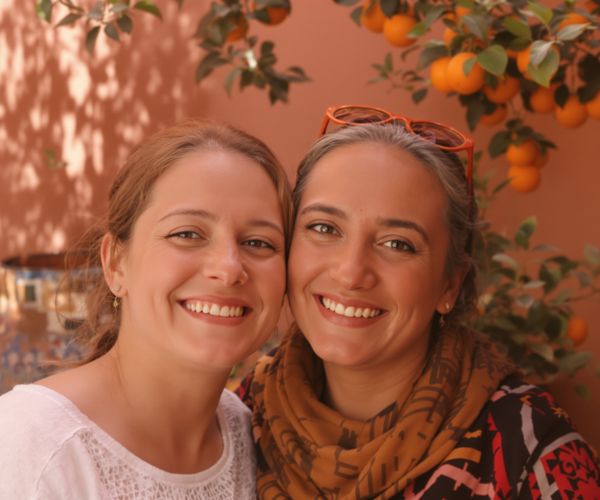
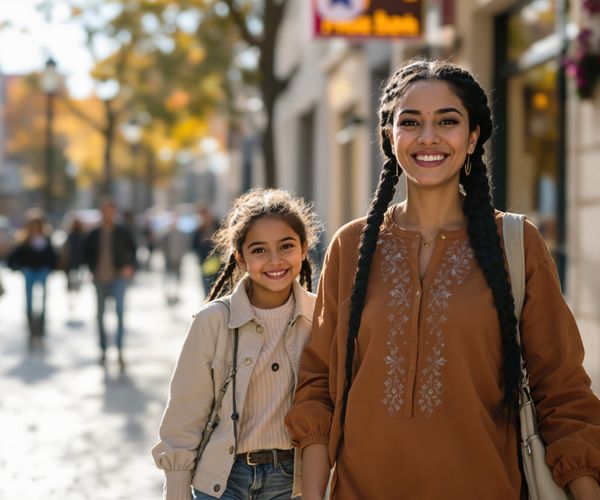
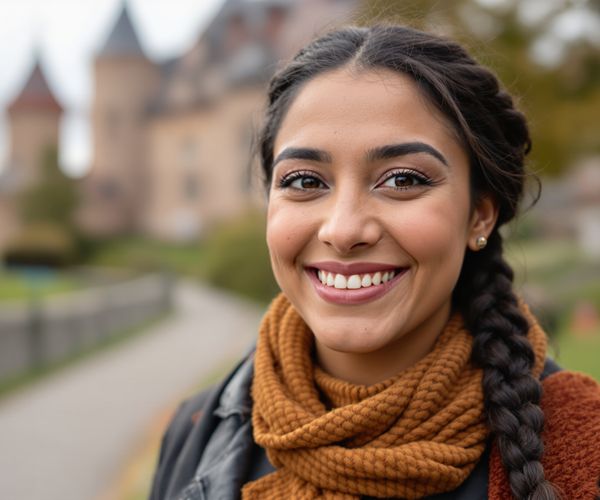
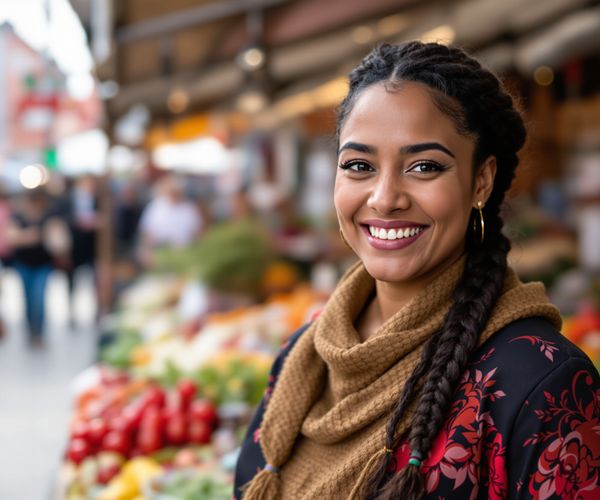
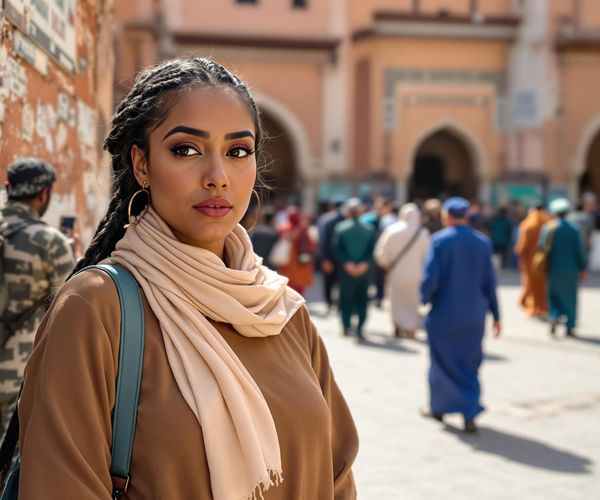
Ahlan wa Sahlan, dear travelers! As a cultural mediator and avid explorer, I'm Eman, and I'm thrilled to share some insights on navigating the beautiful tapestry of global cultures. Traveling isn't just about seeing new places; it's about understanding and respecting the people who call those places home. Join me as we delve into the art of cultural sensitivity and unlock the doors to truly meaningful travel experiences.
Understanding Cultural Sensitivity: More Than Just a Buzzword
Cultural sensitivity, in my experience, goes beyond simply being polite; it's about recognizing and appreciating the nuances of different cultures. It's about acknowledging that our own cultural norms aren't universal and that others may have vastly different ways of life. As a cultural mediator in Germany, I see firsthand how misunderstandings can arise from a lack of cultural awareness. That's why, for me, cultural sensitivity is crucial for meaningful and respectful travel experiences. It enriches our journeys, fosters mutual respect, and helps us avoid unintentional offense. By embracing it, we transform from mere tourists into ambassadors of understanding.
Research Before You Go: Laying the Groundwork for Respectful Interactions
Before you even pack your bags, take some time to research your destination's cultural norms, customs, and etiquette. This groundwork is essential for ensuring respectful interactions. Think of it as your cultural passport! Guidebooks, travel websites, and cultural centers are excellent resources. Look into greetings, dress codes, dining etiquette, and gift-giving traditions. For example, in some cultures, direct eye contact is considered respectful, while in others, it's seen as a challenge. Knowing these subtle differences can make all the difference in creating positive connections.
Language as a Bridge: Connecting Through Communication
Learning even a few basic phrases in the local language can be a game-changer. It shows respect and a willingness to connect with locals on their terms. Even if your pronunciation isn't perfect, the effort will be appreciated. Simple phrases like Hello, Thank you, and Excuse me can go a long way. And don't worry if you stumble! Language learning apps and online resources make it easier than ever to pick up the basics. When facing language barriers, translation apps can be lifesavers. Don't underestimate the power of non-verbal communication either – a smile and a gesture can often bridge the gap.
Non-Verbal Communication: Actions Speak Louder Than Words
Non-verbal cues and body language vary significantly across cultures. What might be perfectly acceptable in one culture could be offensive in another. For instance, the “thumbs up” gesture, while positive in many Western countries, is considered rude in parts of the Middle East. Similarly, the “OK” sign can be offensive in Brazil. Pay attention to how locals interact with each other and try to mirror their behavior. Observing and adapting your non-verbal communication can help you avoid unintentional faux pas and build rapport.
Respecting Local Customs and Traditions: When in Rome...
Immerse yourself in the local culture by respecting traditions, festivals, and religious practices. If you're lucky enough to witness a cultural event or ceremony, observe respectfully and follow the lead of the locals. When visiting religious sites, dress modestly and remove your shoes if required. Be mindful of local customs related to dining, gift-giving, and personal space. In some cultures, it's customary to bring a small gift when visiting someone's home, while in others, it's considered impolite to open a gift in front of the giver. Understanding these nuances shows respect and appreciation for the local way of life.
Navigating Sensitive Topics: Avoiding Cultural Faux Pas
Certain topics, such as politics, religion, and social issues, can be sensitive in some cultures. It's best to avoid these topics unless you have a good understanding of the local context and are confident in your ability to engage respectfully. Instead of imposing your own views, focus on listening and learning from locals. If you do find yourself in a situation where a cultural misunderstanding arises, handle it with grace and humility. Apologize if you've caused offense, and be open to learning from the experience. Remember, cultural sensitivity is about continuous learning and growth.
Responsible Tourism: Leaving a Positive Footprint
Responsible tourism goes hand in hand with cultural sensitivity. It's about minimizing your impact on local communities and preserving cultural heritage. Support local businesses by buying souvenirs from local artisans and eating at family-run restaurants. Respect the environment by avoiding single-use plastics and disposing of waste responsibly. Be mindful of over-tourism and consider visiting lesser-known destinations to help distribute the economic benefits of tourism more evenly. By practicing responsible tourism, you can leave a positive footprint and contribute to the well-being of the communities you visit.
Photography Etiquette: Capturing Memories Respectfully
While capturing memories is part of the joy of traveling, it's important to do so respectfully. Always ask permission before taking photos of people, especially in more traditional communities. Be mindful of sensitive locations, such as religious sites or private property, where photography may be restricted. Avoid taking photos that could be perceived as exploitative or disrespectful. And when sharing photos on social media, consider the ethical implications. Are you portraying the local culture in a fair and accurate light? Are you respecting the privacy of the individuals in your photos? By being mindful of these considerations, you can capture memories responsibly and ethically.
Continuous Learning and Adaptation: Embracing the Journey
Cultural sensitivity is an ongoing process, not a destination. Remain open-minded and adaptable throughout your journey, and be willing to challenge your own assumptions and biases. Seek out new cultural experiences and opportunities to connect with locals. Attend a traditional dance performance, take a cooking class, or volunteer at a local community project. The more you immerse yourself in the local culture, the more you'll learn and grow. And remember, every interaction is an opportunity to expand your understanding and appreciation of the world's diverse cultures.
Learn how to navigate cultural differences with grace and respect, ensuring a positive and respectful travel experience.