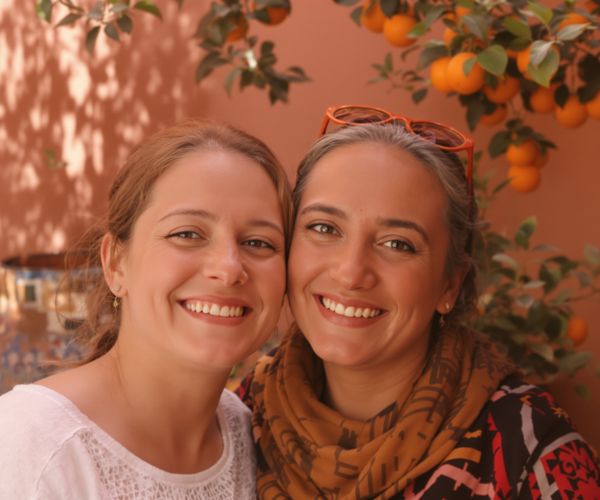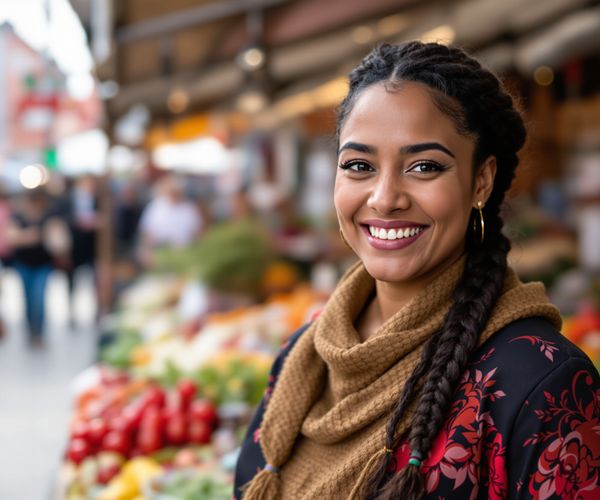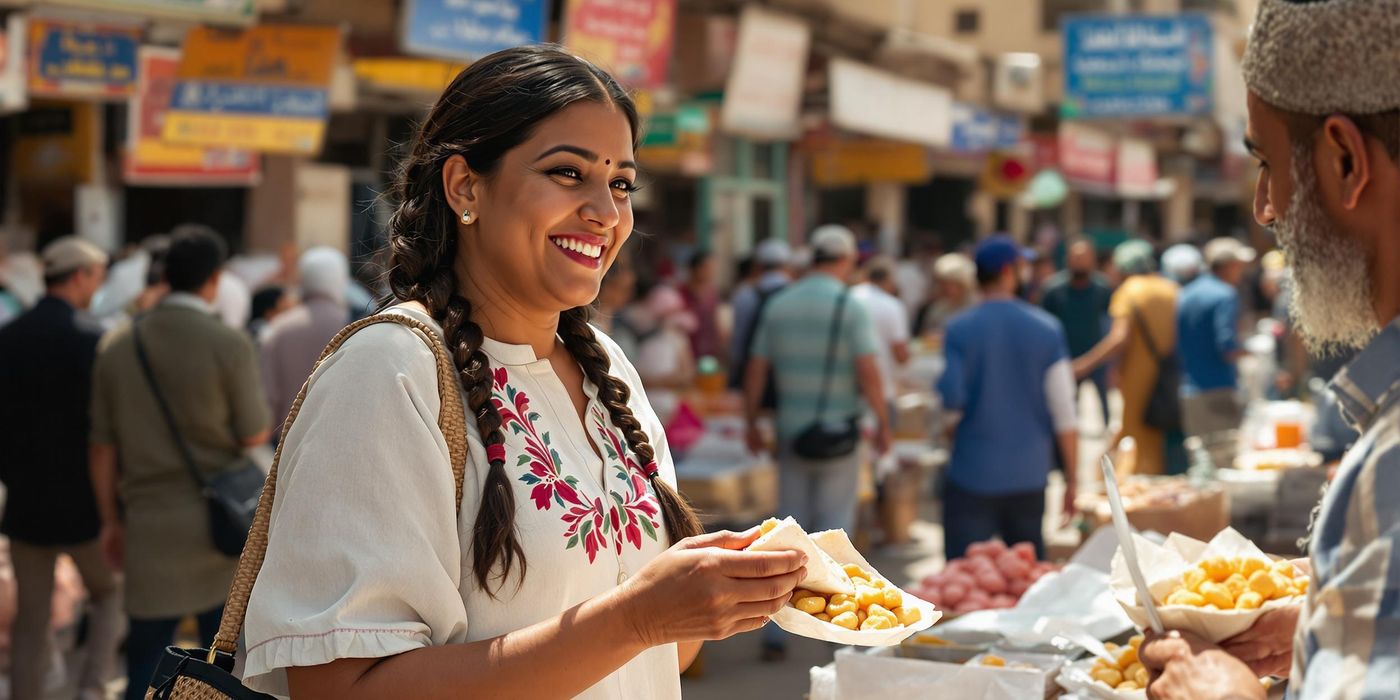
Hello, fellow travelers! It's Eman here, your guide to exploring the world one delicious bite at a time. As a cultural mediator and passionate foodie, I've always believed that food is more than just sustenance; it's a window into a culture's soul. Join me as we uncover the secrets to experiencing global flavors authentically on your adventures.
The Allure of Culinary Travel
Culinary tourism is booming, and for good reason! It's a fantastic way to deepen your understanding of different cultures. Food connects us to history, traditions, and the values of a community. Think about it: a simple dish can tell a story of migration, adaptation, and celebration.
Growing up in Egypt, food was always central to our family gatherings. The aromas, the shared plates, the boisterous conversations – these are my fondest memories. Now living in Germany, I see how food continues to bridge cultural gaps, offering a common ground for people from all walks of life. For example, sharing a traditional Egyptian Kushari with my German friends always sparks interesting conversations about its origins and the unique blend of flavors.
Finding Authentic Food Experiences
So, how do you find those truly authentic food experiences while traveling? First, step away from the tourist traps! Venture into local markets and neighborhoods. These are where the real culinary treasures are hidden. Don't be afraid to wander down side streets and explore where the locals eat.
One of the best ways to find hidden gems is to connect with locals. Ask for recommendations! Chat with shopkeepers, taxi drivers, or even fellow travelers who seem to have discovered something special. Their insights can lead you to the most unforgettable meals. In Egypt, I often ask the local fellahin (farmers) for their favorite spots, and they always point me to the most incredible, family-run eateries.
The Joy of Cooking Classes Abroad
Participating in a cooking class is an incredible way to immerse yourself in a new culture. You'll learn about local ingredients, cooking techniques, and the stories behind the dishes. It's a hands-on experience that goes beyond just tasting the food; you're actively involved in creating it.
When searching for cooking classes, look for reputable schools or instructors that offer hands-on experiences. Read reviews and ask about the class structure. Do they focus on traditional dishes? Do they cater to different skill levels? I've taken cooking classes in several countries, from making pasta in Italy to preparing tagines in Morocco. Each class has not only taught me new culinary skills but also provided invaluable cultural exchange.
Understanding Culinary Traditions
Food is deeply intertwined with culture, and understanding culinary traditions is key to respectful and meaningful travel. Dining customs can vary significantly from one culture to another. In some countries, eating with your hands is the norm, while in others, it's considered impolite. In some cultures, it is rude to not finish everything on your plate, while in others, it signifies that you are full and satisfied.
As a cultural mediator, I always emphasize the importance of being mindful of these differences. Before traveling to a new country, take some time to research their food traditions. Learn about any specific customs or etiquette rules. This small effort can go a long way in showing respect and building connections with locals. For example, in Germany, it's customary to offer a toast before drinking wine or beer, and making eye contact is considered polite.
Cooking at Home: Recreating Travel Flavors
One of the best ways to keep your travel memories alive is to recreate your favorite dishes at home. It's a fantastic way to relive the flavors and experiences of your adventures. Don't be afraid to experiment with flavors and techniques to create your own unique culinary creations.
Sourcing authentic ingredients can sometimes be a challenge, but it's part of the fun! Look for specialty stores or online retailers that offer ingredients from around the world. If you can't find a specific ingredient, don't be afraid to adapt the recipe to local ingredients. For example, if you can't find authentic Egyptian molokhia leaves, you can substitute with spinach or kale. One of my favorite dishes to make at home is Ful Medames, a traditional Egyptian breakfast of fava beans, which I often share with my family in Germany.
Explore global cuisines authentically. Discover local food scenes, cooking classes, and culinary traditions with insights from Eman, a cultural mediator.