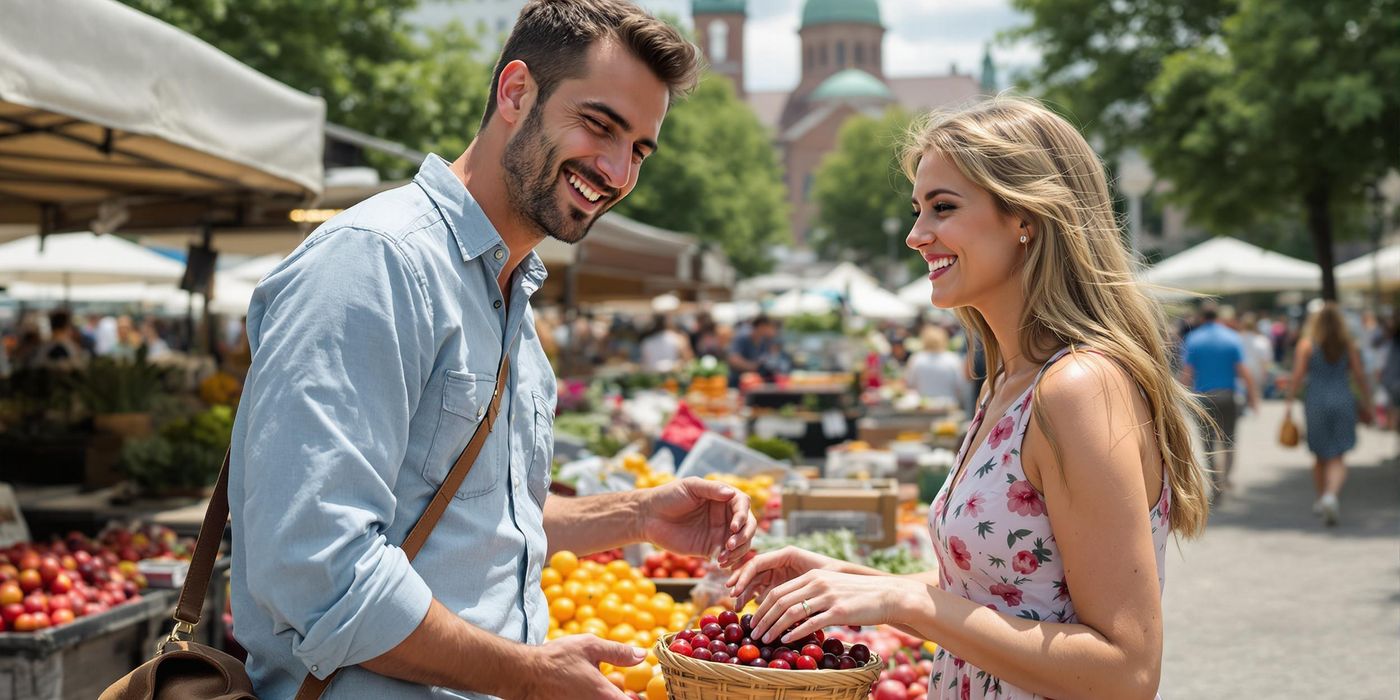
Hola, amigos! Juan here, ready to whisk you away on a culinary adventure around the globe. Forget those generic cookbooks – we're diving deep into authentic flavors, sustainable practices, and, most importantly, the stories behind the dishes. Inspired by my Chilean roots and travels with my lovely wife Klara and our son Mateo, I'm excited to share some of our favorite recipes and cooking tips. Get ready to tantalize your taste buds and embrace the joy of cooking!
A Chilean Staple: Empanadas de Pino
Growing up in Los Ángeles, Chile, empanadas de pino were more than just food; they were a symbol of family gatherings, fiestas patrias, and the warmth of home. Each bite is a memory, a connection to my heritage. Empanadas de pino are baked pastries filled with a savory mixture of ground beef, onions, olives, raisins, and hard-boiled eggs. The combination of sweet and savory is simply divine.
Here’s my family recipe, passed down through generations:
Ingredients:
- For the dough: 2 cups all-purpose flour, 1 tsp salt, ½ cup shortening, ½ cup cold water
- For the filling: 1 lb ground beef, 1 large onion (diced), ½ cup raisins, ½ cup black olives (pitted and halved), 2 hard-boiled eggs (quartered), 1 tsp cumin, 1 tsp paprika, salt and pepper to taste
- 1 egg, beaten (for egg wash)
Instructions:
- Prepare the dough: In a large bowl, mix flour and salt. Cut in shortening until the mixture resembles coarse crumbs. Gradually add cold water, mixing until the dough comes together. Wrap in plastic wrap and refrigerate for at least 30 minutes.
- Make the filling: In a large skillet, brown the ground beef over medium heat. Drain any excess fat. Add the diced onion and cook until softened. Stir in raisins, olives, cumin, paprika, salt, and pepper. Cook for another 5 minutes.
- Assemble the empanadas: Preheat oven to 375°F (190°C). Roll out the dough on a lightly floured surface and cut into circles. Place a spoonful of the beef mixture in the center of each circle. Add a quarter of a hard-boiled egg. Moisten the edges of the dough with water and fold over to form a half-moon shape. Press the edges to seal and crimp with a fork.
- Bake the empanadas: Place the empanadas on a baking sheet lined with parchment paper. Brush with beaten egg. Bake for 20-25 minutes, or until golden brown.
Tips for sourcing ingredients: I always try to find grass-fed ground beef from local farmers. The flavor is richer, and it supports sustainable agriculture. For the olives, look for Chilean Botija olives if you can find them – their unique flavor adds an authentic touch.
Variations: For a vegetarian option, replace the ground beef with lentils or a mixture of sautéed vegetables like mushrooms, zucchini, and bell peppers.
German Comfort Food: Kartoffelsalat (Potato Salad)
Living in Potsdam, Germany, has introduced me to a whole new world of flavors. One dish that quickly became a family favorite is Kartoffelsalat, or German potato salad. But here’s the thing: there are countless regional variations! Some are creamy with mayonnaise, while others are tangy with vinegar and broth.
Klara's family recipe is a testament to the latter, highlighting the simplicity and freshness of local ingredients. It's a staple at every German barbecue we attend!
Ingredients:
- 2 lbs potatoes (waxy varieties like Yukon Gold or fingerling), peeled and quartered
- 1 large onion, finely chopped
- ½ cup vegetable broth
- ¼ cup white wine vinegar
- 2 tbsp mustard (German mustard if possible)
- 2 tbsp vegetable oil
- Salt, pepper, and sugar to taste
- Fresh parsley, chopped (for garnish)
Instructions:
- Boil the potatoes: Place the potatoes in a large pot and cover with cold water. Bring to a boil and cook until tender but not mushy, about 15-20 minutes. Drain and let cool slightly.
- Prepare the dressing: While the potatoes are cooking, sauté the chopped onion in vegetable oil until translucent. Add the vegetable broth, white wine vinegar, and mustard. Bring to a simmer and season with salt, pepper, and a pinch of sugar to taste.
- Assemble the salad: Slice the potatoes while they are still warm and place them in a large bowl. Pour the warm dressing over the potatoes and gently toss to combine. Be careful not to mash the potatoes.
- Marinate: Let the potato salad marinate for at least 30 minutes, or preferably a few hours, to allow the flavors to meld together.
- Garnish and serve: Before serving, garnish with fresh parsley.
Tips for achieving the perfect balance: The key to a great German potato salad is the balance of vinegar, mustard, and sweetness. Start with the amounts listed in the recipe and adjust to your liking. Some people prefer a tangier salad, while others like it a bit sweeter.
Serving suggestions: Kartoffelsalat is the perfect side dish for grilled sausages, schnitzel, or roasted chicken. It’s also great on its own as a light lunch.
A Taste of Thailand: Green Curry
During our travels through Southeast Asia, Klara and I fell in love with Thai cuisine, especially green curry. The vibrant flavors, the aromatic spices – it was an explosion of culinary delight! We took a cooking class in Chiang Mai, where we learned to make green curry paste from scratch. It was an eye-opening experience that transformed our understanding of Thai food.
Here’s our version of the recipe, adapted from what we learned:
Ingredients:
- For the green curry paste: 2-3 green chilies (adjust to your spice preference), 1 stalk lemongrass (finely chopped), 1 inch galangal (peeled and sliced), 1 inch ginger (peeled and sliced), 4 cloves garlic, 1 shallot (chopped), 1 tsp coriander seeds, ½ tsp cumin seeds, ½ tsp turmeric powder, 1 tbsp fish sauce, 1 tbsp lime juice, kaffir lime leaves
- 1 tbsp coconut oil
- 1 can (13.5 oz) coconut milk
- 1 lb protein of your choice (chicken, tofu, shrimp, etc.), cut into bite-sized pieces
- Assorted vegetables (bell peppers, bamboo shoots, eggplant, green beans, etc.), cut into bite-sized pieces
- 1 tbsp fish sauce (or soy sauce for vegetarian option)
- 1 tbsp sugar (palm sugar if possible)
- Fresh basil leaves, for garnish
- Cooked rice, for serving
Instructions:
- Make the green curry paste: In a food processor or mortar and pestle, combine all the ingredients for the green curry paste. Grind until a smooth paste forms.
- Sauté the curry paste: Heat coconut oil in a large pot or wok over medium heat. Add the green curry paste and sauté for 2-3 minutes, until fragrant.
- Add coconut milk: Pour in the coconut milk and bring to a simmer. Stir well to combine.
- Add protein and vegetables: Add the protein of your choice and cook until nearly done. Add the vegetables and cook until tender-crisp.
- Season: Season with fish sauce (or soy sauce) and sugar. Adjust to your liking.
- Garnish and serve: Garnish with fresh basil leaves and serve hot with cooked rice.
Tips on sourcing authentic ingredients: Look for Asian grocery stores in your area. They usually have a wide selection of Thai ingredients like galangal, lemongrass, kaffir lime leaves, and Thai basil. If you can’t find fresh ingredients, you can use frozen or dried alternatives, but the flavor won’t be quite the same.
Sustainable sourcing: When buying coconut milk, look for brands that source their coconuts sustainably and support fair labor practices.
Sustainable Sourcing: Tips for the Eco-Conscious Cook
As a family, we are deeply committed to sustainable living. That’s why it’s so important to us to source our ingredients responsibly. Sustainable sourcing not only helps preserve culinary traditions but also protects the environment for future generations. Here are some tips for the eco-conscious cook:
- Find local and organic ingredients: Visit farmers' markets and local farms to find fresh, seasonal produce that is grown without harmful pesticides and herbicides.
- Reduce food waste: Plan your meals in advance, use leftovers creatively, and compost food scraps to minimize waste.
- Support local farmers and producers: By buying directly from local farmers, you’re supporting their livelihoods and helping to build a more sustainable food system.
- Look for sustainable seafood and meat options: Choose seafood that is certified by the Marine Stewardship Council (MSC) and meat that is raised on pasture and without antibiotics.
Family Cooking: Involving Kids in the Kitchen
Cooking with Mateo is one of our favorite family activities. It’s a great way to teach him about healthy eating habits, cultural traditions, and the importance of sustainability. Plus, it’s just plain fun!
Here are some tips for involving kids in the kitchen:
- Start with age-appropriate tasks: Younger children can help with simple tasks like washing vegetables, stirring ingredients, and measuring spices. Older children can take on more complex tasks like chopping vegetables, kneading dough, and following recipes.
- Make it fun: Turn cooking into a game by letting kids choose the ingredients, create their own recipes, or decorate cookies and cakes.
- Teach them about healthy eating habits: Use cooking as an opportunity to teach kids about the importance of eating fruits, vegetables, and whole grains. Explain how different foods nourish their bodies and help them grow strong.
- Encourage sustainable food choices: Talk to kids about where their food comes from and how it’s grown. Encourage them to choose sustainable options like local and organic produce.
Mateo's favorite recipe to help with is making mini pizzas using whole wheat pita bread, tomato sauce, cheese, and whatever veggies we have on hand. It's a simple, healthy, and fun meal that we can all enjoy together.
So, there you have it – a taste of our culinary adventures around the world. I hope these recipes and tips inspire you to get into the kitchen and start cooking! Remember, food is more than just sustenance; it’s a way to connect with cultures, create memories, and nourish your body and soul. ¡Buen provecho!
Join Juan on a global culinary journey! Discover authentic recipes, sustainable tips, and the joy of family cooking. From Chilean empanadas to Thai green curry, explore diverse flavors.