Cultural festivals are more than just colorful events; they're vibrant expressions of a community's soul. As someone who's always been drawn to the heart of local traditions, I, Juan Diaz, have found that immersing myself in these celebrations offers a unique window into different cultures. From the lively streets of Valparaíso during the Carnaval to the serene rituals of Diwali, festivals have a way of connecting us to the world and to each other. But navigating these cultural landscapes requires a certain level of awareness and respect. So, let's explore how to make the most of these experiences while honoring the traditions that make them so special.
Understanding the Significance of Cultural Festivals
Cultural festivals are powerful expressions of a community's identity, beliefs, and history. They serve as a living tapestry, weaving together stories, rituals, and customs passed down through generations. These festivals aren't just for locals; they offer travelers like us an unparalleled opportunity to connect with the heart and soul of a place. By participating, we gain insights into the values, social structures, and historical narratives that shape a community.
Moreover, festivals play a crucial role in preserving cultural heritage. They provide a platform for showcasing traditional arts, music, dance, and cuisine, ensuring that these elements are kept alive and passed on to future generations. They act as a bridge between the past and the present, fostering a sense of continuity and pride within the community. For example, the Dia de los Muertos in Mexico is not only a remembrance of loved ones but also a vibrant display of indigenous traditions that have survived for centuries.
Pre-Festival Research: Learning Before You Go
Before diving headfirst into a cultural festival, it's essential to do your homework. Researching the festival's history, values, and traditions can significantly enhance your experience and help you avoid unintentional cultural faux pas. Start by consulting authoritative sources such as academic articles, museum websites, and cultural organizations. These resources can provide valuable background information and context.
Engaging with locals is another excellent way to gain a first-hand perspective. Reach out to people who have personal experience with the festival, whether through online forums, social media groups, or local contacts. Ask them about the event's significance, what to expect, and any customs or etiquette to be aware of. However, be mindful of stereotypes and misconceptions. Not everything you read or hear may be accurate, so it's crucial to approach the information with a critical eye and seek diverse perspectives.
Respectful Participation: Engaging with Awareness
When participating in festival activities, approach everything with respect and a genuine desire to learn. Avoid treating the festival as merely a photo opportunity or a backdrop for your social media feed. Instead, focus on understanding the meaning behind the rituals, performances, and customs. Engage with the event on a deeper level by asking questions, listening attentively, and showing genuine interest.
Be particularly mindful of sacred spaces and spiritual elements. Many cultural festivals have religious roots or incorporate religious practices. Respect these aspects by observing any rules or guidelines, such as removing your shoes before entering a temple or refraining from taking photographs during a religious ceremony. Remember that these are not just tourist attractions; they are deeply meaningful experiences for the local community.
Appropriate Attire: Dressing with Cultural Sensitivity
What you wear can speak volumes about your respect for a culture. In many cultural festivals, modest attire is highly valued. Before you pack your bags, research the local dress codes and customs. In some cultures, it may be appropriate to cover your shoulders and knees, while in others, specific colors or garments may be reserved for certain occasions or groups.
For instance, when visiting temples in Southeast Asia, it's customary to dress modestly, covering your shoulders and knees. Similarly, in some Islamic countries, women may be expected to wear a headscarf in certain settings. By adapting to local dress norms, you demonstrate your understanding and respect for cultural values.
Mindful Interaction: Engaging with Locals
Interacting with locals is an integral part of experiencing a cultural festival. Approach these interactions with respect, sensitivity, and a genuine desire to connect. Start by learning a few basic phrases in the local language, such as greetings, thank you, and please. Even a small effort to communicate in their language can go a long way in building rapport and showing your appreciation.
Participate in festival activities with genuine interest, avoiding stereotypes or assumptions. Engage in conversations with locals, asking open-ended questions about their experiences, traditions, and perspectives. Be mindful of your body language and avoid gestures or expressions that may be considered offensive or disrespectful in their culture.
Photography Etiquette: Capturing Memories Respectfully
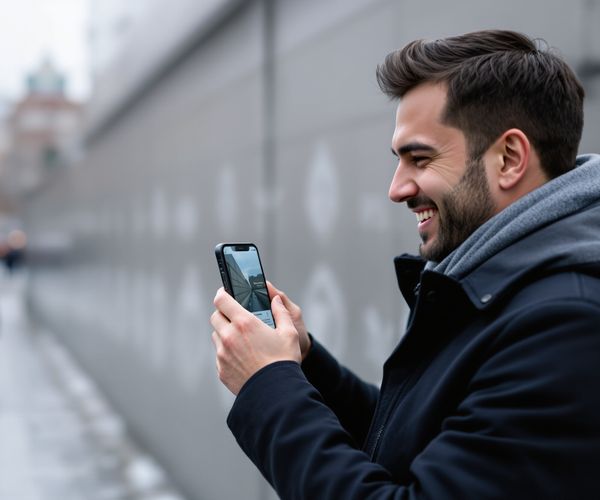
While capturing memories is a natural part of traveling, it's crucial to be mindful of cultural boundaries and photography restrictions. Before you start snapping photos, take a moment to assess the situation and consider whether it's appropriate to take pictures. In some cases, photography may be prohibited altogether, especially in sacred spaces or during religious ceremonies.
Always seek permission before photographing individuals, especially in private or significant contexts. Approach people with a friendly smile and explain why you'd like to take their picture. If they decline, respect their wishes and refrain from taking the photo. Avoid intrusive shots or capturing sacred ceremonies without consent, as this can be deeply disrespectful.
Supporting the Community: Contributing to Local Well-being
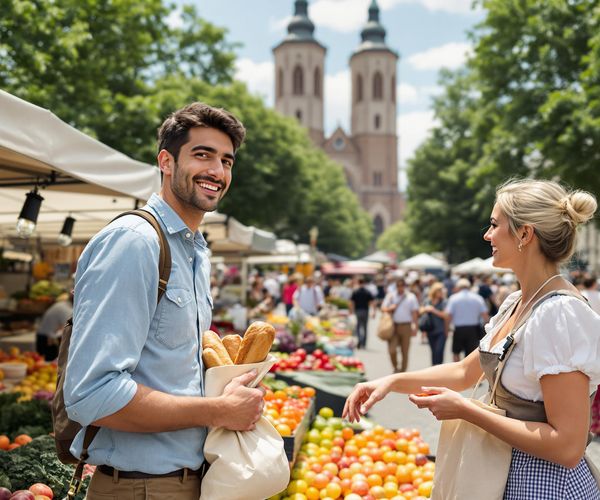
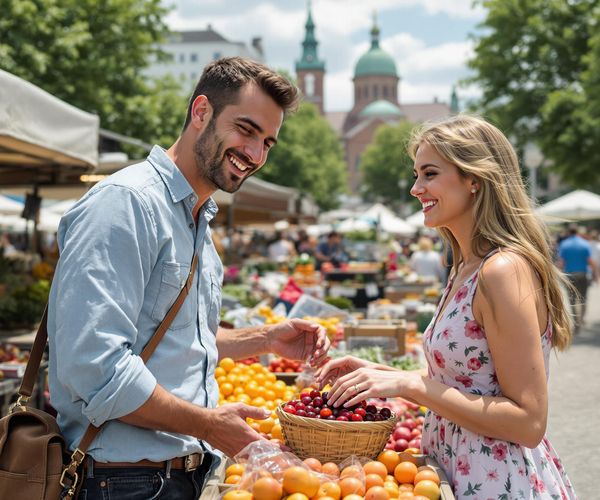
Attending a cultural festival presents an excellent opportunity to support the local community and contribute to their well-being. One of the most direct ways to do this is by buying local products and crafts. Look for unique souvenirs and handmade items that reflect the region's culture and traditions. By purchasing directly from artisans, you help support their livelihoods and preserve traditional skills.
Additionally, show respect for traditional food and cuisine by patronizing local restaurants and vendors. Sample regional specialties and be open to trying new flavors and ingredients. This not only supports local farmers and food producers but also allows you to experience the culture through its culinary heritage.
Avoiding Cultural Appropriation: Celebrating Authentically
Cultural appropriation is the act of adopting elements of a culture that is not your own, often without understanding or respecting their original context. This can be deeply offensive and disrespectful, especially when it involves sacred or culturally significant items. Avoid using sacred items as costumes or trivializing cultural elements for your own amusement.
Instead, focus on appreciation and learning from other cultures with mindfulness and respect. Educate yourself about the history and significance of cultural practices before engaging with them. Avoid making assumptions or perpetuating stereotypes. By approaching cultural exchange with humility and a genuine desire to understand, you can celebrate authentically without causing harm.
Being Mindful of Personal Space and Crowd Behavior
Navigating crowded festivals requires awareness and consideration for others. Be conscious of your movements and avoid rushing or pushing, especially in confined spaces. Respect personal space by keeping a reasonable distance from others and avoiding physical contact unless it's culturally appropriate. Be mindful of local customs regarding physical interactions and avoid gestures that may be considered offensive.
In some cultures, physical contact may be more common and accepted, while in others, it may be seen as intrusive. Pay attention to the cues of those around you and adapt your behavior accordingly. By being mindful of personal space and crowd behavior, you contribute to a safer and more comfortable environment for everyone.
A guide to experiencing and enjoying cultural festivals, inspired by Juan's love for local events, highlighting respectful participation and cultural appreciation.