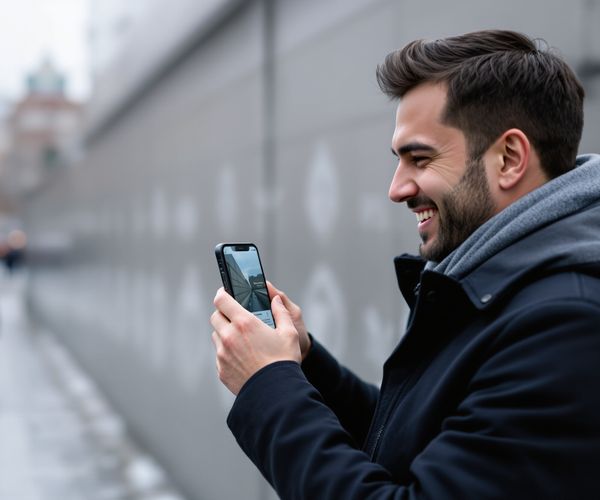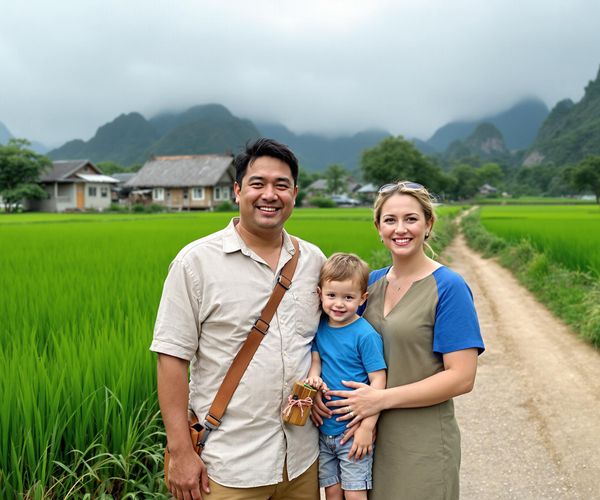
As a Chilean expat living in Potsdam, Germany, with my German wife Klara and our son Mateo, I've come to realize that travel is more than just ticking off landmarks. It's about connecting with people, understanding cultures, and creating lasting memories. And in my experience, the key to unlocking these authentic experiences lies in learning the local language.
A Bridge to Authentic Experiences
Knowing even a few phrases in the local language can transform your trip from a superficial sightseeing tour into a genuine cultural exchange. It allows you to move beyond the typical tourist traps and venture into the heart of the community.
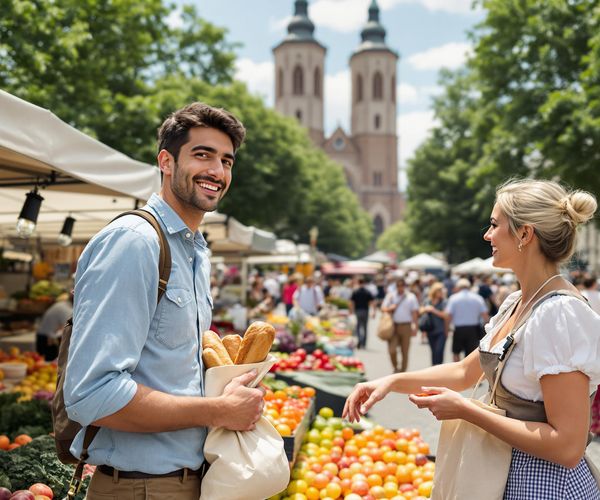
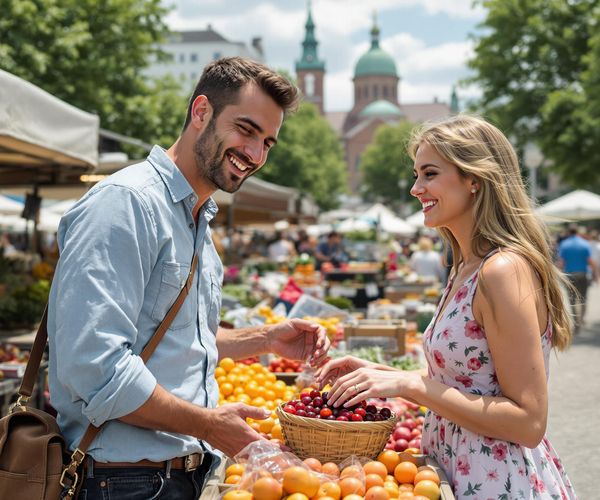
I remember once, while traveling through a remote village in Chile, my ability to speak Spanish (my native language, of course!) allowed me to connect with a local artisan. We spent hours discussing his craft, his family, and his life. It was an experience I would have completely missed if I hadn't been able to communicate with him directly. And during our travels with Klara, even my basic German has helped us navigate local markets and connect with vendors in a way that wouldn't have been possible otherwise.
Even simple phrases like "Hola, ¿cómo está?" (Hello, how are you?) in Spanish or "Guten Tag, wie geht es Ihnen?" (Good day, how are you?) in German can open doors and create opportunities for meaningful interactions. People appreciate the effort you make to speak their language, and it shows respect for their culture.
Cultural Immersion and Understanding
Language is intrinsically linked to culture. It's the vehicle through which traditions, values, and customs are passed down from generation to generation. By learning a language, you gain a deeper understanding of the culture it represents.
Understanding the language allows you to appreciate the local humor, songs, and cultural nuances that would otherwise be lost in translation. It's like having a secret decoder ring that unlocks the hidden meanings behind everyday interactions.
Cultural immersion is a powerful tool for language learning. The more you immerse yourself in the culture, the easier it is to pick up the language. And the more you learn the language, the more deeply you can immerse yourself in the culture. It's a virtuous cycle that enriches your travel experience immeasurably.
Practical Advantages and Increased Independence
Beyond the cultural benefits, knowing the local language offers numerous practical advantages. It makes it easier to navigate unfamiliar streets, order food in restaurants, and shop in local markets.
Imagine trying to order a vegetarian meal in a country where you don't speak the language. Knowing a few basic phrases can save you from accidentally ordering a dish with meat or seafood. Or picture yourself getting lost in a bustling city. Being able to ask for directions in the local language can get you back on track quickly and efficiently.
Language skills foster independence and confidence while exploring new destinations. You're less reliant on tourist guides and translators, and you're free to explore at your own pace. Some essential phrases to quickly learn are greetings like hello and goodbye, courtesies such as please and thank you, dining phrases like I would like to order… and directions such as “where is…?”.
Building Connections and Relationships
One of the most rewarding aspects of learning a local language is the opportunity to build stronger relationships with the people you meet. When you make an effort to speak their language, locals are more likely to open up to you and share their stories.
Locals appreciate the effort made by travelers to learn their language, making them more willing to offer assistance and share their culture. These genuine interactions can lead to lasting friendships and unforgettable memories.
I’ve found that even a clumsy attempt to speak the local language is often met with smiles and encouragement. People are usually happy to help you learn, and they appreciate your willingness to try. I recall many instances in Potsdam where locals patiently helped me navigate the complexities of German grammar, simply because I showed a genuine interest in learning their language.
Avoiding Misunderstandings and Staying Safe
Knowing the local language can also help you avoid misunderstandings and potential problems during your travels. It can be especially helpful in emergency situations or when seeking assistance.
Imagine you need to report a lost passport or seek medical attention. Being able to communicate your needs clearly in the local language can make a huge difference in getting the help you need. Basic language skills can aid in navigating unfamiliar situations and ensuring personal safety.
Even knowing how to say "I need help" or "Where is the nearest hospital?" can be a lifesaver in an emergency. It's a small investment that can provide a significant return in terms of safety and peace of mind.
Effective Language Learning Techniques for Travelers
So, how can travelers with limited time learn a new language? Fortunately, there are many practical language learning methods available.
Language learning apps like Duolingo and Babbel are a great way to learn basic vocabulary and grammar. Phrasebooks can be useful for learning essential phrases for specific situations. Online resources like language learning websites and YouTube channels offer a wealth of free lessons and tutorials.
Engaging with native speakers is another effective way to learn a language. Look for language exchange meetups, attend local events, or take a guided tour in the local language. And don't be afraid to strike up conversations with locals in cafes, markets, or parks.
Incorporate language learning into your daily routine by listening to local music, watching movies with subtitles, and reading local media. The more you expose yourself to the language, the faster you'll learn. Learning a new language should be an enjoyable process. Find methods that suit your learning style and make it fun!
Unlock authentic travel experiences by learning local languages. Connect with cultures, navigate with ease, and build lasting relationships. Start your linguistic journey today!