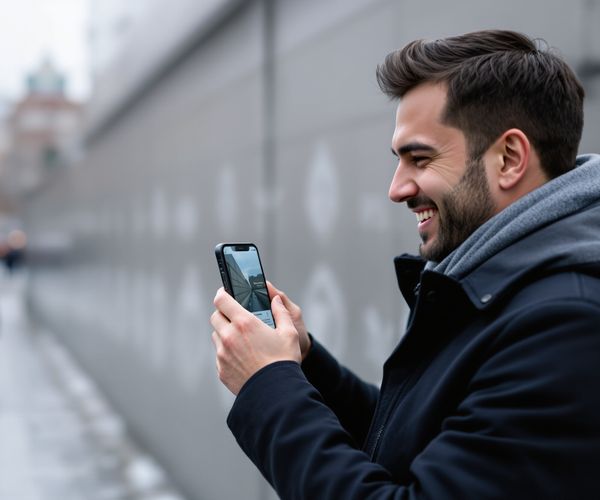
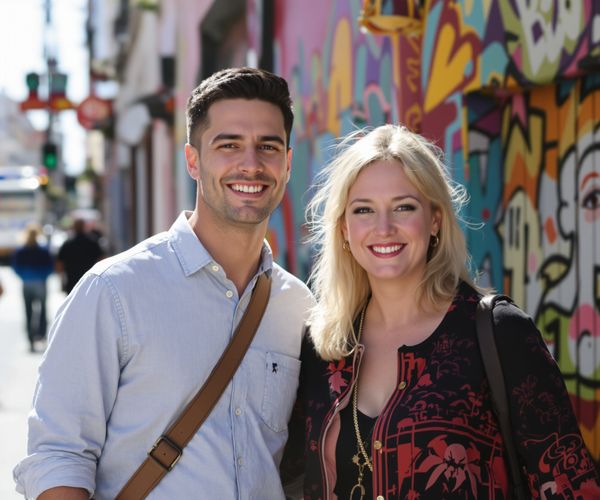
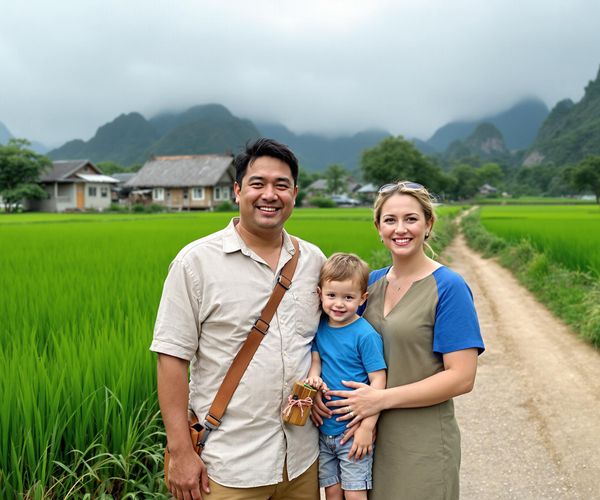
Hola, amigos! Juan here, ready to whisk you away on a journey far removed from the whirlwind of typical tourism. Forget the frantic pace, the checklist mentality, and the superficial snapshots. Today, we're diving headfirst into the world of slow travel – a philosophy near and dear to my heart, and one that I believe can transform the way we experience our beautiful planet.
The Essence of Slow Travel
What exactly is slow travel? It’s more than just taking a leisurely vacation. It's a conscious decision to immerse yourself fully in a destination. It’s about savoring the moments, connecting with the local culture, and allowing yourself to be truly present in a new environment. Think of it as the antithesis of fast travel, where the goal is to tick off as many sights as possible in the shortest amount of time. Slow travel is about depth over breadth, connection over consumption, and genuine experiences over manufactured attractions.
For me, it's about swapping the crowded tour bus for a leisurely bike ride through the countryside, or trading a rushed museum visit for a conversation with a local artisan. It's about shifting the focus from simply seeing places to truly experiencing them.
Why Slow Travel is Gaining Momentum
In today's hyper-connected world, there's a growing yearning for authenticity. People are craving experiences that go beyond the surface, that offer a genuine connection to a place and its people. This desire for authentic and immersive experiences is a key driver behind the rise of slow travel. More and more, travelers are realizing that rushing through a destination leaves them feeling empty and disconnected.
Beyond the personal fulfillment, slow travel aligns beautifully with sustainable tourism principles. It encourages us to be mindful of our environmental impact and to support local communities. We're becoming increasingly aware of the carbon footprint of our travels and the need to make responsible choices. Flying less, staying longer, and supporting local businesses are all ways that slow travel contributes to a more sustainable world.
And let's not forget the impact on our mental health! Slowing down reduces stress and allows us to truly unwind. In our fast-paced lives, the opportunity to disconnect from the digital world and reconnect with ourselves and our surroundings is invaluable.
Planning a Slow Travel Itinerary
So, how do you actually plan a slow travel adventure? It starts with choosing destinations that offer opportunities for cultural immersion and connection with local communities. Think beyond the major tourist hubs and consider smaller towns, rural areas, or regions with a strong cultural identity. My wife, Klara, always looks for places with unique architecture, reflecting her passion, while I search for locations that connect back to my Chilean heritage, even if subtly.
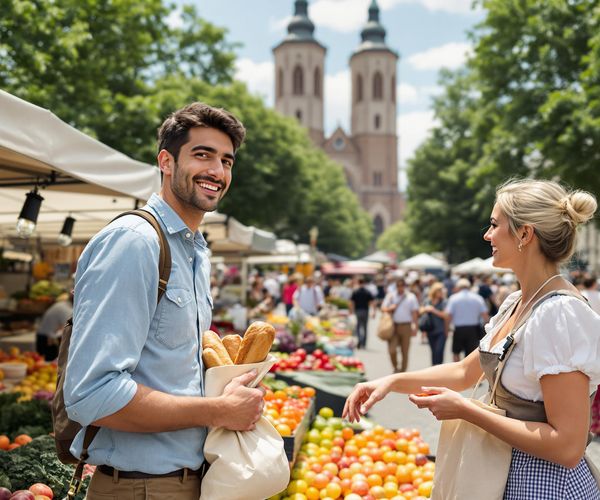
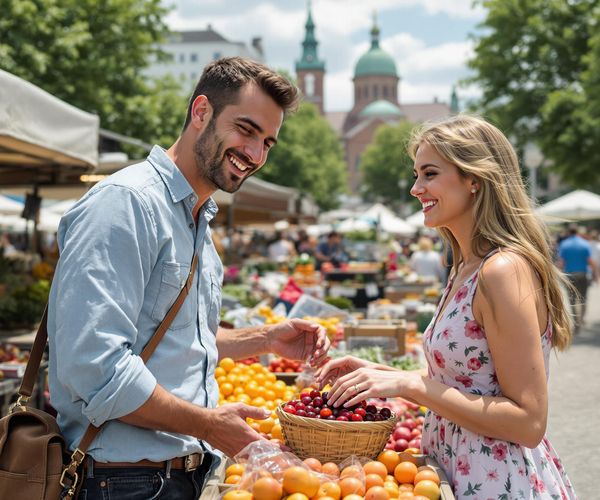
The key is to plan longer stays in fewer places. Resist the urge to hop from city to city every few days. Instead, settle into a location for a week or more, allowing yourself time to explore at a relaxed pace. Choose eco-friendly accommodations, such as guesthouses or locally owned hotels, and make a conscious effort to support local businesses. Eat at family-owned restaurants, shop at local markets, and engage with local artisans. This not only benefits the community but also enriches your own experience.
And don't forget about transportation! Utilize local transportation options, such as trains, buses, or bicycles, to minimize your environmental impact and to experience the destination like a local.
Immersive Experiences to Embrace
The heart of slow travel lies in immersive experiences. Engage with local communities through cultural events, festivals, and workshops. Take a cooking class and learn to prepare traditional dishes, or participate in a local craft workshop and learn a new skill. These experiences offer a unique window into the local culture and provide opportunities to connect with people on a deeper level.
Learning a few phrases in the local language can go a long way in facilitating deeper connections. Even a simple “hola” or “gracias” can open doors and show respect for the local culture. And don't be afraid to strike up conversations with locals! Ask them about their lives, their traditions, and their favorite places in the area. You might be surprised by the stories you hear and the friendships you forge.
Participating in activities that promote cultural exchange and understanding is also a great way to immerse yourself in a new culture. Volunteer at a local organization, attend a community event, or simply spend time observing daily life in a local neighborhood.
Sustainable Practices for Slow Travelers
As slow travelers, we have a responsibility to minimize our impact on the environment. One of the most significant ways to do this is by reducing our carbon footprint. Whenever possible, choose trains or buses over flights. These modes of transportation are not only more environmentally friendly but also offer a more scenic and relaxing way to travel.
Packing light is another simple way to reduce fuel consumption. The heavier your luggage, the more fuel is required to transport it. Bring only what you need and consider using reusable travel-sized containers for toiletries.
And don't forget the basics: use reusable water bottles and shopping bags to minimize waste. Say no to single-use plastics and opt for eco-friendly alternatives whenever possible. When shopping, choose locally made products and support businesses that prioritize sustainability.
Consider offsetting your carbon emissions by supporting environmental projects. Many organizations offer carbon offsetting programs that invest in renewable energy or reforestation projects.
The Transformative Power of Slow Travel
Slow travel is more than just a way to see the world; it's a way to connect with it. It fosters a greater appreciation for different cultures and ways of life, broadening our perspectives and challenging our assumptions. It allows us to see the world through new eyes and to develop a deeper understanding of ourselves and our place in it.
The immersive experiences that are at the heart of slow travel have the potential to spark personal growth and self-discovery. By stepping outside of our comfort zones and embracing new challenges, we can learn new things about ourselves and develop new skills. We can gain a greater sense of confidence, resilience, and adaptability.
And let's not forget the lasting memories and meaningful connections that result from slow travel. The conversations we have with locals, the friendships we forge, and the experiences we share will stay with us long after we return home. These are the memories that truly enrich our lives and shape who we are.
Ultimately, slow travel has a positive impact on local communities and the environment. By supporting local businesses, minimizing our environmental impact, and engaging with local cultures, we can contribute to a more sustainable and equitable world. So, next time you're planning a trip, consider embracing the slow travel philosophy. You might be surprised by the transformative power it holds!
Discover the art of slow travel and its transformative impact on your journeys. Immerse yourself in local cultures, embrace sustainable practices, and create lasting memories.