As a family, we're always looking for ways to minimize our impact while exploring the world. From the Brandenburg countryside to the vibrant streets of Chile, every journey is an opportunity to learn and make better choices. Join me as I share some eco-friendly travel tips that have become essential to our adventures, helping us leave a positive footprint wherever we go.
Choosing Sustainable Accommodation: More Than Just a Bed
When planning a trip, accommodation is one of the first things we consider. But beyond comfort and convenience, it's crucial to think about the environmental impact. Choosing eco-friendly hotels, guesthouses, or rentals can make a significant difference.
Look for certifications like Green Key or LEED. These labels indicate that the property adheres to specific environmental standards, such as water conservation, waste reduction, and energy efficiency. But don't just rely on certifications. Do your own research! Check the property's website for information on their sustainability practices. Do they use renewable energy? Do they have a recycling program? Are they involved in any local conservation efforts?
I remember a trip we took to the Brandenburg countryside a few years ago. We stayed at a small, family-run guesthouse that was committed to sustainability. They had solar panels on the roof, a rainwater harvesting system, and a garden where they grew their own vegetables. It wasn't just a place to sleep; it was an experience that deepened our appreciation for sustainable living. Mateo even helped water the garden!
Packing Light and Smart: Reducing Your Carbon Footprint Before You Even Leave
Packing light is not just about convenience; it's about reducing your carbon footprint. The heavier your luggage, the more fuel the plane (or train, or car) needs to transport it. So, before you start packing, ask yourself: Do I really need this?
Invest in essential eco-friendly travel items. A reusable water bottle is a must-have to avoid single-use plastics. Bamboo cutlery and solid toiletries are also great options. Solid toiletries minimize plastic use and are less likely to leak in your bag.
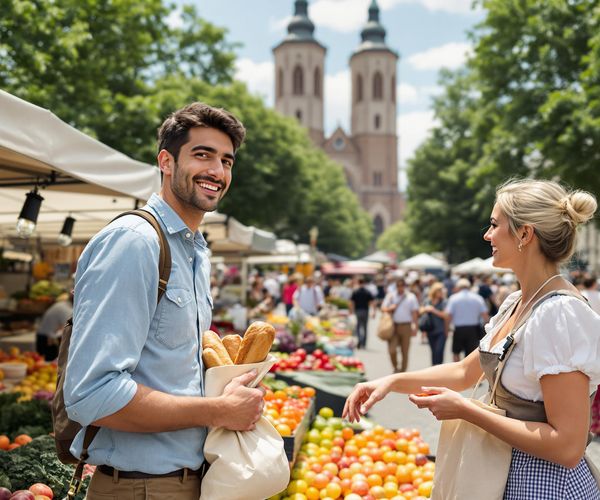
Think about the environmental impact of fast fashion. Choose durable, versatile clothing items that you can mix and match. This not only reduces waste but also saves you money in the long run. And don't forget to pack items that support local economies at your destination, such as a reusable shopping bag. We always bring a couple of sturdy bags to avoid using plastic bags at markets.
Transportation Choices: Navigating the World Responsibly
Once you arrive at your destination, think about how you'll get around. Whenever possible, choose public transportation, cycling, or walking. These options are not only more eco-friendly but also offer a more authentic travel experience.
Flying has a significant carbon footprint compared to other modes of transport like trains or buses. If you must fly, consider offsetting your carbon emissions. Many airlines offer carbon offsetting programs, or you can donate to a reputable environmental organization.
Living in Potsdam, we're fortunate to have an excellent public transport system. We often take the tram or bus to explore the city and its surroundings. Cycling is also a great option, with plenty of bike-friendly routes. These small choices add up and make a big difference.
Supporting Local Economies: A Win-Win for Travelers and Communities
One of the most rewarding aspects of travel is connecting with local communities. By buying local products and services, you're not only supporting the local economy but also getting a more authentic cultural experience.
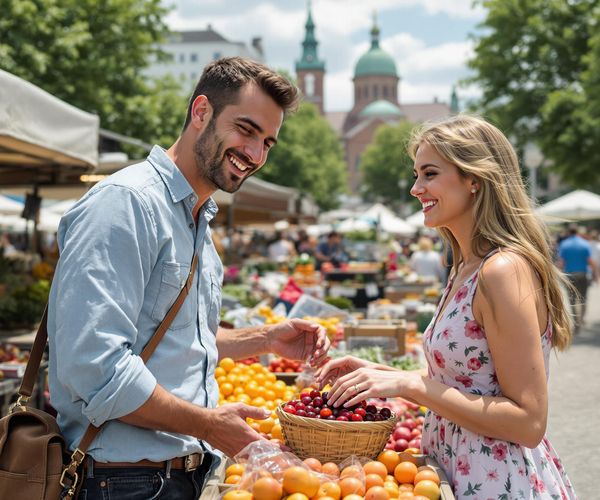
Eat at local restaurants, shop at local markets, and stay at locally owned accommodations. These choices help to ensure that your money stays within the community. Also, remember to respect local customs and traditions. Learn a few basic phrases in the local language and be mindful of cultural norms.
During a trip to Chile, I had the opportunity to meet a local artisan who was making beautiful pottery using traditional techniques. Buying his work was not just a transaction; it was a meaningful interaction that enriched my understanding of Chilean culture. It's these kinds of experiences that make travel so special.
Minimizing Waste: Reducing, Reusing, and Recycling on the Go
Traveling can generate a lot of waste, from single-use plastics to food packaging. But with a little planning, you can minimize your impact. Refuse single-use plastics whenever possible. Carry a reusable water bottle, coffee cup, and shopping bag. Pack snacks in reusable containers to avoid buying packaged snacks on the go.
Be mindful of proper waste disposal and recycling in different destinations. Recycling systems vary from country to country, so it's important to understand the local rules. If you're not sure, ask a local for guidance.
Get creative with repurposing items while traveling. A scarf can be used as a blanket, pillow, or even a makeshift bag. An empty jar can be used to store leftovers or as a container for homemade toiletries.
My wife, Klara, is an architect specializing in sustainable housing. Her work has greatly influenced my views on waste reduction and sustainable design. She's always finding innovative ways to repurpose materials and minimize waste in her projects. Her passion for sustainability is contagious, and it inspires me to be more mindful of my own impact.
Explore the best practices for reducing your carbon footprint while traveling, from choosing sustainable accommodations to supporting local economies.