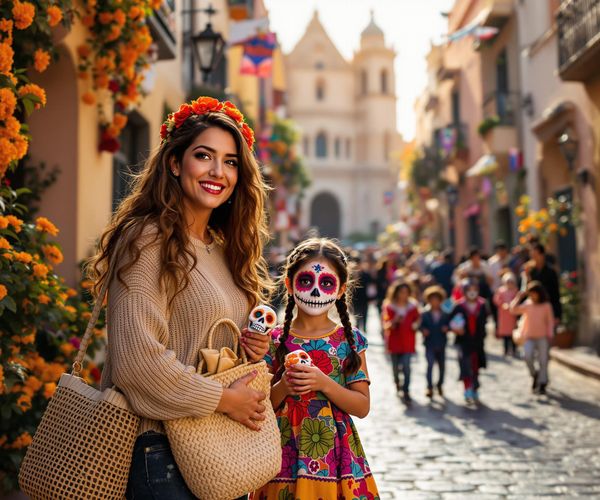

As a travel blogger, I've learned that the most enriching journeys are a dance between meticulous planning and embracing the unexpected. It's about crafting an itinerary that serves as a trusty map, while leaving space for those delightful detours that often become the heart of the adventure. It's a philosophy I've honed over years of exploring the world, from the ancient ruins of my native Mexico to the charming cobblestone streets of my adopted home in Germany.
Embracing the Dual Nature of Travel Planning
Travel, at its core, is an exploration of the unknown. While spontaneity can lead to incredible discoveries, a well-thought-out itinerary provides a solid foundation for any trip. It's the bedrock upon which unexpected adventures can be built. I'm Maria de la Cruz, and my Mexican heritage, combined with my life in Germany, has instilled in me a unique approach to travel: structured yet open, planned yet spontaneous. This blend allows my family—Hans, my German husband, and Sofia, our curious daughter—and me to experience the best of both worlds.
Laying the Foundation: The Structured Itinerary
Before any trip, the essential elements—flights and accommodations—need to be secured. This provides a framework around which the rest of the adventure can unfold. My research process is thorough, involving travel guides, blogs, and local resources. I immerse myself in the destination, seeking out the 'must-see' attractions and activities. These become the anchors of our itinerary, ensuring we don't miss out on key experiences. For example, before a trip to Rome, securing tickets to the Colosseum and Vatican City is a priority.
Prioritizing Activities: Maria's Method
Identifying and prioritizing activities is a crucial step. I consider everyone's interests. As a family, we share a love for history, cultural anthropology, and, of course, photography. I weave these interests into our itinerary, ensuring there's something for everyone. Involving Hans and Sofia in the planning process is essential. Sofia might want to visit a specific museum, while Hans is always keen on finding local breweries. Their input shapes the journey.
The Art of Flexibility: Leaving Room for Spontaneity
The real magic happens when you leave room for the unexpected. I always build 'buffer time' into our itinerary. This allows for those unplanned detours, a leisurely coffee break at a charming cafe, or an impromptu visit to a local market. Free days or loosely planned afternoons are vital for spontaneous exploration. Talking to locals is my favorite way to discover hidden gems. Travel apps can also be invaluable for finding local experiences.
Tools and Techniques for Itinerary Planning
Over the years, I've honed my itinerary planning process with specific tools. Google Maps is essential for mapping out routes and estimating travel times. Travel apps help me discover local events and restaurants. I also rely on spreadsheets to track reservations and create flexible daily schedules. Digital packing lists are a lifesaver, ensuring we're prepared for all types of weather and activities.
Real-Life Examples: Maria's Itinerary Successes
Our trip to Kyoto, Japan, perfectly illustrates the benefits of balancing structure and flexibility. We had planned visits to the Golden Pavilion and Fushimi Inari Shrine, but it was an unplanned detour through a local tea garden that became the highlight of our trip. We stumbled upon a traditional tea ceremony and gained a deeper understanding of Japanese culture. On another occasion, while traveling through the Scottish Highlands, unexpected road closures forced us to reroute our journey. This led us to a charming village we wouldn't have otherwise discovered, where we enjoyed a memorable evening of traditional music and local cuisine.
Adapting to Different Travel Styles
The balance between structure and flexibility should be adjusted based on the type of trip. A family vacation requires more structure to cater to everyone's needs, while a solo adventure allows for greater spontaneity. When traveling with Sofia, I focus on activities that engage her interests, such as visiting interactive museums or participating in local workshops. When traveling solo with Hans, we might opt for more adventurous activities, like hiking or exploring off-the-beaten-path destinations. Itineraries should also be adapted to the destination, considering factors like local culture and infrastructure. A trip to a bustling city like Mumbai requires more detailed planning than a relaxing beach vacation in the Maldives.
Crafting the perfect travel itinerary involves balancing structured plans with the freedom for spontaneous adventures. Learn how to create flexible itineraries that lead to unforgettable experiences.