As a Mexican now living in Germany, I've come to appreciate the beauty of experiencing a place deeply, rather than rushing through a checklist of sights. Slow travel isn't just a trend; it's a philosophy that has enriched my life and travels in countless ways. Join me as I share my experiences and insights into the world of slow travel, and perhaps inspire you to embark on your own journey of mindful exploration.
Embracing the Essence of Slow Travel
Slow travel is about prioritizing quality over quantity. It's a conscious decision to move away from jam-packed itineraries and embrace a more deliberate and immersive way of exploring the world. Instead of trying to see everything, you focus on truly experiencing a place, connecting with its culture, its people, and its landscapes.
This shift from hurried itineraries to mindful exploration allows you to savor each moment, to appreciate the small details that often get overlooked when you're rushing from one landmark to the next. It's about slowing down enough to notice the aroma of freshly baked bread wafting from a local bakery, to hear the laughter of children playing in a park, and to feel the warmth of the sun on your skin.
For me, the heart of slow travel lies in forging genuine connections. It's about engaging with local cultures in a meaningful way, whether it's through conversations with residents, participation in local traditions, or simply observing daily life.
Deeper Connections and Cultural Immersion
One of the most rewarding aspects of slow travel is the opportunity to form meaningful relationships with the people you meet along the way. I remember when my family and I spent a month in a small village in Tuscany. We weren't just tourists; we became part of the community. We shopped at the local markets, shared meals with our neighbors, and even helped with the grape harvest. These experiences taught us so much about Italian culture and created lasting bonds that we still cherish today.
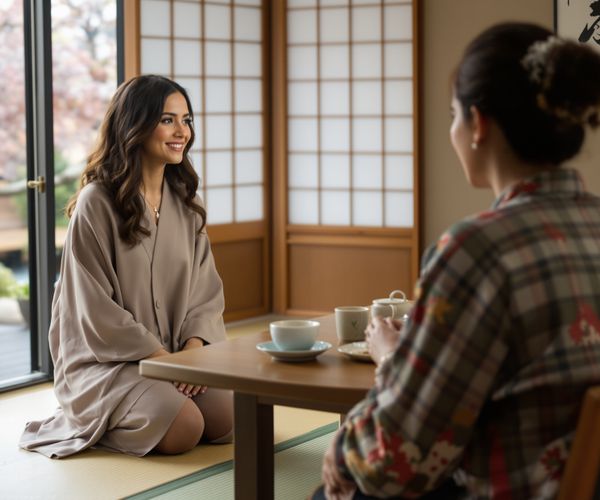
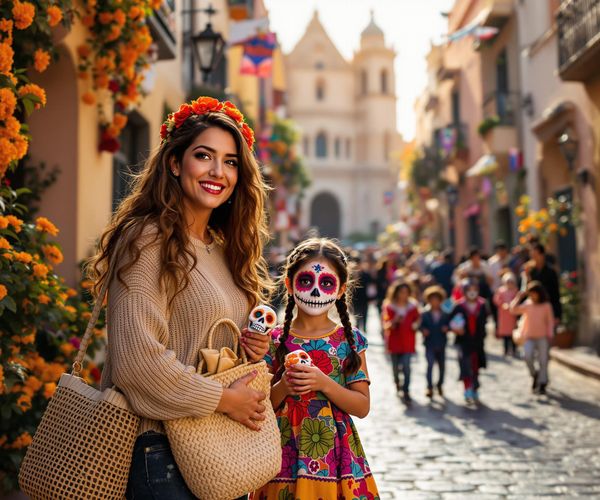
Engaging with local traditions, like taking a cooking class in Marrakech or participating in an artisan workshop in Oaxaca, enriches your travel experiences in profound ways. These activities provide insights into the history, values, and customs of a place, allowing you to connect with its soul.
Learning even a few basic phrases of the local language can significantly enhance your interactions with people. It shows respect and a willingness to connect, opening doors to conversations and experiences that you might otherwise miss. I've found that even a simple “Hola” or “Guten Tag” can go a long way in building rapport and creating memorable moments.
Sustainable and Responsible Tourism
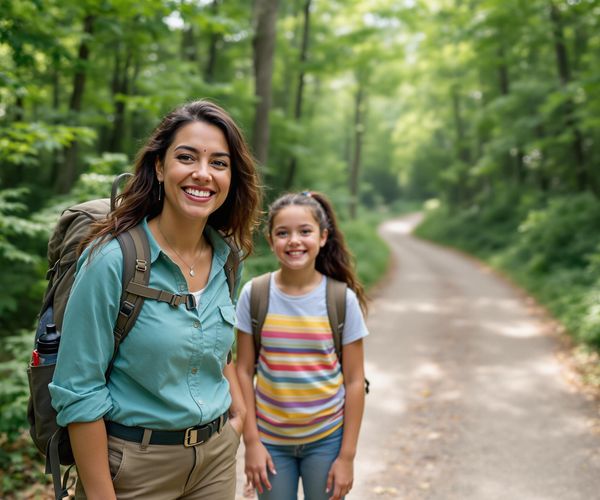
Slow travel naturally lends itself to sustainable and responsible tourism practices. By minimizing flights and long-distance travel, you can significantly reduce your carbon footprint. Opting for trains, buses, or even bicycles allows you to enjoy the scenery and reduce your environmental impact.
Supporting eco-conscious accommodations and locally-owned businesses is another way to travel more sustainably. Look for hotels and guesthouses that prioritize environmental conservation and community involvement. When you shop at local markets and eat at family-run restaurants, you're directly supporting the local economy and helping to preserve traditional livelihoods.
It's also important to be mindful of the resources you use and to practice conscious consumption. Avoid single-use plastics, conserve water and energy, and be respectful of local customs and traditions. By traveling responsibly, you can help ensure that the places you visit remain vibrant and welcoming for future generations.
Mental Well-being and Stress Reduction
In today's fast-paced world, the sense of calm and fulfillment that comes with traveling slowly is more valuable than ever. Instead of rushing from one landmark to the next, you have the time to relax, to reflect, and to simply be present in the moment.
The relaxed pace of slow travel stands in stark contrast to the stress of trying to cram too much into a short period. When you're not constantly worried about ticking off items on a checklist, you can truly unwind and enjoy the journey. This can lead to reduced stress levels, improved mental clarity, and a greater sense of overall well-being.
One of the greatest benefits of slow travel is the flexibility it allows. You can change your plans on a whim, linger longer in places you love, and embrace unexpected opportunities that arise. This spontaneity can lead to some of the most memorable and enriching travel experiences.
Savoring Local Experiences and Cuisine
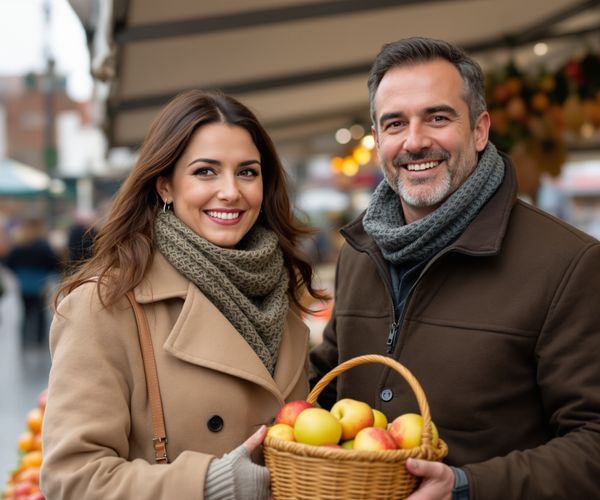
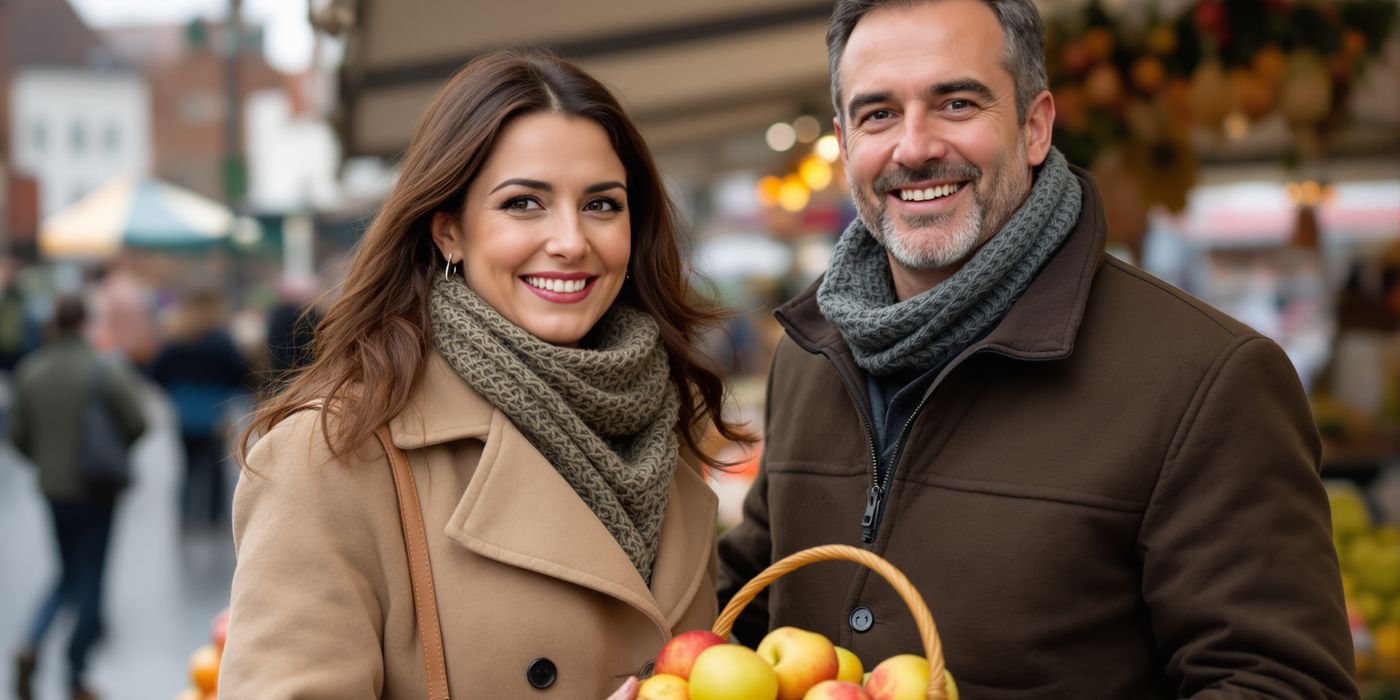
For me, exploring local farmers' markets and trying traditional dishes is an essential part of any travel experience. There's no better way to connect with the culture and traditions of a place than through its cuisine. I love wandering through the stalls, sampling regional specialties, and chatting with the vendors about their products.
I encourage everyone to seek out authentic culinary experiences, whether it's taking a cooking class in Bologna, going on a food tour in Hanoi, or simply asking a local for their favorite restaurant recommendation. These experiences not only tantalize your taste buds but also provide insights into the history, values, and customs of a place.
Savoring local cuisine is more than just eating; it's about connecting with the people and the land that produced the food. It's about understanding the stories behind the dishes and appreciating the traditions that have been passed down through generations.
Practical Tips for Embracing Slow Travel
If you're interested in trying slow travel, here are a few practical tips to get you started:
- Choose one destination and explore it in depth. Instead of trying to see multiple countries in a week, focus on one region or city and immerse yourself in its culture.
- Travel by land whenever possible. Trains and buses offer a more scenic and sustainable way to travel than flying.
- Plan less and leave room for spontaneous moments. Don't overschedule your itinerary, and be open to unexpected opportunities that may arise.
- Stay in locally-owned accommodations. Guesthouses and small hotels offer a more authentic and personal experience than large chain hotels.
- Engage with the local community. Take a cooking class, volunteer at a local organization, or simply strike up conversations with residents.
Slow travel is a journey, not a race. It's about savoring each moment, connecting with people and cultures, and traveling in a way that is both enriching and sustainable. So, the next time you plan a trip, consider slowing down and embracing the beauty of the journey.
Discover the joys of slow travel, focusing on quality over quantity and deepening your travel experiences. Maria shares her insights and experiences.