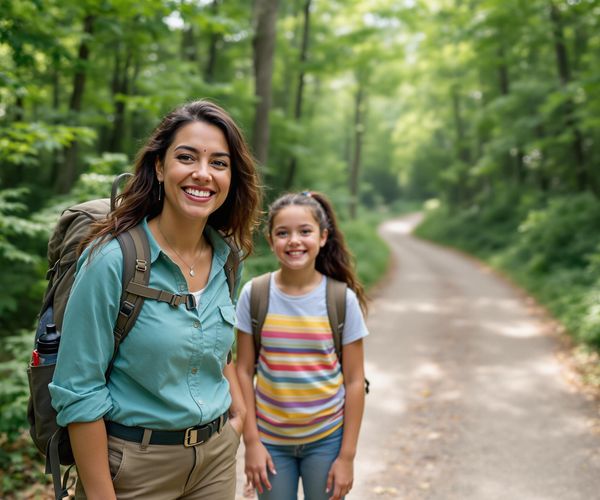
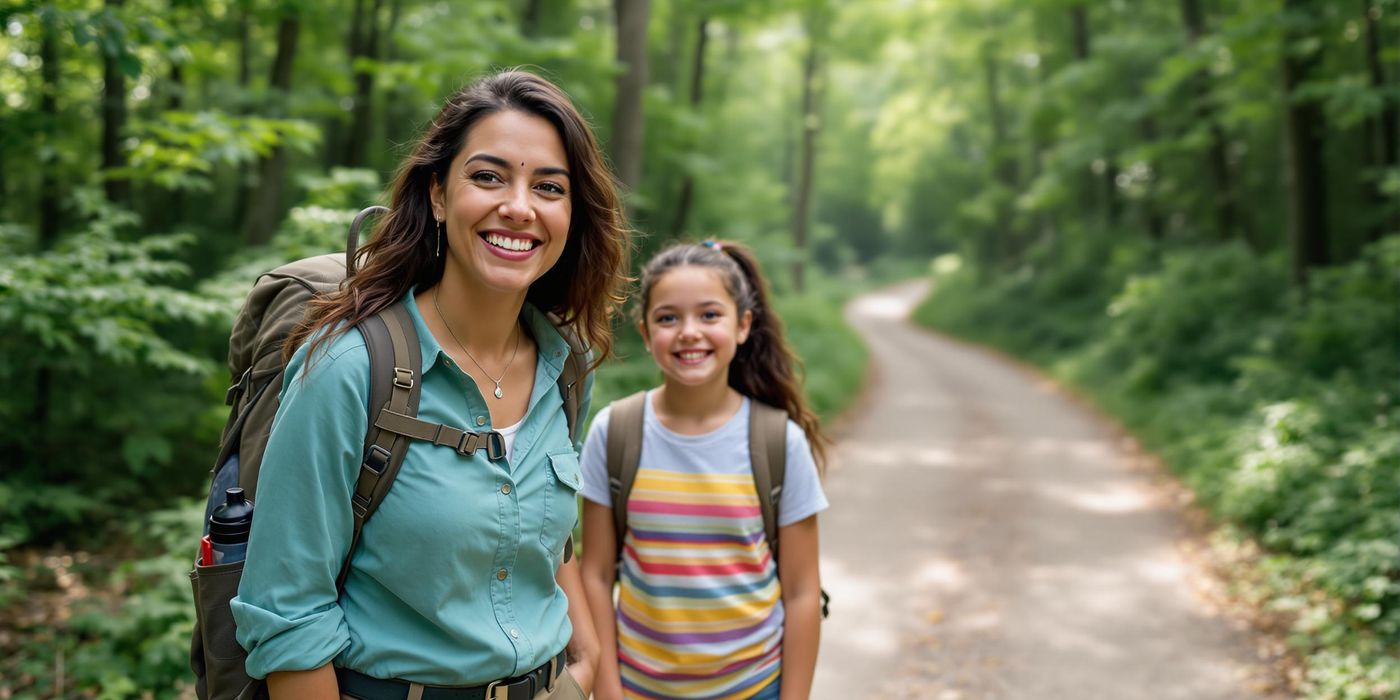
Hello wanderers! Maria here, ready to share some insights from my own hiking adventures. Whether you're a seasoned trekker or just starting to explore the trails, the great outdoors offers incredible experiences. But like any adventure, a little preparation goes a long way. So, let's lace up our boots and dive into some essential hiking tips for a safe and truly enjoyable experience.
Choosing the Right Trail
One of the most important steps is selecting a trail that matches your fitness level and experience. Don't overestimate your abilities, especially on your first few hikes. Trails are typically rated as easy, moderate, or difficult. Start with easier trails and gradually increase the challenge as you gain confidence and stamina.
Consider these factors when choosing a trail:
- Distance: How far are you willing to hike?
- Elevation Gain: How much uphill climbing is involved?
- Terrain: Is the trail smooth and even, or rocky and uneven?
- Trail Conditions: Check recent trail reports for any closures, hazards, or weather-related issues.
For example, here in the Heidelberg area, the trails in the Odenwald forest offer a variety of options, from gentle strolls to more challenging climbs. Always do your research before you head out!
Essential Gear for a Safe Hike
Having the right gear can make or break your hiking experience. Here's a checklist of essentials:
- Hiking Boots: Invest in sturdy, comfortable hiking boots that provide good ankle support and traction. Break them in before your hike to avoid blisters.
- Backpack: Choose a backpack that's the right size for your needs and fits comfortably. It should have enough space for water, snacks, extra layers, and other essentials.
- Water: Carry plenty of water, especially on longer hikes. A good rule of thumb is to drink at least half a liter of water per hour of hiking.
- Snacks: Pack high-energy snacks like trail mix, energy bars, fruits, or nuts to keep your energy levels up.
- Navigation: Bring a map and compass, and know how to use them. A GPS device or smartphone with a hiking app can also be helpful, but don't rely on them exclusively.
- First-Aid Kit: Carry a basic first-aid kit with essentials like bandages, antiseptic wipes, pain relievers, and blister treatment.
- Sun Protection: Wear sunscreen, a hat, and sunglasses to protect yourself from the sun's harmful rays.
- Extra Layers: Pack extra layers of clothing, even if the weather forecast looks good. Conditions can change quickly in the mountains.
- Headlamp or Flashlight: Always carry a headlamp or flashlight, even if you don't plan to hike in the dark. You never know when you might get delayed.
Safety First: Staying Safe on the Trail
Safety should always be your top priority when hiking. Here are some important safety tips:
- Tell Someone Your Plans: Always let someone know where you're going and when you expect to be back. This way, if something goes wrong, they can alert the authorities.
- Hike with a Buddy: Hiking with a friend or family member is always safer than hiking alone. You can help each other out in case of an emergency.
- Stay on the Trail: Stick to marked trails and avoid shortcuts. Getting lost is one of the most common hiking accidents.
- Be Aware of Your Surroundings: Pay attention to the terrain, weather conditions, and any potential hazards, such as wildlife or falling rocks.
- Know Your Limits: Don't push yourself too hard. If you're feeling tired or unwell, turn around and head back.
- Leave No Trace: Pack out everything you pack in, and dispose of waste properly. Stay on durable surfaces to avoid damaging vegetation.
Respecting Nature: Leave No Trace
As hikers, we have a responsibility to protect the natural environments we enjoy. The Leave No Trace principles are a set of guidelines that help us minimize our impact on the land:
- Plan Ahead and Prepare: Know the regulations and special concerns for the area you'll be visiting.
- Travel and Camp on Durable Surfaces: Stick to established trails and campsites.
- Dispose of Waste Properly: Pack out everything you pack in, including trash, food scraps, and toilet paper.
- Leave What You Find: Don't remove rocks, plants, or other natural objects.
- Minimize Campfire Impacts: Use a lightweight stove for cooking, and only build campfires in designated fire rings.
- Respect Wildlife: Observe wildlife from a distance, and never feed them.
- Be Considerate of Other Visitors: Keep noise levels down, and yield to other hikers on the trail.
By following these principles, we can help ensure that future generations will be able to enjoy the beauty of the natural world.
The Mental and Physical Benefits of Hiking
Beyond the stunning views and fresh air, hiking offers a wealth of mental and physical benefits. It's a fantastic way to improve your cardiovascular health, strengthen your muscles, and boost your mood. Studies have shown that spending time in nature can reduce stress, anxiety, and depression.
For me, hiking is a form of meditation. The rhythm of my footsteps, the sounds of nature, and the feeling of the sun on my skin all help me to clear my head and reconnect with myself. It's a chance to disconnect from the digital world and appreciate the simple things in life.
Making the Most of Your Hiking Experience
To truly savor your hiking adventure, consider these tips:
- Take Your Time: Don't rush through your hike. Stop to admire the scenery, take photos, and enjoy the moment.
- Engage Your Senses: Pay attention to the sights, sounds, smells, and textures of the natural world.
- Learn About the Local Environment: Read up on the plants, animals, and geology of the area you're hiking in.
- Connect with Others: Strike up conversations with other hikers you meet on the trail.
- Reflect on Your Experience: After your hike, take some time to reflect on what you've learned and experienced.
Hiking is more than just a physical activity; it's an opportunity to connect with nature, challenge yourself, and create lasting memories. So, get out there and explore!
Happy trails!
Essential hiking tips focusing on preparation, safety, and appreciation of nature. Trail selection, gear, and environmental responsibility.