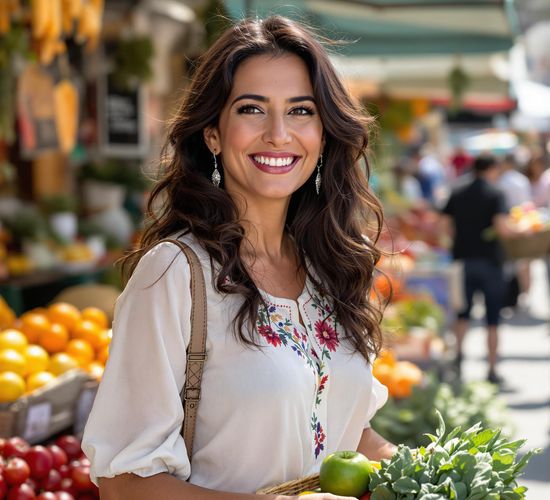
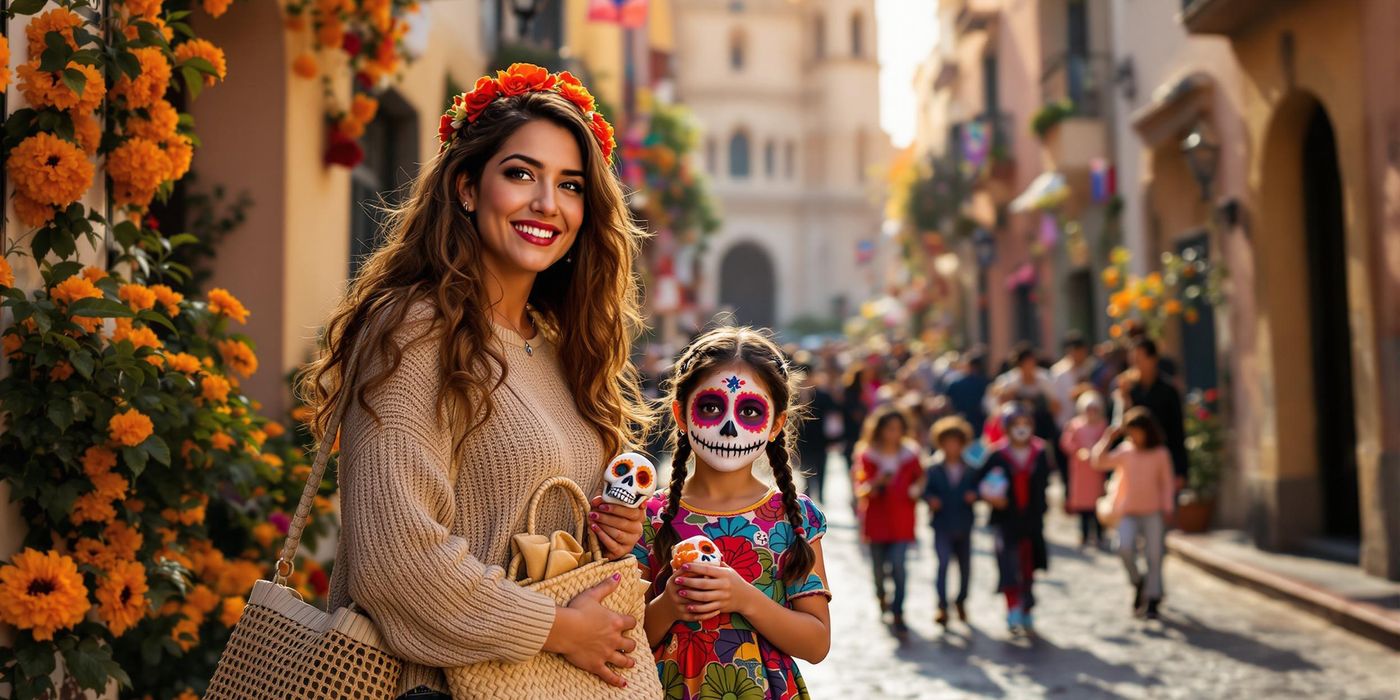
As a travel blogger with roots in Mexico and a home in Germany, I've always been drawn to the vibrant tapestry of cultural festivals around the world. These aren't just events; they're immersive experiences that offer a unique window into the soul of a place. From the colorful parades to the rhythmic music and the delicious food, festivals provide a deeper connection to a culture than any guidebook ever could. Let's explore how to make the most of these incredible celebrations.
The Allure of Cultural Festivals
There's something truly special about cultural festivals. They offer insights and connections you simply can't get from traditional tourism. You're not just observing; you're participating, even in a small way, in something that's been passed down through generations. These festivals play a vital role in preserving cultural heritage and traditions, keeping them alive and relevant in a rapidly changing world.
I find that attending festivals allows me to understand a place on a much deeper level. It's about more than just seeing the sights; it's about feeling the energy, hearing the stories, and sharing in the joy of a community. And, of course, it's a fantastic opportunity for cultural exchange, building social connections with people from all walks of life.
Pre-Festival Immersion: Research and Preparation
Before you even pack your bags, take the time to research the festival you plan to attend. Understanding its history, significance, and customs is crucial for a meaningful and respectful experience. Delve into the festival's origins, its key events, and what it represents to the local community.
Learning a few basic phrases in the local language can go a long way in showing respect and facilitating interactions. Even simple greetings like hello, thank you, and please can make a positive impression. Also, be sure to understand appropriate attire and etiquette. Some festivals may have specific dress codes or customs that you should be aware of. Check beforehand to ensure you're dressed appropriately and avoid any unintentional cultural faux pas.
Engaging with Locals: The Heart of the Experience
The real magic of cultural festivals happens when you connect with the locals. Don't be shy! Strike up conversations, ask about their experiences, and show a genuine interest in their culture. I've found that people are often eager to share their traditions and perspectives with visitors.
Ask them about their favorite traditions, what the festival means to them, and any stories they're willing to share. Cultural exchange is a two-way street, so be prepared to share a bit about your own culture as well, respectfully. Building relationships with locals is what truly enriches the experience and creates lasting memories.
Participating Respectfully in Festival Activities
When it comes to festival activities, jump in with genuine interest and respect. Whether it's joining in traditional dances, singing local music, or participating in rituals, your willingness to engage will be appreciated. However, always remember to ask questions to understand the meaning and symbolism behind the activities.
Understanding the significance of each activity will not only deepen your appreciation but also help you avoid any offensive or disrespectful actions. If you're unsure about something, don't hesitate to ask a local for clarification. It's always better to err on the side of caution and show that you're making an effort to understand and respect their traditions.
Mindful Photography and Documentation
While capturing memories through photos and videos is natural, it's crucial to do so mindfully and respectfully. Always ask for permission before taking photos of people, especially elders or participants in sacred rituals. Be sensitive to cultural property and avoid intrusive photography that could disrupt the event.
Respect privacy and traditions by avoiding taking photos or videos indiscriminately, particularly at sacred events where photography may be prohibited. Remember, you're a guest in their culture, and it's essential to respect their customs and beliefs.
Festival Etiquette: Showing Respect
Every culture has its own set of etiquette rules, and festivals are no exception. It's important to respect these traditions and celebration rules to ensure a positive experience for everyone involved. If you're unsure about something, don't hesitate to ask a local or festival organizer for guidance.
Be mindful of your actions and avoid anything that could be considered offensive or disrespectful. This includes being aware of personal space, crowd behavior, and any specific customs related to the festival. Showing respect for the local culture will not only enhance your own experience but also contribute to a more positive and harmonious atmosphere for everyone.
Practical Considerations for a Smooth Experience
To ensure a smooth and enjoyable festival experience, a little practical preparation goes a long way. Pack comfortable clothing suitable for the local weather, keeping in mind any specific dress codes or customs. A reusable water bottle is essential for staying hydrated, and a portable phone charger will keep you connected throughout the day.
It's also a good idea to have some local currency on hand, as not all vendors may accept credit cards. And, of course, don't forget to bring your important documents, such as your passport and any necessary visas. Staying hydrated and having snacks readily available will help you maintain your energy levels and fully enjoy the festivities.
Supporting Sustainability and Responsible Tourism
As a responsible traveler, it's important to consider the impact of your actions on the local community and environment. Support the local economy by buying souvenirs and goods from local vendors and artisans. Respect the environment by minimizing waste, using reusable bags, and properly disposing of trash.
Responsible tourism plays a crucial role in preserving cultural heritage and promoting sustainable practices. By being mindful of your impact and making conscious choices, you can contribute to the long-term well-being of the community and help ensure that these cultural festivals continue to thrive for generations to come.
A guide on attending cultural festivals, offering tips on preparation, participation, and respectful engagement with local traditions.