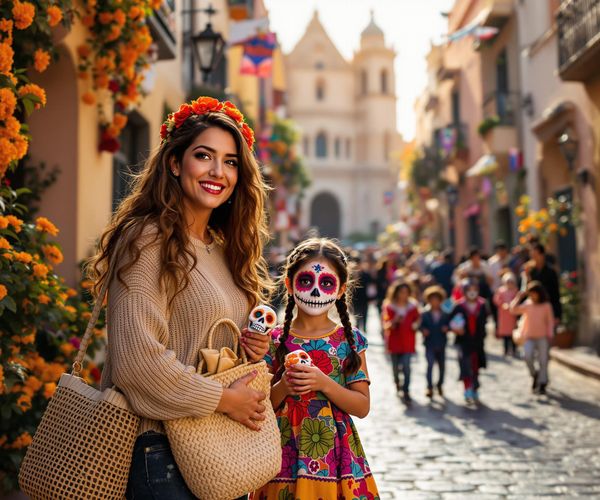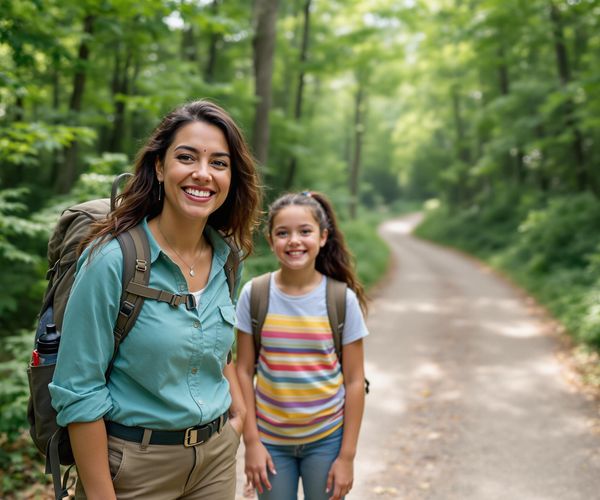

As a freelance translator and travel blogger, I've learned firsthand that language can be both a bridge and a barrier. Traveling the world, especially with my family, has highlighted the importance of effective communication, even when you don't speak the local language fluently. From the bustling markets of Zacatecas, where I grew up, to the charming streets of Heidelberg, my current home, I've embraced the challenge of connecting with people from different cultures. Let's explore some strategies to navigate language barriers and make your travel experiences more enriching.
Embracing the Challenge: Why Bother?
Why even try to learn a few phrases in the local language? I get this question a lot. It’s simple: it shows respect. Imagine visiting someone's home and making no effort to communicate with them. It's the same when traveling. Speaking even a few basic phrases can open doors and create more authentic experiences.
I remember once in a small village in France, I tried ordering in French, butchering the pronunciation, no doubt. But the smile on the baker's face when he realized I was trying was priceless. He even gave me an extra croissant!
These small interactions can transform a trip from a simple sightseeing tour into a meaningful cultural exchange. My language skills have definitely enhanced my travels, allowing me to connect with locals on a deeper level, understand their stories, and appreciate their culture in a more profound way.
Essential Phrases: Your Communication Toolkit
So, what phrases should you learn? Here's my essential communication toolkit:
- Greetings (Hello, Goodbye)
- Thank you
- Please
- Excuse me
- I don't understand
- Where is…?
- Numbers (1-10)
Here are a few examples in languages that I commonly use:
- Spanish: Hola (Hello), Gracias (Thank you), Por favor (Please), ¿Dónde está…? (Where is…?)
- French: Bonjour (Hello), Merci (Thank you), S'il vous plaît (Please), Où est…? (Where is…?)
- German: Hallo (Hello), Danke (Thank you), Bitte (Please), Wo ist…? (Where is…?)
Knowing these basic phrases can be incredibly helpful in everyday situations. Ordering food becomes less daunting, asking for directions is easier, and even simple shopping experiences can be more enjoyable. I remember trying to order a specific type of cheese in Germany, armed with only a few German phrases. The cheesemonger was so impressed by my effort that he gave me a sample of his best cheese!
Language Learning Resources: Apps, Courses, and More
Luckily, there are tons of resources available to help you learn a new language. Here are a few of my favorites:
- Language Learning Apps: Duolingo is great for beginners, offering gamified lessons. Babbel provides more in-depth courses, and Memrise uses flashcards and mnemonics to help you memorize vocabulary. Rosetta Stone is another popular option, known for its immersive approach.
- Online Language Courses and Websites: Platforms like Coursera and edX offer structured language courses taught by university professors. Websites like iTalki connect you with native speakers for personalized lessons.
- Phrasebooks and Travel Dictionaries: These are essential for on-the-go reference. Lonely Planet and Berlitz offer excellent phrasebooks tailored to specific destinations.
- Free Resources: Don't forget about your local library! They often have language learning materials available for free. You can also find language exchange partners online through websites like HelloTalk.
The Power of Non-Verbal Communication
Communication isn't just about words. Non-verbal cues like gestures, facial expressions, and body language play a huge role. However, it’s important to remember that these cues can vary dramatically across cultures.
For example, direct eye contact is considered respectful in many Western cultures, but in some Asian cultures, it can be seen as aggressive. Similarly, the amount of personal space people prefer varies widely. What's considered a comfortable distance in Germany might feel too close in Japan.
Here are a few tips:
- Observe: Pay attention to how locals interact with each other.
- Adapt: Try to mirror their body language and gestures.
- Listen Actively: Even if you don't understand the words, pay attention to the tone of voice and facial expressions.
- Be Aware: Be mindful of your own body language and how it might be interpreted.
Tech to the Rescue: Translation Devices and Apps
In today's world, technology can be a lifesaver when facing language barriers. Real-time translator devices and apps are readily available, offering instant translations.
However, it's important to be aware of the pros and cons. While these tools can be incredibly helpful, they're not always accurate. Relying too heavily on technology can also hinder your ability to learn and connect with locals.
Some specific translator apps I recommend are Google Translate and iTranslate. For devices, Vasco and Timekettle are popular choices. Google Translate also has a fantastic photo translation feature that allows you to translate menus and signs simply by pointing your camera at them.
Cultural Sensitivity: More Than Just Words
Communicating effectively goes beyond just knowing the language. It's about understanding and respecting the local culture. Before traveling, take some time to research local customs, traditions, and etiquette.
This might include:
- Dressing appropriately, especially when visiting religious sites.
- Being mindful of local norms regarding personal space and physical contact.
- Respecting sacred sites and traditions.
Supporting local businesses and engaging in meaningful cultural exchanges is also crucial. Instead of eating at international chain restaurants, try local eateries. Instead of buying souvenirs from tourist traps, visit local artisan shops.
When All Else Fails: Strategies for Difficult Situations
Despite your best efforts, there will be times when communication is challenging. In these situations, don't panic! Here are a few strategies that I have found helpful:
- Use gestures and facial expressions.
- Draw pictures or write down key words.
- Remain patient, polite, and open-minded.
- Seek help from locals or use translation services when needed.
Remember, even if you can't communicate perfectly, your effort to connect will be appreciated. Travel is about embracing the unknown, and language barriers are just another part of the adventure.
Strategies for travelers to communicate effectively despite language differences. Covering language learning tools, non-verbal communication, and cultural considerations.