Hello, fellow travelers! Maria here, ready to share some insights from my adventures around the globe. As a Mexican now living in Germany, I've learned that photography is more than just snapping pictures; it's about capturing the soul of a place and preserving those precious travel memories. Let's dive into how you can elevate your travel photography!
Finding the Essence of a Place Through Your Lens
It's easy to get caught up in taking the same touristy photos everyone else does. But to truly capture the essence of a place, you need to dig a little deeper. It's about observing the small details, the everyday moments that make a location unique. Forget the postcards; aim for authenticity.
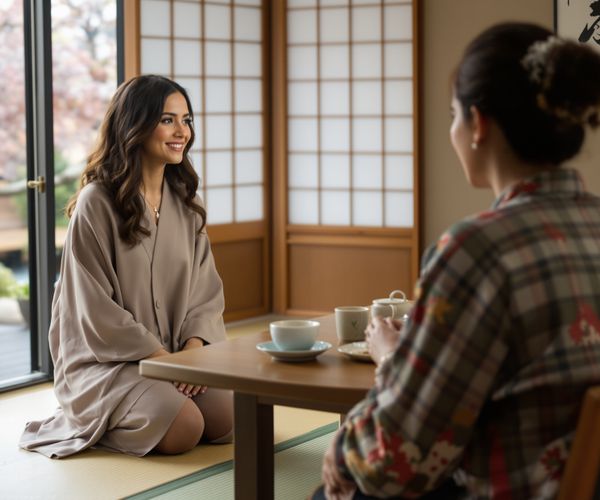
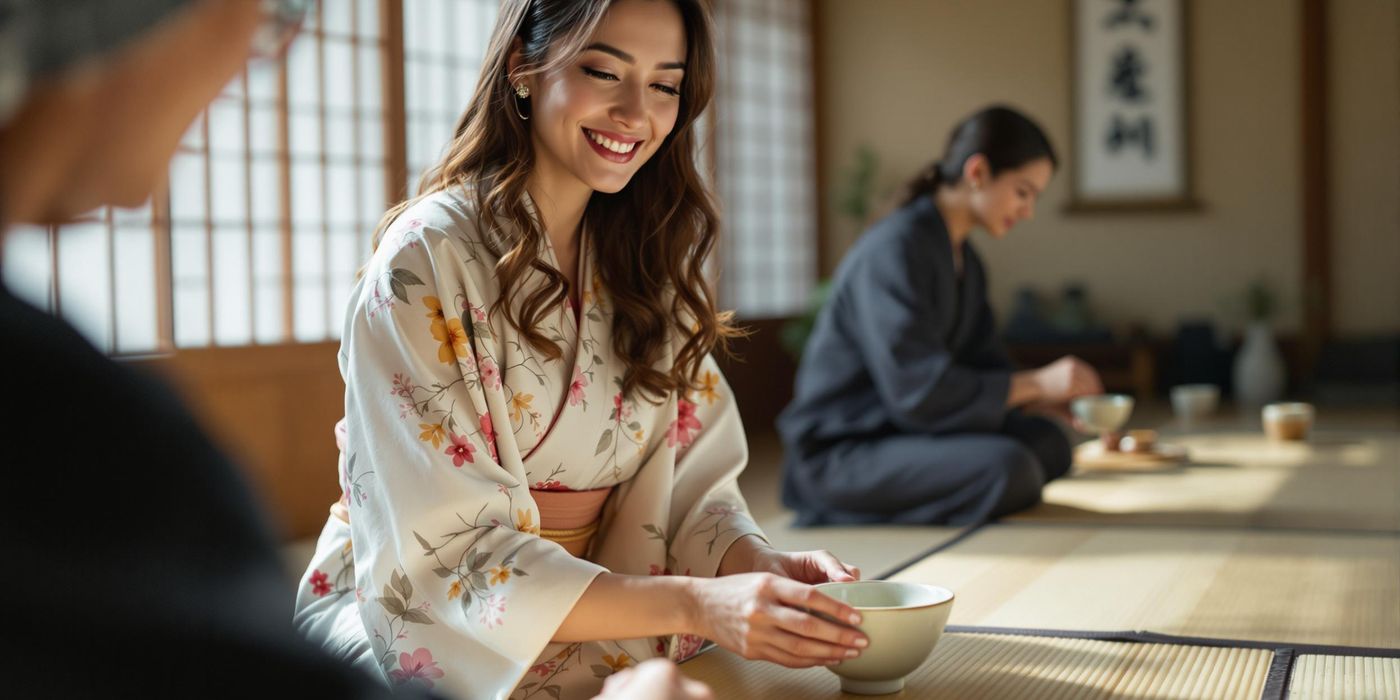
I remember when I was in Kyoto, Japan. Instead of just photographing the famous Golden Pavilion, I spent an afternoon in a local tea house, capturing the delicate movements of the tea ceremony and the serene expressions of the guests. Those photos, to me, tell a much richer story of Kyoto than any postcard ever could.
To really connect with a place, try to learn about its history and culture beforehand. Understanding the local customs and traditions will inform your photographic choices and help you capture images that are both respectful and meaningful. Chat with locals, visit smaller museums, and wander off the beaten path. You'll be amazed at what you discover!
Mastering Natural Light: Maria's Golden Hour Secrets
Light is everything in photography. Understanding how to use it to your advantage can transform your images from ordinary to extraordinary. And nothing beats natural light!
The 'golden hours' – that magical time just after sunrise and just before sunset – are a photographer's best friend. The soft, warm light during these times creates stunning effects, adding depth and richness to your photos. Plan your shoots around these times to take full advantage of the beautiful light.
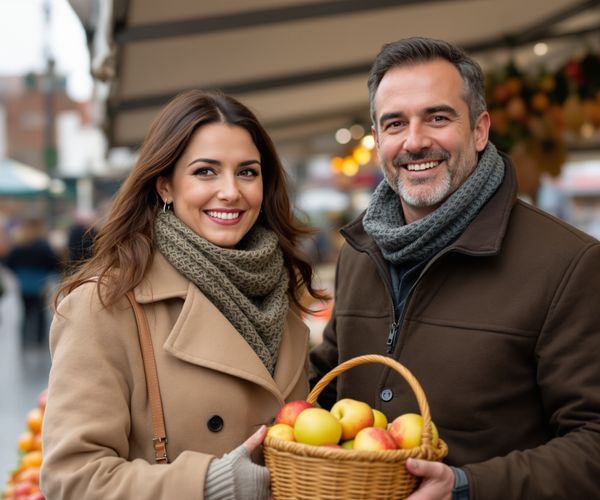
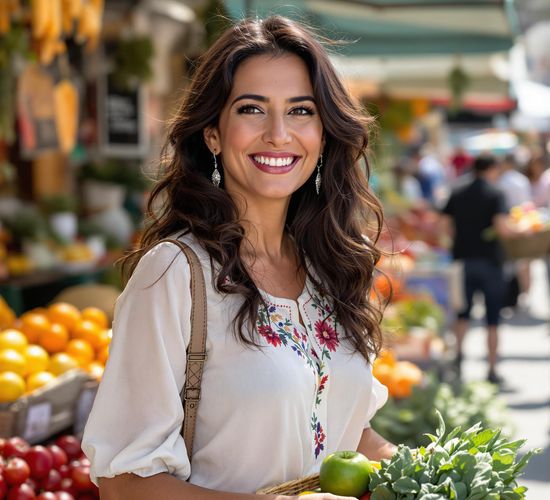
In Mexico, I love shooting during the golden hour in the vibrant markets. The light enhances the colors of the fruits, vegetables, and textiles, creating a feast for the eyes. In Germany, the golden hour casts a beautiful glow on the medieval architecture, adding a touch of magic to the already picturesque scenes.
Don't be afraid to experiment with different lighting scenarios. Overcast days can provide soft, diffused light that's perfect for portraits, while shooting in direct sunlight can create dramatic shadows and highlights. The key is to understand how light affects your subject and adjust your settings accordingly.
Telling Stories Through Composition and Detail
Travel photography is all about storytelling. Each photo should convey a feeling, a memory, a piece of the place you visited. Composition plays a crucial role in how your story is told.
One of the most useful composition techniques is the Rule of Thirds. Imagine dividing your frame into nine equal parts with two horizontal and two vertical lines. Placing key elements of your photo along these lines or at their intersections can create a more balanced and visually appealing image.
Pay attention to the small details that tell a story. Visit local markets and capture the vibrant colors and textures of the produce. Photograph the intricate details of the architecture. Capture candid moments of daily life, like children playing in a park or an elderly couple sharing a laugh. These are the moments that truly capture the essence of a place.
One of my favorite photos is from a trip to Oaxaca, Mexico. It's a close-up of a woman's hands as she expertly weaves a traditional textile. The photo tells a story of craftsmanship, tradition, and the enduring spirit of the Oaxacan people.
Essential Gear for Travel Photography in 2025: Maria's Recommendations
Choosing the right gear is essential for travel photography, but it's important to strike a balance between quality and portability. You don't want to be lugging around a ton of equipment, but you also don't want to compromise on image quality.
For camera bodies, I recommend a mirrorless camera or a lightweight DSLR. Mirrorless cameras are becoming increasingly popular due to their compact size and excellent image quality. Some great options include the Sony Alpha series, the Canon EOS R series, and the Fujifilm X series.
When it comes to lenses, I always bring a versatile zoom lens that covers a range of focal lengths. A 24-70mm lens is a great option for everyday shooting, while a 70-200mm lens is perfect for capturing distant subjects and creating beautiful background blur. For landscapes, I love using a wide-angle lens like a 16-35mm.
My go-to equipment includes my Sony Alpha 7 III and a 24-70mm lens. It's a versatile combination that allows me to capture a wide range of subjects and scenes. I also bring a lightweight tripod for shooting landscapes and long exposures.
Preserving Memories: Editing and Post-Processing Tips
Editing is an important part of the photography process, but it's important to use it sparingly. The goal is to enhance your photos without losing their authenticity.
Start by adjusting the exposure, contrast, and colors. Use editing software like Adobe Lightroom or Capture One to make these adjustments. Be careful not to overdo it; the goal is to create a natural look and feel.
When editing, I always focus on enhancing the story of the image. I might adjust the colors to bring out the vibrancy of a sunset or sharpen the details to emphasize the texture of a building. But I always try to maintain a natural look and feel.
Remember, editing is a personal choice. Experiment with different techniques and find what works best for you. The most important thing is to have fun and create images that you're proud of.
Happy travels, and happy shooting!
Enhance your travel photography skills with tips on capturing breathtaking landscapes and candid moments during your journeys. Maria shares her expertise.