As a librarian specializing in Southeast Asian history and culture, and a Cambodian native now living in Germany, I've always found that travel offers more than just a change of scenery. It's an opportunity for profound personal growth, especially when viewed through the lens of Buddhist philosophy. Join me as I explore how the core tenets of Buddhism can transform your journey, fostering peace, purpose, and a deeper connection with the world around you.
The Essence of Buddhist Philosophy
At its heart, Buddhist philosophy offers a path to understanding suffering and finding liberation from it. The Four Noble Truths form the foundation: recognizing suffering, understanding its cause, acknowledging the possibility of its cessation, and following the path to end it. This path is the Eightfold Path, encompassing right understanding, thought, speech, action, livelihood, effort, mindfulness, and concentration.
Mindfulness, a key component, involves paying attention to the present moment without judgment. It's about being fully aware of your thoughts, feelings, and surroundings. This isn't just a practice for meditation cushions; it’s a way of life.
For a traveler, these principles translate into a conscious approach to exploration. It means traveling with intention, being present in each moment, and appreciating the journey rather than just the destination.
Mindful Travel: Embracing the Present Moment
Imagine wandering through the ancient temples of Angkor, not just snapping photos, but truly feeling the weight of history, the artistry of the carvings, and the spiritual energy of the place. That's the power of mindful travel. It encourages you to engage all your senses and connect deeply with your surroundings.
Here are a few practical tips for practicing mindfulness on the road:
- Mindful Walking: Pay attention to each step, feeling the ground beneath your feet.
- Mindful Eating: Savor each bite, noticing the flavors and textures of the local cuisine.
- Mindful Observation: Take time to simply observe the world around you, without judgment or analysis.
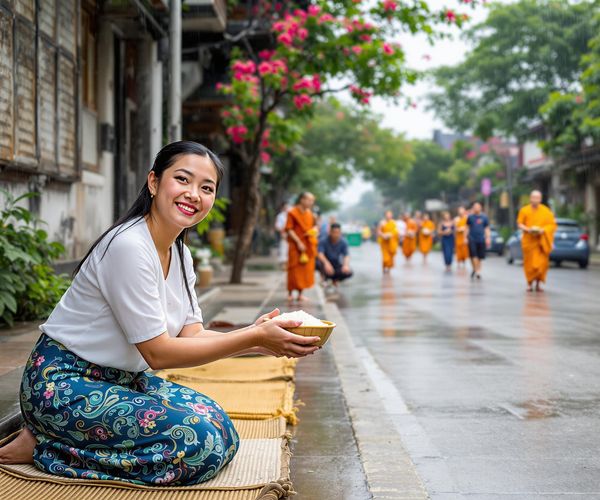
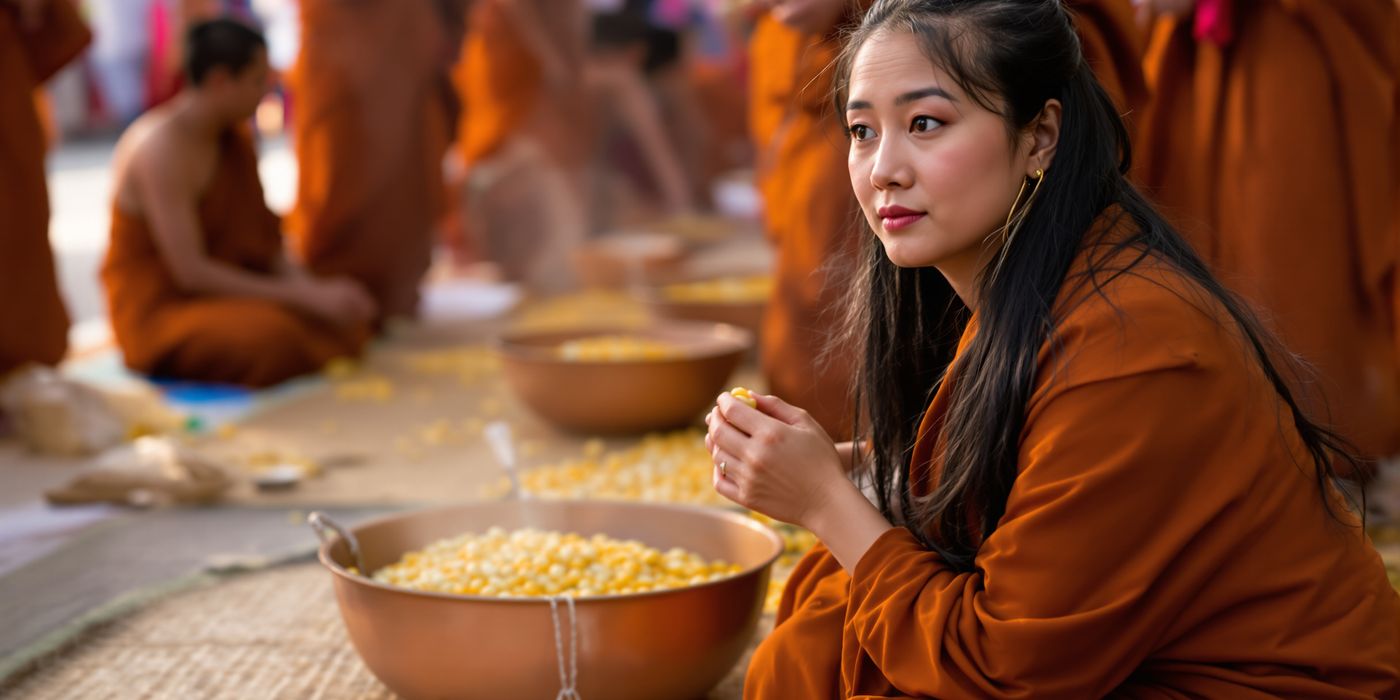
I remember once, while visiting a small village in Laos, I decided to join the locals in their morning alms giving ceremony. Instead of just observing, I focused on my breath, the warmth of the early morning sun, and the genuine smiles of the villagers. It was a moment of profound connection that transcended language and culture.
Finding Peace Amidst Chaos: Applying Buddhist Principles to Travel Challenges
Travel isn't always smooth sailing. Delays, lost luggage, cultural misunderstandings – these are all part of the experience. But Buddhist philosophy offers tools to navigate these challenges with grace.
Acceptance is key. Instead of fighting against the inevitable, acknowledge the situation and focus on what you can control. Non-attachment helps us let go of expectations and embrace the unexpected twists and turns of the journey.
Once, during a trip to India, my train was delayed for over 12 hours. Instead of getting frustrated, I decided to use the time to connect with my fellow passengers. We shared stories, laughter, and chai. What could have been a stressful experience turned into a memorable cultural exchange.
Cultivating Compassion and Understanding Through Travel
Travel provides a unique opportunity to step outside our comfort zones and encounter people from different backgrounds. This is where the Buddhist concept of loving-kindness (Metta) comes into play.
Metta involves cultivating feelings of warmth, kindness, and compassion towards all beings. It’s about recognizing our shared humanity and extending our circle of empathy.
You can practice Metta while traveling by:
- Offering a helping hand to someone in need.
- Engaging in respectful dialogue with locals, learning about their lives and perspectives.
- Supporting local businesses and initiatives that benefit the community.
During a visit to a remote village in Cambodia, I spent time volunteering at a local school. I helped the children with their English lessons and learned about their dreams and aspirations. It was a humbling experience that deepened my understanding of the challenges they face and the resilience of the human spirit.
Responsible Travel: Aligning Actions with Buddhist Values
Buddhist values, such as non-harming and interconnectedness, call us to be mindful of our impact on the planet and its inhabitants. Responsible travel is about aligning our actions with these values.
Here are some practical tips for reducing your environmental impact while traveling:
- Choose eco-friendly accommodations that prioritize sustainability.
- Support local businesses and artisans, contributing to the local economy.
- Reduce your consumption of single-use plastics by bringing your own reusable water bottle and shopping bag.
- Respect local customs and traditions, minimizing your impact on the environment.
In Southeast Asia, many communities are deeply connected to the land and its resources. By supporting their efforts to preserve their environment and culture, we can contribute to a more sustainable future for all.
Explore how Buddhist philosophy can guide you in finding peace and purpose during your travels, enriching your journey.