The Allure of Culinary Travel
Culinary travel is more than just eating; it's an adventure that engages all your senses. It’s about discovering the stories behind the food, the techniques passed down through generations, and the cultural significance of each ingredient. The growing trend of culinary travel speaks to our innate desire for authentic experiences and deeper connections with the places we visit.
Cooking and sharing food fosters understanding, builds connections, and creates lasting memories. When you learn to prepare a local dish, you’re not just following a recipe; you’re participating in a cultural exchange. You're learning about the land, the climate, and the people who have cultivated these flavors for centuries. This hands-on experience is both educational and enriching, offering a unique perspective that goes beyond typical tourist activities.
Khmer Cuisine: A Window into Cambodian Culture
Khmer cuisine, the traditional food of Cambodia, is a delightful tapestry of flavors and aromas. It reflects the country's rich history, agrarian roots, and the resourcefulness of its people. Unlike some of its neighbors, Khmer cuisine is known for its subtle balance of salty, sweet, sour, and umami flavors, creating a harmonious culinary experience. It is also known for being naturally healthy, with a focus on fresh ingredients and minimal use of processed foods.
Fresh, locally sourced ingredients are the heart of Khmer cooking. Cambodia's fertile lands provide an abundance of rice, vegetables, fruits, and spices that form the foundation of many dishes. Key ingredients include prahok (fermented fish paste), lemongrass, palm sugar, galangal, tamarind, and kaffir lime leaves. These elements combine to create the distinctive and authentic taste of Khmer cuisine.
Finding Authentic Khmer Cooking Classes
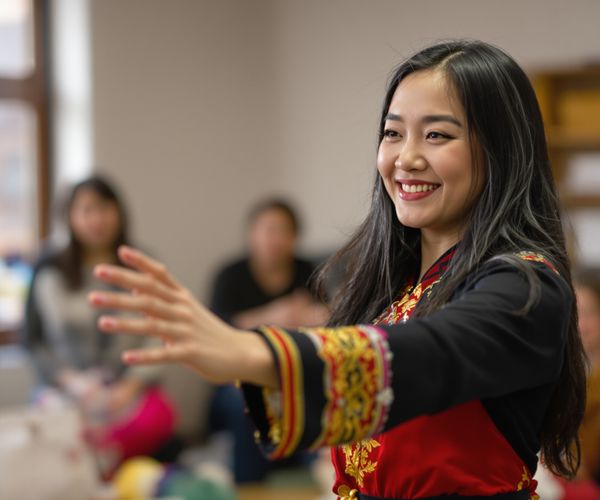
If you're eager to dive into Khmer cuisine, taking a cooking class is an excellent way to start. In Cambodia, particularly in tourist hubs like Siem Reap and Phnom Penh, you'll find numerous opportunities to learn from local chefs. Many restaurants and culinary schools offer half-day or full-day classes that provide hands-on experience. For instance, the Banana Tree Restaurant in Phnom Penh is a popular choice, offering a range of Khmer cooking classes.
These classes often begin with a visit to a local market, where you can select fresh ingredients and learn about the unique produce of Cambodia. Afterward, you'll return to the kitchen and, under the guidance of an experienced instructor, prepare several classic Khmer dishes. This immersive experience not only teaches you cooking techniques but also introduces you to the cultural context of the food.
Sourcing Ingredients: From Local Markets to Home Gardens
One of the most rewarding aspects of learning Khmer cooking is the opportunity to explore local markets. These bustling hubs are a sensory feast, filled with the sights, sounds, and smells of Cambodia's vibrant food culture. Here, you can discover unique ingredients like prahok, various types of local herbs, and exotic fruits you may have never seen before.
Many Khmer chefs take pride in sourcing ingredients from their own home gardens or small local markets. This ensures the freshness and quality of their dishes while also supporting local farmers and producers. A crucial element in many Khmer dishes is 'kroeung,' a fragrant spice paste made from lemongrass, galangal, turmeric, kaffir lime leaves, and other aromatics. Each chef has their own unique kroeung recipe, passed down through generations.
Recreating Khmer Dishes at Home: A Culinary Adventure
Once you've experienced the magic of Khmer cuisine in Cambodia, why not recreate it in your own kitchen? Cooking Khmer dishes at home is a wonderful way to stay connected with Cambodian heritage and share the flavors of your travels with friends and family.
Some easy Cambodian food recipes that readers can try include Nom Banh Chok (Khmer noodles with fish curry gravy) or Khmer Yellow Curry. To recreate these dishes, focus on sourcing key ingredients like lemongrass, galangal, and kaffir lime leaves. Don't be afraid to experiment with flavors and adjust the recipes to your liking. The most important thing is to have fun and embrace the culinary adventure.
Sophea's Culinary Journey: Personal Anecdotes
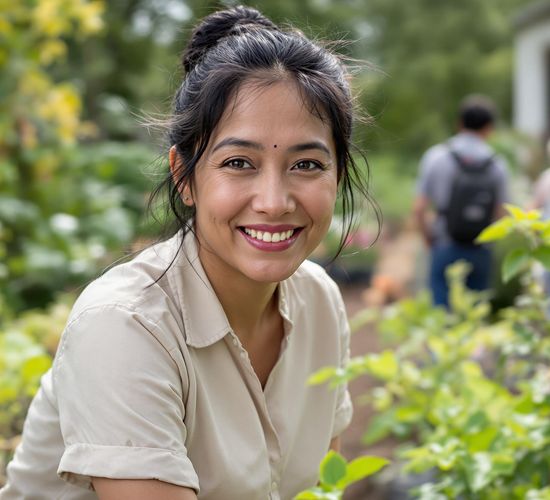
My connection to Khmer cooking runs deep. Growing up in Battambang, Cambodia, I was surrounded by the aromas and flavors of my family's kitchen. My mother and grandmother were incredible cooks, and I spent countless hours watching them prepare traditional Khmer dishes. These early experiences instilled in me a lifelong love for Khmer cuisine and a deep appreciation for my heritage.
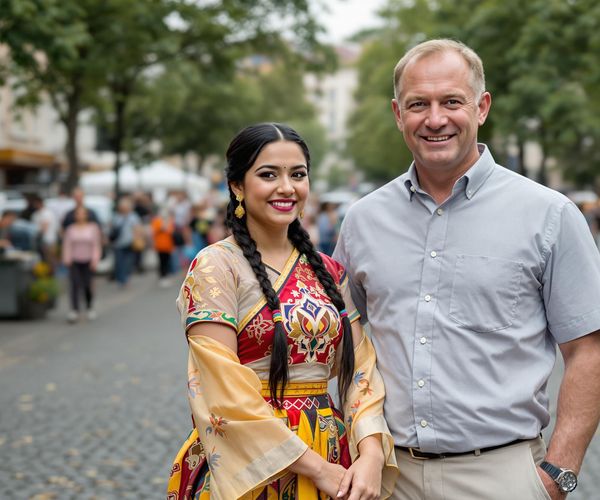
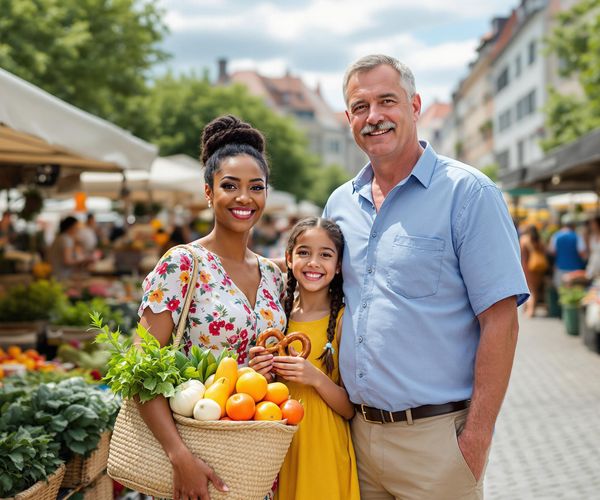
Now living in Dresden, Germany, I continue to share traditional Khmer recipes with my family and community. My husband, Hans, and our daughter, Lara, have grown to love the vibrant flavors of Cambodia. I often adapt recipes to available ingredients in Germany, but I always strive to maintain the authenticity and essence of Khmer cuisine. For example, I might substitute local herbs for some of the more exotic Cambodian varieties, but I always make sure to include the essential kroeung paste, which I prepare myself. Cooking Khmer food is not just a hobby for me; it's a way to keep my culture alive and share it with those around me.
Explore the world of Khmer cuisine and discover how cooking local dishes can deepen your understanding of different cultures. Join us on a culinary adventure!