As a librarian specializing in Southeast Asian history and culture, and as someone who was born and raised in Cambodia, I’ve always believed that travel is more than just seeing new places. It's about connecting with the soul of a culture. And what better way to do that than through its traditional dances?
The Soul of a Culture: Why Traditional Dance Matters
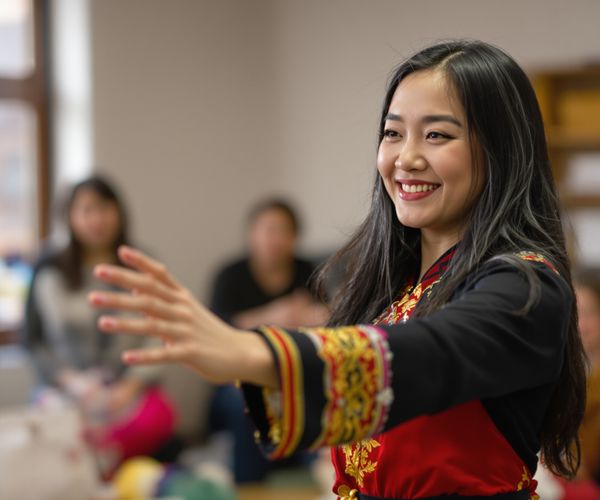
Traditional dance is the heartbeat of a culture. It’s where history, values, and beliefs come alive. Each movement, each costume, each musical note tells a story passed down through generations. It's not just entertainment; it’s a living archive, preserving cultural heritage and transmitting knowledge. Think of the Apsara dance of Cambodia, a celestial dance depicting stories from Hindu and Buddhist mythology. Every gesture, from the delicate curve of the fingers to the subtle tilt of the head, carries profound meaning.
I remember watching my grandmother teach young girls in our village the steps of the Khmer dances. She would explain the significance of each gesture, each song, ensuring that these traditions lived on. Witnessing this firsthand instilled in me a deep respect for the power of dance to connect us to our past and to each other. When I share these dances with my daughter Lara, I see the same spark of connection in her eyes.
Finding Authentic Dance Experiences: Where to Look
Finding authentic traditional dance experiences requires a bit of research, but the rewards are well worth the effort. Start by looking into local cultural centers and tourism boards. These organizations often have information about upcoming performances, workshops, and festivals. Community events are another great resource. Don't be afraid to venture off the beaten path and ask locals for recommendations. They often know about hidden gems that aren't advertised in tourist brochures.
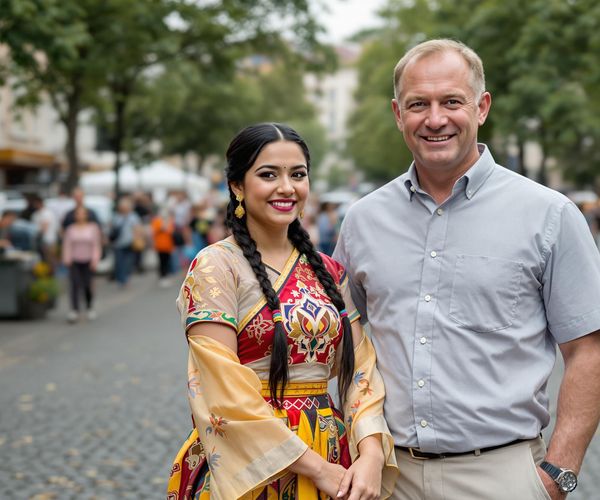
It's important to distinguish between genuine cultural expressions and commercialized adaptations. While tourist shows can be entertaining, they may not always accurately represent the true essence of traditional dance. Look for performances that are created and performed by local artists and that are rooted in the community. I recall a trip to Dresden, where I was initially drawn to a flashy, tourist-oriented show. However, after speaking with some locals, I discovered a small, intimate performance in a community center that truly captured the spirit of the region's folk dances. Similarly, in Southeast Asia, seek out performances in temples or during local festivals for a more authentic experience.
Participating Respectfully: A Traveler's Guide
When engaging with traditional dance, it's crucial to do so with respect and cultural sensitivity. Before attending a performance or workshop, take the time to learn about the cultural context of the dance. Understand its history, its significance, and its role in the community. Seek permission before taking photos or videos, and always avoid disruptive behavior. Remember that you are a guest, and it's important to be mindful of local customs and traditions.
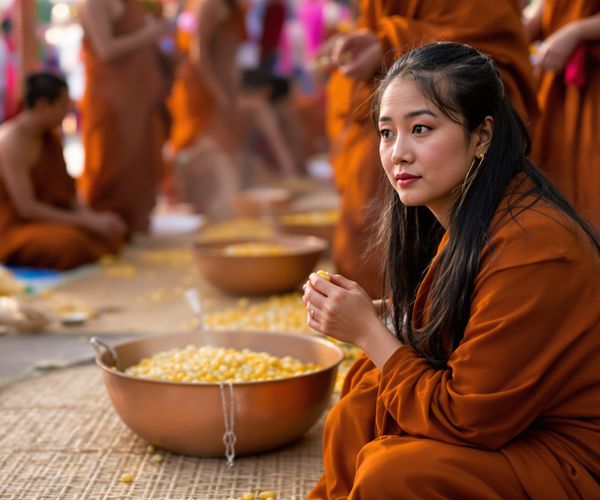
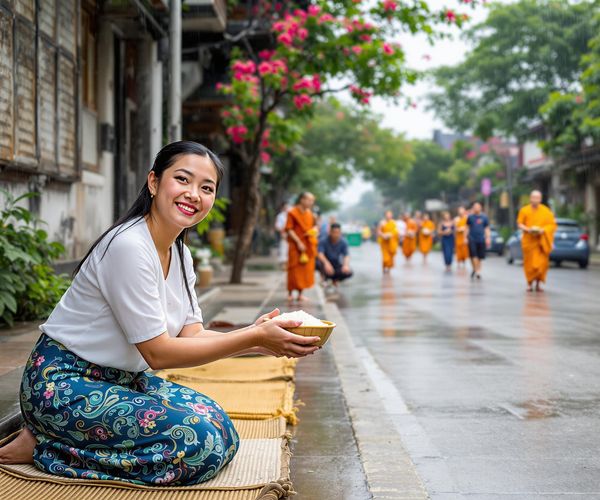
Appropriate attire and etiquette are also essential. In many cultures, it's customary to dress modestly when attending dance events. Avoid wearing revealing clothing or anything that might be considered disrespectful. During the performance, refrain from talking loudly or using your phone. Show your appreciation by applauding at the end and by thanking the performers. I always carry a light scarf with me when traveling in Southeast Asia, as it can be useful for covering my shoulders or head when visiting temples or attending cultural events.
Beyond the Spectacle: Immersing Yourself in the Dance
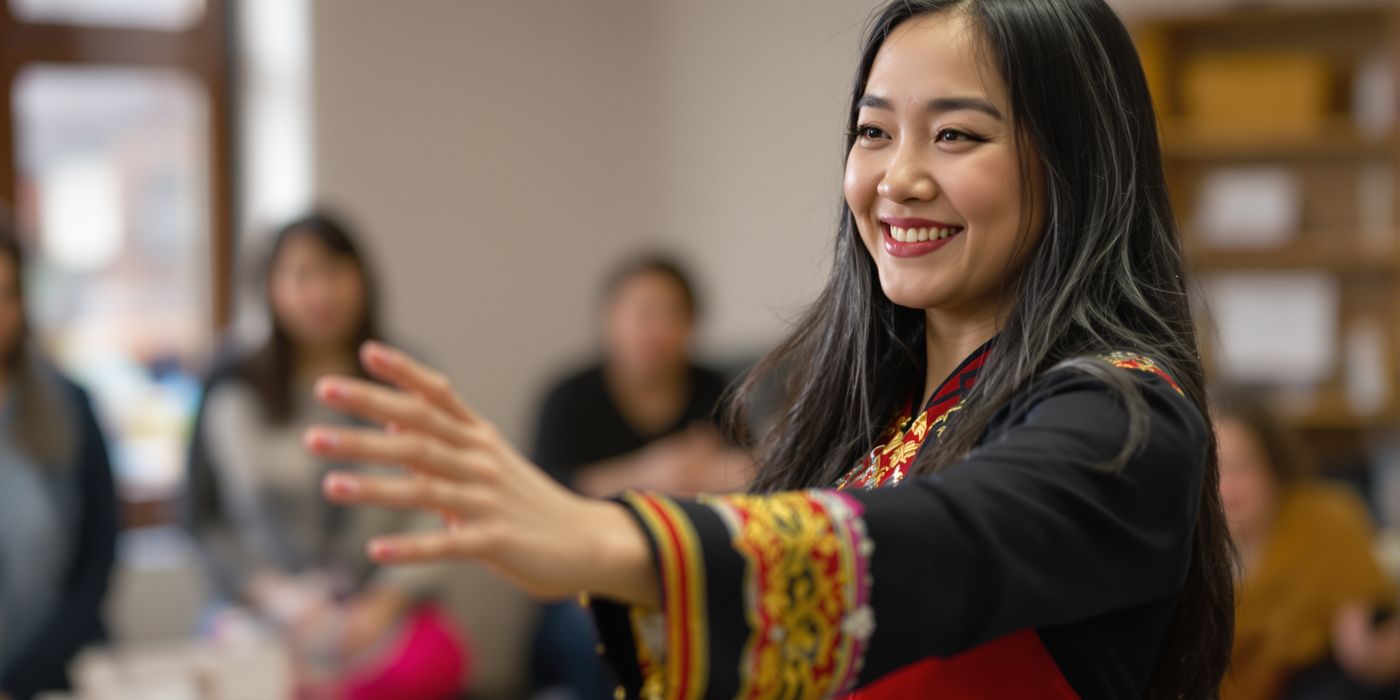
While watching a dance performance can be a wonderful experience, actively participating in a workshop or class can take your understanding to a whole new level. Learning basic steps or movements allows you to connect with the art form on a deeper level and to appreciate the skill and artistry involved. It's also a great way to meet local people and to learn about their culture firsthand.
I'll never forget the first time I tried learning the Apsara dance. It was incredibly challenging, but also incredibly rewarding. I struggled to master the intricate hand gestures and the graceful movements, but with each attempt, I felt a stronger connection to my heritage. And the sense of accomplishment I felt after finally getting it right was indescribable. Don't be afraid to step outside your comfort zone and try something new. You might just discover a hidden talent or a newfound passion.
Supporting Cultural Preservation: Responsible Dance Tourism
As travelers, we have a responsibility to support the communities and artists whose traditions we are enjoying. One way to do this is by choosing ethical tour operators who prioritize local businesses and cultural preservation. Another way is by purchasing authentic crafts and souvenirs directly from the artists themselves. Avoid buying mass-produced items that exploit local workers or that misrepresent cultural traditions.
There are many successful cultural preservation initiatives related to dance around the world. In Cambodia, organizations are working to revive and promote traditional Khmer dances, providing training and performance opportunities for young people. By supporting these initiatives, we can help ensure that these art forms continue to thrive for generations to come. When we travel, we are not just tourists; we are ambassadors of culture. By engaging with traditional dance in a respectful and responsible manner, we can help to preserve and celebrate the rich diversity of our world.
Explore how traditional dance enriches travel experiences, offering cultural insights and memorable moments. Discover tips for respectful participation and cultural preservation.