Traveling offers incredible opportunities to explore the world's diverse cultures, but it also carries a responsibility to protect and preserve them. As a librarian specializing in Southeast Asian history and culture, and as someone who grew up in Battambang, Cambodia, I've witnessed firsthand how tourism can impact local communities and their heritage. I want to share some insights and tips on how we can all travel more respectfully and responsibly, ensuring our journeys contribute positively to cultural preservation.
Understanding Cultural Preservation
Cultural preservation is about protecting and maintaining the integrity of a culture's tangible and intangible heritage. This includes everything from historical monuments and traditional arts to languages, customs, and belief systems. As travelers, we play a crucial role in either supporting or undermining these elements.
Tourism can have both positive and negative effects. On one hand, it can generate income for local economies, encourage the revitalization of traditional crafts, and promote cultural exchange. On the other hand, it can lead to over-commercialization, the erosion of traditional practices, and damage to historical sites.
Growing up in Battambang, I saw how the influx of tourists changed certain aspects of our cultural practices. Some traditions became commodified, losing their original meaning. It's essential to be aware of these potential impacts and strive to be a force for good.
Before You Go: Preparation is Key
One of the most effective ways to ensure respectful travel is to do your homework. Researching your destination's culture, customs, and etiquette before you arrive can make a world of difference. This includes understanding appropriate dress codes, social norms, and local laws.
Learning a few basic phrases in the local language can also go a long way. Even simple greetings like hello (sus-dei in Khmer) and thank you (orkun) can show respect and willingness to connect with the local community.
Don't just rely on guidebooks. Explore social media channels of local institutions like museums, libraries, and galleries, as well as local voices – writers, artists, and community leaders. These sources often provide deeper insights into the cultural nuances of your destination.
When my family and I prepare for a trip, we spend time learning about the history, art, and traditions of the place we're visiting. We also try to connect with locals online to get their perspectives and recommendations. This helps us to be more mindful and respectful during our travels.
Respectful Interactions: During Your Visit
During your visit, be mindful of your behavior and interactions with locals. Dress modestly when visiting religious sites and public spaces. In many cultures, this means covering your shoulders and knees.
Always seek permission before taking photographs of people or sacred objects. Some individuals may not be comfortable being photographed, and certain objects may have spiritual significance that should be respected.
Be aware of your body language and gestures. What may be considered polite in one culture could be offensive in another. For instance, public displays of affection are frowned upon in many Asian countries.
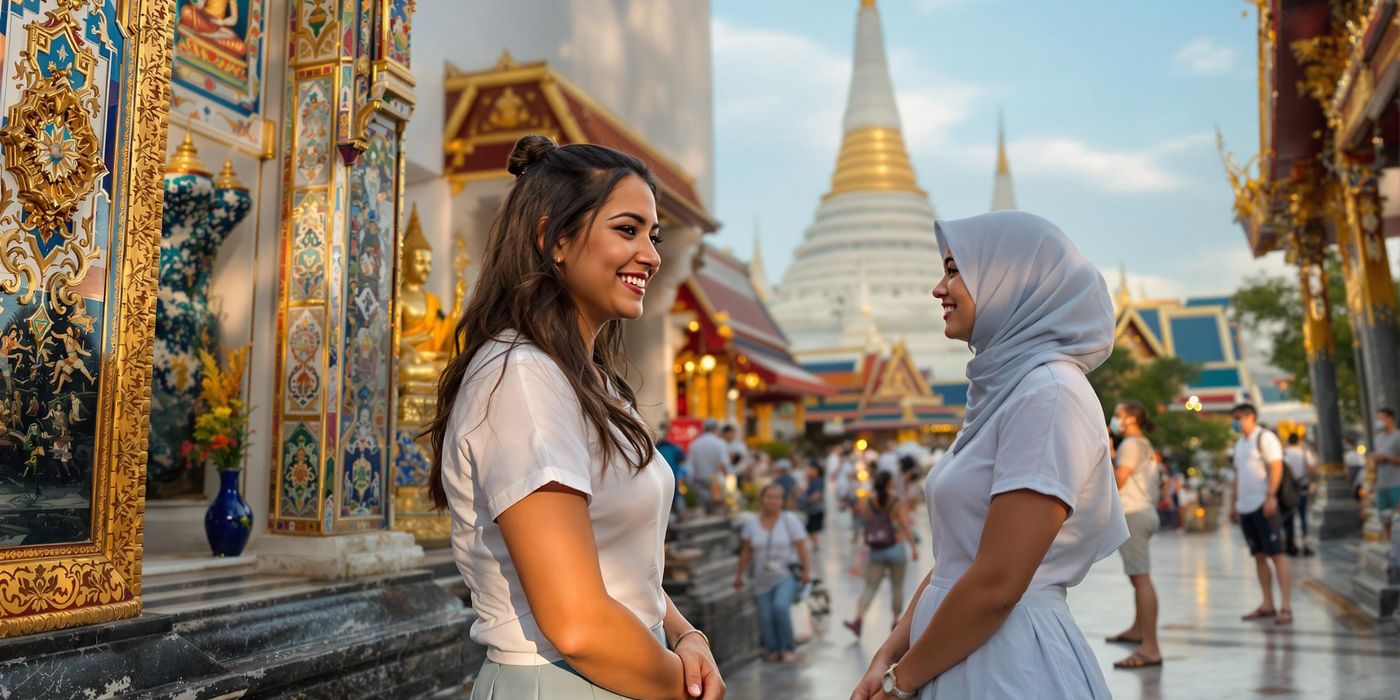
Respect the rules that apply to visitors. This could involve removing your shoes before entering a temple, refraining from loud conversations in quiet spaces, or not taking pictures where it is specifically forbidden.
I remember once visiting a temple in Thailand and accidentally pointing my feet towards a Buddha statue, which is considered highly disrespectful. A local kindly pointed out my mistake, and I was grateful for the gentle correction. It's these small moments of cultural exchange that can make a big difference.
Supporting Local Communities
One of the best ways to contribute to cultural preservation is by supporting local communities. Shop at local markets and businesses, choose locally-owned accommodations and tour operators, and eat traditional dishes at family-run restaurants.
Avoid purchasing counterfeit goods or products that exploit local resources. Instead, look for authentic crafts and souvenirs that are made by local artisans. Engaging with these artisans and learning about their craft can create deeper connections and enrich your travel experience.
Supporting local communities not only helps to sustain their economies but also encourages the preservation of their cultural heritage. When you invest in local businesses, you're investing in the future of the community.
Participating in Cultural Events Responsibly
Attending local festivals and ceremonies can be a wonderful way to experience a culture firsthand. However, it's important to do so with respect and sensitivity. Learn about the significance of the event and avoid any behavior that could be considered disruptive or disrespectful.
Be mindful of the potential negative impacts on local communities. Avoid excessive alcohol consumption, dress appropriately, and be respectful of the traditions and customs being observed.
Before attending a cultural event, I always try to learn about its history and meaning. This helps me to appreciate the significance of the traditions and to engage with the event in a more meaningful way.
Preserving the Environment
Cultural preservation is closely linked to environmental preservation. Many cultural sites are located in ecologically sensitive areas, and the preservation of these sites depends on the health of the surrounding environment.
Reduce waste by avoiding single-use plastics, conserve water and energy, and respect wildlife and their habitats. Choose eco-friendly transportation options and support accommodations that prioritize recycling and sustainable practices.
I always try to integrate sustainable practices into my family's travels. We bring our own reusable water bottles, avoid using plastic bags, and choose accommodations that have a strong commitment to environmental sustainability.
Giving Back: Leaving a Positive Impact
Consider volunteering with local organizations or community projects. Donate to cultural preservation initiatives or support educational programs that promote cultural understanding.
Share your experiences and promote responsible travel to others. Encourage your friends and family to travel respectfully and to be mindful of their impact on local communities.
In addition to sharing your memories, also consider sharing tips on how others can positively impact World Heritage sites while having an amazing journey.
Ultimately, responsible travel is about leaving a positive legacy. It's about recognizing that we are all interconnected and that our actions have consequences. By traveling with respect and intention, we can contribute to the preservation of cultural heritage and create a more sustainable future for all.
Cultural exchange is a two-way street. By engaging with local cultures, we not only learn about the world but also learn about ourselves. These experiences can broaden our perspectives, challenge our assumptions, and deepen our understanding of what it means to be human.
Learn how to travel responsibly and respect the cultural heritage of the places you visit, ensuring your journey supports cultural preservation.