
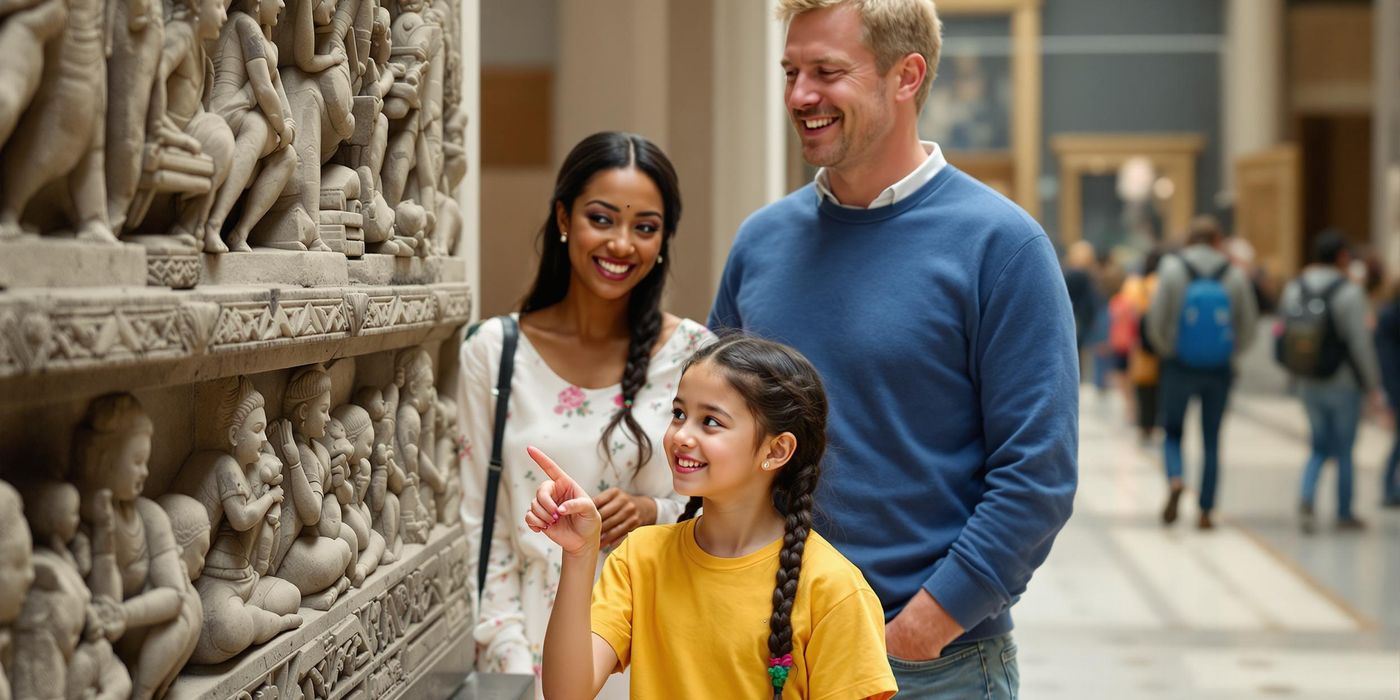
Museums are more than just repositories of artifacts; they are portals to the past, offering us glimpses into different cultures, eras, and perspectives. As a librarian specializing in Southeast Asian history, I’ve always found museums to be invaluable resources for learning and connecting with history. Over the years, I’ve developed a few strategies for making the most of my museum visits, whether I’m exploring the ancient temples of Angkor or a local history museum in Dresden. I'm excited to share these tips with you, so you too can transform your museum visits into enriching and memorable experiences.
Planning Your Historical Journey: Pre-Visit Preparation
Before stepping foot inside a museum, a little preparation can go a long way. Start by researching the museum's collection and exhibits. If you're particularly interested in Southeast Asian history, see if the museum has any relevant artifacts or exhibits. Many museums now have online collections, making it easy to browse from the comfort of your home. For example, when Hans, Lara, and I planned our trip to the British Museum, I spent hours exploring their online collection, identifying key pieces I wanted to see in person.
Next, check the museum's website for special events, temporary exhibitions, or guided tours. These can offer unique insights and perspectives that you might otherwise miss. Consider purchasing tickets online in advance to avoid long queues, especially if you're traveling with children like Lara, who can get restless waiting in line. Also, take a moment to familiarize yourself with the museum's rules and guidelines regarding photography, bags, and food. This will help ensure a smooth and stress-free visit. Finally, think about the best time to visit to avoid crowds. Weekday mornings or off-peak hours are often less busy, allowing you to explore the exhibits at your own pace.
Engaging with History: Experiencing the Exhibits
Once inside the museum, grab a map and prioritize the exhibits that interest you most. Don't feel pressured to see everything; it's better to focus on a few key areas and delve deeper. When you encounter an artifact or exhibit, take your time to observe the details. What materials were used? What symbols or motifs are present? What stories do they tell? Try to connect with the history on a personal level. As someone who grew up in Cambodia, I often find myself reflecting on the parallels between the artifacts I see in museums and the stories my grandparents told me about our country's past.
Don't hesitate to ask questions to museum staff or docents. They are often passionate about the subject matter and can provide valuable insights into the historical context. Discuss the exhibits with your family members or travel companions to share perspectives and enhance understanding. When we visit museums, Hans, Lara, and I always make a point of discussing what we've seen and learned over lunch. This helps us solidify our understanding and appreciate the experience even more. Also, be sure to utilize multimedia resources such as audio guides or interactive displays to enrich the historical narrative.
Leveraging Technology for a Deeper Dive into the Past
In today's digital age, technology can be a powerful tool for enhancing your museum experience. Many museums now offer apps that provide interactive maps, exhibit information, and virtual tours. These apps can help you navigate the museum more efficiently and access additional content that might not be available in the physical exhibits. Explore augmented reality (AR) features to bring historical artifacts to life and provide additional context. For example, some museums use AR to recreate ancient buildings or demonstrate how historical objects were used.
Utilize digital kiosks and touchscreens for in-depth information and interactive displays related to historical events. These resources can provide a more engaging and immersive learning experience. Access online collections and databases to further research historical topics of interest. Many museums have digitized their collections and made them available online, allowing you to continue your exploration long after you've left the museum. Finally, consider virtual reality (VR) experiences for immersive historical reconstructions and virtual tours. VR can transport you to different time periods and places, allowing you to experience history in a whole new way.
Connecting with Local History: Beyond the Museum Walls
To truly connect with history, it's important to venture beyond the museum walls and explore the surrounding area. Take some time to understand the historical significance of the museum's location. What events took place there? What role did the area play in the broader historical narrative? Visit local historical sites or landmarks to complement your museum visit. For instance, if you're visiting a museum about World War II, consider visiting nearby battlefields or memorials.
Engage with local communities and cultural events to gain a broader perspective on the region's history. Attend a local festival, visit a community center, or talk to residents about their experiences and perspectives. Consider walking tours or guided excursions to delve deeper into the area's past. These tours can provide valuable insights and perspectives that you might not find on your own. Finally, reflect on how the museum's exhibits connect with your personal experiences and cultural heritage. How does the history you've learned resonate with your own story? By making these connections, you can create a more meaningful and lasting understanding of the past.
Maximize your museum visits with these tips from a history expert. Learn how to prepare, engage with exhibits, and connect with local history for an enriching experience.