
As a librarian specializing in Southeast Asian history and a mother, I've always believed that travel offers a unique opportunity to blend education with excitement. Our family trips are carefully curated adventures designed to immerse us in different cultures while ensuring everyone, especially our daughter Lara, has a fantastic time. Let's explore how to balance cultural experiences with fun for all ages.
Crafting the Perfect Family Travel Itinerary
The key to a successful family trip lies in the planning. I always involve Hans and Lara in the decision-making process. We start by brainstorming destinations that pique everyone's interest. It's about finding that sweet spot where cultural immersion meets family-friendly activities. For instance, when we visited Cambodia, we knew we wanted to explore the temples of Angkor, but we also factored in time for Lara to enjoy the beaches of Sihanoukville. It’s about balance.
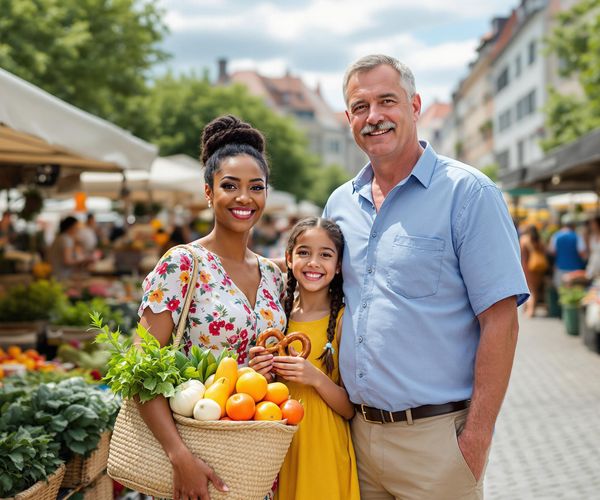
When planning, I try to alternate structured sightseeing with opportunities for spontaneous exploration. A rigid itinerary can quickly lead to travel fatigue, especially for children. Allow for unscheduled moments – a leisurely stroll through a local market, an impromptu stop at a park. These unplanned experiences often turn out to be the most memorable.
One of our most successful trips was to Japan. We spent days exploring ancient temples and gardens in Kyoto, but we also dedicated time to visiting the Ghibli Museum and indulging in the vibrant street food scene of Osaka. The key is to listen to your family's needs and adjust the itinerary accordingly. Flexibility is your friend!
Selecting Kid-Friendly Cultural Activities
Not all cultural activities are created equal, especially when traveling with children. It’s crucial to find activities that are engaging and accessible for different age groups. Forget endless lectures and focus on interactive experiences. Museums can be daunting, but many offer guided tours specifically designed for children, incorporating games and hands-on exhibits.
Food is a fantastic gateway to cultural understanding. Consider taking a local cooking class together. Lara absolutely loved learning how to make pasta in Italy and spring rolls in Vietnam. These experiences are not only fun but also provide a tangible connection to the local culture.
Attending local festivals and events can also provide immersive cultural experiences. We once stumbled upon a traditional dragon boat race in Vietnam, and it was an unforgettable spectacle. The vibrant colors, the lively music, the palpable energy – it was a feast for the senses! Remember to balance these educational experiences with recreational activities. A day at the beach, a visit to a theme park, or simply relaxing by the pool can do wonders for maintaining children's interest and enthusiasm.
Preparing Children for Cultural Immersion
Preparation is key to a smooth and enriching travel experience. Before any trip, I make sure to introduce Lara to the history, customs, and even a few basic phrases in the local language of our destination. It’s about setting the stage and sparking her curiosity.
Managing expectations is also crucial. Talk to your children about what they can expect to see, hear, and experience. Address any potential anxieties they might have about new cultural experiences. Explain that things might be different from what they are used to, but that's part of the adventure.
Teaching children about cultural sensitivity and respect for local traditions is paramount. Explain the importance of dressing appropriately when visiting religious sites, being mindful of local customs, and showing respect for the local people. We often use books, movies, and online resources to learn about the culture and history of our destination before we even pack our bags. For our trip to Cambodia, we watched documentaries about Angkor Wat and read folktales about Khmer mythology. These resources helped Lara connect with her heritage on a deeper level.
Engaging All Ages During Travel
Travel days can be long and tedious, especially for children. To keep Lara entertained and learning, I incorporate educational games and activities into our travel days. We play geography quizzes, learn new words in the local language, and listen to audiobooks about the history of our destination.
I also encourage Lara to keep a travel journal or scrapbook to document her experiences. She writes about what she sees, what she learns, and how she feels. It's a wonderful way for her to reflect on her cultural experiences and create lasting memories.
Fostering meaningful interactions with locals can also enhance the travel experience. Encourage your children to strike up conversations with local children, learn a few phrases in the local language, or even participate in a local volunteering project. While in Thailand, Lara and I helped out at an elephant sanctuary for a day, which was an incredibly rewarding experience.
Finally, remember to be flexible and adapt the itinerary to accommodate the needs and interests of all family members. Travel is an adventure, and sometimes the best experiences are the ones you don't plan. Most importantly, manage screen time and promote unplugged engagement with the surrounding environment. Encourage your children to look up from their devices and truly experience the world around them.
Discover how to plan family trips that blend cultural education with fun activities, ensuring everyone enjoys a well-rounded travel experience. Tips from a librarian and mother.