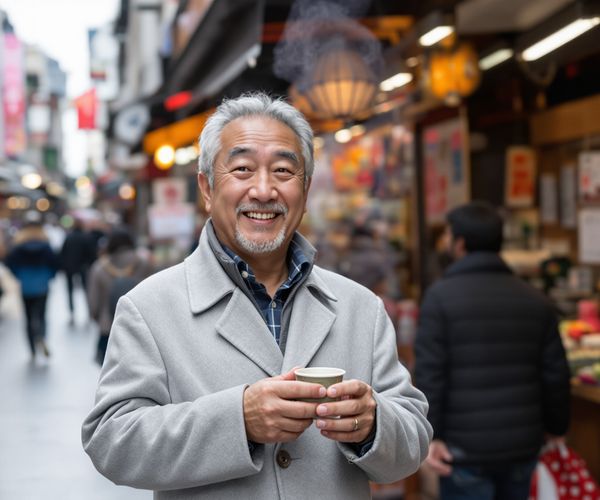
As an antique shop owner with roots in both Japan and Germany, I've always been fascinated by how different cultures balance their rich histories with modern innovations. Travel, for me, isn't just about seeing new places; it's about understanding the intricate dance between tradition and modernity that shapes each destination's unique character. Join me as I share some insights on how to experience both, enriching your journey and broadening your perspective.
Embracing the Old and the New
When we travel, it's easy to get caught up in the must-see landmarks or the latest attractions. However, to truly understand a place, we need to delve into both its past and its present. Experiencing traditional aspects alongside modern elements provides a richer, more nuanced understanding of a destination's culture and identity. My travels in Japan and Europe have been profoundly enhanced by seeking out this balance. In Japan, for instance, the serene beauty of ancient temples contrasts sharply with the vibrant, cutting-edge technology of Tokyo. Similarly, in Europe, the grandeur of historical castles stands in harmony with the contemporary art scene in cities like Berlin. It's this interplay that makes travel so rewarding.
Travel is more than just ticking off sights on a list. It's about discovering the stories etched into ancient stones, the rituals passed down through generations, and the traditions that have shaped communities for centuries. It is about the spirit of the place and the people who live there.
Seeking Out Traditional Experiences
To connect with a destination's past, I always recommend visiting historical sites, museums, and cultural events. These are gateways to understanding the events and people that have shaped a place. Attending local festivals and ceremonies is another fantastic way to witness time-honored customs firsthand. You get to see the culture come alive!
Engaging with local artisans and craftsmen offers a unique opportunity to learn about traditional skills that have been passed down through generations. These skills carry the soul of a place.
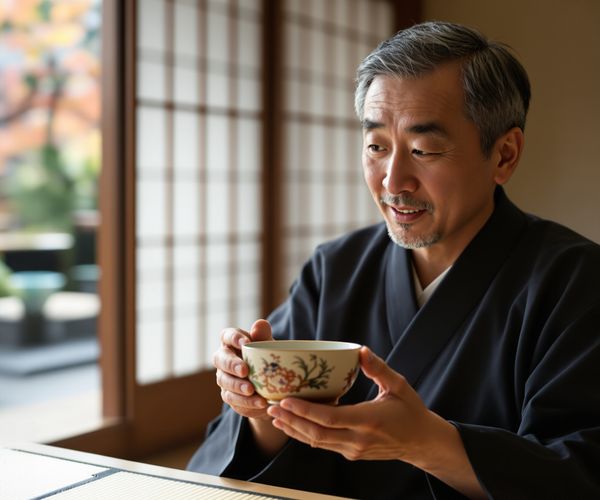
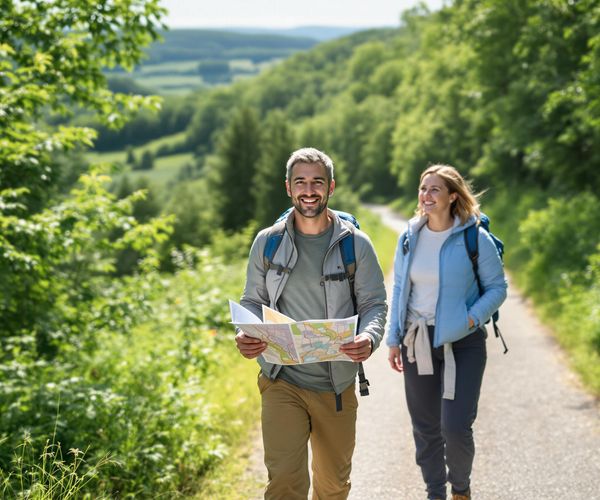
For example, during my travels in Japan, participating in a traditional tea ceremony provided a glimpse into the country's rich cultural heritage. The precise movements, the serene atmosphere, and the exquisite taste of matcha created a truly unforgettable experience. In Europe, exploring medieval castles in Germany transported me back in time, allowing me to imagine life in a bygone era. {image1}
Exploring Modern Innovations
While it's important to appreciate the past, it's equally crucial to explore a destination's modern side. Contemporary art galleries, modern architecture, and innovative technology hubs offer insights into how a place is evolving and adapting to the 21st century. Experiencing local cuisine through modern interpretations of traditional dishes is another delightful way to connect with a destination's present.
A visit to the Ghibli Museum in Tokyo, for instance, showcases Japan's creative spirit and its contributions to the world of animation. Exploring the sustainable architecture in Freiburg, Germany, highlights the country's commitment to environmental responsibility and innovation. These modern experiences complement the traditional ones, providing a holistic view of a destination.
Connecting with Locals
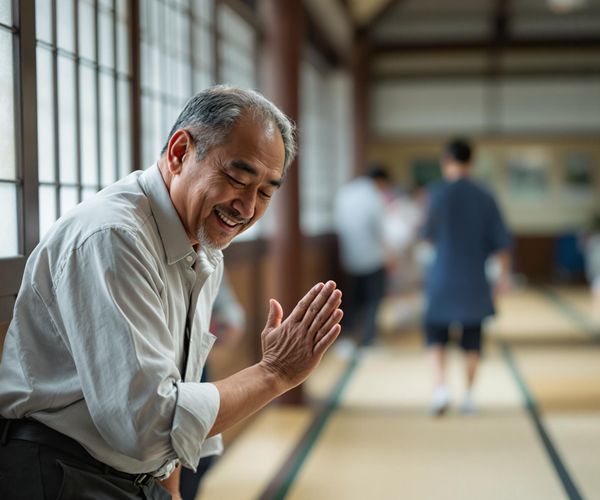
Ultimately, the most rewarding travel experiences come from connecting with local people. Interacting with them provides invaluable insights into their daily lives, perspectives, and values. Staying in locally owned accommodations or participating in community-based tourism initiatives can facilitate these connections.
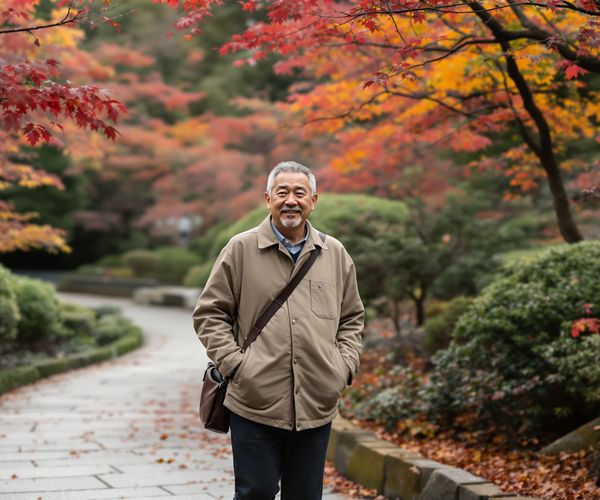
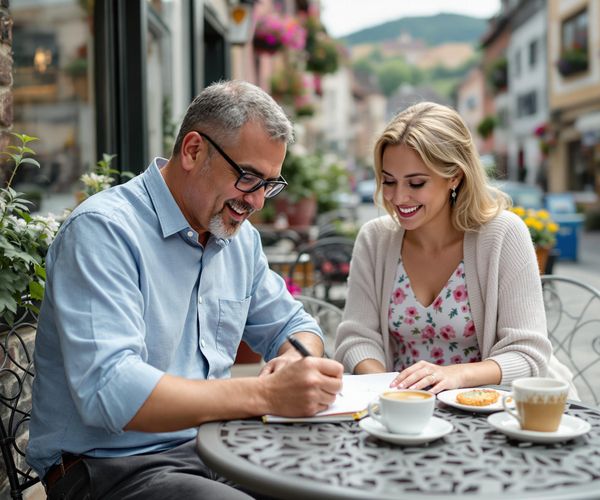
Learning a few basic phrases in the local language can go a long way in fostering meaningful interactions. Even a simple hello or thank you can open doors and create opportunities for connection. {image2}
I remember a time in Kyoto when I was trying to find a specific type of pottery. After struggling with my limited Japanese, an elderly woman noticed my confusion and offered to guide me to a local artisan. We ended up spending the afternoon together, sharing stories and laughter. That encounter not only helped me find the pottery I was looking for but also gave me a deeper appreciation for the warmth and generosity of the Japanese people.
Finding Balance and Harmony
The art of travel lies in finding a balance between tradition and modernity. It's about being open-minded, respectful of different cultures and ways of life, and recognizing that tradition and modernity can coexist and enrich each other. Destinations like Kyoto, Japan, and Scandinavia have successfully blended tradition and modernity, creating unique and vibrant cultural landscapes.
In Kyoto, ancient temples and gardens stand alongside modern skyscrapers and bustling shopping districts. Scandinavia, with its emphasis on sustainability and innovation, has managed to preserve its cultural heritage while embracing progress. These examples demonstrate that it is possible to honor the past while embracing the future.
So, as you plan your next adventure, I encourage you to seek out both the traditional and modern aspects of your destination. Embrace the old and the new, connect with the locals, and discover the balance and harmony that makes each place unique. By doing so, you'll not only see the world but also gain a deeper understanding of yourself and the interconnectedness of humanity.
Explore the art of balancing tradition and modernity in travel, with insights from Japan and Europe. Discover how experiencing both enriches your journey.