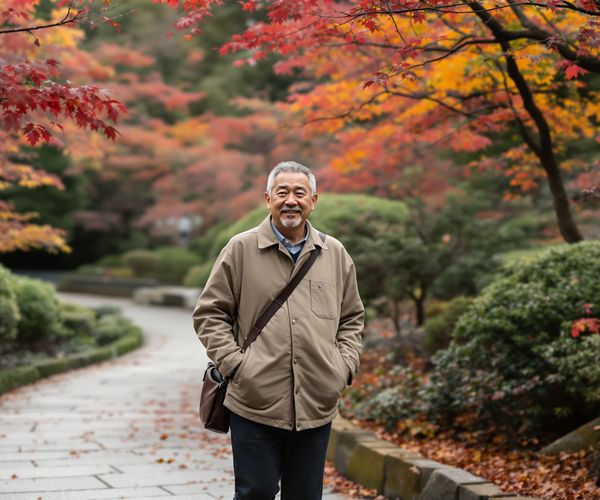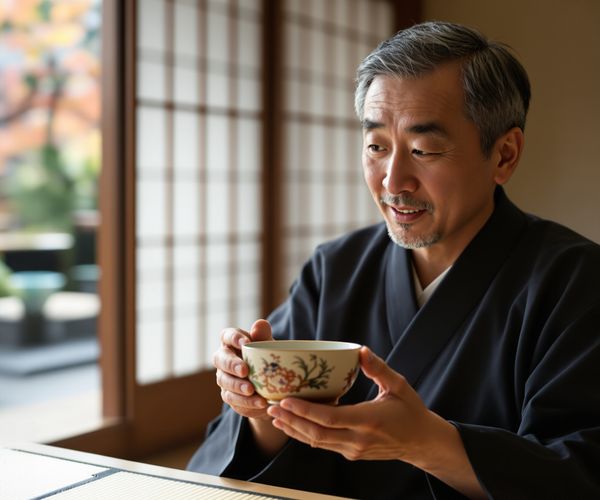
As an antique shop owner with a passion for history, I've always found that the most profound travel memories aren't just seen, but felt and recorded. While photos capture a moment, a travel journal captures the soul of the experience. Let's explore how to keep a travel journal, transforming your trips into lasting, personal stories.
The Allure of the Written Word on the Road
In our digital age, it's easy to snap a photo or post a quick update on social media. But there's a unique magic in putting pen to paper while traveling. Writing allows for a deeper, more intimate connection with the places we visit and the experiences we have. It's a way to slow down, observe more closely, and truly engage with our surroundings.
I recall a trip to my hometown, Matsumoto, Japan. Wandering through the castle grounds, I sat by the koi pond and simply wrote. I described the gentle breeze, the scent of the pine trees, and the vibrant colors of the fish. That entry, more than any photograph, transports me back to that serene moment. Similarly, a quiet afternoon spent journaling in a Heidelberg café, capturing the sounds of the city and the taste of the local coffee, remains a vivid memory because of the details I recorded.
Choosing Your Travel Journal: A Personal Reflection
The type of journal you choose is a deeply personal decision. Options range from classic notebooks to digital apps and even scrapbooks. There's no right or wrong answer – it's about finding what resonates with you.
Personally, I prefer a simple, durable notebook with blank pages. I find the tactile experience of pen on paper to be incredibly satisfying. The portability of a small notebook is also important, as it allows me to jot down thoughts and observations on the go. If you plan to sketch or use ink, consider the paper quality. Thicker paper will prevent bleed-through and allow for a more enjoyable creative process.
Crafting Your Entries: Tips and Techniques
Starting a travel journal can feel daunting, but it doesn't have to be. Start small and build from there. Setting a daily goal, even just a few sentences, can help you establish a routine. Focus on specific themes or aspects of your day, such as the people you met, the food you ate, or the sights you saw.
Embrace creative writing techniques to enrich your narrative. Instead of simply stating facts, try to show, don't tell. For example, instead of writing The market was busy, describe the sounds of vendors hawking their wares, the smells of exotic spices, and the vibrant colors of the produce. Use descriptive language to capture the senses and emotions of the moment, allowing your readers (and yourself) to truly experience your travels.
Prompts for Reflection: Diving Deeper into Your Experiences
Sometimes, the hardest part of journaling is knowing what to write. Thought-provoking prompts can help you delve deeper into your experiences and uncover hidden insights.
Here are a few prompts to get you started:
- What cultural differences did you observe today?
- How has this trip challenged your personal expectations?
- What interactions with locals stood out to you, and why?
- What surprised you most about this place?
- How has this experience changed your perspective?
Don't be afraid to explore your feelings and reactions to new experiences. Travel journaling is a powerful tool for self-discovery and personal growth.
Beyond Words: Enhancing Your Journal with Mementos
Your travel journal doesn't have to be limited to words. Incorporating mementos like ticket stubs, maps, and pressed flowers can add another layer of depth and visual interest. These tangible reminders can evoke powerful memories and transport you back to a specific moment in time.
Consider adding sketches, doodles, or even small collages to visually represent your experiences. These visual elements can complement your writing and create a more dynamic and engaging journal. When collecting mementos, think about how you'll organize them in your journal. Small envelopes or pockets can be helpful for storing loose items.
Finding the Time: Integrating Journaling into Your Travel Routine
One of the biggest challenges of travel journaling is finding the time to write amidst a busy travel schedule. The key is to integrate journaling into your daily routine. Try setting aside a specific time each day, such as during your morning coffee or at the end of the day before bed.
Don't put too much pressure on yourself. Some days you may only have time for a few quick notes, while other days you may be inspired to write for hours. The most important thing is to enjoy the process and allow yourself to be present in the moment. Remember, your travel journal is a personal reflection of your journey, and there's no right or wrong way to do it.
Explore the art of keeping a travel journal, with tips on capturing memories and reflections through writing. Learn how to choose the right journal, craft engaging entries, and incorporate mementos.