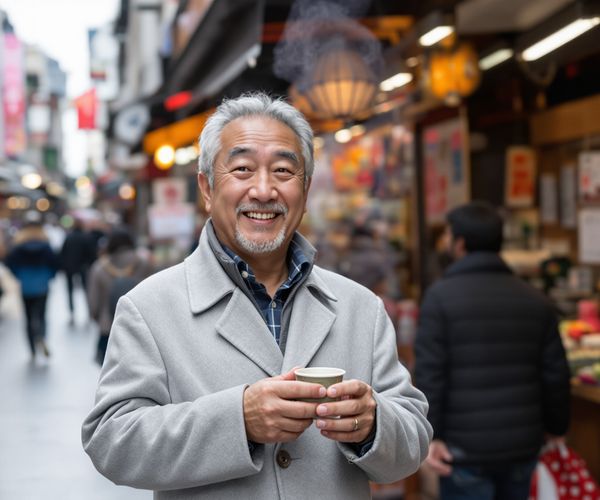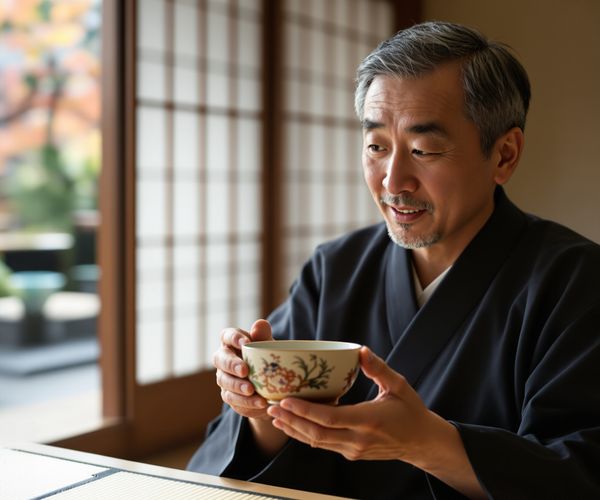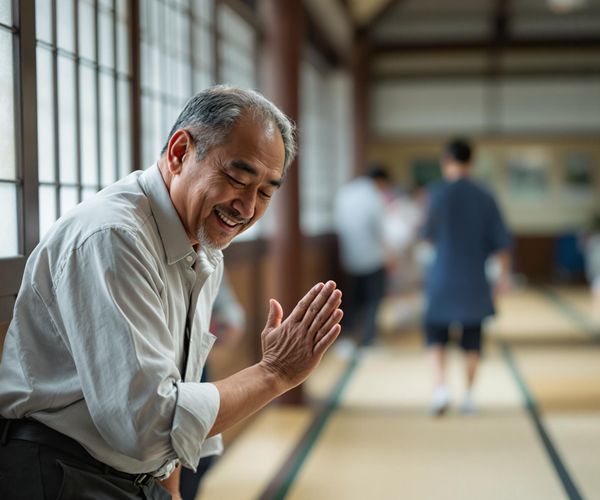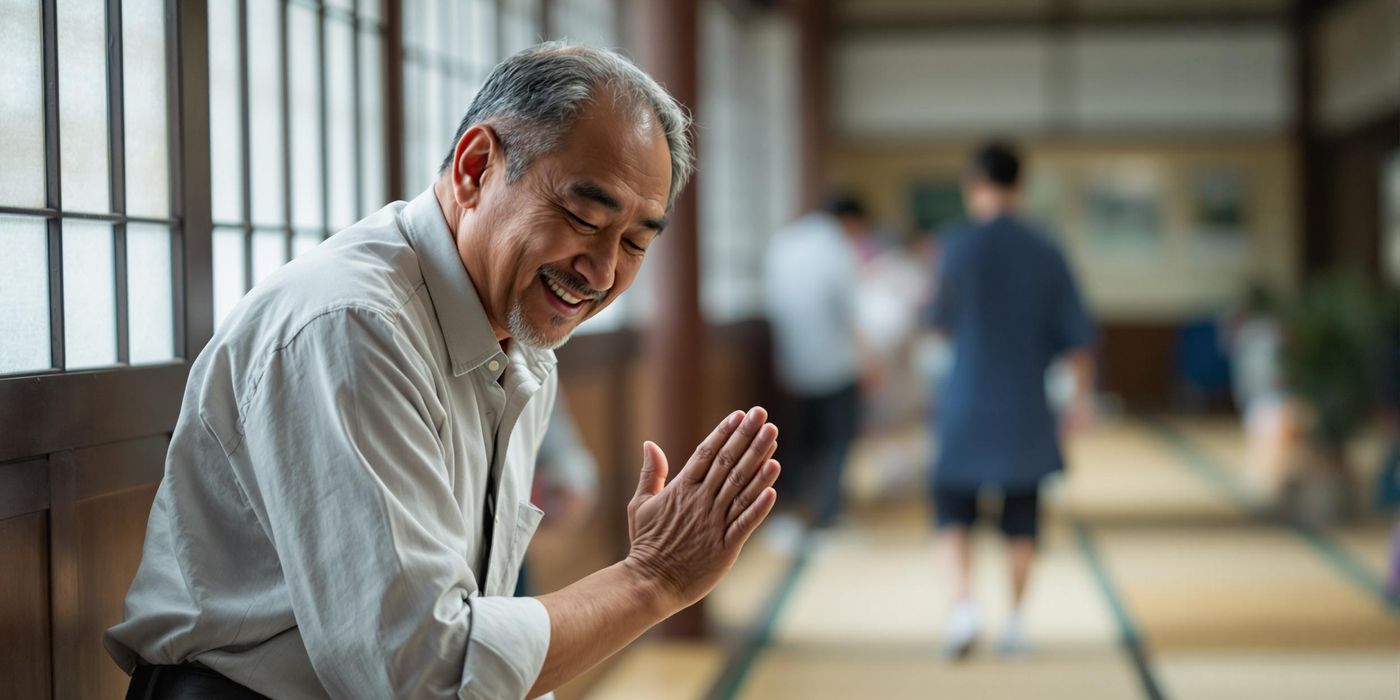
As someone who has journeyed from the serene landscapes of Matsumoto, Japan, to the charming streets of Heidelberg, Germany, I've come to deeply appreciate the nuances of cultural etiquette. These unspoken rules, often invisible to the untrained eye, are the threads that weave the fabric of societies together. Understanding and respecting them is not just polite—it's essential for meaningful travel experiences. Join me as we explore some key aspects of cultural etiquette, ensuring your travels are respectful, enriching, and truly immersive.
Greetings and Introductions
The first point of contact in any culture is the greeting. It sets the tone for all interactions that follow. In Japan, a bow speaks volumes, with the depth and angle conveying levels of respect and formality. In the United States, a firm handshake is the norm, projecting confidence and sincerity. Meanwhile, in many parts of Europe and Latin America, cheek kisses are common, though the number can vary from one to four depending on the country or region. And in Thailand, the 'wai,' a slight bow with hands pressed together, is a sign of respect and gratitude.
Gestures and body language also carry significant weight. What might be considered polite in one culture could be offensive in another. For instance, giving the 'thumbs up' is positive in many Western countries, but in some parts of the Middle East and Latin America, it's considered rude. Similarly, using the left hand for eating or giving objects is seen as unclean in many cultures, including India and parts of the Middle East. Always use your right hand in these situations.
Dining Etiquette
Dining is more than just sustenance; it's a social ritual deeply embedded in culture. Table manners can vary significantly around the world. In France, keeping your hands on the table, not in your lap, is considered good etiquette, signaling that you're engaged in the meal and conversation. Slurping noodles in Japan is a sign that you're enjoying your food, while in many Western cultures, it's frowned upon. In India and Ethiopia, using your right hand to eat is customary, as the left hand is traditionally reserved for personal hygiene.
Customs related to finishing meals also differ. In some parts of China, leaving a small amount of food on your plate indicates that you've been adequately fed and that your host has provided generously. In contrast, in India, it's generally expected that you finish everything on your plate to show appreciation for the meal. And a word of caution for those visiting Japan: never stick your chopsticks upright in a bowl of rice, as this is reminiscent of funeral rituals and is considered highly disrespectful.
Gift-Giving Customs
Gift-giving is a beautiful way to express gratitude and appreciation, but the rules surrounding it can be complex and culturally specific. In Japan, the presentation of a gift is as important as the gift itself. Gifts are often wrapped meticulously, and it's customary to present them with both hands as a sign of respect. In China, be mindful of the symbolism associated with certain numbers and items. For example, avoid giving clocks as gifts, as the phrase sounds similar to 'attending a funeral.' Also, the number four is considered unlucky because its pronunciation is similar to the word for 'death.' In Italy or South Africa, bringing sweets or flowers when visiting someone's home is a thoughtful gesture.
The colors used in wrapping paper and ribbons can also carry symbolic meaning. In many Asian cultures, red is considered auspicious and is often used for celebratory occasions. However, in some Western cultures, red can symbolize anger or danger. Understanding these nuances can help you avoid unintentional faux pas and show genuine thoughtfulness.
Dress Codes and Public Behavior
How we dress and behave in public spaces reflects our respect for local customs and values. Dressing modestly is particularly important when visiting religious sites or conservative communities. In the Middle East, it's advisable to cover your shoulders and knees, especially when entering mosques or other sacred places. In many Asian countries, removing your shoes before entering homes or temples is a sign of respect for the cleanliness and sanctity of the space.
Tolerance for public displays of affection (PDA) also varies widely across cultures. While holding hands or a quick embrace might be acceptable in some Western countries, more overt displays of affection can be considered inappropriate or even offensive in more conservative societies. Similarly, respecting silence and avoiding loud conversations in sacred spaces demonstrates reverence for the place and its purpose.
Respecting Religious and Cultural Sites
Sacred places are the heart and soul of many cultures, and treating them with reverence is paramount. When visiting temples, churches, or mosques, it's essential to dress modestly, observing prayer times, and asking permission before taking photos. Remember that these are not merely tourist attractions but active places of worship and spiritual significance.
Be mindful of local sensitivities and avoid treating traditions as mere spectacles. Learning about specific regulations or restrictions at cultural landmarks is crucial. For example, some sites may prohibit the consumption of certain foods or drinks, while others may have specific rules about photography or attire. By being informed and respectful, you can contribute to the preservation of these invaluable cultural treasures.
Language and Communication
Even a few basic phrases in the local language can go a long way in showing respect and building rapport with locals. Saying 'hello,' 'thank you,' and 'excuse me' in the native tongue demonstrates a willingness to engage with the culture and make an effort to connect with the people.
Non-verbal communication is equally important. Be aware of potential misinterpretations of gestures and body language. Eye contact, for example, can be seen as a sign of respect in some cultures, while in others, it may be considered confrontational or disrespectful. Patience and active listening are key to effective cross-cultural communication. Take the time to understand what is being said, both verbally and nonverbally, and be mindful of your own communication style to avoid misunderstandings.
A comprehensive guide to understanding and respecting cultural differences while traveling, covering greetings, dining, gift-giving, dress codes, and communication.