Hello fellow travelers! Tanaka Hiroshi here, ready to share some thoughts on a way of seeing the world that’s close to my heart: slow travel. It’s a philosophy that has enriched my life, both in my journeys and in my everyday existence here in Heidelberg, and I’m excited to share it with you.
Discovering the Essence of Slow Travel
Slow travel, at its core, is about prioritizing depth over breadth. It's a deliberate choice to savor each moment, to truly connect with a place rather than rushing through a checklist of tourist attractions. It stands in stark contrast to the whirlwind tours that have become so common, where one crams as many sights as possible into a limited timeframe. Instead of ticking off destinations, slow travel invites you to immerse yourself in the local culture, to understand its rhythms and nuances. It’s about quality over quantity, connection over conquest.
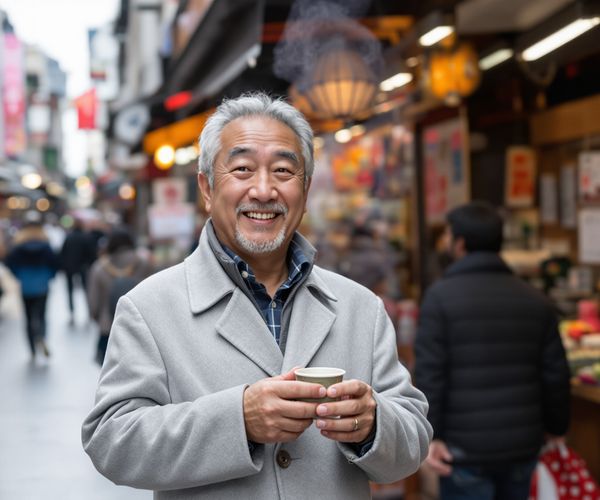
I remember a trip to Matsumoto, my hometown, a few years ago. Initially, I had planned a packed itinerary, eager to revisit every familiar haunt. But then, I decided to simply wander, without a fixed agenda. It was then that I stumbled upon a small, family-run confectionery shop tucked away in a quiet alley. The aroma of freshly made sweets drew me in, and I ended up spending hours chatting with the elderly owner, learning about the history of his craft, a tradition passed down through generations. That unplanned encounter became the highlight of my trip, a far richer experience than any famous landmark could have offered. That's the magic of slow travel.
The Allure of Cultural Immersion
One of the most rewarding aspects of slow travel is the opportunity it provides for deeper cultural immersion. When you linger in a place, you begin to see beyond the surface, to understand the stories woven into the fabric of daily life. Engaging with local communities and traditions becomes more than just a tourist activity; it becomes a way to connect with the heart and soul of a place.
There are countless ways to immerse yourself in a culture. Consider learning a local craft, whether it's pottery in a small Italian village or calligraphy in Japan. Participate in a local festival, allowing yourself to be swept up in the music, dance, and communal spirit. Or take a cooking class, learning to prepare traditional dishes with ingredients sourced from local markets. These experiences offer a window into the values, beliefs, and customs of a community.
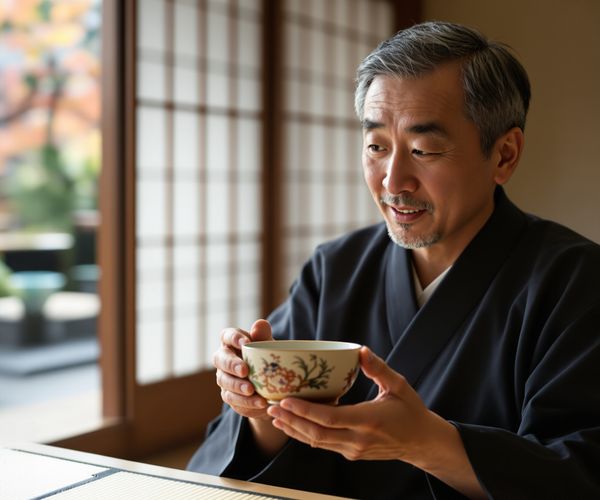
Living in Heidelberg, I've had the pleasure of learning about German folklore from Frau Schmidt, an elderly woman who lives down the street from my antique shop. Over cups of tea, she shares tales of mythical creatures and ancient traditions, stories that bring the history of this region to life in a way that no textbook ever could. Similarly, during my visits to Matsumoto, I always make time to visit the local craft centers, where artisans demonstrate traditional techniques such as woodblock printing and lacquerware. These encounters are not just educational; they are deeply enriching, fostering a sense of connection and understanding.
Enriching Personal Connections
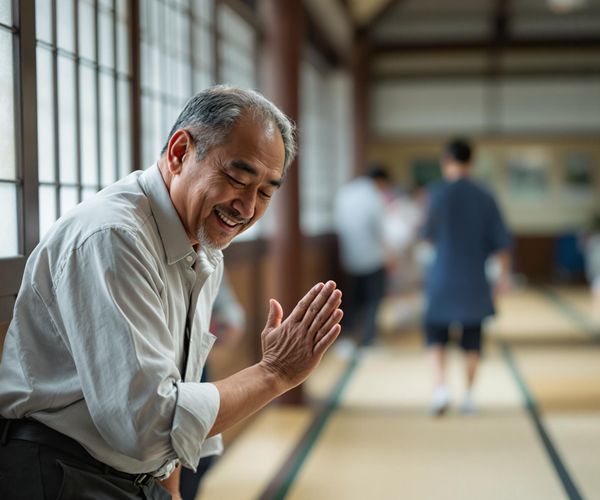
Slow travel isn't just about connecting with a place; it's also about connecting with people. When you slow down, you create space for meaningful interactions with locals, opportunities to build relationships and understand different perspectives. These connections can be transformative, broadening your horizons and challenging your assumptions.
There are many ways to foster these connections. Consider staying in local accommodations, such as a guesthouse or a family-run hotel, rather than a large chain. These smaller establishments often offer a more personal experience, with hosts who are eager to share their knowledge of the area. Volunteering is another excellent way to connect with locals, allowing you to contribute to the community while learning about its challenges and triumphs. And simply attending local events, from farmers' markets to community gatherings, can open doors to unexpected friendships.
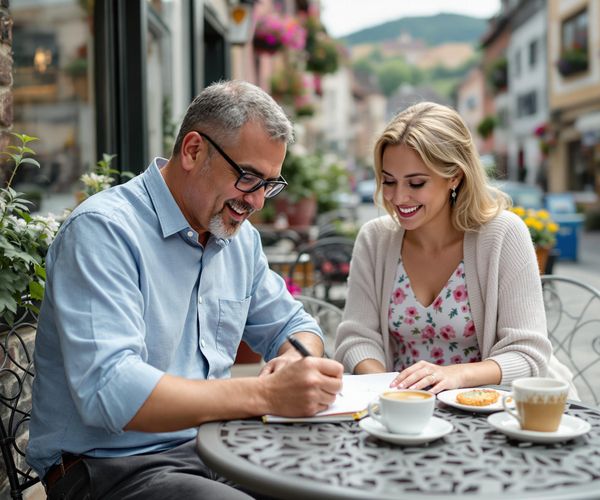
I recall meeting another antique collector during one of my trips. We bonded over our shared passion for preserving history and spent hours discussing the stories behind different artifacts. That chance encounter led to a lasting friendship, and we continue to exchange ideas and insights to this day. These are the kinds of connections that make travel truly meaningful.
Slowing Down for Self-Enrichment
Beyond cultural immersion and personal connections, slow travel also offers profound benefits for self-enrichment. When you slow down, you create space for mindfulness, self-reflection, and a deeper connection with your inner self. It's an opportunity to escape the pressures of modern life and rediscover what truly matters.
The benefits of reduced stress and enhanced well-being are well-documented. Studies have shown that spending time in nature can lower blood pressure, reduce anxiety, and improve overall mood. Engaging in mindful activities such as journaling, meditation, or simply observing your surroundings can help you cultivate a sense of presence and gratitude.
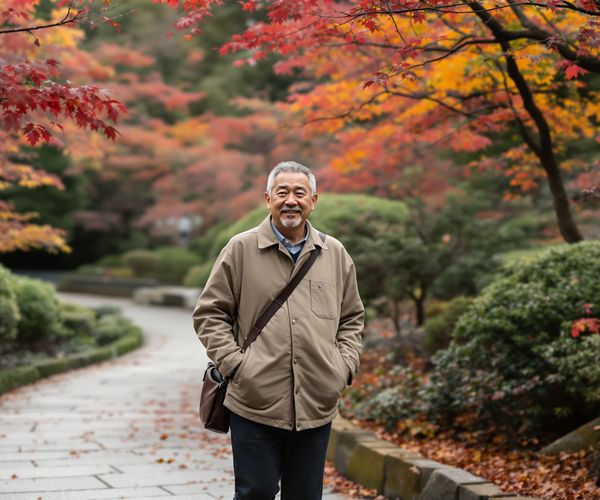
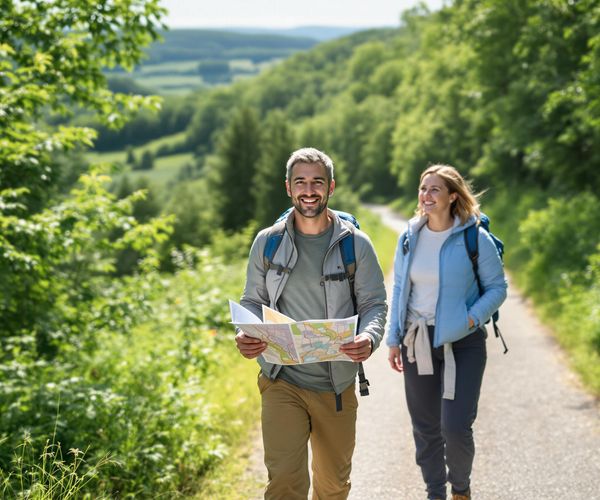
I find immense peace and clarity through hiking in the Odenwald forest near Heidelberg. The rustling of the leaves, the scent of the earth, the dappled sunlight filtering through the trees – these sensory experiences quiet my mind and allow me to reconnect with nature. Similarly, I find solace in gardening, tending to my small plot of land and watching the seasons unfold. These simple activities remind me of the beauty and resilience of life, fostering a sense of calm and contentment.
Practical Tips for Planning a Slow Travel Itinerary
So, how do you plan a slow travel trip? Here are a few practical tips to get you started:
- Choose fewer destinations and stay longer in each place. Resist the urge to cram too much into your itinerary. Instead, focus on a smaller area and allow yourself ample time to explore it thoroughly.
- Utilize local transportation. Opt for trains, buses, or even bicycles instead of airplanes or rental cars. This will not only reduce your carbon footprint but also allow you to experience the landscape at a more leisurely pace.
- Seek out authentic experiences. Look beyond the typical tourist attractions and seek out opportunities to engage with local culture. Visit local markets, attend community events, and try traditional cuisine.
- Embrace flexibility and spontaneity. Don't be afraid to deviate from your itinerary if something interesting catches your eye. Allow yourself to be guided by curiosity and intuition.
In terms of research, I always start by delving into the local history. I find that understanding the historical context of a place adds depth and meaning to my travels. I spend hours poring over old maps, historical documents, and local archives, searching for hidden stories and forgotten landmarks. This research often leads me to unique and off-the-beaten-path destinations that I would never have discovered otherwise.
Slow travel is more than just a way to see the world; it's a way to live. It's about slowing down, connecting with people and places, and enriching your own life in the process. I hope this inspires you to embrace the journey and discover the art of slow travel for yourself.
Tanaka Hiroshi shares his insights on slow travel, emphasizing cultural immersion, personal connections, and self-enrichment. Discover practical tips for planning a slow travel itinerary.