In today's fast-paced world, travel often feels like a race against time, a whirlwind of sights and sounds where we rush from one landmark to another, barely pausing to absorb the essence of a place. But what if we could travel differently? What if we could slow down, breathe, and truly connect with the destinations we visit? Erika and I have found immense joy in embracing the art of slow travel, and I'm eager to share our experiences and insights with you.
What is Slow Travel?
Slow travel is a conscious choice to move away from conventional tourism, which often prioritizes seeing as many attractions as possible in a limited time. Instead, it emphasizes quality over quantity, encouraging travelers to immerse themselves in the local culture and seek authentic experiences. It's about savoring your surroundings, engaging with the community, and allowing yourself to be present in the moment.
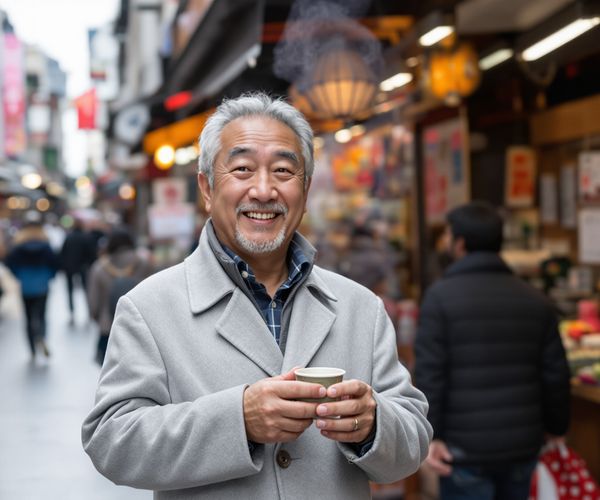
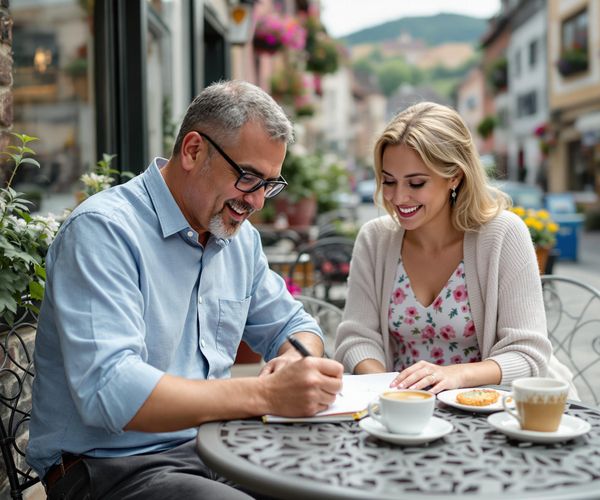
Think of it as the antithesis of ticking off items on a checklist. It’s about lingering in a local café, striking up a conversation with a shopkeeper, or simply sitting in a park and observing the rhythm of daily life. It's about truly experiencing a place, not just seeing it from the window of a tour bus.
The Benefits of Slowing Down
The benefits of slow travel are numerous and far-reaching. For Erika and myself, it has transformed the way we experience the world.
- Deeper cultural immersion and understanding: By spending more time in a single location, you have the opportunity to delve deeper into the local culture, traditions, and history. You can learn about the nuances of daily life, understand the values of the community, and develop a genuine appreciation for the place and its people.
- Reduced stress and enhanced well-being: Rushing from one place to another can be exhausting and stressful. Slow travel allows you to relax, unwind, and recharge. You can take your time, enjoy the journey, and avoid the pressure of constantly being on the go.
- Opportunities for personal growth and self-reflection: When you slow down, you create space for introspection and self-discovery. You can reflect on your experiences, challenge your assumptions, and gain new perspectives on life.
- Stronger connections with locals and fellow travelers: Slow travel encourages interaction and engagement. You're more likely to meet locals, strike up conversations, and form meaningful connections. You may also encounter fellow travelers who share your passion for slow travel, creating opportunities for camaraderie and shared experiences.
- Reduced environmental impact through sustainable practices: By traveling slower and choosing local accommodations, transportation, and products, you can minimize your carbon footprint and support sustainable tourism.
Tanaka and Erika's Slow Travel Experiences
Erika and I have always been drawn to historical sites and local cultural experiences. We find that immersing ourselves in the past and present of a place enriches our understanding and appreciation of the world.
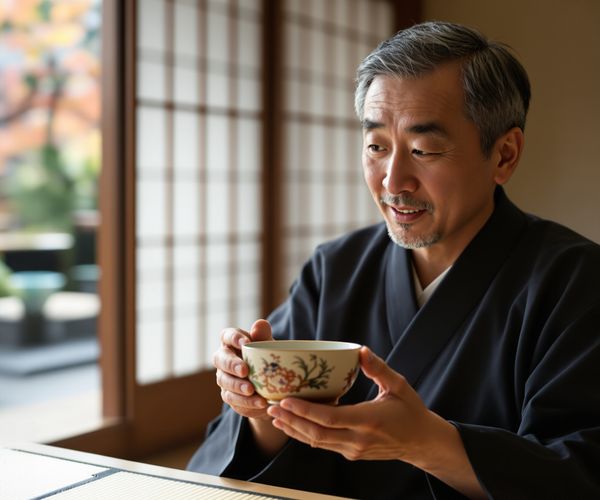
For example, during our visit to Kyoto, Japan, we spent two weeks exploring the city's numerous temples, gardens, and museums. Instead of rushing through each site, we took our time to admire the architecture, learn about the history, and soak in the atmosphere. We visited the Kiyomizu-dera Temple early in the morning to avoid the crowds and witness the sunrise over the city. We also participated in a traditional tea ceremony, learning about the art and etiquette of this ancient practice.
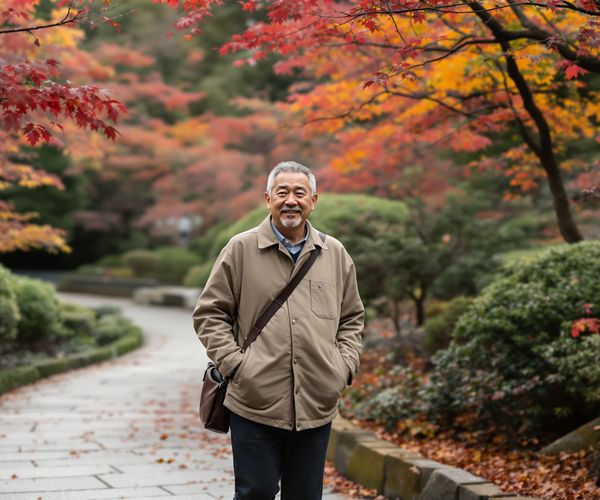
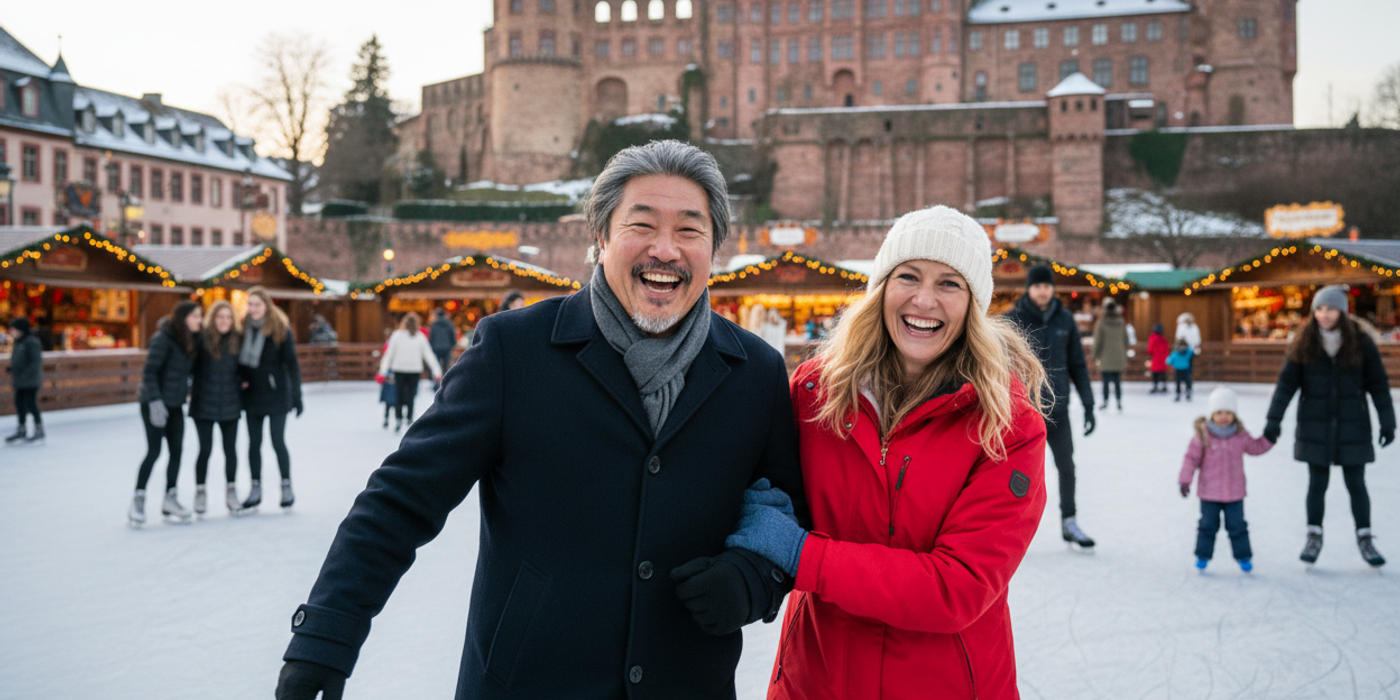
In Heidelberg, where we currently reside, we often take leisurely walks along the Neckar River, exploring the charming streets and hidden corners of the city. We visit the Heidelberg Castle, a magnificent ruin that stands as a testament to the city's rich history. We also frequent the local markets, sampling regional delicacies and chatting with the vendors.
Our travels always reflect our shared interests in history, art, and local cuisine. We believe that these elements are essential for understanding the culture and character of a place.
Tips for Planning a Slow Travel Itinerary
If you're interested in embracing the art of slow travel, here are some tips to help you plan your itinerary:
- Choose fewer destinations and spend more time in each location: Resist the urge to cram too many places into your trip. Instead, select a few destinations that genuinely interest you and dedicate ample time to exploring them thoroughly.
- Opt for local accommodations like guesthouses or apartments: Staying in local accommodations allows you to experience the destination from a more authentic perspective. You'll have the opportunity to interact with locals, learn about their culture, and support the local economy.
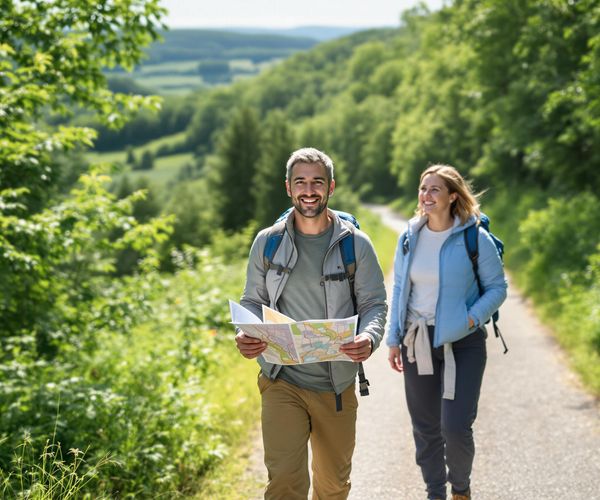
- Utilize public transportation and explore destinations on foot or by bicycle: Avoid renting a car whenever possible. Public transportation is a great way to experience the local culture and reduce your environmental impact. Walking and cycling allow you to explore at your own pace and discover hidden gems that you might otherwise miss.
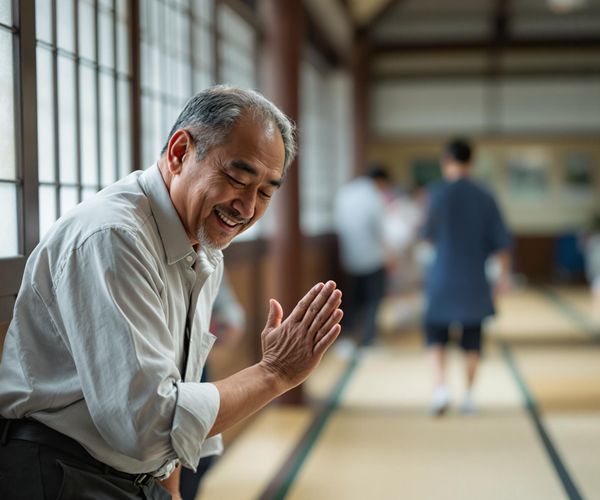
- Engage with locals and participate in cultural activities: Attend local festivals, take cooking classes, or volunteer for a local organization. These activities will provide you with opportunities to connect with locals and learn about their culture firsthand.
- Allow for spontaneity and unstructured time to wander and observe: Don't over-plan your itinerary. Leave room for spontaneity and allow yourself to wander and observe. You never know what hidden gems you might discover.
- Learn basic phrases in the local language to enhance interactions: Even a few basic phrases can go a long way in building rapport with locals and showing your respect for their culture.
Explore the concept of slow travel, offering readers advice on how to travel at a leisurely pace, and the benefits of this travel style.