Solo Cultural Expedition in Tilcara
Day 1: Stepping Back in Time: Exploring Ancient Civilizations in Tilcara
Uncover the secrets of pre-Inca history at Pucará de Tilcara and delve into Andean culture at Museo Arqueológico Eduardo Casanova.
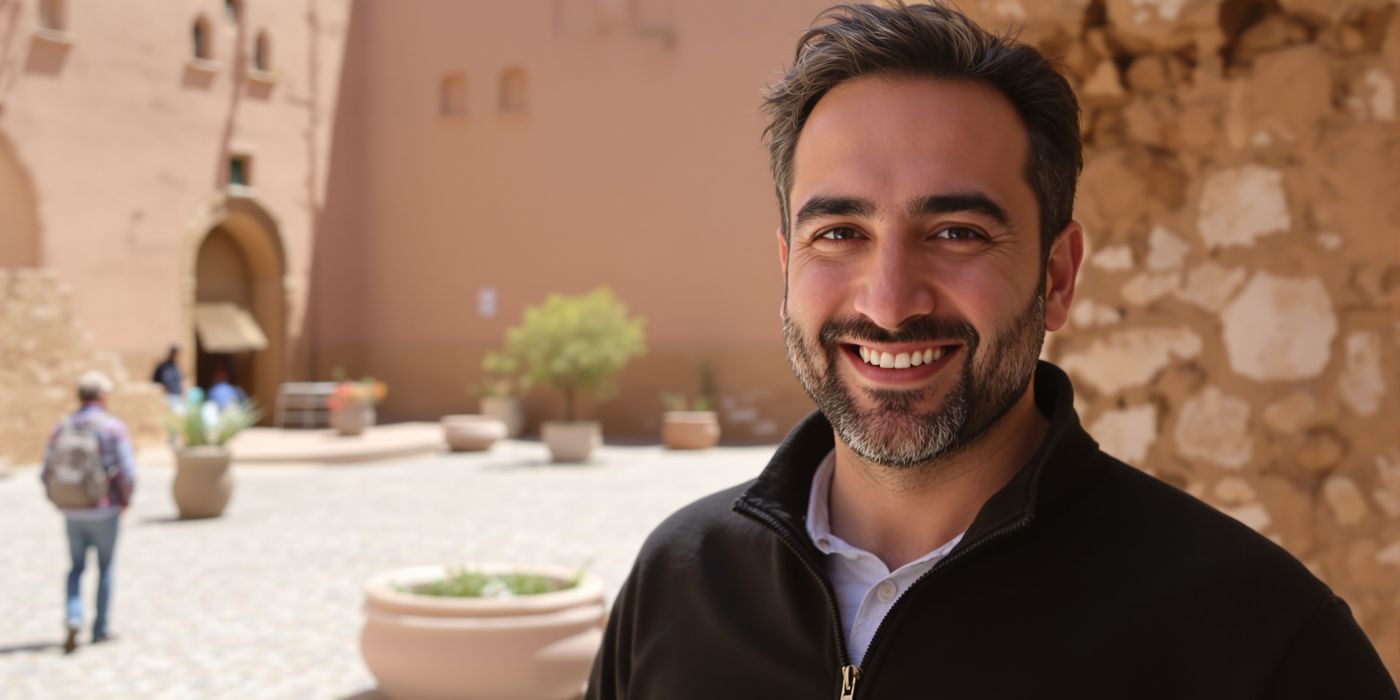
Echoes of the Past in Tilcara
My first day in Tilcara was nothing short of transformative. It's a place where the echoes of ancient civilizations resonate deeply, inviting you to not just observe, but to truly experience history. Today was all about immersing myself in the rich tapestry of this region's past, and I couldn't wait to see what I would discover.
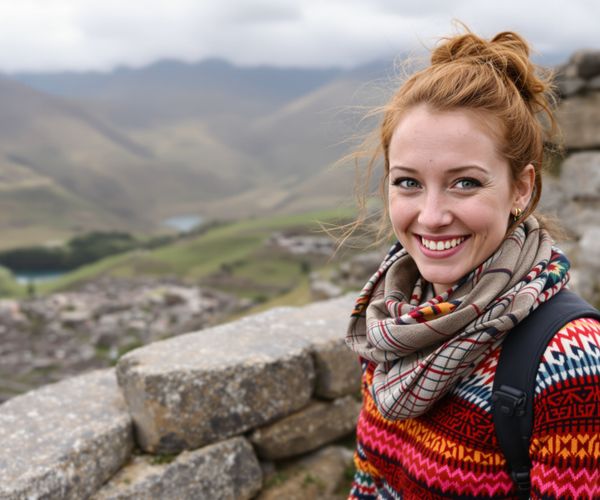
My day began with a hearty breakfast at A La Payla Restaurant. Fuelled with local flavors, I set off to explore the famed Pucará de Tilcara. The air was crisp, typical of October in this region, with a gentle breeze hinting at the warmer days to come. As I ascended the hill leading to the fortress, I couldn't help but marvel at the landscape. The views overlooking the Quebrada de Humahuaca were already breathtaking, and I knew this was just the beginning.
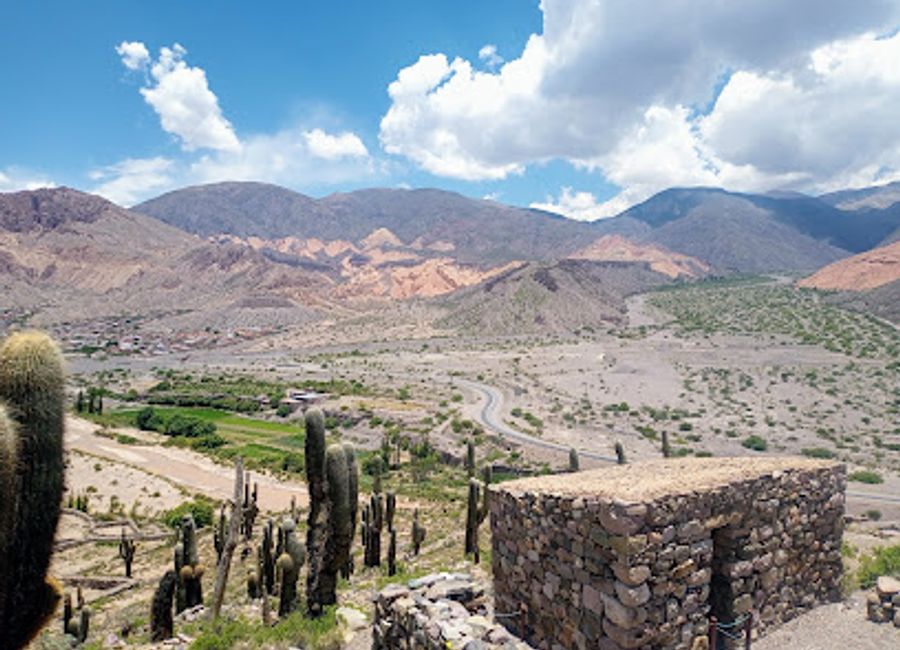
Explore the Pucará de Tilcara, a pre-Inca fortress in Jujuy, offering a glimpse into ancient Andean life and stunning views of the Quebrada de Humahuaca.
Pucará de Tilcara is a pre-Inca fortification, or pukara, strategically perched on a hill overlooking Tilcara. It was built around the 12th century by the Omaguaca tribe, known for their expertise in agriculture, weaving, and pottery, as well as their warrior spirit. The location was chosen for its defensive advantages, providing expansive views of the Quebrada de Humahuaca. As I wandered through the stone structures, I imagined what life must have been like for the more than 2,000 inhabitants who once called this place home.
The fortress was more than just a residential area; it included corrals for animals, ceremonial sites, and burial grounds. The small, square stone buildings, constructed without mortar, featured narrow doorways and no windows, designed to conserve heat in the high-altitude desert. It was fascinating to see how the Omaguaca people adapted to their environment, creating a thriving community in this rugged landscape.
In the late 15th century, the Incas, under Tupac Inca Yupanqui, conquered the tribes of the Quebrada and used the pucará as a military outpost. Their reign, however, was short-lived, ending with the arrival of the Spanish in 1536. The Spanish founded the modern town of Tilcara in 1586.
I spent hours exploring the Pucará, captivated by the history and the stunning views. The site has been partially reconstructed since its rediscovery in 1908 by Juan Bautista Ambrosetti, an ethnographer from the University of Buenos Aires, and his student Salvador Debenedetti. Though some modern archaeologists have different approaches, I appreciated the effort to give visitors a sense of the original settlement.
History is not a burden on the memory but an illumination of the soul.
After immersing myself in the ancient history of Pucará de Tilcara, I descended back into the town for a late lunch at Restaurante Azul. The local cuisine was as vibrant and rich as the landscape itself. With a full stomach and a mind buzzing with historical insights, I made my way to the Museo Arqueológico Eduardo Casanova.
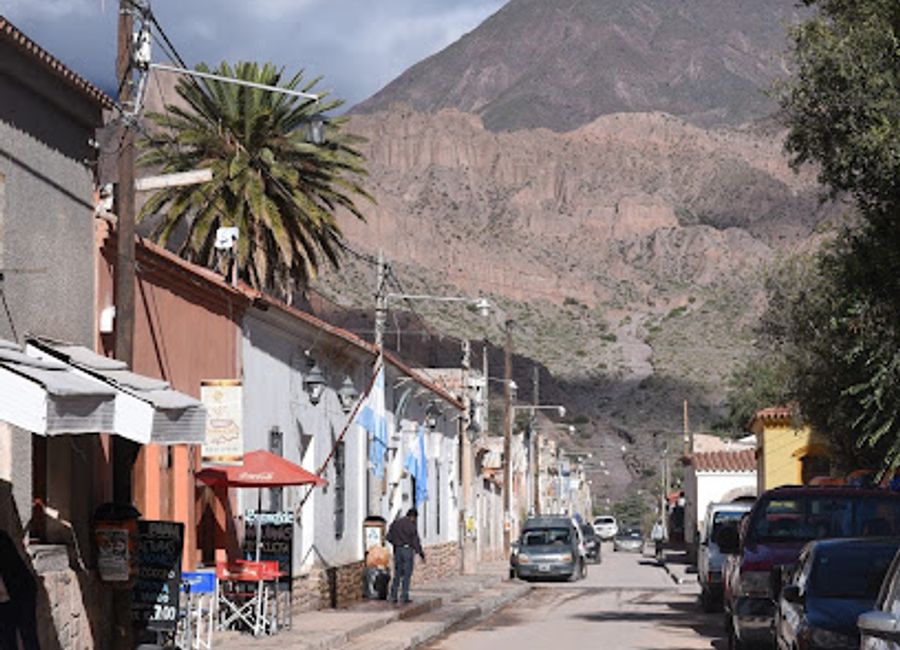
Uncover the rich archaeological heritage of Tilcara at Museo Arqueológico Eduardo Casanova, a must-visit for history enthusiasts.
The Museo Arqueológico Eduardo Casanova, located just off the main plaza, was founded in 1968 and depends on the Facultad de Filosofía y Letras de the UBA. It is named after Eduardo Casanova, who continued the restoration work of Pucará de Tilcara. The museum boasts an extensive collection of archaeological objects from South America, with a particular focus on the pre-Hispanic cultures of the region.
The museum's exhibits span from the hunter-gatherer groups to the Spanish conquest. There are eight rooms filled with artifacts, including ceramics, metal tools, and textiles. One of the most striking displays features masks and gold ornaments found in the Quebrada de Humahuaca. I was particularly impressed by the ceramics and textiles from the Nazca, Mochica, Chimú, Paracas, and Inca cultures.
The Museo Arqueológico Eduardo Casanova complements the visit to the Pucará perfectly. It provides context and depth to the history of the region, allowing visitors to understand the cultural evolution that took place here. The museum also conducts ongoing research in social anthropology and archaeology, contributing to our understanding of the Andean world.
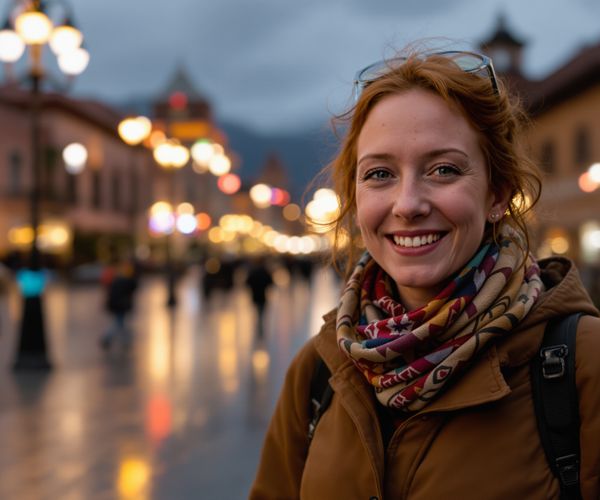
As the day drew to a close, I found myself at Viejo Olivo, Bar de Vinos y Tapas, a cozy spot to reflect on the day's adventures.
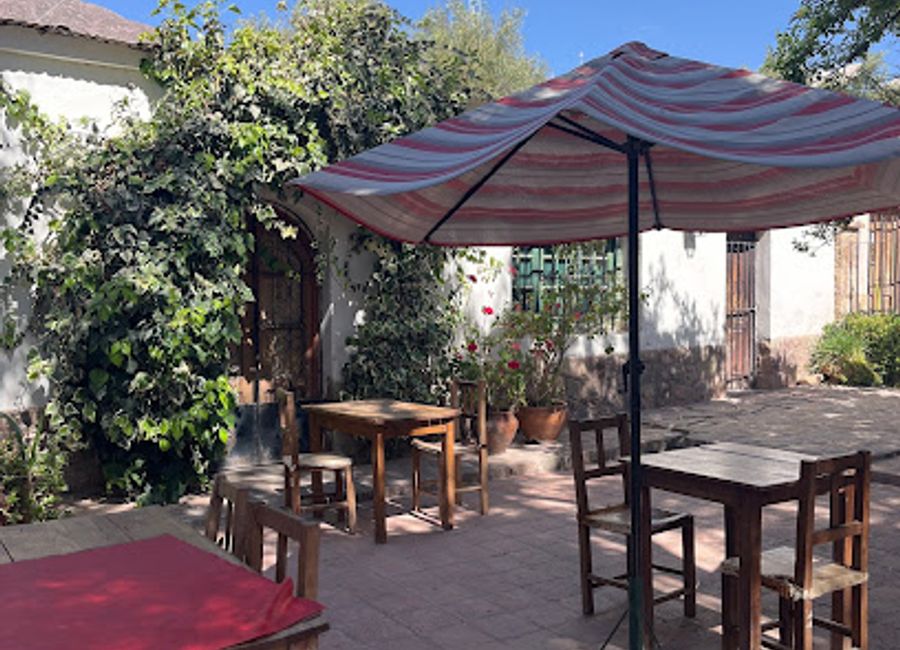
Experience the perfect blend of local wines and tapas at Viejo Olivo, Tilcara's premier wine bar and culinary gem in the heart of Jujuy Province.
Sipping on a glass of local wine, I couldn't help but feel grateful for the opportunity to explore such a historically rich and culturally vibrant place. The conversations with fellow travelers and locals alike added another layer to my understanding of Tilcara and its people.
Tilcara has a moderate climate, with pleasant temperatures in October, although the nights can get cool. The average daytime temperature hovers around 19°C, dropping to about 5°C at night. Packing a light jacket is essential for evenings.
Tomorrow, I plan to explore the Garganta del Diablo and the Altura Botanical Garden. Each day here seems to promise new discoveries and deeper insights into the heart of Andean culture.
As I prepare for my next adventure, I am reminded of the importance of preserving and celebrating these historical treasures. Tilcara is not just a destination; it's a living museum, a testament to the resilience and ingenuity of the human spirit. And with that, I bid you goodnight from this enchanting corner of Argentina.
Before drifting off to sleep, I made a mental note to try and find sunscreen and a Spanish phrasebook tomorrow. I realised today that I had forgotten them, and they would have been very useful.
Kian would have loved exploring the Pucará; I will have to bring him here one day. Greta would have enjoyed the museum; I know how much she likes history. I will have to tell them both about this amazing experience.
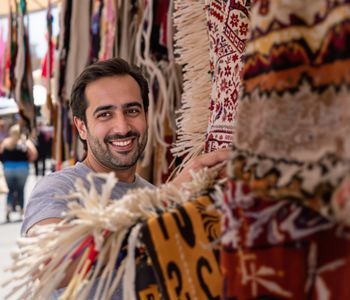
Discover the cultural richness and stunning landscapes of Tilcara, Argentina, on a solo journey filled with history, music, and breathtaking views.
Meet this Featured Explorer

-
 Occupation:
Restorer of historical musical instruments
Occupation:
Restorer of historical musical instruments
-
 Country:
Germany
Country:
Germany
-
 Age:
39
Age:
39
Ahlan wa Sahlan! I'm Amir Hosseini, a restorer of historical musical instruments by trade, but a traveler and storyteller at heart. Born in the ancient city of Khowrzuq, Iran, and now residing in beautiful Bamberg, Germany, with my wonderful wife, Greta, and our energetic son, Kian, I've always been drawn to the world's diverse cultures and captivating histories. On Evendo, I share my personal journeys, offering insights, tips, and reflections for those seeking authentic and enriching travel experiences. Join me as I explore the intersection of history, music, and culture, one destination at a time.
- History
- Music (especially classical and traditional Iranian music)
- Cultural Anthropology
- Photography
- Culinary Arts
Find Similar Travel Diaries
Explore locations from this diary
-
Pucará de Tilcara
Explore the Pucará de Tilcara, a pre-Inca fortress in Jujuy, offering a glimpse into ancient Andean life and stunning views of the Quebrada de Humahuaca.
-
Museo Arqueológico Eduardo Casanova
Uncover the rich archaeological heritage of Tilcara at Museo Arqueológico Eduardo Casanova, a must-visit for history enthusiasts.
-
A La Payla Restaurant
Discover authentic Argentine flavors at A La Payla Restaurant in Tilcara - where tradition meets culinary excellence.
-
Restaurante Azul
Experience authentic Argentine cuisine at Restaurante Azul in Tilcara – a must-visit for food lovers exploring Jujuy Province.
-
Killa Resto Bar
Experience authentic Argentinian cuisine at Killa Resto Bar in Tilcara, where local flavors meet warm hospitality.
-
Viejo Olivo, Bar de Vinos y Tapas
Experience the perfect blend of local wines and tapas at Viejo Olivo, Tilcara's premier wine bar and culinary gem in the heart of Jujuy Province.