Exploring Kyoto: A Cultural and Historical Adventure with Friends
Day 3: Gilded Reflections and Zen Contemplations: Exploring Kyoto's Spiritual Sanctuaries
Discover Kyoto's serene beauty with visits to Kinkaku-ji and Ryoan-ji, immersing yourself in gold and Zen gardens. A day of reflection and awe.
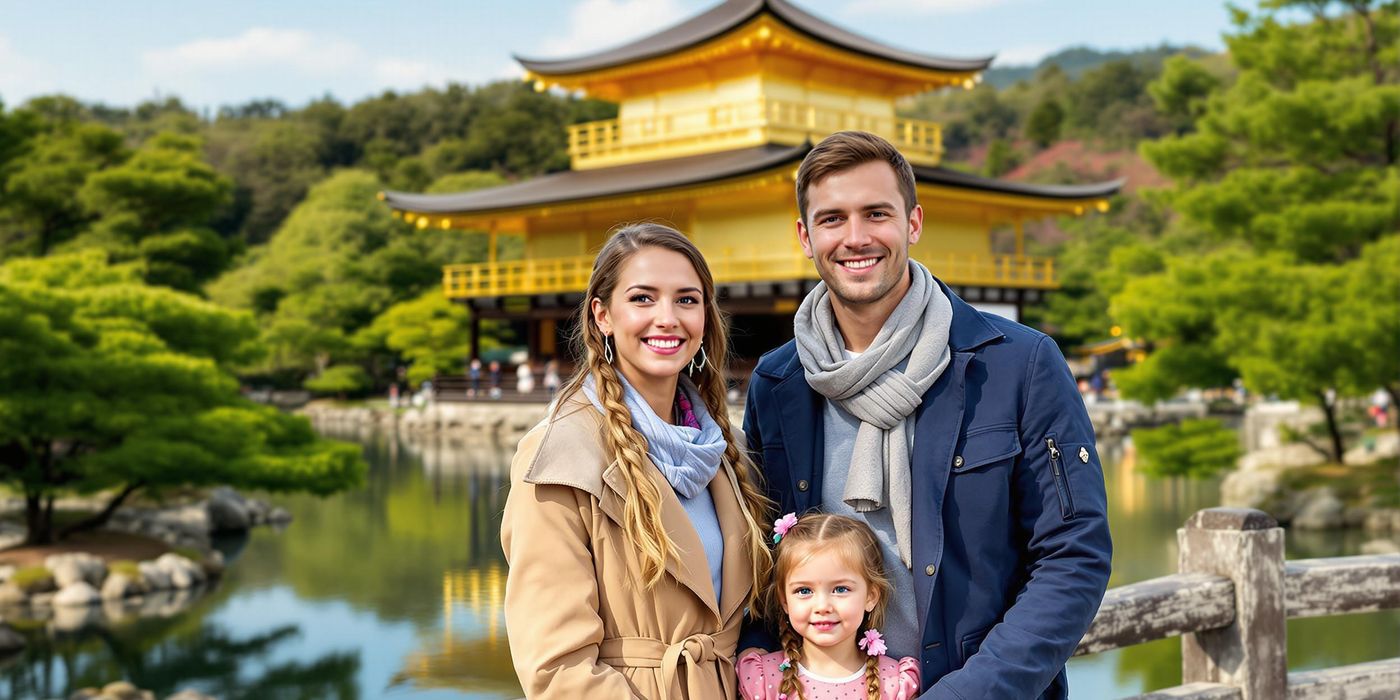
Golden Reflections and Silent Stones
Today was a day of shimmering gold and profound stillness. Leaving the cozy embrace of Kyoto Watazen Ryokan, I set out with my friends to explore two of Kyoto's most iconic landmarks: Kinkaku-ji, the Golden Pavilion, and Ryoan-ji, famed for its enigmatic Zen garden. It was a day filled with visual splendor and quiet contemplation, a perfect blend of Kyoto's aesthetic and spiritual heart.
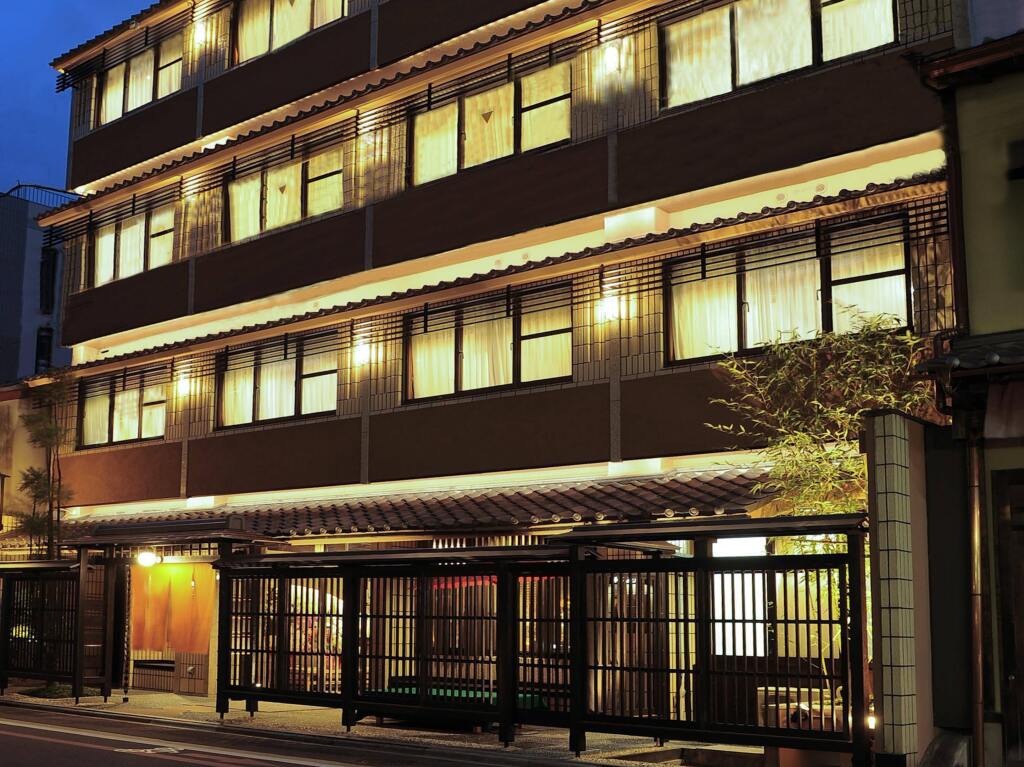
Discover the charm of Kyoto at Kyoto Watazen Ryokan, where traditional Japanese hospitality meets modern comforts in a prime location.
Our day began with a hearty breakfast at Hyoto Shijo Karasuma. The traditional Japanese breakfast set us up perfectly for a day of exploration. The delicate flavors and artful presentation were a delightful start, fueling us for the sights ahead.
Kinkaku-ji: A Glimpse of Paradise
The first stop was Kinkaku-ji, the Golden Pavilion. As we approached, the sight of the temple shimmering in the morning sun took my breath away. The top two floors, adorned with pure gold leaf, reflected brilliantly on the serene pond, creating a vision that felt almost otherworldly. It's easy to see why it's called the Golden Pavilion; the name is certainly fitting.

Discover the serene beauty of Kinkaku-ji, Kyoto's stunning Golden Pavilion, where rich history meets breathtaking architecture in a tranquil garden setting.
Kinkaku-ji, officially named Rokuon-ji, has a rich history. Originally built in 1397 as a retirement villa for Shogun Ashikaga Yoshimitsu, it was later converted into a Zen temple after his death. The temple has been rebuilt several times, most recently in 1955, after being destroyed by fire. Today, it stands as a testament to the enduring beauty of Japanese architecture and the resilience of its cultural heritage. The meticulous restoration efforts, funded by both Japanese citizens and international donors, highlight the global significance of this cultural treasure.
Walking around the pond, I was mesmerized by the way the light played on the golden surface. The surrounding gardens, carefully manicured, added to the sense of tranquility. Although we couldn't enter the pavilion itself, viewing it from across the pond offered a perfect vantage point to admire its intricate details. Each floor represents a different architectural style, blending elements of Shinden, Samurai, and Zen temple design. The first floor, in Shinden style, features natural wood pillars and white plaster walls, contrasting beautifully with the gilded upper stories.
The beauty of Kinkaku-ji lies not only in its golden facade but also in the serene harmony it creates with its surroundings, inviting visitors to reflect on the ephemeral nature of beauty and the enduring power of cultural heritage.
Exploring the gardens further, we discovered Anmintaku Pond, believed never to dry up, and statues where visitors toss coins for luck. We also passed by the Sekkatei Teahouse, a later addition from the Edo period, before exiting the temple grounds. Outside, souvenir shops offered a variety of crafts, and a small tea garden beckoned with the promise of matcha tea and sweets.
Ryoan-ji: A Garden of Silent Contemplation
After the dazzling spectacle of Kinkaku-ji, we sought the quietude of Ryoan-ji. This Zen temple is renowned for its karesansui, or dry landscape garden, a masterpiece of minimalist design. Founded in 1450, Ryoan-ji was originally the estate of a powerful warlord before being converted into a Zen temple. The garden, believed to have been designed around the turn of the 16th century, remains shrouded in mystery, with no definitive records of its creation or original designer.

Discover the serene beauty of Ryōan-ji, Kyoto's iconic Zen temple with a stunning rock garden and tranquil surroundings, perfect for reflection and peace.
As I sat on the wooden veranda, gazing at the garden, I felt a sense of calm wash over me. Fifteen stones are arranged in seemingly random groups across meticulously raked gravel, yet only fourteen are visible from any single vantage point, unless, as Zen philosophy suggests, one reaches a state of enlightenment. The garden invites you to slow down and settle your thoughts. The minimalist design, the absence of vibrant colors, and the focus on natural elements create a sense of timelessness.
The garden's meaning is open to interpretation. Some say it represents islands floating on an ocean, while others see it as a metaphor for the Japanese aesthetic concepts of wabi (refined austerity) and sabi (subdued taste). Another theory suggests it is an abstract composition meant to incite meditation. Whatever its true meaning, the garden evokes a sense of peace and introspection.
The raked gravel, representing water, and the moss surrounding the stones, symbolizing islands or mountains, create a miniature landscape that feels both expansive and intimate. Even the sound produced during the daily raking process contributes to the garden's atmosphere of mindfulness.
Lunch at Arash's Kitchen: A Taste of Persia in Kyoto
By lunchtime, we were ready for a change of pace. We decided to try Arash's Kitchen, a restaurant recommended for its Persian cuisine. It was an unexpected but delightful culinary detour. The flavors of the Middle East were a welcome contrast to the traditional Japanese fare we had been enjoying. I opted for the lamb shank, while my friends tried the kebabs and hummus. Each dish was flavorful and satisfying, a reminder of the diverse culinary landscape that Kyoto offers.

Experience authentic Asian cuisine at Arash's Kitchen in Kyoto—a culinary delight for every traveler seeking unique flavors.
Arash's Kitchen is known for its generous portions, friendly staff, and cozy atmosphere. The owner, Arash, is a gracious host, always ready with recommendations. The restaurant also offers vegetarian options and is praised for its authentic Persian naan and pizza. It’s a must-visit spot for those craving a taste of home or simply looking to explore different flavors.
Kyoto Crafts Store: Discovering Local Artistry
In the afternoon, we took some time to explore the local crafts scene. We visited the Kyoto Crafts Store, a treasure trove of traditional Japanese arts. Kyoto has long been a center for traditional crafts, with techniques and materials passed down through generations of artisans. The city's rich cultural heritage is reflected in its diverse range of crafts, from pottery and textiles to lacquerware and bamboo products.

Explore the essence of Kyoto's artistry at the Kyoto Crafts Store, where traditional handicrafts meet contemporary charm.
I was particularly drawn to the Kiyomizu pottery, known for its elaborate designs and use in tea ceremonies. We also admired the intricate folding fans, once a status symbol at the Imperial Court, and the exquisite kimono, made using silk weaving and dyeing techniques native to Kyoto. These crafts are not just objects; they are embodiments of Kyoto's history and artistic spirit.
The Kyoto Museum of Crafts and Design is another excellent place to explore the city's traditional industries. It showcases craftsmanship that remains vibrant today and provides a space for creators and users to engage in open exchanges of ideas. The museum also supports young artisans through training programs and competitions, ensuring the preservation and innovation of Kyoto's crafts.
A Kobe Beef Farewell: Dinner at MOURIYA GION
As the day drew to a close, we indulged in a memorable dinner at Kobe Beef Steak Restaurant MOURIYA GION. This restaurant, an offshoot of the famed Kobe Mouriya, offered an exquisite dining experience. The ambiance was elegant, with a modern interior that created a calm and comfortable atmosphere. We were seated at a counter facing the teppan hotplate, where our personal chef prepared the meal with meticulous care.
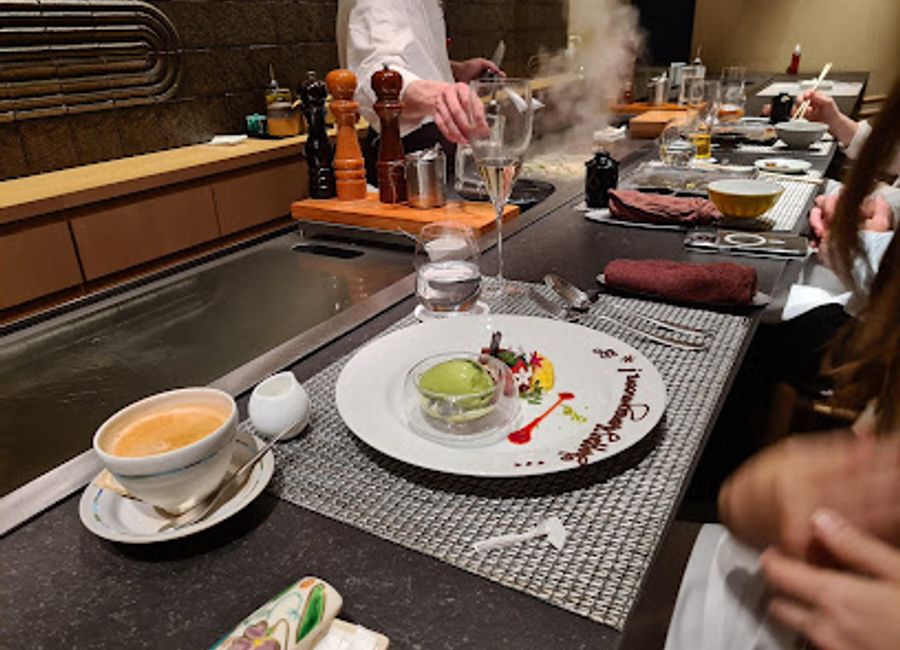
Experience unparalleled flavors at Kobe Beef Steak Restaurant MOURIYA GION in Kyoto - a must-visit for steak lovers seeking authenticity.
We opted for the Kobe beef filet, known for its tenderness and flavor. The meal included a white bean soup, a plate of sashimi, and a salad, each dish a testament to the restaurant's commitment to quality. The chef cooked garlic chips to accompany the beef. Then came the vegetables—zucchini and asparagus—followed by the star of the show: the Kobe beef. It was cooked to medium-well perfection, melting in my mouth with each bite. To add more carbs, we also ordered garlic fried rice, which was delicious and flavorful.
Mouriya Gion exclusively serves beef from the descendants of the Tajima cattle lineage, raised in the same pristine environment as in the past. The restaurant’s dedication to quality and service ensures a special dining experience.
As we walked back to the ryokan, the memories of the day swirled in my mind—the shimmering gold of Kinkaku-ji, the serene stillness of Ryoan-ji, the exotic flavors of Arash's Kitchen, the artistry of Kyoto Crafts Store, and the exquisite taste of Kobe beef. It was a day that captured the essence of Kyoto, a city where beauty and tradition intertwine to create an unforgettable experience.
Tomorrow, we plan to explore Gion, Kyoto's geisha district, and visit Yasaka Shrine, promising another day of cultural immersion and discovery. I am particularly excited to wander through Gion's historic streets and perhaps catch a glimpse of a geiko or maiko. I am also looking forward to experiencing the vibrant atmosphere of Yasaka Shrine, known for its beautiful architecture and lively festivals. Following our daytime adventures, we intend to unwind at The Common One Bar Kyoto, hopefully enjoying a refreshing drink.
I'm also aware that Miyako Odori, the dance performances by Kyoto geisha is held in April, so I will keep my eyes open for that as well.
For now, though, I'm content to rest and reflect on the day's adventures, eager for what tomorrow will bring.


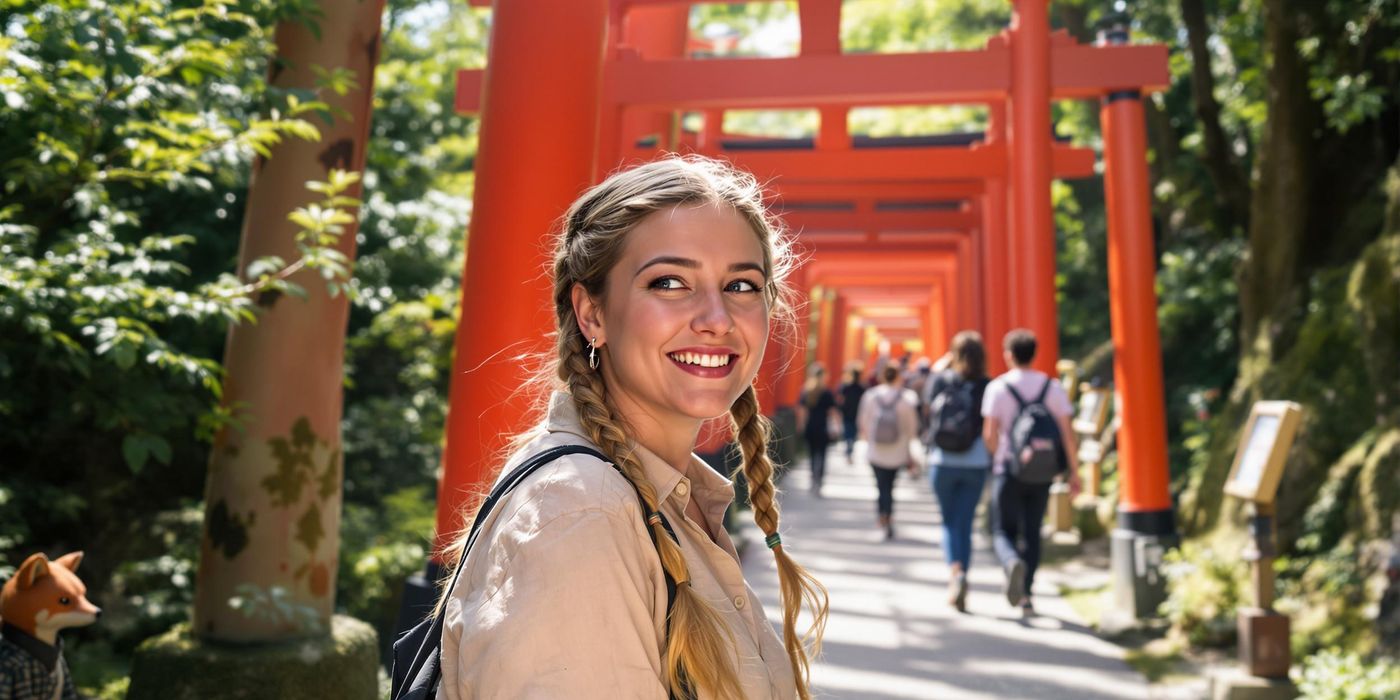
Join me on a 14-day journey through Kyoto with friends, exploring traditional temples, gardens, and the charm of cherry blossom season.
Meet this Featured Explorer

-
 Occupation:
Librarian at Heidelberg University
Occupation:
Librarian at Heidelberg University
-
 Country:
Germany
Country:
Germany
-
 Age:
36
Age:
36
Hej! I'm Astrid, a librarian from Heidelberg with a heart full of wanderlust and a passion for sharing my travel experiences. Originally from Sweden, I've embraced the beauty of Germany, but my soul yearns to explore every corner of the world. Through my blog, I hope to inspire you to embark on your own adventures, discover new cultures, and create lasting memories. Join me as I share my personal anecdotes, practical travel tips, and a touch of Scandinavian charm.
- Scandinavian folklore
- Sustainable living
- Modern literature
- European history
- Photography
Find Similar Travel Diaries
Explore locations from this diary
-
Kyoto Watazen Ryokan
Discover the charm of Kyoto at Kyoto Watazen Ryokan, where traditional Japanese hospitality meets modern comforts in a prime location.
-
Kinkaku-ji
Discover the serene beauty of Kinkaku-ji, Kyoto's stunning Golden Pavilion, where rich history meets breathtaking architecture in a tranquil garden setting.
-
Ryōan-ji
Discover the serene beauty of Ryōan-ji, Kyoto's iconic Zen temple with a stunning rock garden and tranquil surroundings, perfect for reflection and peace.
-
Hyoto Shijo Karasuma
Experience authentic Japanese flavors with exquisite hot pot and Kaiseki dishes at Hyoto Shijo Karasuma in Kyoto.
-
Arash's Kitchen
Experience authentic Asian cuisine at Arash's Kitchen in Kyoto—a culinary delight for every traveler seeking unique flavors.
-
Kobe Beef Steak Restaurant MOURIYA GION
Experience unparalleled flavors at Kobe Beef Steak Restaurant MOURIYA GION in Kyoto - a must-visit for steak lovers seeking authenticity.
-
Kyoto Crafts Store
Explore the essence of Kyoto's artistry at the Kyoto Crafts Store, where traditional handicrafts meet contemporary charm.