Solo Adventure Through Kyoto's Cultural Marvels
Day 7: Kyoto's Sacred Saturday: Shrines, Temples, and Tranquil Paths
A day of serene exploration in Kyoto, visiting the majestic Heian Shrine, the historic Nanzen-ji Temple, and the peaceful Philosopher's Path.

A Day of Spiritual and Natural Beauty
Today was a day dedicated to exploring the spiritual and natural heart of Kyoto. It was a journey that took me from the vibrant colors of a Shinto shrine to the serene atmosphere of a Zen temple, and finally, along a path that seemed to whisper secrets of centuries past. These are the kind of days I live for, the ones that remind me why I traded my Berlin apartment for a life of constant travel.
My day began with a hearty breakfast at Masayoshi Japanese Dining. I opted for a traditional Japanese breakfast set, which included grilled fish, miso soup, and an assortment of small, pickled vegetables. It was the perfect way to fuel up for a day of walking and exploration. I've found that starting the day with a nourishing meal sets the tone for a positive and energetic experience, something I've learned to prioritize after many rushed mornings on the road.
Heian Shrine: A Burst of Color and History
My first stop was the Heian Shrine. As I approached, the massive *torii* gate, painted in a striking vermillion, immediately caught my eye. It was a clear, cold January day, and the bright colors of the shrine stood out vividly against the winter sky. The shrine was built to commemorate the 1100th anniversary of Kyoto's founding and is dedicated to Emperor Kammu and Emperor Komei. The architecture is a scaled-down replica of the original Imperial Palace, giving a sense of the grandeur of the Heian period.
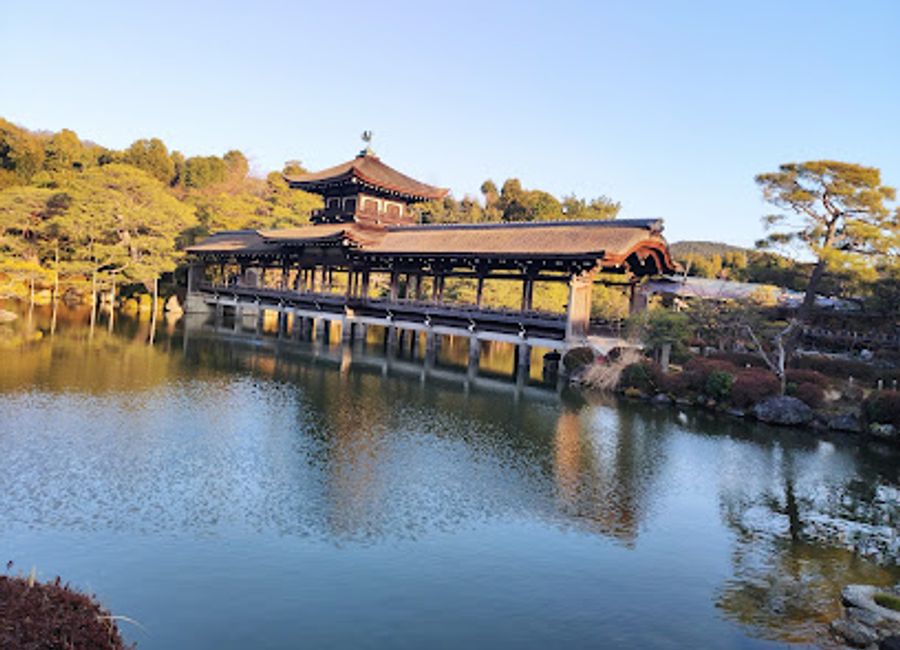
Experience the tranquil beauty and cultural richness of Heian Shrine in Kyoto, a must-visit Shinto shrine surrounded by stunning gardens.
Walking through the main courtyard, I was struck by the vastness of the space and the meticulous design of the buildings. The vibrant colors, especially the green and red, were a feast for the eyes. I took my time to admire the details, from the intricate carvings to the gracefully curved roofs. Although I've seen countless temples and shrines, there's something uniquely captivating about Heian Shrine. Perhaps it's the blend of historical significance and aesthetic beauty that draws me in.
One of the highlights of the shrine is its beautiful garden, which features a large pond, several bridges, and a variety of plants and trees. Even in winter, the garden had a certain charm, with the bare branches of the trees creating interesting patterns against the sky. I could imagine how stunning it must be in the spring when the cherry blossoms are in full bloom. I spent a good hour wandering through the garden, enjoying the tranquility and taking photos of the scenery. It was a perfect start to the day, immersing myself in the beauty and history of Kyoto.
The beauty of Kyoto lies not only in its famous landmarks but also in the quiet corners where history and nature intertwine.
Nanzen-ji Temple: A Zen Retreat
From the vibrant Shinto atmosphere of Heian Shrine, I made my way to the serene Zen Buddhist temple of Nanzen-ji Temple. Founded in 1291 by Emperor Kameyama, Nanzen-ji has a rich history and is considered one of the most important Zen temples in Japan. As I stepped through the main gate, the atmosphere shifted noticeably. The air felt calmer, and the sounds of the city seemed to fade away. The temple grounds are extensive, with numerous sub-temples, gardens, and historical structures to explore.

Explore the tranquil beauty and rich history of Nanzen-ji Temple, a stunning Buddhist sanctuary nestled in the heart of Kyoto's natural landscape.
One of the most impressive features of Nanzen-ji is the Sanmon Gate, a massive wooden structure that towers over the entrance. It was originally constructed in the 13th century but was later rebuilt in 1628. Climbing to the top of the gate offered a panoramic view of the city, and I could see the surrounding mountains in the distance. It was a breathtaking sight, and I took a moment to appreciate the beauty of Kyoto from above.
Another highlight of Nanzen-ji is the Hojo, the abbot's former residence, which features stunning rock gardens designed by the renowned landscape architect Kobori Enshu. The gardens are considered some of the finest examples of *karesansui* (dry landscape) gardens in Japan. I spent a long time contemplating the arrangement of the rocks and the carefully raked gravel, trying to understand the Zen principles behind their design. It was a meditative experience, and I felt a sense of peace and tranquility wash over me.
Perhaps the most unexpected sight at Nanzen-ji was the brick aqueduct that runs through the temple grounds. Built during the Meiji period, the aqueduct is part of a canal system that was constructed to carry water and goods between Kyoto and Lake Biwa. It was a strange juxtaposition to see this industrial structure within the serene temple complex, but it also served as a reminder of the blend of tradition and modernity that characterizes Kyoto.
Before leaving Nanzen-ji, I explored a few of the sub-temples, each with its own unique character and charm. Konchi-in Temple, with its beautiful gardens and tea house, was particularly memorable. I also visited Nanzenin Temple, located behind the aqueduct, which features a mausoleum of Emperor Kameyama and a lovely pond garden. The entire Nanzen-ji complex was a feast for the senses, and I left feeling refreshed and inspired.
Philosopher's Path: A Walk Through Contemplation
After immersing myself in the spiritual atmosphere of Nanzen-ji, I decided to take a stroll along the Philosopher's Path. This scenic route follows a canal that is lined with cherry trees and connects Nanzen-ji to Ginkaku-ji (the Silver Pavilion) further north. The path gets its name from the fact that the influential Japanese philosopher Nishida Kitaro used to walk this route daily for meditation.

Explore the Philosopher's Path, a serene journey through nature and philosophy in Kyoto, lined with cherry blossoms and historic temples.
Even in January, with the cherry trees bare, the Philosopher's Path had a certain allure. The canal flowed gently beside the path, and the surrounding hills provided a picturesque backdrop. I enjoyed the quiet solitude of the walk, and I could imagine Nishida Kitaro pondering deep thoughts as he strolled along this very route. It was a perfect opportunity for reflection and contemplation, something I often crave amidst the hustle and bustle of travel.
Along the way, I passed several small temples, shrines, and cafes. I stopped at a cozy little teahouse for a cup of matcha and a traditional Japanese sweet. It was a welcome break from the cold, and I enjoyed chatting with the friendly owner, who shared some interesting stories about the area.
As I continued my walk, I noticed a few other people braving the winter chill. Some were locals out for a stroll, while others were tourists like myself, eager to experience the beauty and tranquility of the Philosopher's Path. Despite the lack of cherry blossoms, the path had a certain charm, and I felt a sense of connection to the history and culture of Kyoto.
By the time I reached the end of the Philosopher's Path, the sun was beginning to set. The sky was painted with hues of orange and pink, and the air had a crisp, wintry feel. I felt a sense of contentment and gratitude for the experiences I had had throughout the day. From the vibrant colors of Heian Shrine to the serene atmosphere of Nanzen-ji and the contemplative walk along the Philosopher's Path, it had been a day filled with beauty, history, and spirituality.
Kyoto Crafts and Culinary Delights
Before heading back to the hotel, I made a quick stop at the Kyoto Crafts Store. I wanted to pick up a small souvenir to remind me of my time in Kyoto. The store had a wide selection of traditional crafts, from ceramics and textiles to lacquerware and paper goods. I finally settled on a beautiful hand-painted fan, which I thought would be a perfect memento of my trip. The Kyoto Handicraft Center also seemed like a good option with kimonos, fans, and ceramics on display. I'll have to check that out another time, perhaps.

Explore the essence of Kyoto's artistry at the Kyoto Crafts Store, where traditional handicrafts meet contemporary charm.
For dinner, I had made a reservation at Chihana, a restaurant known for its traditional Kyoto cuisine. The restaurant had a cozy and intimate atmosphere, and the staff were incredibly welcoming. I opted for the tasting menu, which featured a variety of seasonal dishes, each beautifully presented and bursting with flavor. I ate sea eel roe with lotus root and chopped chives, along with scallops and miso sauce with crunchy green beans. The chefs and waitresses paid great attention to detail and seemed genuinely enthusiastic about the food. It was the perfect way to end a perfect day in Kyoto. I'm always impressed by the way Japanese chefs blend artistry and culinary skill.

Experience authentic kaiseki cuisine at Chihana in Kyoto's enchanting Gion district - where tradition meets culinary artistry.
As I walked back to Hotel ALZA KYOTO, I couldn't help but reflect on the incredible experiences I had had throughout the day. Kyoto had once again exceeded my expectations, and I felt a deep sense of appreciation for the beauty and culture of this remarkable city. Tomorrow, I plan to explore Gion Corner, Shorenin Temple, and Maruyama Park. I'm also considering visiting UNDERBAR-KYOTO for a drink in the evening. I'm excited to see what new adventures await me in this captivating city.
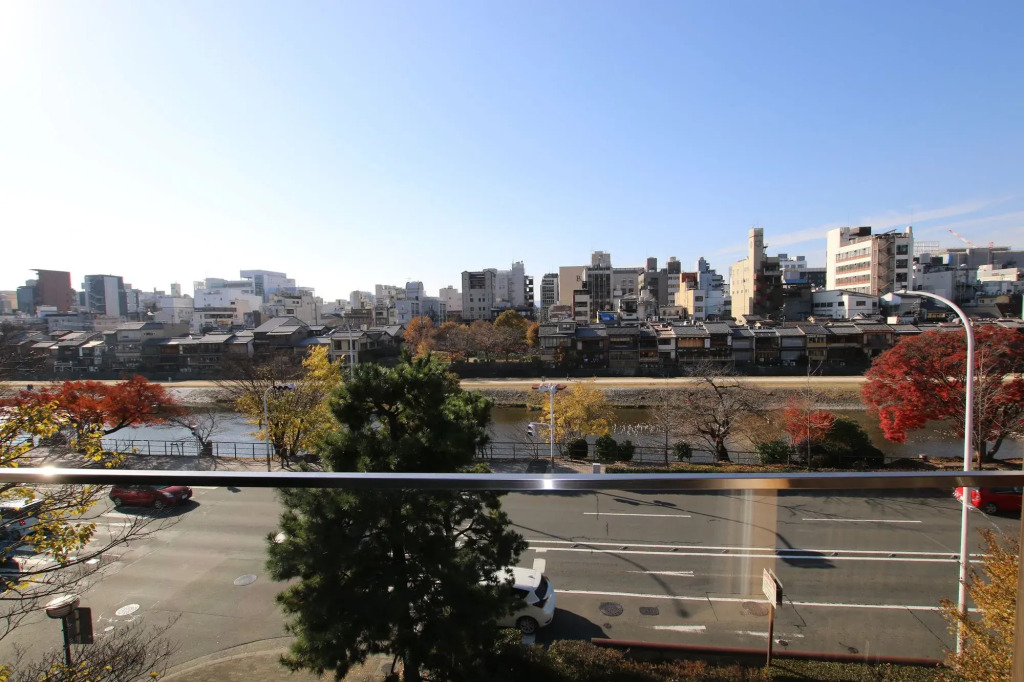
Experience the perfect blend of comfort and culture at Hotel ALZA KYOTO, ideally located near Kyoto's must-see attractions and vibrant neighborhoods.
Until then, *Oyasumi nasai* (good night) from Kyoto!
And as I prepare for another day of exploration, I'm reminded of something I read recently: Travel is not about escaping life, but for life not to escape you.



Explore the cultural wonders of Kyoto on a solo journey, staying at Hotel ALZA KYOTO, for a perfect blend of history and contemporary comforts.
Meet this Featured Explorer

-
 Occupation:
Freelance Software Developer
Occupation:
Freelance Software Developer
-
 Country:
Germany
Country:
Germany
-
 Age:
32
Age:
32
Hey everyone, I'm Daniel, a software developer by day and a travel blogger by night (and weekends!). Originally from Ocala, Florida, I now call Berlin home. I'm passionate about exploring the intersection of culture, history, and technology, and I love sharing my experiences and insights with you. Whether I'm visiting historical sites, attending tech meetups, or just wandering through a new city, I'm always looking for unique and authentic experiences. Join me as I explore the world, one byte at a time!
Find Similar Travel Diaries
Explore locations from this diary
-
Hotel ALZA KYOTO
Experience the perfect blend of comfort and culture at Hotel ALZA KYOTO, ideally located near Kyoto's must-see attractions and vibrant neighborhoods.
-
Heian Shrine
Experience the tranquil beauty and cultural richness of Heian Shrine in Kyoto, a must-visit Shinto shrine surrounded by stunning gardens.
-
Nanzen-ji Temple
Explore the tranquil beauty and rich history of Nanzen-ji Temple, a stunning Buddhist sanctuary nestled in the heart of Kyoto's natural landscape.
-
Philosopher's Path
Explore the Philosopher's Path, a serene journey through nature and philosophy in Kyoto, lined with cherry blossoms and historic temples.
-
Masayoshi Japanese Dining
Experience authentic Japanese steakhouse dining at Masayoshi in Kyoto—where tradition meets culinary excellence.
-
Komefuku
Experience authentic Japanese cuisine at Komefuku in Kyoto, renowned for its fresh seafood and exquisite tempura dishes.
-
Chihana
Experience authentic kaiseki cuisine at Chihana in Kyoto's enchanting Gion district - where tradition meets culinary artistry.
-
Kyoto Crafts Store
Explore the essence of Kyoto's artistry at the Kyoto Crafts Store, where traditional handicrafts meet contemporary charm.