Family Pilgrimage: Exploring Japan's Kumano Kodo
Day 8: A Day of Healing Waters and Ancient Giants in Kumano Kodo
Discover the restorative Tsubo-yu Onsen and the majestic Fukusada-no-Oicho, immersing yourself in Kumano Kodo's natural and spiritual wonders.

Healing Waters and Ancient Wonders
Today was a day of profound relaxation and awe-inspiring sights. We delved deeper into the spiritual heart of Kumano Kodo, experiencing the legendary healing waters of Tsubo-yu and standing in the shadow of the ancient Fukusada-no-Oicho. It was a day that reminded me of the simple yet powerful joys of travel: connecting with nature, embracing local traditions, and finding moments of quiet contemplation.
Our day began with a hearty breakfast at Guest House & Coffee Keyaki. I must say, the rave reviews online were spot on. The meal was simple, yet satisfying, and the mountain views from the dining area were breathtaking. Aoife particularly enjoyed the coffee, remarking that it was the perfect start to a day of exploration. It's these little moments of contentment that make traveling with family so special. We savored every bite, knowing we had a full day ahead of us. I made a mental note to try brewing my own coffee like this back in Dublin. Perhaps it would bring back some of these serene Japanese mornings.

Discover serenity at Guest House & Coffee Keyaki, your perfect retreat along the Kumano Kodo pilgrimage in Wakayama.
After breakfast, we set off for Yunomine Onsen, a small village with a big reputation. It's known as one of Japan's oldest onsen towns, and it's been a place of pilgrimage and purification for centuries. The main attraction here is Tsubo-yu, a tiny bathhouse that's also a UNESCO World Heritage site. It’s said to be Japan's oldest hot spring, a claim that certainly adds to its allure.
We arrived at Tsubo-yu eager to experience its legendary waters. The bathhouse is nestled beside a small creek, and it’s surprisingly small – only two or three people can fit inside at a time. We secured our tickets at the Yunomine Public Bathhouse and waited for our turn. The anticipation built as we learned about the unique feature of Tsubo-yu: the water is said to change color seven times a day.
Finally, our turn came. Stepping into the small stone hut, I felt a sense of reverence wash over me. The bath itself is carved from natural stone, and the water was a milky white color when we entered. The experience was intimate and deeply relaxing. Soaking in the warm waters, I couldn't help but reflect on the countless pilgrims who had sought solace and healing in this very spot. It was a moment of connection to history and tradition, a feeling that’s hard to replicate anywhere else. Aoife commented on how her muscles seemed to melt into the warm water, and Liam, ever the stoic one, simply nodded in agreement. It was a shared experience of tranquility, a rare moment of peace for our family amidst the hustle and bustle of life back home. As we relaxed, I couldn't help but think of a quote I once read about the power of simplicity:
The best things in life are often the simplest ones.
After our rejuvenating bath, we strolled through the Yunomine Onsen Shop & Dining Hall. It’s more than just a shop; it's a place to experience local culture and cuisine. We browsed the local goods and travel information, soaking in the atmosphere of this charming village. We decided to try some Onsen Tamago (hot spring eggs), which you cook yourself in the public hot spring. It was a fun and uniquely Japanese experience. The eggs were perfectly cooked, with a creamy yolk and a slightly firm white. Liam, of course, declared them the best eggs he'd ever had. I think it was the novelty of cooking them ourselves that made them so appealing.
For lunch, we headed to Shimoji Honmaten. The restaurant was bustling with locals and tourists alike, all eager to sample their famous dishes. I opted for a traditional set meal, while Aoife tried the local specialty, meharizushi (pickled mustard leaf wrapped around rice). The food was delicious, and the atmosphere was lively and welcoming. It was a great opportunity to observe local life and enjoy the flavors of the region. I even attempted a few phrases from my Japanese phrasebook, much to the amusement of the staff. I really should have remembered to pack that phrasebook!

Indulge in authentic handmade udon noodles at しもじ 本宮店, a charming eatery nestled in Tanabe's scenic beauty.
Our next stop was the Fukusada-no-Oicho Large Gingko Tree. As we approached Hosen-ji Temple, where the tree stands, its sheer size became apparent. This ancient gingko is estimated to be around 400 years old, with a height of 22 meters and a girth of 5.3 meters. Standing at its base, I felt dwarfed by its presence, a humbling reminder of the passage of time and the enduring power of nature. The tree is considered a protector of the temple, and it’s easy to see why. Its massive trunk and sprawling branches exude a sense of strength and resilience. It was not autumn, so we didn't get to see the spectacle of the golden leaves, but even in summer, it was a sight to behold. I tried to capture its grandeur with my camera, but no photograph could truly convey the feeling of standing beneath this ancient giant. Aoife, ever the historian, remarked on the tree's significance as a symbol of longevity and endurance. Liam, meanwhile, was busy trying to estimate its height, using his own height as a reference point. It was a moment of shared wonder, a reminder of the beauty and majesty of the natural world.
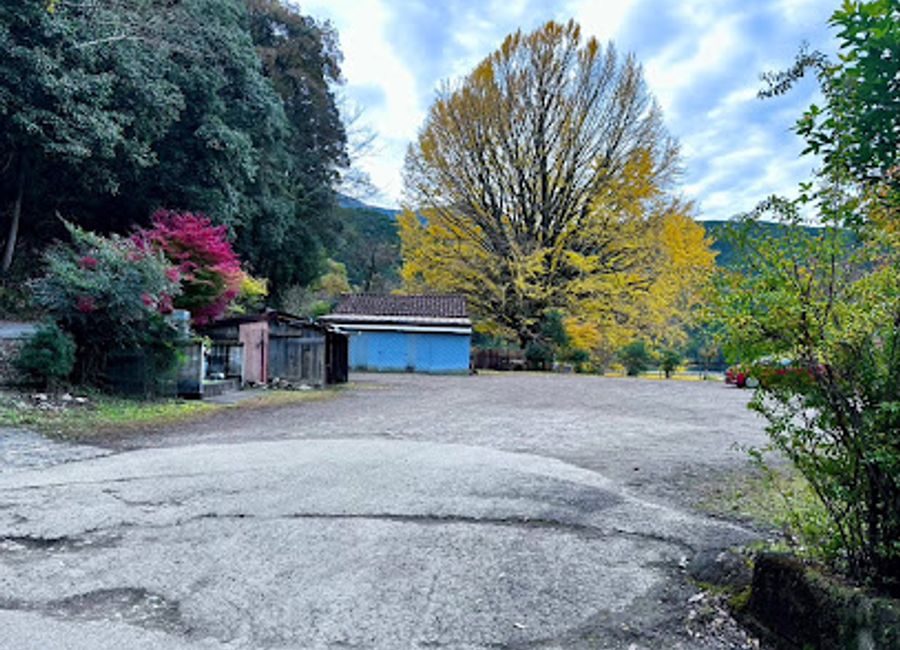
Explore the ancient beauty of the Fukusada-no-Oicho Large Ginkgo Tree, a symbol of resilience and tranquility in Wakayama's lush landscapes.
As the day drew to a close, we made our way to Tororoya for dinner. This restaurant is known for its tororo (grated yam) dishes, a local specialty. I had never tried grated yam before, but I was eager to experience something new. The restaurant had a cozy and inviting atmosphere. We ordered a variety of tororo dishes, and I was pleasantly surprised by the unique texture and flavor. It was earthy and slightly sweet, a comforting and satisfying meal after a day of exploring. We also enjoyed some local sake, which complemented the meal perfectly. Aoife, who is usually not a fan of yam, actually enjoyed the dishes, praising the chef's creative use of the ingredient. Liam, always up for trying new things, declared tororo his new favorite food. It was a delightful culinary experience, a perfect ending to a day filled with natural beauty and cultural immersion. I will try to remember to recreate some of those dishes back home.
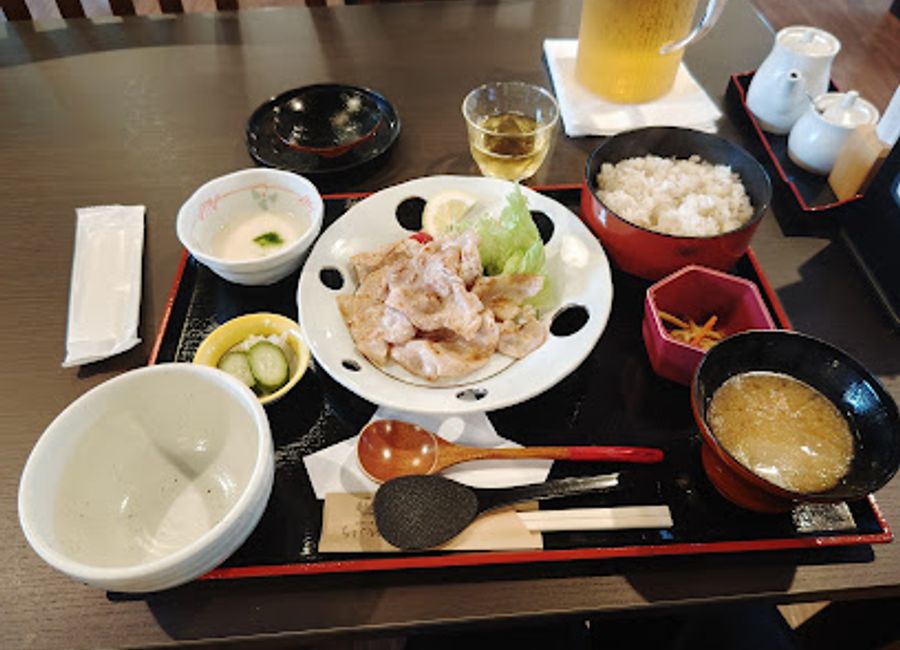
Experience authentic Japanese flavors at Tororoya in Tanabe, Wakayama—an essential stop on your culinary journey through Japan.
Reflecting on the day, I realized how much we had packed into a single day. From the healing waters of Tsubo-yu to the ancient presence of the Fukusada-no-Oicho, every moment was filled with wonder and discovery. It was a day that nourished both body and soul, a reminder of the importance of slowing down and appreciating the simple things in life. As we prepare for tomorrow's trek along the Kumano-Kodo Nakahechi Pilgrimage Route and a visit to Fudarakusan-ji Temple, I feel grateful for the experiences we've shared and excited for what lies ahead. Perhaps we'll celebrate with a drink at Wine Kumano after a long day of walking – something to look forward to!


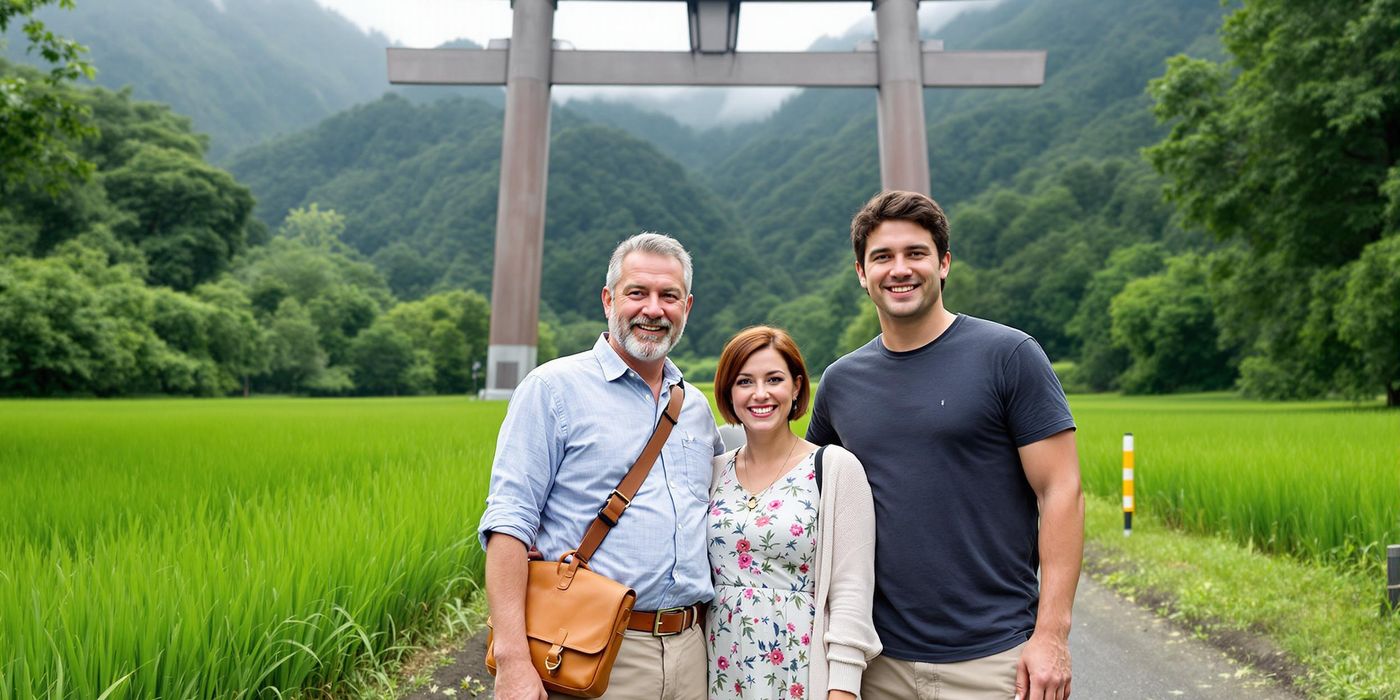
Join us on a family adventure along Japan's sacred Kumano Kodo trails, exploring ancient shrines and the serene beauty of the Kii Mountains.
Meet this Featured Explorer

-
 Occupation:
Antiques Dealer
Occupation:
Antiques Dealer
-
 Country:
Ireland
Country:
Ireland
-
 Age:
55
Age:
55
Hello there! I'm David Smith, a 55-year-old antiques dealer originally from the United States, but now living in Dublin, Ireland with my wife Aoife. After years of exploring Ireland and beyond, I've turned my passion for travel and history into a blog for Evendo. I share my experiences, blending personal anecdotes with historical facts and practical travel tips. Whether you're a history buff, a culture enthusiast, or simply seeking authentic travel advice, I hope my stories inspire you to embark on your own adventures!
Find Similar Travel Diaries
Explore locations from this diary
-
Jokiin
Discover Koya's serene charm at Jokiin, a welcoming guest house perfect for exploring the city's historic landmarks and natural beauty.
-
Tsubo-yu
Discover the tranquility of Tsubo-yu, a historic onsen in Wakayama, perfect for relaxation and cultural immersion on your Japanese adventure.
-
Fukusada-no-Oicho Large Gingko Tree
Explore the ancient beauty of the Fukusada-no-Oicho Large Ginkgo Tree, a symbol of resilience and tranquility in Wakayama's lush landscapes.
-
Guest House & Coffee Keyaki
Discover serenity at Guest House & Coffee Keyaki, your perfect retreat along the Kumano Kodo pilgrimage in Wakayama.
-
しもじ 本宮店
Indulge in authentic handmade udon noodles at しもじ 本宮店, a charming eatery nestled in Tanabe's scenic beauty.
-
Tororoya
Experience authentic Japanese flavors at Tororoya in Tanabe, Wakayama—an essential stop on your culinary journey through Japan.
-
Yunomine Onsen Shop/Dining Hall
Indulge in traditional Japanese dishes while enjoying the peaceful atmosphere of Yunomine Onsen, a culinary gem in Wakayama.