Solo Cultural Journey to the Enchanting Siwa Oasis
Day 1: Stepping Back in Time: My First Day Exploring Siwa's Ancient Wonders
Discovering the ancient allure of Siwa Oasis, from the historic Shali Fortress to the traditional Siwan houses, on a solo cultural journey.

Echoes of the Past in Siwa
My journey to Siwa Oasis began today, and I already feel transported to another world. The air here is different, carrying whispers of ancient stories and the scent of sun-baked earth. It’s a far cry from the brisk December air of Bonn, but the warmth of the Siwan people is even more welcoming. I’m eager to share my first impressions of this enchanting place, where time seems to slow down, and the soul finds a sense of peace.
My day started, as most do, with a hearty breakfast. I ventured to Abdu Resturant, a local favorite known for its traditional Egyptian dishes. I savored a plate of *ful medames* (stewed fava beans) with fresh bread, the perfect fuel for a day of exploration. The restaurant buzzed with locals, their animated conversations filling the air – a comforting reminder of the vibrant community spirit I so admire. I made sure to try their signature falafel. It was delightful to sit among them and enjoy the local cuisine. It felt like a warm welcome to Siwa.
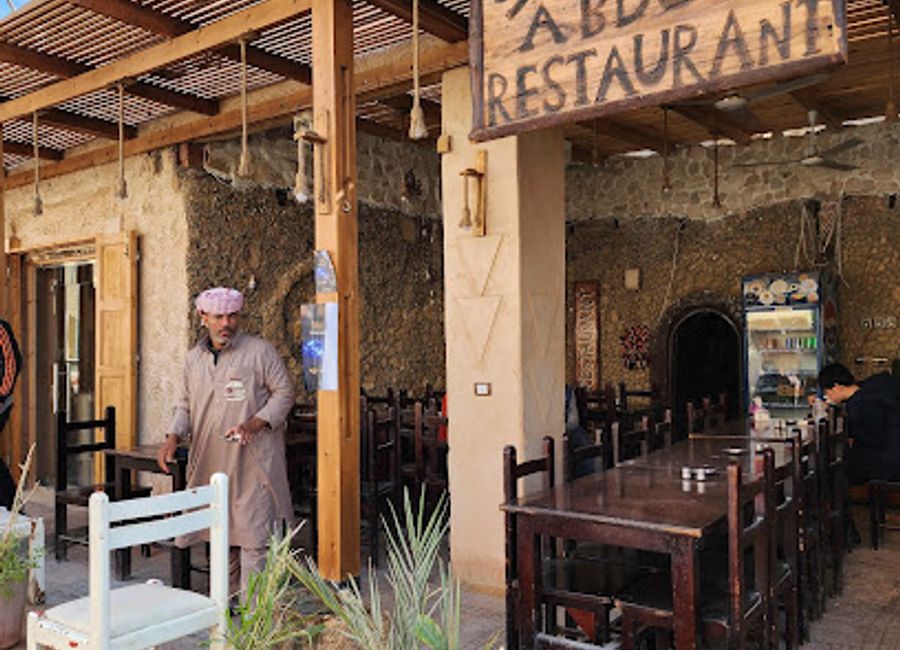
Discover authentic Egyptian falafel at Abdu Restaurant in Siwa - where every bite tells a story.
With a full stomach and a sense of anticipation, I set off to explore the famed Shali Fortress. As I approached, the fortress loomed majestically on the horizon, a testament to the ingenuity and resilience of the Siwan people. Built in the 12th and 13th centuries from *kershef* (a unique mud-brick made of clay, salt, and rock), Shali once served as a protective shelter for the community. The fortress, also known as Shali Ghadi, was erected by the Siwan people to safeguard their community from external threats.
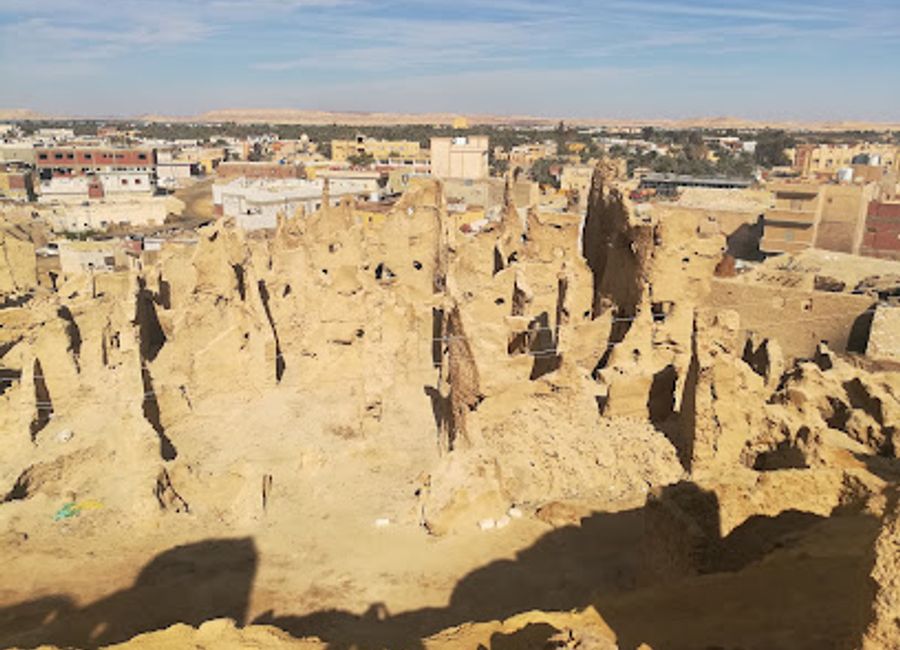
Discover the ancient ruins of Shali Fortress in Siwa Oasis, a testament to Berber ingenuity and a window into Egypt's Western Desert history.
Climbing through the narrow, winding alleyways of Shali was like stepping back in time. The crumbling walls and dilapidated buildings whispered stories of a bygone era. I imagined the bustling life that once filled these streets, the laughter of children, and the bartering of merchants. It was easy to picture the Siwi Berbers who once called this fortress home. The architecture, though weathered by time and the elements, still showcased the unique design and construction techniques of the Siwan people.
Sometimes, the most profound journeys are those that lead us back to our roots, allowing us to connect with the stories of our ancestors and the essence of our being.
I learned that the fortress was constructed using *kershef*, a building method incorporating salt blocks, mudbrick, and rock. This unique material provided natural insulation against the harsh desert climate. The fortress originally had only one door on the north side, called “Inshal Door”. Later, a second door, “Athrat,” was opened on the southern side for secret entries and exits during sieges. The oldest building in Shali is the mosque, erected in 1203. I was particularly moved by the Old Mosque, its chimney-shaped minaret standing tall as a symbol of tradition and religion in Siwa.
The views from the top of the fortress were breathtaking. I could see the entire oasis stretching out before me, a sea of palm trees and shimmering salt lakes. The sun began its descent, casting a golden glow over the landscape, painting the sky in hues of orange and pink. It was a moment of pure magic, a reminder of the raw beauty and tranquility that Siwa offers.
Shali's demise came in 1926, when heavy rains caused substantial damage to the structure, leading its inhabitants to relocate. Despite its ruined state, Shali remains a significant historical site, embodying the cultural heritage of the Siwa Oasis.
After exploring Shali, I visited The Traditional Siwa House, a museum showcasing the traditional life and architecture of the Siwan people. The house is built with karsheef, a stone made of a mixture of clay, salt and fine sand. Ceilings and doors are made of palm wood, and mud and olive leaves help strengthen the roof against the rain. It provided a fascinating glimpse into the daily lives of Siwan families, their customs, and their traditions. The house featured traditional rooms, jewelry, clothing, and wedding dresses.
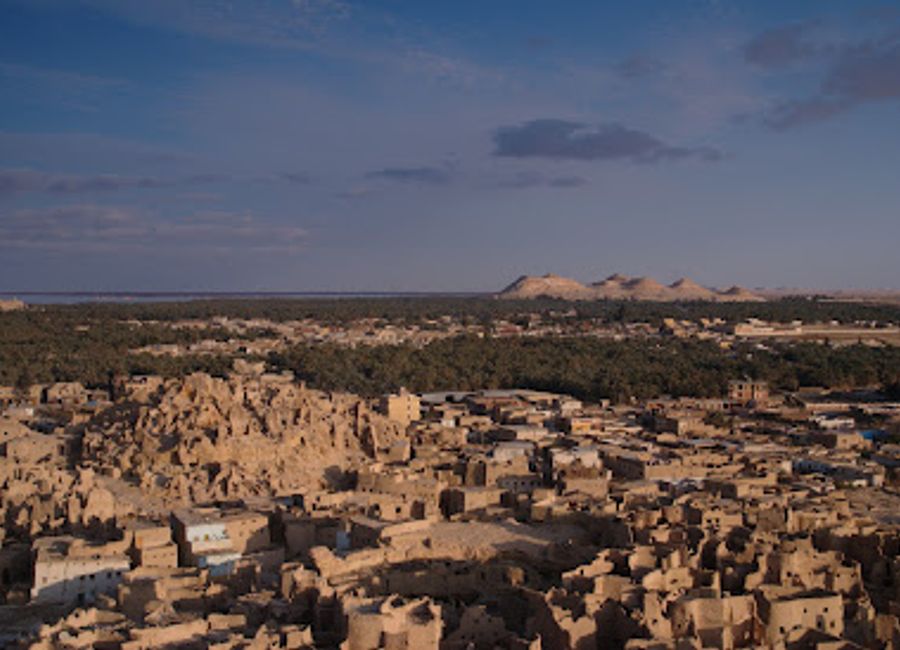
Explore the rich heritage of Siwa Oasis at The Traditional Siwa House, a captivating museum showcasing the unique culture and traditions of the Siwi people.
I learned about the importance of the “winter room” (*gharfit nshtee*), a small, warm room where families gathered during cold evenings around a heath called “al kor”. The traditional Siwa house is a symbol of the Siwa people's deep connection to their land and their heritage. The intricate designs and patterns on the walls of the house were a testament to the local art and culture.
Before lunch, I stopped by Rayan siwa shop for hand craft to look for souvenirs. There were so many beautiful things, but I decided to wait until later in the trip to make any purchases.
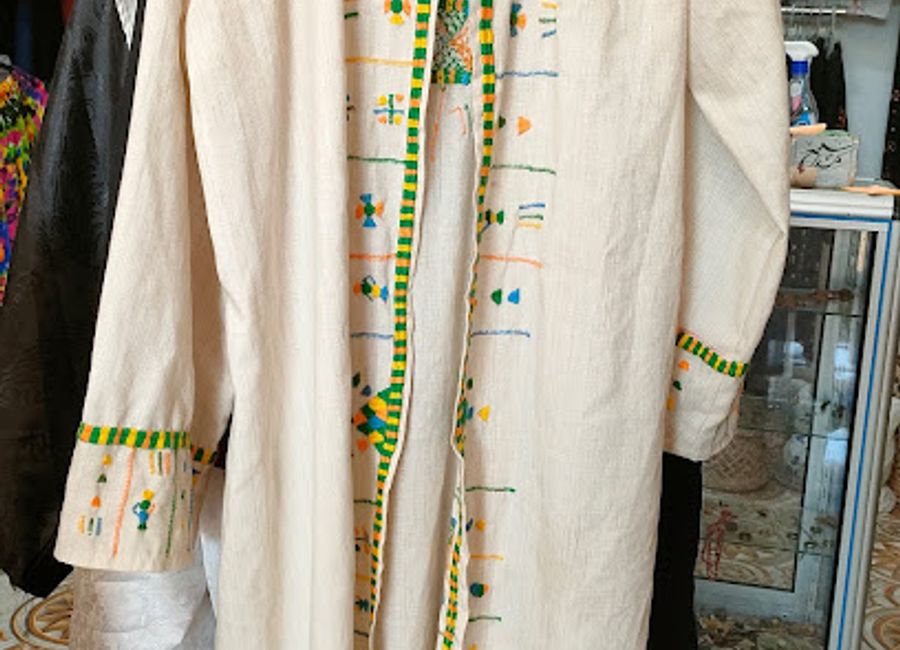
Explore the vibrant craftsmanship of Siwa at Rayan Siwa Shop, where every handcrafted item tells a unique story.
For lunch, I chose Tekeyet Elamir Restaurant & Café, known for its cozy atmosphere and affordable, home-style Siwan and Egyptian dishes. I decided to try Siwa's famous local dish of Chicken & Olives. The restaurant offers a rooftop and both indoor and outdoor seating. It was a delightful experience that gave me a taste of traditional Siwan cuisine.
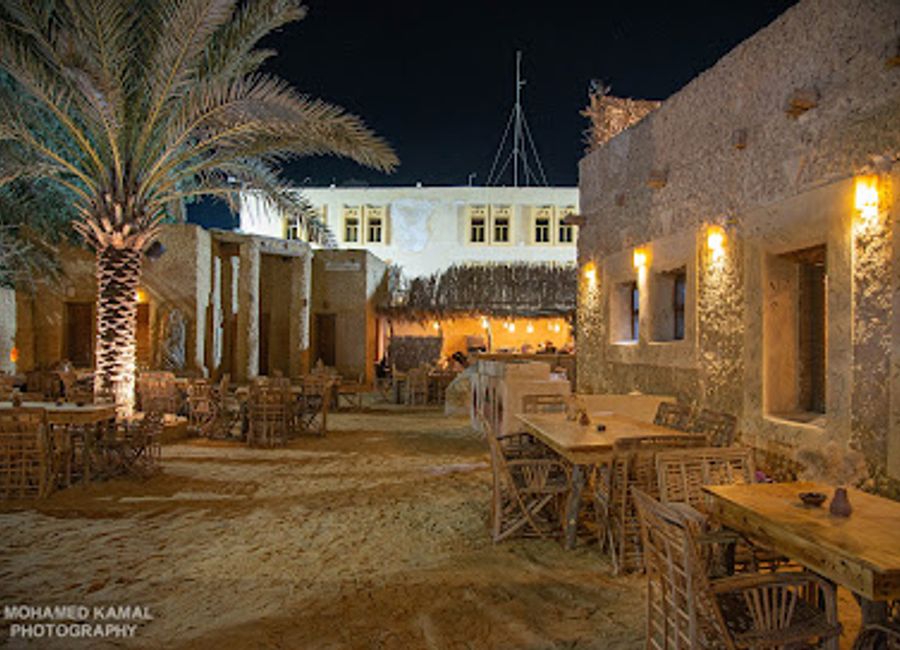
Discover authentic Egyptian cuisine at Tekeyet Elamir Restaurant & Café in Siwa – where flavors meet tradition in a warm atmosphere.
As the day drew to a close, I found myself at Kenooz Restaurant, drawn in by its charming decor and welcoming ambiance. Located in El Souk Square, it’s known for its great tea selection and offers a variety of dining options. I enjoyed a delicious dinner of grilled meats and fragrant rice dishes, savoring the flavors of Siwa. The restaurant was cozy and trendy, catering to both tourists and families. I ended my meal with a cup of traditional Siwan tea, reflecting on the day's adventures. I was also able to enjoy the candlelight moonlit dinner.
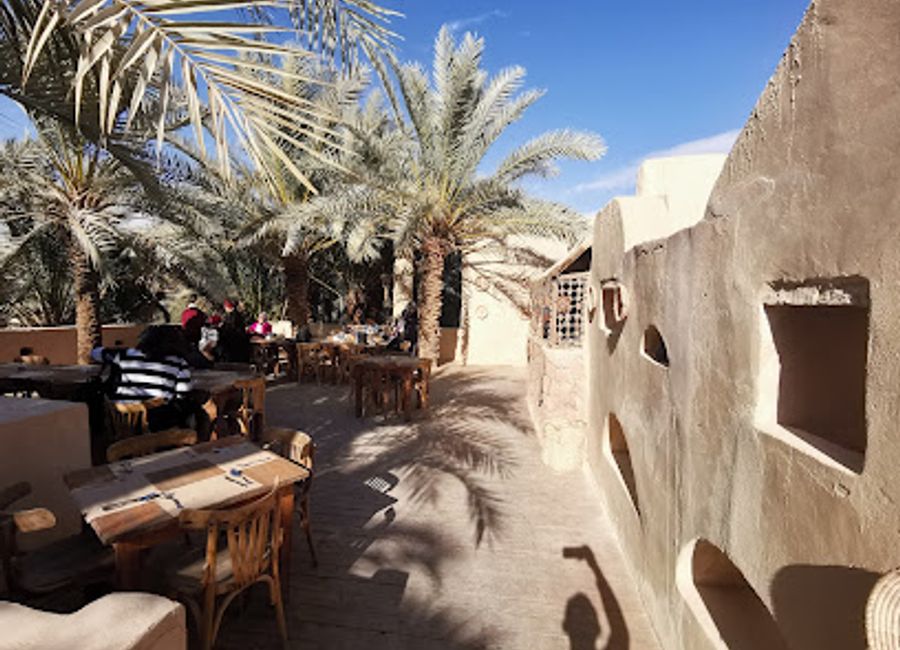
Experience authentic Egyptian cuisine at Kenooz Restaurant in Siwa's vibrant El Souk Square—a culinary gem steeped in local flavor.
Tomorrow, I plan to visit Cleopatra's Pool and explore more of the Siwa Oasis itself. I’m particularly excited to immerse myself in the natural beauty of this unique landscape. I also plan on trying Yousuf Juices bar tomorrow night.
Siwa has already captured my heart with its serene beauty and rich cultural heritage. I feel a deep connection to this place, a sense of belonging that resonates with my own Middle Eastern roots. It's a journey of discovery, not just of a new place, but also of myself.
As I prepare for another day of exploration, I am filled with gratitude for this opportunity to experience the magic of Siwa. I encourage anyone seeking a unique and enriching travel experience to add this hidden gem to their list. You won't be disappointed.
Until tomorrow,
Fatima
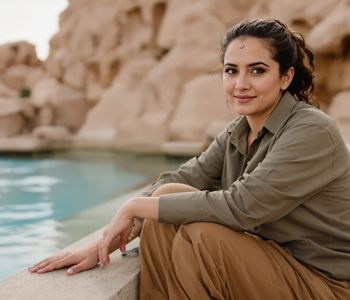
Explore the serene beauty and rich heritage of Siwa Oasis on a solo journey, uncovering ancient secrets and embracing authentic local life.
Meet this Featured Explorer

-
 Occupation:
Cultural Integration Mediator
Occupation:
Cultural Integration Mediator
-
 Country:
Germany
Country:
Germany
-
 Age:
42
Age:
42
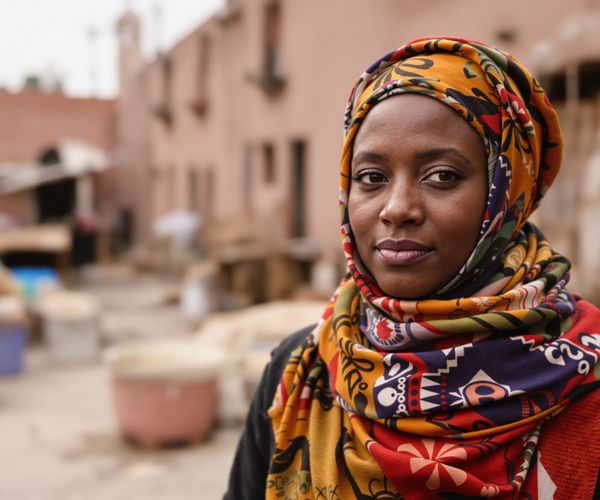
Ahlan wa Sahlan! I'm Fatima, a Syrian native living in Bonn, Germany. My journey has taken me from the ancient streets of Al-Suqaylabiyah to the charming landscapes of the Rhine Valley. As a cultural integration mediator, I'm passionate about bridging cultures and sharing my experiences. Join me as I explore the world, blending my love for Middle Eastern history with my appreciation for German culture. I'll share my personal anecdotes, practical travel tips, and unique perspectives on destinations both familiar and off-the-beaten-path. Whether you're interested in cultural travel, sustainable tourism, or simply seeking inspiration for your next adventure, I hope my blog will be a valuable resource and a source of connection.
- Middle Eastern history
- Refugee support
- German culture
- International cuisine
- Gardening
Find Similar Travel Diaries
Explore locations from this diary
-
Shali Fortress
Discover the ancient ruins of Shali Fortress in Siwa Oasis, a testament to Berber ingenuity and a window into Egypt's Western Desert history.
-
The Traditional Siwa House
Explore the rich heritage of Siwa Oasis at The Traditional Siwa House, a captivating museum showcasing the unique culture and traditions of the Siwi people.
-
Abdu Resturant
Discover authentic Egyptian falafel at Abdu Restaurant in Siwa - where every bite tells a story.
-
Tekeyet Elamir Restaurant & Café
Discover authentic Egyptian cuisine at Tekeyet Elamir Restaurant & Café in Siwa – where flavors meet tradition in a warm atmosphere.
-
Kenooz Restaurant
Experience authentic Egyptian cuisine at Kenooz Restaurant in Siwa's vibrant El Souk Square—a culinary gem steeped in local flavor.
-
Rayan siwa shop for hand craft
Explore the vibrant craftsmanship of Siwa at Rayan Siwa Shop, where every handcrafted item tells a unique story.