Exploring Kyoto: A Cultural Adventure with Friends
Day 7: A Day of Serenity and Shopping in Kyoto
Wander along the Philosopher's Path, explore ancient temples, and indulge in Kyoto's vibrant shopping scene. A day of cultural immersion.
Whispers of Ancient Paths and Modern Delights
Today in Kyoto felt like stepping through a series of enchanting portals, each revealing a different facet of this captivating city. From tranquil pathways echoing with philosophical musings to vibrant shopping streets pulsating with modern energy, it was a day of contrasts that painted a vivid picture of Kyoto's soul.
The day began with a hearty breakfast at Goichi Pizza. It might seem strange to start a day of traditional Japanese sightseeing with pizza, but after so many days of traditional Japanese cuisine, my friends and I were craving some familiar flavors. I had read online that Goichi Pizza is known for its stone-oven baked pizzas and casual atmosphere, so we decided to give it a try. I opted for a classic Margherita, and it was absolutely delicious! The crust was perfectly crispy, and the sauce had just the right amount of tang. It was the perfect fuel for a day of exploring. Maximilian would have loved it too, he is a big fan of Pizza, maybe next time he can join me.

Discover the delicious fusion of Italian tradition and local flavors at Goichi Pizza in Kyoto - an unmissable dining experience!
With our bellies full, we set out to explore the Philosopher's Path. It was a brisk morning, the air was crisp and carried a hint of plum blossoms, their delicate fragrance a promise of the spring to come. The Philosopher's Path is a serene canal-side walkway that follows the course of a narrow canal lined with cherry trees. Though the cherry blossoms were still weeks away from their full glory, the path held a quiet beauty, the bare branches reaching towards the sky like intricate lacework. It was easy to imagine the path transformed into a tunnel of pink during peak season.

Explore the Philosopher's Path, a serene journey through nature and philosophy in Kyoto, lined with cherry blossoms and historic temples.
As I strolled along the path with my friends, I couldn't help but feel a sense of peace wash over me. The gentle murmur of the water, the rustling of leaves, and the occasional chirping of birds created a symphony of nature that was both soothing and invigorating. It was the perfect place to clear my head and reflect on the journey so far. This path is named after the philosopher Nishida Kitaro, who was said to meditate here while walking this route to Kyoto University. I could understand why he chose this path for contemplation. It was easy to get lost in thought amidst such tranquility.
Sometimes, the most profound experiences are found in the simplest of settings, where nature and history intertwine to create a moment of perfect harmony.
Our first stop along the Philosopher's Path was Eikan-dō Temple, formally known as Zenrinji Temple. Eikan-do is a Jodo sect temple with a long history, dating back to 853 AD. It was originally founded as a temple of the Shingon sect by Shinsho, a disciple of Kobo Daishi, before being converted to the Jodo sect in the 13th century. The temple is famous for its autumn colors, but even in early March, it held a certain charm. The main hall houses an unusual statue of Amida Buddha with his head turned sidewards, known as the Mikaeri Amida. Legend has it that the statue turned its head to look at the priest Eikan while he was chanting, as if to say, Are you following me?.
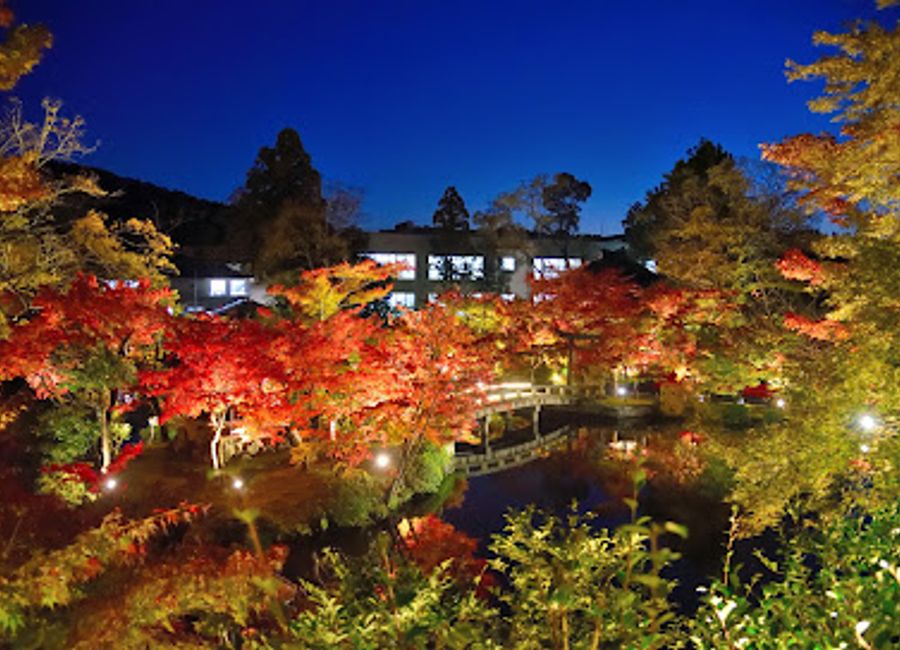
Experience the serene beauty and rich history of Eikan-dō Temple, a must-visit Buddhist sanctuary in Kyoto, Japan, surrounded by stunning gardens.
I wandered through the temple's wooden corridors, admiring the intricate architecture and the serene gardens. The Tahoto Pagoda, nestled in the trees on the hillside, offered a panoramic view of Kyoto. I could see the city stretching out before me, a tapestry of rooftops and temples, framed by the surrounding mountains. It was a breathtaking sight that reminded me of the rich history and cultural heritage of this ancient city. I made a mental note to return in the fall, when the maple trees would be ablaze with color.
Next, we continued along the Philosopher's Path to Nanzen-ji Temple, another Zen Buddhist temple with a rich history. Nanzen-ji was originally built in 1291 as the retirement villa of Emperor Kameyama, who later converted it into a Zen temple. It is now the headquarters of the Nanzen-ji branch of Rinzai Zen. As we approached the temple, the Sanmon Gate loomed before us, an imposing structure that has been designated an Important Cultural Property of Japan. The gate was originally constructed in the 13th century but was destroyed in 1369 and reconstructed in 1628.

Explore the tranquil beauty and rich history of Nanzen-ji Temple, a stunning Buddhist sanctuary nestled in the heart of Kyoto's natural landscape.
We explored the temple grounds, admiring the Hōjō gardens, considered one of the most significant examples of karesansui gardens (rock gardens). The gardens were designed by Kobori Enshu in the 1600s and feature carefully arranged rocks, gravel, and plants that create a sense of tranquility and balance. We also visited the Nanzen-ji Aqueduct, a brick structure constructed in 1890 to carry irrigation water from the Lake Biwa Canal. It was a surprising sight amidst the traditional Japanese architecture, a testament to the blend of history and modernity that defines Kyoto.
For lunch, we decided to try Mezopotamia Kebab House, a Turkish restaurant that I had read about online. I know it seems strange to eat Turkish food in Japan, but I was curious to try something different. The restaurant was small and cozy, with a friendly atmosphere. I ordered a kebab roll, filled with chicken, vegetables, and a spicy sauce. It was absolutely delicious! The flavors were bold and vibrant, and it was a welcome change from the more subtle flavors of Japanese cuisine. Guðrún also reminds me of the flavors of home. It was a satisfying and affordable meal that left me feeling energized for the rest of the day.
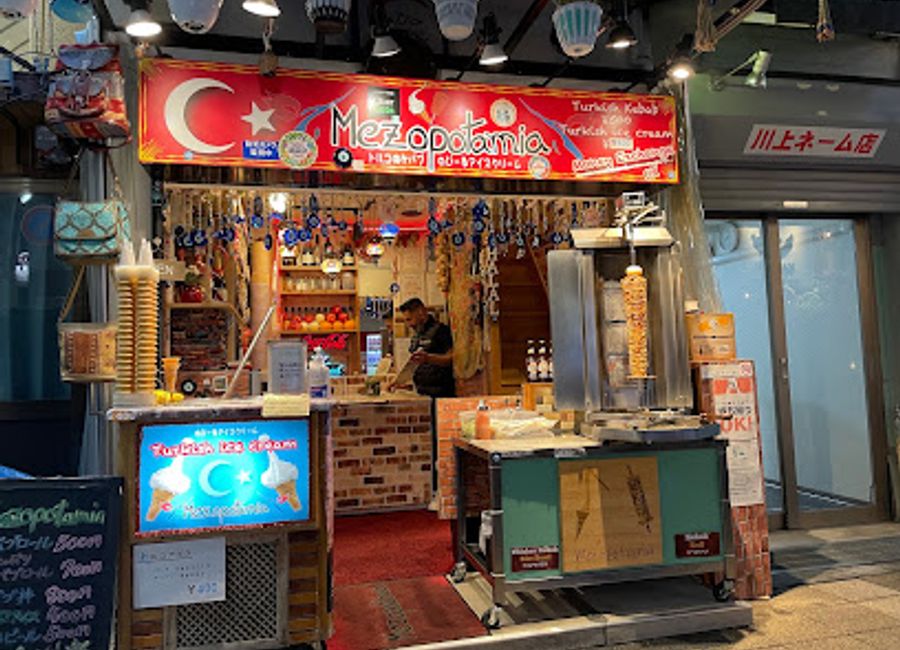
Experience authentic Middle Eastern cuisine at Mezopotamia Kebab House in Kyoto - where every bite tells a story.
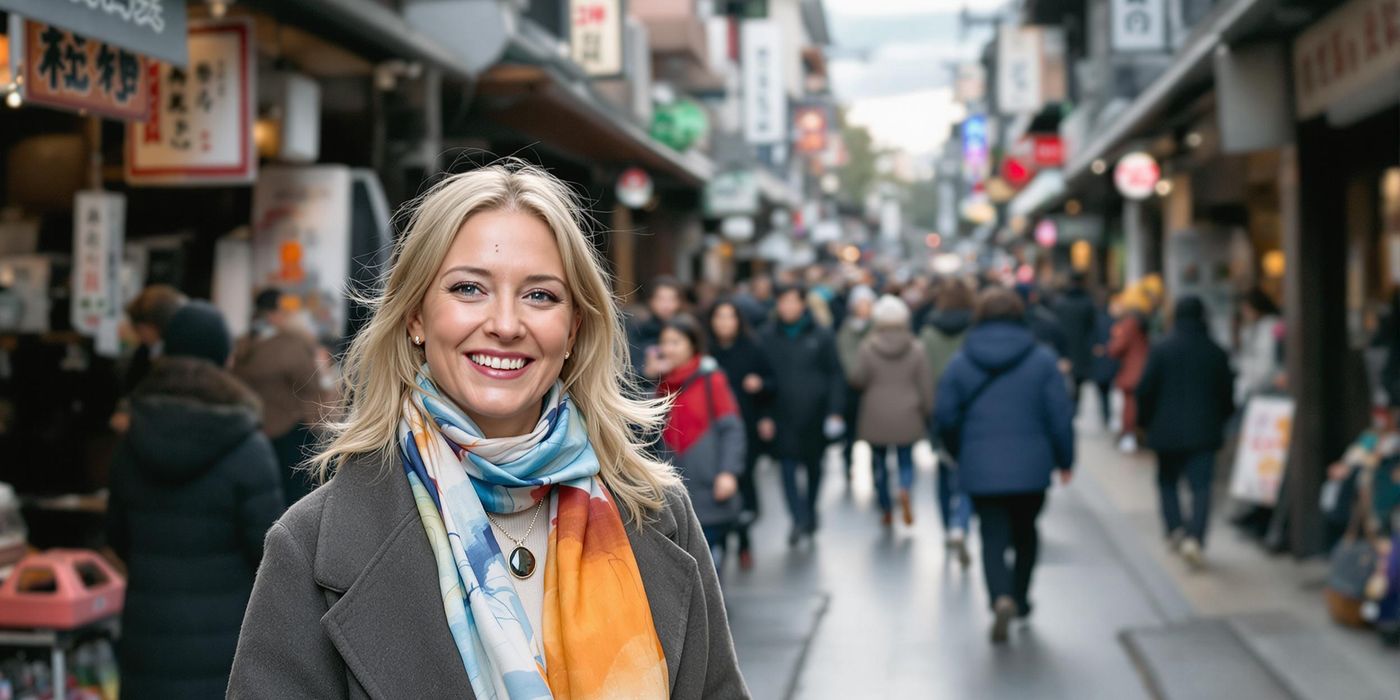
In the afternoon, we ventured into the Kyoto Shinkyogoku Shopping Street, a covered arcade that stretches for several blocks. It was a stark contrast to the serene temples and gardens we had visited earlier in the day. The shopping street was bustling with activity, filled with locals and tourists alike. Shops lined both sides of the street, selling everything from traditional crafts to trendy clothing to souvenirs. It was a sensory overload, with the sounds of shopkeepers hawking their wares, the smells of street food wafting through the air, and the sights of colorful displays competing for attention.

Explore Kyoto Shinkyogoku Shopping Street, a vibrant hub of traditional crafts, delicious street food, and unique shopping experiences in the heart of Kyoto.
I browsed through the shops, admiring the intricate craftsmanship of the traditional crafts. I was tempted to buy a kimono or a piece of pottery, but I resisted the urge, knowing that I would have to carry it all the way back to Hannover. I did, however, buy a few small souvenirs for Astrid and Maximilian, a reminder of my trip to Kyoto. Astrid would love a little Kimono doll, I am sure. I found a beautiful silk scarf for Maximilian, the colours reminded me of the ocean back home in Iceland.
As the day drew to a close, we made our way to Jiki Miyazawa for dinner, a Michelin-starred restaurant that I had booked well in advance. Jiki Miyazawa is a kappo restaurant, a traditional counter-style Japanese restaurant where you can watch the chef prepare your meal right in front of you. The restaurant was small and intimate, with only ten counter seats. The atmosphere was warm and inviting, with soft lighting and gentle music.

Indulge in an authentic Kaiseki dining experience at Jiki Miyazawa, where seasonal flavors meet exquisite presentation in the heart of Kyoto.
We opted for the chef's tasting menu, a multi-course meal that showcased the best of seasonal ingredients. Each dish was a work of art, beautifully presented and bursting with flavor. From the delicate sashimi to the rich and creamy sesame tofu, every bite was a delight. The chef, Takatomo Izumi, was a master of his craft, creating innovative dishes that were both traditional and modern. I particularly enjoyed the grilled Japanese mackerel, served with eggplant sauce and breadcrumbs. The mackerel was perfectly grilled, and the eggplant sauce added a subtle sweetness that complemented the fish perfectly.
The sake was sweet, clean and light. A special umeshu from around Tokyo area was picked by Izumi-san as a digestif to end the meal. This umeshu was mellow, fragrant and balanced. Most of glassware and tableware are chosen carefully by Izumi-san since he loves collecting antique glassware. Some dishes or chawan might be older than you.
As I savored the last bite of dessert, a simple combination of green and purple grape on a small pool of wine jelly, I reflected on the day's experiences. It had been a day of contrasts, from the serene temples and gardens to the bustling shopping streets, but it was a day that had captured the essence of Kyoto. I had immersed myself in the city's history, culture, and cuisine, and I had come away with a deeper appreciation for its beauty and charm.
Tomorrow, we plan to visit Heian Shrine, the Kyoto Museum of Crafts and Design, and the Kyoto Botanical Gardens. I'm particularly looking forward to seeing the Heian Shrine, with its striking architecture and beautiful gardens. And perhaps we'll find a cozy bar to wind down in the evening. Until then, I bid you goodnight from Kyoto, a city that continues to surprise and delight me at every turn. I am eager to see what more this beautiful city has to offer!


Discover Kyoto's rich cultural heritage and modern charm on a 16-day adventure with friends, exploring temples, tea houses, and more.
Meet this Featured Explorer

-
 Occupation:
Librarian specializing in Nordic literature at the Leibniz University Hannover
Occupation:
Librarian specializing in Nordic literature at the Leibniz University Hannover
-
 Country:
Germany
Country:
Germany
-
 Age:
37
Age:
37
Velkomin to my travel blog! I'm Guðrún, an Icelander living in Germany, and I'm passionate about exploring the world with my family. As a librarian specializing in Nordic literature, I'm drawn to destinations with rich cultural histories and breathtaking landscapes. I believe in traveling sustainably, immersing myself in local traditions, and creating meaningful connections along the way. Join me as I share my adventures, travel tips, and stories from around the globe!
- Nordic mythology
- Sustainable living
- Modern art
- Foreign languages
- Genealogy
Find Similar Travel Diaries
Explore locations from this diary
-
Hotel Forza Kyoto Shijo Kawaramachi
Discover the charm of Kyoto at Hotel Forza Shijo Kawaramachi, your ideal base for exploring the city’s rich culture and vibrant neighborhoods.
-
Philosopher's Path
Explore the Philosopher's Path, a serene journey through nature and philosophy in Kyoto, lined with cherry blossoms and historic temples.
-
Eikan-dō Temple
Experience the serene beauty and rich history of Eikan-dō Temple, a must-visit Buddhist sanctuary in Kyoto, Japan, surrounded by stunning gardens.
-
Nanzen-ji Temple
Explore the tranquil beauty and rich history of Nanzen-ji Temple, a stunning Buddhist sanctuary nestled in the heart of Kyoto's natural landscape.
-
Goichi Pizza
Discover the delicious fusion of Italian tradition and local flavors at Goichi Pizza in Kyoto - an unmissable dining experience!
-
Mezopotamia Kebab House
Experience authentic Middle Eastern cuisine at Mezopotamia Kebab House in Kyoto - where every bite tells a story.
-
Jiki Miyazawa
Indulge in an authentic Kaiseki dining experience at Jiki Miyazawa, where seasonal flavors meet exquisite presentation in the heart of Kyoto.
-
Kyoto Shinkyogoku Shopping Street
Explore Kyoto Shinkyogoku Shopping Street, a vibrant hub of traditional crafts, delicious street food, and unique shopping experiences in the heart of Kyoto.