Exploring the Historical Wonders of Kanazawa: A Solo Journey
Day 8: Journey to Gokayama: Discovering Japan's Hidden Heritage
Explore the serene beauty of Gokayama's Suganuma Village, a UNESCO World Heritage Site, and savor Kanazawa's culinary delights. #JapanTravel
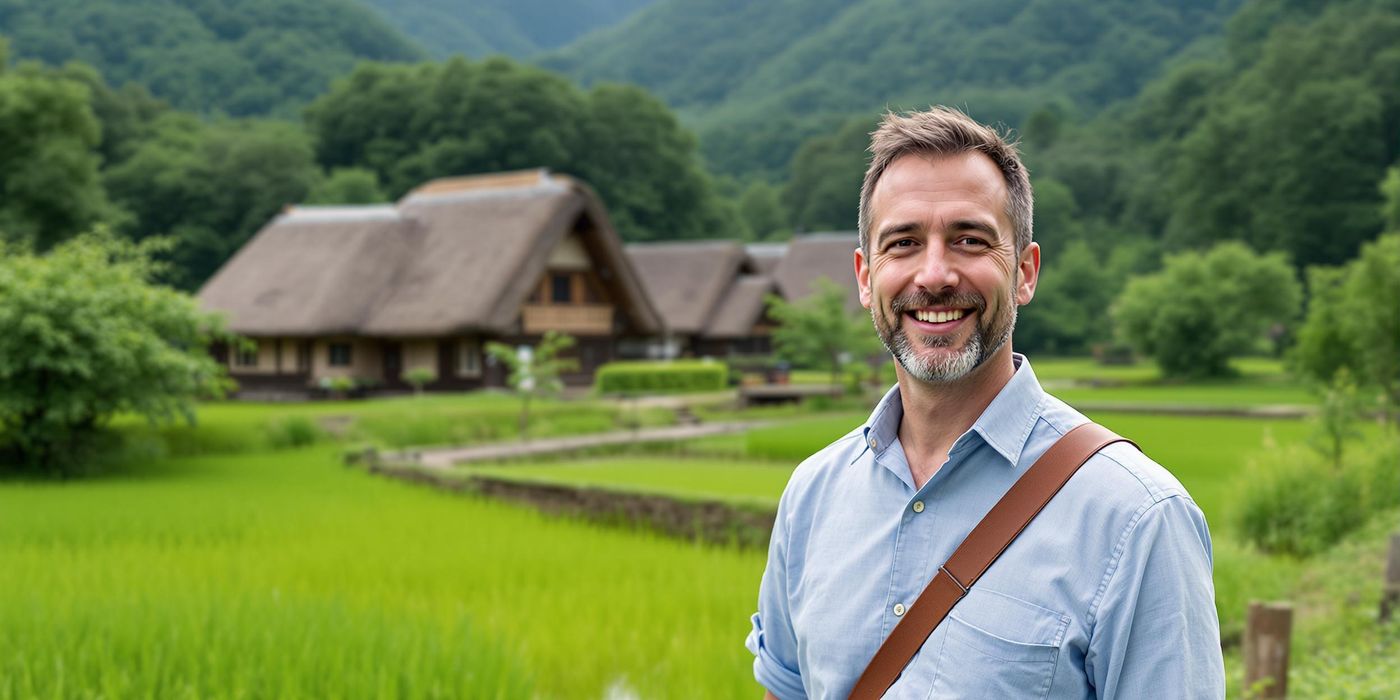
Echoes of the Past in Gokayama
Today, I ventured into the heart of Japan's historical countryside, a journey that transported me back in time. Leaving behind the familiar streets of Kanazawa, I set out to explore a UNESCO World Heritage site, a place where traditional architecture and serene landscapes converge. It was a day of discovery, a day of savoring local flavors, and a day of quiet reflection amidst the beauty of rural Japan.
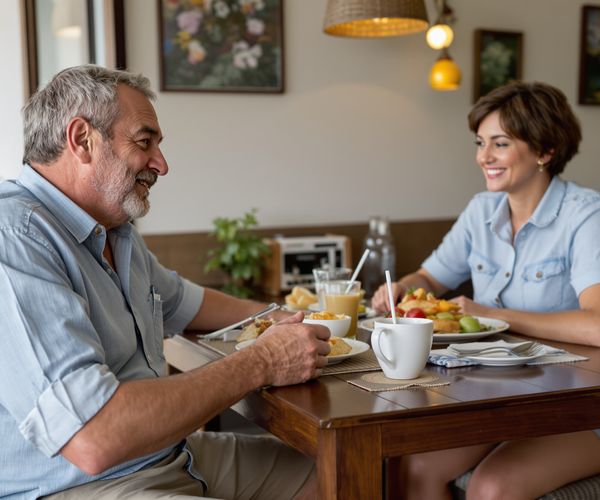
The morning began with a hearty breakfast at Installation Table ENSO L'asymetrie du calme. The restaurant's long name reflects the passion of owner-chef Makoto Doi. The dining room had 14 tables and a private room, with an open kitchen. The restaurant was originally a dressmaking school built in the Meiji period. The tables were made of wood from the Hokuriku region, and the chairs were from Spain. This blend of local and international elements created a unique atmosphere. I savored a delightful array of pastries and coffee, fueling up for the day's adventure. The blend of French culinary techniques with local ingredients was a testament to Kanazawa’s unique culinary scene. It reminded me a little of Antwerp, where you can find culinary influences from all over the world, blended with local ingredients and traditions. Leaving the restaurant, I felt a sense of excitement for what the day held.
The journey to Gokayama was an experience in itself. As the train wound its way through the countryside, the scenery transformed from urban sprawl to verdant rice paddies and rolling hills. The anticipation grew with each passing mile, and I couldn't help but feel a sense of connection to the land. It reminded me of cycling through the Belgian countryside, where every turn reveals a new vista of natural beauty. Finally, I arrived at Gokayama, a region nestled in the mountains of Toyama Prefecture.
Gokayama is a collective name for five regions upstream of the Shogawa River. This area was long isolated by steep mountains and heavy snow, fostering a unique culture adapted to its harsh environment. Suganuma Village and Ainokura Village are renowned for their Gassho-style houses and are part of a UNESCO World Heritage Site along with Ogimachi Village in Shirakawa-go.
Stepping into the Suganuma Gassho-zukuri Village felt like entering a living museum. The gassho-zukuri farmhouses, with their steeply pitched thatched roofs resembling hands clasped in prayer, stood as testaments to the ingenuity and resilience of the people who built them. The roofs are designed to withstand the heavy snowfall of the region, a practical and beautiful solution to a challenging climate. I learned that the houses are constructed without nails, using rope and Japanese witch-hazel to create a flexible structure.
Wandering through the village, I was struck by the tranquility of the surroundings. The gentle murmur of the Shogawa River, the rustling of leaves in the surrounding forests, and the occasional chirp of a bird created a symphony of nature that soothed the soul. It was a world away from the hustle and bustle of city life, a place where time seemed to slow down. I could easily imagine Marie finding inspiration for her next book here; the quiet solitude is perfect for creative thought.
The true essence of travel lies not in seeing new landscapes, but in having new eyes.
I explored the Suganuma Village, one of the main attractions of Gokayama. It consists of Suganuma Village and the Gokayama Gassho no Sato, connected by a tunnel. Nine gassho-zukuri farmhouses in Suganuma Village were designated a UNESCO World Heritage Site in 1995. These well-preserved houses have been transformed into restaurants, minshuku, and museums, showcasing daily life and local industries like washi paper and saltpeter. The Gokayama Gassho no Sato features relocated farmhouses used for school groups and cultural activities.
I visited the Saltpeter Museum, which details the region's history of gunpowder production during the Edo period. Making saltpeter, an ingredient in gunpowder, was an important regional industry during the Edo Period (1603-1868). The museum displays the procedures, tools, and history of this industry in Gokayama. I found it fascinating to learn about this hidden aspect of Gokayama’s past, a testament to the resourcefulness of the local people. It was a reminder that even the most peaceful-looking places can have a complex and sometimes surprising history. The upper stories of the gasshō houses were often used for sericulture, while the areas below the first floor were used for the production of nitre, a raw material for gunpowder.
I also explored the Folk Museum, which showcases tools and household items used in daily life. Some of the exhibited items include tools used for farming, raising silkworms, and making washi paper. It provided a glimpse into the daily lives of the people who lived in these houses, their struggles, and their triumphs.
After immersing myself in the history and culture of Gokayama, it was time to indulge in the local cuisine. For lunch, I headed to Sushi Ippei in Kanazawa. This sushi bar is known for its authentic and reasonably priced sushi. The moment I slid back the entrance door, I was greeted by the cheerful chef and kimono-clad okamisan. I sampled a variety of fresh sushi, each piece a work of art. The chef prepared the sushi right in front of me, using ingredients on display. The thick omelette was a must-try.
In the evening, I savored a delectable dinner at Daimyo Chaya. This restaurant is known for its exceptional crab and seafood specialties, offering a taste of Kanazawa's culinary wealth. The restaurant features a serene Japanese-style private room where you can fully enjoy seasonal Kanazawa local cuisine and fresh seafood. The Kani crab sashimi, small hot pots, and grilled crab are renowned for their exquisite flavors. It was the perfect way to end a day of exploration, savoring the flavors of the region in a relaxed and elegant setting. The restaurant is ideally located just a 3-minute walk from Kanazawa Station. The interior features a traditional Japanese space that extends from the first to the third floor, making it a perfect setting for banquets and sightseeing meals.
To cap off the night, I decided to experience Kanazawa's nightlife at Bar Spoon. This bar is a sophisticated and professional establishment with an expert master who has extensive knowledge about sake. The friendly and gentle atmosphere welcomes visitors, offering not only great drinks but also advice on how to capture the perfect moment. This authentic bar has received awards in major competitions. I enjoyed a carefully crafted cocktail, chatting with the bartender and soaking in the ambiance. It was a delightful way to unwind after a day of exploring, a chance to connect with locals and fellow travelers alike.
As I reflect on today's journey, I am filled with a sense of gratitude for the opportunity to experience the beauty and history of Gokayama. It was a day of discovery, a day of savoring local flavors, and a day of quiet reflection amidst the beauty of rural Japan. Tomorrow, I plan to visit Natadera Temple and Yamanaka Onsen, continuing my exploration of Kanazawa's cultural treasures. I am also planning on visiting Kanazawa Forus to pick up some souvenirs for Marie and Thomas. Each day brings new adventures and new insights, and I am eager to see what tomorrow holds.
Before heading back to the hotel, I made sure to jot down some notes in my notebook, capturing the essence of the day. It's these small details that bring the experience to life when I share my stories with all of you. And of course, I double-checked that I had enough space on my camera's memory card for tomorrow's adventures – a lesson learned from almost running out earlier in the trip!
Discover Kanazawa's rich history and culture on a solo journey, exploring Edo-era districts, art museums, and exquisite gardens.
Meet this Featured Explorer

-
 Occupation:
Antique Restorer
Occupation:
Antique Restorer
-
 Country:
Belgium
Country:
Belgium
-
 Age:
46
Age:
46
Ah, hello there! I'm Jef Peeters, a 46-year-old antique restorer from Antwerp, Belgium. My life revolves around preserving history, whether it's through restoring timeworn objects or exploring the world with my wonderful wife, Marie, and our son, Thomas. I believe every place and every object has a story to tell, and I'm here to share those stories with you. From cycling through the historic Antwerp port to savoring local cuisine in hidden European gems, I'm always seeking authentic experiences. Join me as I blend personal anecdotes with historical facts, offering you a unique perspective on cultural travel. I hope my blog inspires you to discover the hidden beauty and rich stories that await around every corner.
Find Similar Travel Diaries
Explore locations from this diary
-
APA Hotel Kanazawa Nomachi
Discover comfort and convenience at APA Hotel Kanazawa Nomachi, your ideal base for exploring Kanazawa's rich culture and stunning attractions.
-
Gokayama
Discover the charm of Gokayama, a UNESCO World Heritage site featuring traditional gassho-zukuri farmhouses and stunning mountain landscapes.
-
World Heritage Suganuma Gassho-zukuri Village
Explore Suganuma Gassho-zukuri Village, a UNESCO World Heritage site showcasing traditional Japanese architecture in the stunning Toyama mountains.
-
Installation Table ENSO L'asymetrie du calme
Experience exquisite French cuisine in the serene ambiance of Kanazawa's Installation Table ENSO L'asymetrie du calme.
-
Sushi Ippei
Experience authentic Japanese sushi at Sushi Ippei, where fresh ingredients meet culinary artistry in Kanazawa's vibrant dining scene.
-
Daimyo Chaya
Experience exquisite crab dishes and authentic kaiseki cuisine at Daimyo Chaya in Kanazawa – a true culinary delight!
-
Bar Spoon
Experience the vibrant nightlife of Kanazawa at Bar Spoon, where innovative cocktails meet a cozy atmosphere in the heart of Katamachi.