Solo Sojourn to the Timeless Wonders of Luxor
Day 10: Whispers of Gods and Mortals: A Day Among Mummies and Myths in Luxor
Delve into Luxor's ancient mysteries, exploring the Temple of Mut and the Mummification Museum. Uncover the secrets of pharaohs and gods.

Echoes of Eternity
Today, I found myself drawn into the quieter corners of Luxor, away from the grand Karnak and Luxor Temples, to explore the more intimate stories of gods, goddesses, and the mortals who sought to defy death. It was a day of reflection, a journey into the heart of ancient beliefs and practices, and a reminder of the enduring human fascination with the afterlife.
My day began with a hearty breakfast at the Sonesta St George Hotel Luxor. I always appreciate a good buffet, especially when it fuels a day of exploration. After my meal, I set out with my camera, eager to capture the essence of the sites I planned to visit. I felt a pang of regret that I hadn't packed a power adapter; my devices were constantly running low, and capturing these moments was paramount. I made a mental note to purchase one at the Pr-Ba Concept Store later.
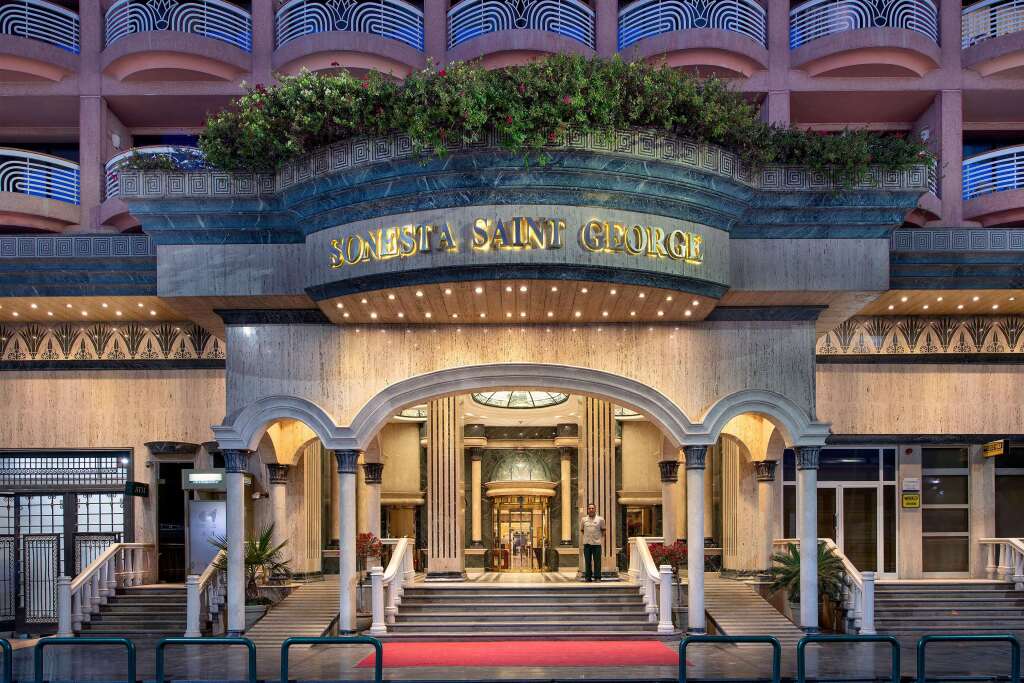
Experience luxury and comfort at the Sonesta St George Hotel in Luxor, with stunning Nile views, exquisite dining, and top-tier amenities for an unforgettable stay.
First on the agenda was the Temple of Mut. As an antique restorer, I am naturally drawn to places where the past is palpable, where the stones themselves seem to whisper stories of bygone eras. The Temple of Mut, dedicated to the wife of Amun-Re, stands as a testament to the power and reverence this goddess commanded. Walking through the temple complex, I was struck by the serenity of the space, even in its partially restored state. The air was still and heavy with history, and I could almost hear the echoes of ancient rituals and prayers.
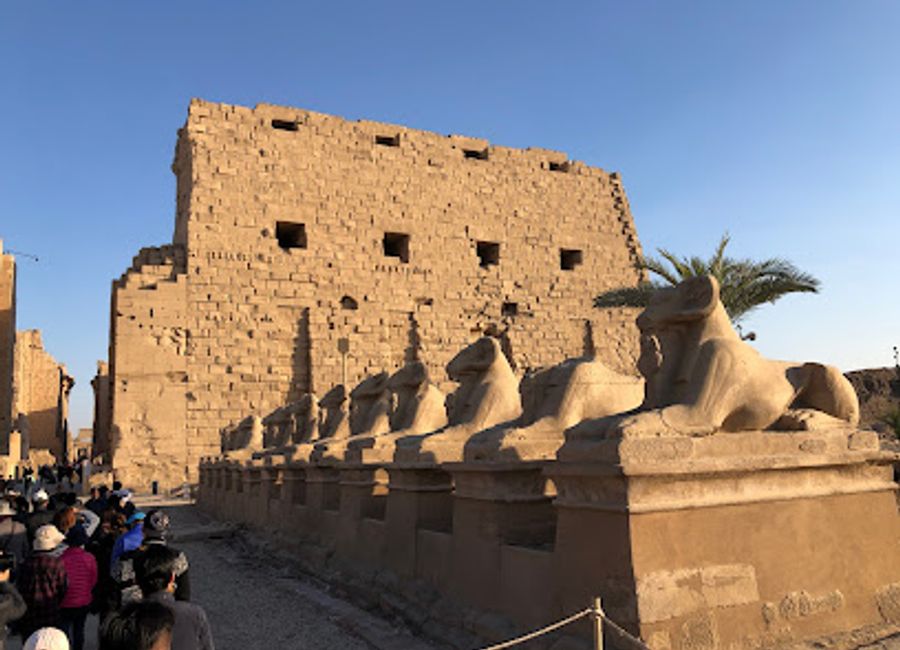
Explore the Mut Temple in Karnak, Luxor, where ancient Egyptian culture and stunning architecture come together to create an unforgettable historical experience.
The Temple of Mut, located 325 meters south of the Temple of Amun in Karnak, was constructed during the New Kingdom Period around 1400 BC. It served as a major religious center for the worship of the goddess Mut, whom the ancient Egyptians believed to be the protector of Egypt, the wife of the god Amun, and the mother of the god Khonsu. Exploring the temple, I was captivated by the numerous statues of Sekhmet, the lion-headed goddess associated with Mut, a reminder of her fierce protective nature. The temple's architecture, though worn by time, still conveyed a sense of grandeur and importance. I wandered through the interconnected courtyards and sanctuaries, each adorned with intricate carvings and compositions that spoke to the goddess's significance in ancient Egyptian religion.
The past is never dead. It's not even past.
The temple's connection to the Opet Festival particularly fascinated me. This grand religious event involved moving statues of the Theban Triad—Amun, Mut, and Khonsu—from Karnak to Luxor Temple, highlighting Mut's central role in the religious life of Thebes. Standing there, amidst the ruins, I imagined the processions, the music, and the fervent devotion of the people as they celebrated their gods. It was a powerful reminder of how deeply intertwined religion and daily life were in ancient Egypt.
After immersing myself in the Temple of Mut, I decided to visit the Pr-Ba Concept Store. I needed a power adapter and was curious to see what local crafts and souvenirs they offered. The store was a delightful surprise, a treasure trove of unique Egyptian handicrafts. While I did find the adapter I desperately needed, I also couldn't resist purchasing a small, hand-carved statue of Sekhmet as a memento of my visit to the temple. Supporting local artisans is something I always try to do during my travels; it feels good to bring home a piece of the culture while contributing to the local economy.

Explore the Pr-Ba Concept Store in Luxor for unique handicrafts and souvenirs that capture the essence of Egyptian culture.
For lunch, I ventured to Fagagg, a local restaurant recommended by a fellow traveler. I was eager to try some authentic Egyptian cuisine, and Fagagg did not disappoint. I ordered a selection of traditional dishes, including ful medames (a fava bean stew) and ta'ameya (Egyptian falafel). The flavors were rich and complex, a delightful blend of spices and fresh ingredients. It was a welcome break to sit and savor the local fare, watching the bustling street life of Luxor unfold around me.

Experience authentic Egyptian flavors at Fagagg, a hidden culinary gem in Luxor's Gazirat Al Awameyah district.
In the afternoon, I made my way to the Mummification Museum, a place I had been particularly eager to visit. As an antique restorer, I have a professional interest in preservation techniques, and the ancient Egyptians were masters of the art. The museum, located on the Nile Corniche, is dedicated to showcasing the intricate process of mummification and its religious significance.
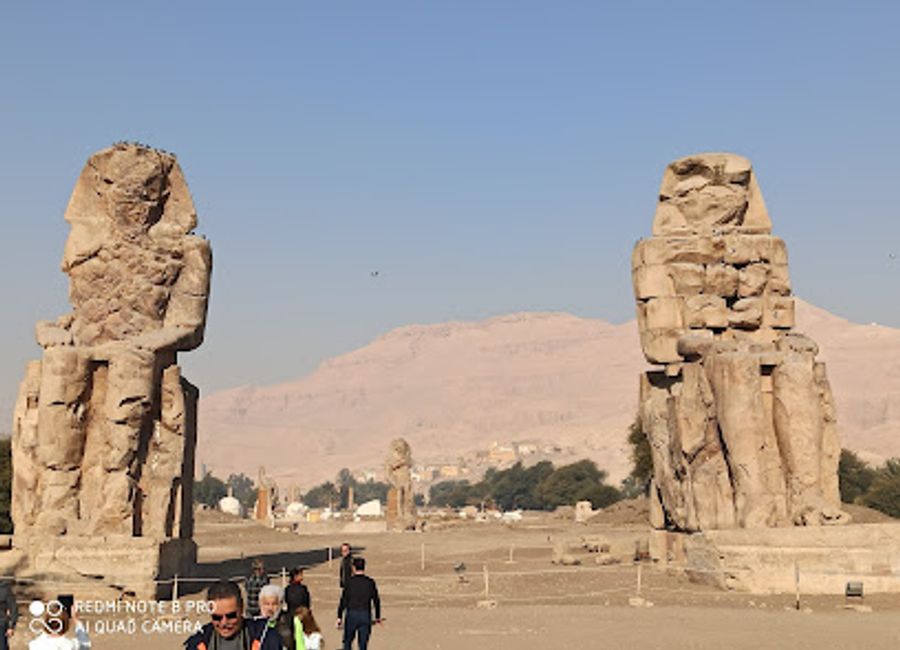
Explore the Mummification Museum in Luxor, where ancient Egyptian burial practices come to life through captivating exhibits and rich artifacts.
The Mummification Museum provided a comprehensive overview of how the ancient Egyptians preserved their dead, not only humans but also various animals such as cats, dogs, and crocodiles. The exhibits included tools, objects, and equipment used in the mummification process, along with detailed explanations of the rituals and religious beliefs associated with it. I learned that the process took approximately 70 days and involved removing the internal organs, drying the body with sodium nitrate, and wrapping it in linen bandages, with magical amulets placed within the wrappings for protection.
One of the most fascinating displays was the collection of canopic jars, used to store the preserved organs of the deceased. Each jar was associated with one of the four sons of Horus and was believed to protect the specific organ it contained. Seeing these jars, elaborately decorated and meticulously crafted, gave me a profound appreciation for the level of care and reverence the ancient Egyptians invested in preparing their dead for the afterlife.
The museum also featured mummified animals, including a cat symbolizing the goddess Bastet and a ram symbolizing the god Khnum. These exhibits highlighted the Egyptians' belief in the importance of animals in the cosmic order and their practice of mummifying them as offerings to the gods. The mummified remains of Maseharti, a 21st-Dynasty high priest and general, were also on display, providing a tangible connection to the individuals who lived and died in ancient Thebes.
As I wandered through the museum, I was struck by the Egyptians' deep-seated belief in the afterlife and their elaborate preparations for it. Mummification was not merely a practical process; it was a sacred ritual, a means of ensuring the deceased's safe passage to the next world. The tools, amulets, and spells used in the process were all designed to protect the body and spirit from harm, to guide them through the trials of the underworld, and to ensure their eventual resurrection.
Leaving the Mummification Museum, I felt a sense of awe and respect for the ancient Egyptians and their sophisticated understanding of life, death, and the cosmos. Their meticulous preservation techniques, their elaborate religious beliefs, and their unwavering faith in the afterlife all spoke to a culture that was deeply spiritual and profoundly connected to the mysteries of existence.
For dinner, I decided to try Silk Road, an Asian restaurant at the Sonesta St George Hotel. After a day of exploring ancient Egyptian history, I was in the mood for something different. The restaurant offered a fusion of Asian flavors, and I opted for a Thai green curry, which was flavorful and satisfying. It was a pleasant way to end a day filled with historical discoveries and cultural immersion.

Discover the essence of Asian cuisine at Silk Road in Luxor—a culinary journey reflecting history and flavor.
As I reflect on my day, I am filled with a sense of gratitude for the opportunity to explore the quieter, more intimate aspects of Luxor. The Temple of Mut and the Mummification Museum offered unique insights into the religious beliefs and practices of the ancient Egyptians, while the Pr-Ba Concept Store and Fagagg provided a taste of modern-day Luxor. It was a day of contrasts, a journey through time, and a reminder of the enduring human fascination with the mysteries of life and death.
Tomorrow marks the final day of my solo sojourn in Luxor. I plan to visit the Avenue of the Rams and the Luxor corniche. I might even treat myself to a drink at VIP CLUB LUXOR before heading back to Belgium. It’s been an incredible trip, one that has deepened my appreciation for the rich history and culture of Egypt. I am excited to share more of my experiences and insights with you all, and I hope that my journey inspires you to embark on your own adventures and discover the wonders of the world.
I am already looking forward to returning to Antwerp, seeing Marie and Thomas again and relating all the amazing experiences I have had. I am sure they are curious to hear all about it.

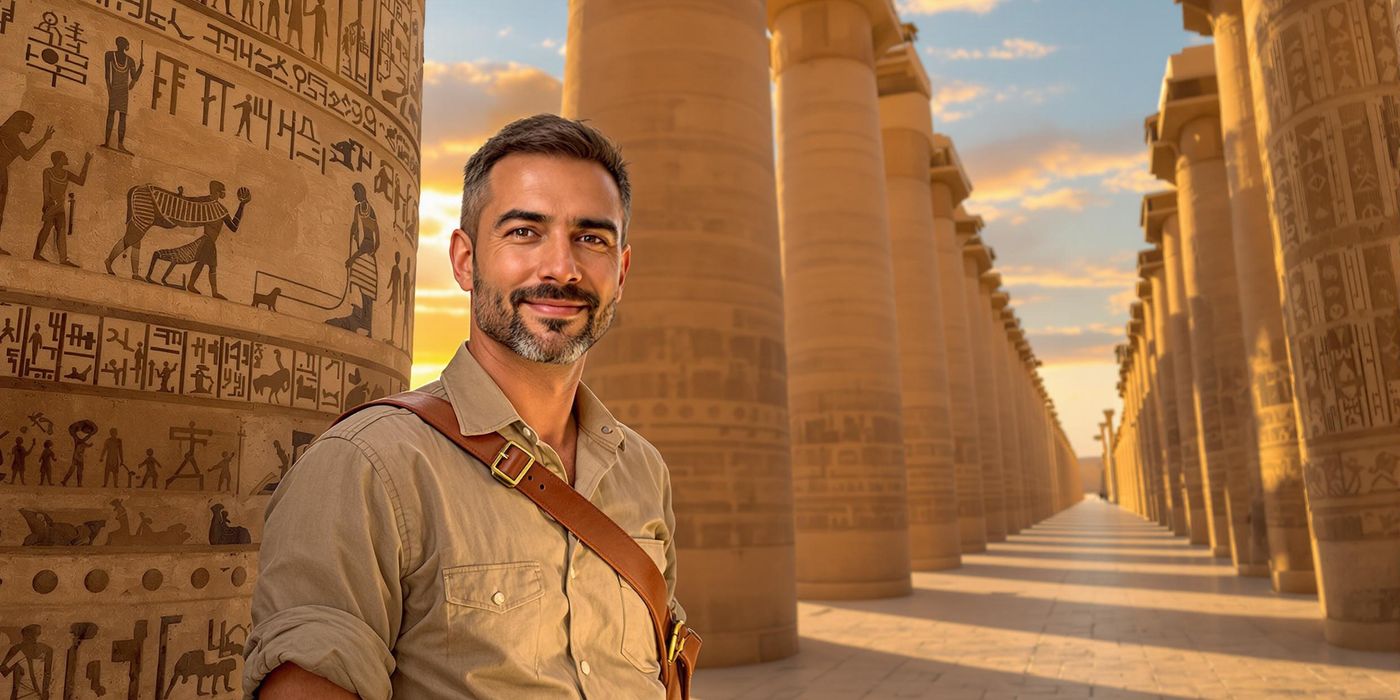
Explore the ancient marvels of Luxor solo and uncover Egypt's rich history through a blend of cultural immersion and personal discovery.
Meet this Featured Explorer

-
 Occupation:
Antique Restorer
Occupation:
Antique Restorer
-
 Country:
Belgium
Country:
Belgium
-
 Age:
46
Age:
46
Ah, hello there! I'm Jef Peeters, a 46-year-old antique restorer from Antwerp, Belgium. My life revolves around preserving history, whether it's through restoring timeworn objects or exploring the world with my wonderful wife, Marie, and our son, Thomas. I believe every place and every object has a story to tell, and I'm here to share those stories with you. From cycling through the historic Antwerp port to savoring local cuisine in hidden European gems, I'm always seeking authentic experiences. Join me as I blend personal anecdotes with historical facts, offering you a unique perspective on cultural travel. I hope my blog inspires you to discover the hidden beauty and rich stories that await around every corner.
Find Similar Travel Diaries
Explore locations from this diary
-
Sonesta St George Hotel Luxor
Experience luxury and comfort at the Sonesta St George Hotel in Luxor, with stunning Nile views, exquisite dining, and top-tier amenities for an unforgettable stay.
-
Mut Temple
Explore the Mut Temple in Karnak, Luxor, where ancient Egyptian culture and stunning architecture come together to create an unforgettable historical experience.
-
Mummification Museum
Explore the Mummification Museum in Luxor, where ancient Egyptian burial practices come to life through captivating exhibits and rich artifacts.
-
Fagagg
Experience authentic Egyptian flavors at Fagagg, a hidden culinary gem in Luxor's Gazirat Al Awameyah district.
-
Silk Road
Discover the essence of Asian cuisine at Silk Road in Luxor—a culinary journey reflecting history and flavor.
-
Pr-Ba Concept Store (Luxor)
Explore the Pr-Ba Concept Store in Luxor for unique handicrafts and souvenirs that capture the essence of Egyptian culture.