Solo Cultural Exploration in Kyoto: A Journey Through History and Architecture
Day 4: A Day of Serenity and Culinary Delights in Kyoto
Immerse yourself in Kyoto's spiritual heart with visits to ancient temples and indulge in exquisite dining experiences. A perfect day!
Whispers of Ancient Echoes
Today was a deep dive into the spiritual and culinary heart of Kyoto, a day where ancient traditions met modern flavors in the most delightful way. From the vibrant red gates of Fushimi Inari to the serene gardens of Tofuku-ji and the majestic halls of Chionin, every moment was a sensory experience. It was a day of exploration and reflection, a reminder of the rich tapestry of history and culture that defines this incredible city.
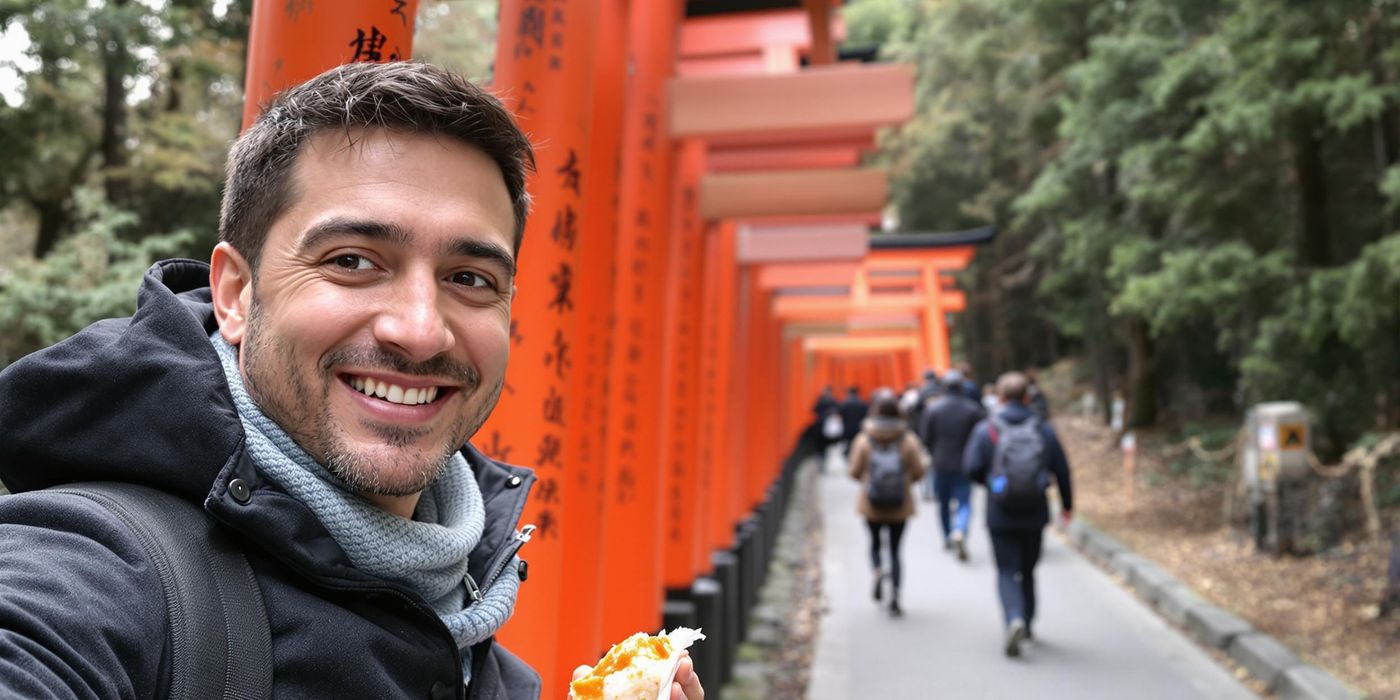
My day began early, driven by an eagerness to witness the famed Fushimi Inari Taisha in the soft morning light. I remember reading about this place back in Ouro Preto, dreaming of walking through those vermillion gates. Leaving my cozy room at Hotel KADO Gosho - Minami Kyoto, I hopped on the train, the rhythmic clatter a soothing soundtrack to my anticipation. As the train pulled into Inari Station, I was immediately greeted by the iconic red torii, beckoning me forward.
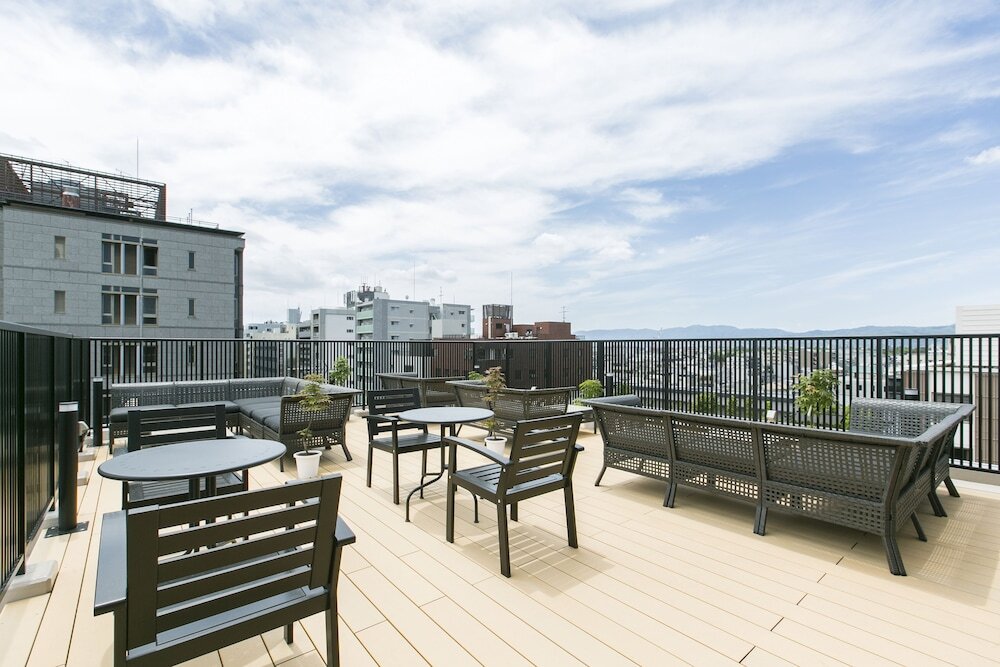
Discover budget-friendly comfort at Hotel KADO Gosho in the heart of Kyoto, where modern amenities meet traditional charm for an unforgettable stay.
Stepping through the entrance, I was immediately enveloped in a sea of vibrant red. Thousands of torii gates snaked their way up the mountainside, each one a donation from a business or individual seeking good fortune. The sheer scale of it was breathtaking, a testament to the enduring power of faith and the entrepreneurial spirit. I began my ascent, the path winding through the dense forest, the air thick with the scent of cedar and the murmur of fellow travelers. Sunlight filtered through the gaps in the gates, casting an ethereal glow on the path ahead. It was a truly awe-inspiring sight, a visual representation of the journey towards enlightenment.
I paused frequently, captivated by the intricate details of each gate, the inscriptions telling stories of hope and prosperity. Foxes, considered the messengers of Inari, were everywhere – in statues, carvings, and even in the little ema (votive tablets) that adorned the shrines along the way. I learned that Fushimi Inari Taisha dates back to the 8th century, initially built to enshrine the gods of rice and sake production by the influential Hata clan. Over time, as rice cultivation became less central to daily life, Inari worship expanded to include business prosperity. I could feel the weight of history with each step, the echoes of countless prayers and wishes resonating in the air.
Reaching the summit was a rewarding experience, both physically and spiritually. The panoramic views of Kyoto were stunning, a sprawling cityscape framed by the rolling hills. I took a moment to catch my breath, savor the accomplishment, and reflect on the journey. The descent was equally enchanting, the path revealing new perspectives and hidden details. Back at the base, I indulged in some Inari sushi, rice-stuffed tofu pockets, a local specialty said to be a favorite of the foxes. It was a delicious and fitting end to my exploration of this iconic shrine.
To walk through the seemingly endless vermillion gates of Fushimi Inari is to journey through centuries of faith, hope, and the vibrant spirit of a nation.
Next on my itinerary was Tofuku-ji Temple, a serene Zen temple known for its spectacular autumn colors. Although it was still February, I was eager to experience the temple's tranquility and admire its unique architecture. A short train ride brought me to Tofukuji Station, and from there, it was a pleasant walk through quiet residential streets to the temple grounds.
Discover the serene beauty and historical significance of Tofuku-ji Temple, a must-visit Buddhist landmark in Kyoto.

Founded in 1236 by the powerful Fujiwara clan, Tofuku-ji was designed to rival the great temples of Nara. Its name is even a combination of the names of two Nara temples, Todai-ji and Kofuku-ji. I wandered through the expansive grounds, marveling at the massive Sanmon gate, the oldest Zen gate in Japan, dating back to 1425. The Hondo (main hall), though a reconstruction from 1934, was equally impressive in its scale. I could imagine how stunning this place must be in autumn, with the maple trees ablaze in fiery hues.
I paid a small fee to enter the Hojo, the head priest's former living quarters, and was immediately transported to a world of Zen tranquility. The gardens surrounding the Hojo were unlike anything I had ever seen, each one a unique composition of gravel, rocks, moss, and trees. The northern garden, with its checkerboard pattern of stones and moss, was particularly striking. I sat on the wooden veranda, listening to the gentle rustling of leaves and the distant chirping of birds, feeling a sense of peace wash over me. It was a moment of pure serenity, a welcome respite from the hustle and bustle of the city.
My final temple visit of the day was to Chionin Temple, the headquarters of the Jodo-shu (Pure Land Sect) of Buddhism. Located at the foot of Higashiyama, Chionin is a sprawling complex with a rich history and impressive architecture. Founded in 1234 by Honen's disciple, Genchi, the temple commemorates Honen, who taught that salvation could be achieved simply by chanting the name of Amida Buddha. The temple flourished under the patronage of the Tokugawa shoguns, who designated it as their family temple.
Explore the serene beauty of Chionin Temple, a historic Buddhist site in Kyoto, offering spiritual insight and breathtaking architecture.
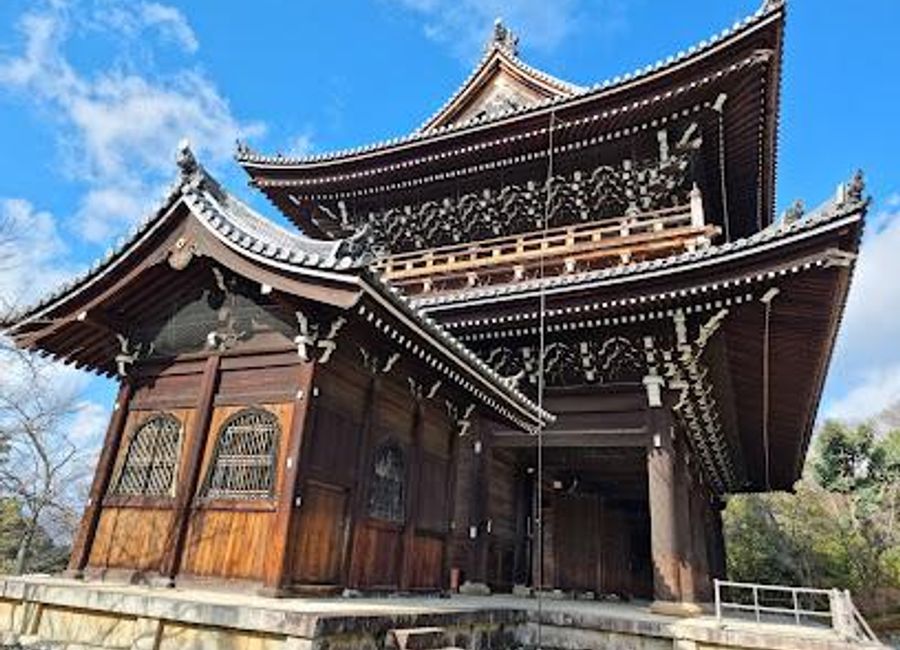
As I approached the Sanmon gate, the largest wooden gate in Japan, I was struck by its sheer size and grandeur. The intricate carvings and imposing presence were a testament to the power and influence of the Tokugawa clan. I passed through the gate and into the main grounds, where I was greeted by the Mieido (main hall), a vast structure that houses a statue of Amida Buddha. The air was thick with incense, and the sound of chanting filled the space, creating a deeply spiritual atmosphere.
I explored the various halls and gardens, each one a treasure trove of art and history. The Hojo Garden, with its panoramic views of Kyoto, was particularly captivating. I also learned about the temple's Seven Wonders, including the Uguisubari-no-rōka (nightingale floor), a corridor that squeaks with every step, designed to warn of intruders. It was fascinating to imagine the temple's past, the lives of the monks and pilgrims who had walked these halls for centuries.
After a day of temple hopping, my stomach was rumbling, and I was ready for a culinary adventure. I had several restaurants on my list, each offering a unique taste of Kyoto cuisine. My first stop was Goichi Pizza, a small pizzeria known for its authentic stone-oven pizzas. I had read rave reviews about their chewy crust and delicious toppings, and I was eager to try it for myself. The restaurant was cozy and inviting, with a casual atmosphere that made me feel right at home. I ordered a classic Margherita pizza, and it was everything I had hoped for – the crust was perfectly crisp and chewy, the sauce was tangy and flavorful, and the mozzarella was fresh and creamy. It was a simple but satisfying meal, a perfect way to refuel after a long day of sightseeing.
Discover the delicious fusion of Italian tradition and local flavors at Goichi Pizza in Kyoto - an unmissable dining experience!

For a taste of traditional Kyoto cuisine, I headed to Hyoto Shijo Karasuma, a restaurant specializing in dashi shabu-shabu. This was a recommendation from Isabela, who had read about it online. The restaurant was elegant and refined, with a serene ambiance that reflected the city's cultural heritage. I ordered the Kyo shabu set, which included a variety of seasonal dishes and the signature dashi shabu. The broth was light and flavorful, infused with the delicate essence of kombu and bonito flakes. I cooked thin slices of pork and vegetables in the broth, savoring the subtle flavors and textures. The service was impeccable, the staff attentive and knowledgeable, guiding me through each step of the meal. It was a truly unforgettable dining experience, a celebration of Kyoto's culinary artistry.
Experience authentic Japanese flavors with exquisite hot pot and Kaiseki dishes at Hyoto Shijo Karasuma in Kyoto.

To cap off my culinary journey, I decided to indulge in some Kobe beef at Kobe Beef Steak Restaurant MOURIYA GION. I had heard so much about this legendary beef, and I wanted to experience it for myself. The restaurant was luxurious and sophisticated, with a teppanyaki counter where chefs prepared the beef right in front of the customers. I ordered the Kobe filet, cooked medium-rare, and it was simply divine. The beef was incredibly tender and flavorful, melting in my mouth with each bite. The chef expertly grilled the beef, searing the outside to a perfect crisp while keeping the inside juicy and succulent. It was an expensive meal, but worth every penny. Kobe beef truly lives up to its reputation as one of the world's finest culinary delicacies.
Experience unparalleled flavors at Kobe Beef Steak Restaurant MOURIYA GION in Kyoto - a must-visit for steak lovers seeking authenticity.
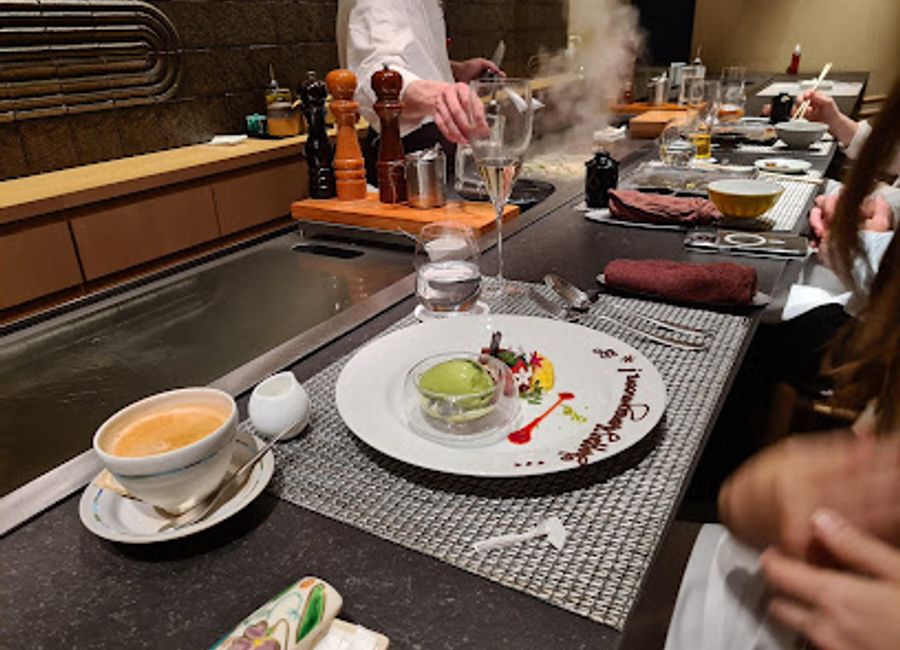
As the evening drew to a close, I sought out a nightcap at L'Escamoteur, a unique bar known for its creative cocktails and whimsical atmosphere. This came highly recommended as a place where one can experience a taste of Europe in the heart of Kyoto. The bar was small and intimate, with a quirky décor that felt like stepping into a magician's workshop. The bartender, a charming Frenchman, concocted a custom cocktail for me based on my preferences. It was a delightful blend of flavors, a perfect ending to a perfect day. Sipping my drink, I reflected on all that I had experienced – the ancient temples, the serene gardens, the exquisite cuisine, and the warm hospitality. Kyoto had truly captured my heart, and I was already looking forward to tomorrow's adventures in Arashiyama.
Discover L'Escamoteur, Kyoto's enchanting cocktail bar where artistry meets mixology in a whimsical atmosphere. Unforgettable drinks await!

Tomorrow, I plan to visit Arashiyama, including the famed Bamboo Groove. I am eager to see the Tenryu-ji as well and hope that the weather holds up. I'm also excited to explore the local cuisine there!

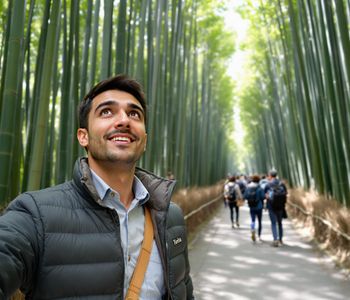

Discover Kyoto's rich history and architecture on a solo journey. Explore ancient temples, traditional tea houses, and more in this cultural adventure.
Meet this Featured Explorer

-
 Occupation:
Historical Building Restoration Consultant
Occupation:
Historical Building Restoration Consultant
-
 Country:
Canada
Country:
Canada
-
 Age:
42
Age:
42
Olá, world! I'm Jose Silva, a historical building restoration consultant with a passion for travel and a deep love for history and culture. Born in the beautiful, historic city of Ouro Preto, Brazil, I now call Kingston, Canada, home. Join me as I explore the world, one historical site, one delicious meal, and one cultural experience at a time. I'll share my insights, tips, and personal anecdotes to inspire your own travel adventures. Whether you're a history buff, a foodie, or simply someone seeking unique travel experiences, I hope you'll find something to enjoy here!
Find Similar Travel Diaries
Explore locations from this diary
-
Hotel KADO Gosho - Minami Kyoto
Discover budget-friendly comfort at Hotel KADO Gosho in the heart of Kyoto, where modern amenities meet traditional charm for an unforgettable stay.
-
Fushimi Inari Taisha
Explore the enchanting Fushimi Inari Taisha, Kyoto's iconic Shinto shrine famous for its thousands of vibrant torii gates and breathtaking mountain trails.
-
Tōfuku-ji Temple
Discover the serene beauty and historical significance of Tōfuku-ji Temple, a must-visit Buddhist landmark in Kyoto.
-
Chionin Temple
Explore the serene beauty of Chionin Temple, a historic Buddhist site in Kyoto, offering spiritual insight and breathtaking architecture.
-
Goichi Pizza
Discover the delicious fusion of Italian tradition and local flavors at Goichi Pizza in Kyoto - an unmissable dining experience!
-
Hyoto Shijo Karasuma
Experience authentic Japanese flavors with exquisite hot pot and Kaiseki dishes at Hyoto Shijo Karasuma in Kyoto.
-
Kobe Beef Steak Restaurant MOURIYA GION
Experience unparalleled flavors at Kobe Beef Steak Restaurant MOURIYA GION in Kyoto - a must-visit for steak lovers seeking authenticity.
-
L'Escamoteur
Discover L'Escamoteur, Kyoto's enchanting cocktail bar where artistry meets mixology in a whimsical atmosphere. Unforgettable drinks await!