Solo Cultural Exploration in Kyoto, Japan
Day 10: A Thousand Gates and a Cup of Sake: Discovering Kyoto's Soul
Journey through Kyoto's iconic Fushimi Inari Shrine and the historic Gekkeikan Sake Museum, savoring culture and flavors.

Kyoto's Fiery Spirit & Gentle Brews
Today was a day of contrasts, a vibrant exploration of Kyoto that stirred both the soul and the senses. From the fiery vermilion gates of Fushimi Inari to the serene halls of the Gekkeikan Sake Museum, I found myself immersed in the heart of Japanese culture. It was a reminder of why I set out on this solo journey in the first place – to connect with a world so different from my own, to find those moments of understanding that bridge the gaps between cultures.
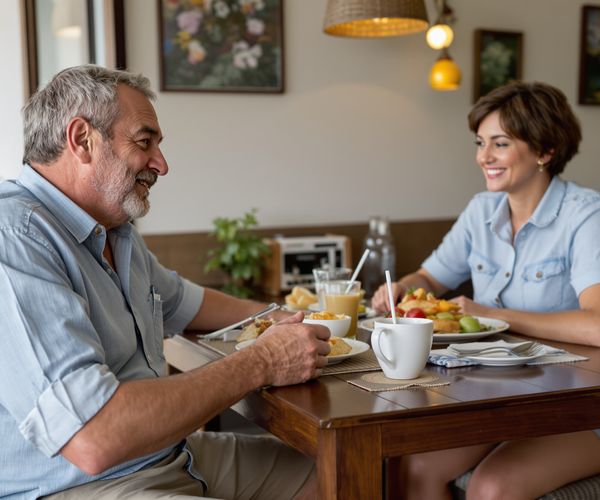
My morning began with a hearty breakfast at Saishuan Shiraki. It was a quaint spot, and I enjoyed a traditional Japanese breakfast. It was a great way to fuel up before heading out to explore the day's attractions.
The first stop of the day was Fushimi Inari Taisha. The approach to Fushimi Inari was like stepping into another world. The air was thick with anticipation, a palpable sense of reverence humming beneath the surface. As I walked from the train station, the iconic vermilion torii gates began to appear, growing in number until they formed a seemingly endless tunnel of vibrant color. The closer I got, the more I could feel the energy of the place, a blend of ancient history and spiritual significance.
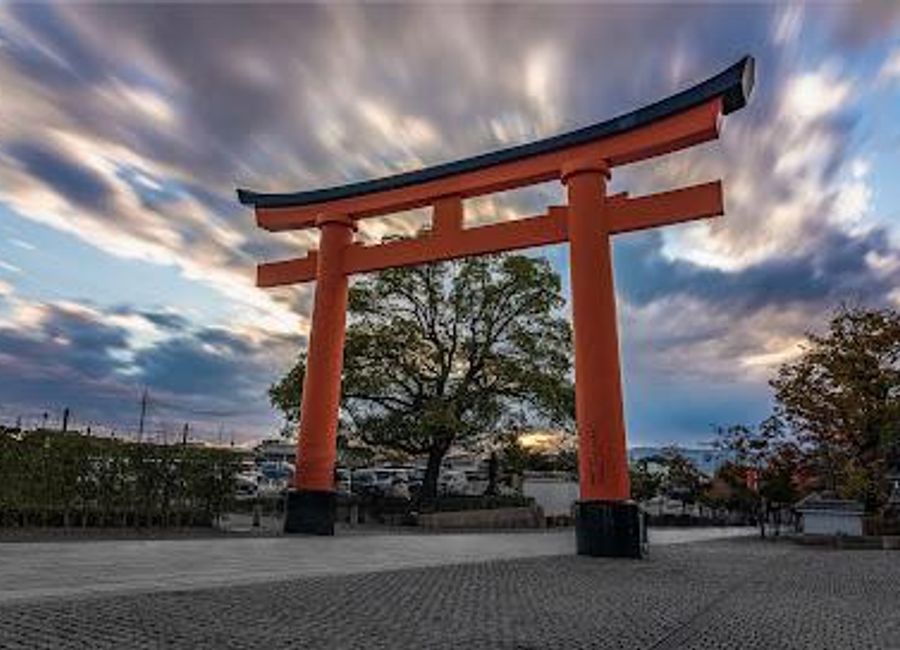
Discover the spiritual heart of Kyoto at Fushimi Inari Taisha, renowned for its thousands of striking red torii gates and serene hiking trails.
The Fushimi Inari Shrine, dedicated to Inari, the Shinto god of rice, sake, and prosperity, is famous for its thousands of vermilion torii gates that wind up the side of Mount Inari. The hike to the summit, a little over 230 meters, is a journey in itself, a physical and spiritual ascent through a landscape dotted with small shrines, fox statues (kitsune, Inari's messengers), and breathtaking views of Kyoto. The experience is free and open 24/7, making it accessible to everyone, regardless of their schedule.
As I walked beneath the seemingly endless tunnel of vermilion gates, each donated by a different company, I couldn't help but feel a sense of awe. The bright orange color seemed to pulse with energy, casting a warm glow on everything around me. The path wound its way up the mountain, past countless small shrines and statues of foxes, the messengers of Inari. Despite the crowds, there was a sense of peace and tranquility, a feeling of being transported to another world.
I took my time, stopping to admire the intricate details of the shrines, to read the inscriptions on the gates, and to soak in the stunning views of Kyoto spread out below. I passed countless small shrines and statues of foxes, the messengers of Inari. Each gate was inscribed with the name of the donor, a testament to the shrine's enduring popularity and the importance of Inari to local businesses. I found myself wondering about the stories behind each donation, the hopes and dreams that were etched into the wood.
The higher I climbed, the more the crowds thinned, and the more I felt a sense of solitude and connection to the mountain.
Reaching the summit was a rewarding experience, not just for the physical accomplishment, but for the sense of perspective it offered. Looking out over Kyoto, I felt a deep appreciation for the city's rich history and vibrant culture. After spending a good few hours exploring the shrine, I made my way back down, feeling invigorated and inspired.
The descent was just as captivating, offering new perspectives on the landscape I had already traversed. I took a different route, eager to explore the hidden corners of the mountain. Along the way, I stumbled upon a small teahouse, tucked away in a grove of trees. I stopped for a cup of matcha, savoring the quiet moment and reflecting on the beauty of Fushimi Inari.
After Fushimi Inari, I hopped on a train to Fushimi, known as Kyoto's sake district. The area has a rich history of sake production, thanks to its high-quality groundwater and proximity to rice-growing regions. It was a relatively short ride to Fushimi, and the change of scenery was welcome. The atmosphere shifted from the vibrant energy of Fushimi Inari to the more subdued, traditional feel of a sake-producing town.
My destination was the Gekkeikan Ōkura Sake Museum, dedicated to the history and production of sake. Gekkeikan, founded in 1637, is one of the oldest and most respected sake breweries in Japan. The museum is housed in a beautifully preserved Meiji-era brewery, offering a glimpse into the traditional sake-making process. The Gekkeikan Okura Sake Museum is a tribute to the legacy of sake brewing in Fushimi. The museum is housed in a renovated brewery dating back to the Meiji era, exuding an atmosphere of history and tradition.
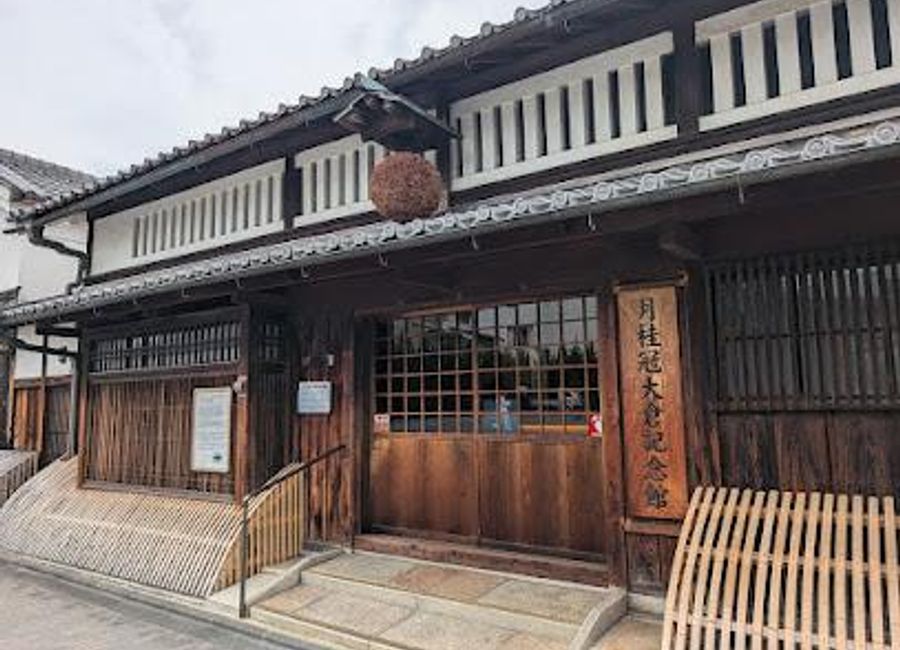
Explore the rich heritage and craftsmanship of sake at Gekkeikan Ōkura Sake Museum, a cultural gem in Kyoto's historic Fushimi Ward.
The museum tour was fascinating, taking me through the various stages of sake production, from rice polishing to fermentation. I learned about the different types of sake, the importance of water quality, and the role of the sake master (toji) in ensuring the quality of the final product. The displays included traditional tools and equipment, as well as historical documents and photographs. I was particularly impressed by the craftsmanship of the sake-making tools, each one carefully designed and meticulously maintained.
I was particularly intrigued by the traditional methods of sake brewing, which have been passed down through generations. The use of wooden vats and hand-operated machinery seemed almost archaic, yet they were essential to the unique flavor and character of Gekkeikan sake. The tour guides were knowledgeable and passionate, eager to share their expertise and answer any questions. They explained the nuances of sake tasting, the importance of serving temperature, and the best food pairings for different varieties.
At the end of the tour, there was a sake tasting, where I sampled a variety of Gekkeikan's finest brews. Each sake had its own distinct flavor profile, from the light and fruity to the rich and complex. I savored each sip, trying to discern the subtle nuances and appreciate the artistry that went into each bottle. The tasting room was a lively space, filled with the chatter of fellow sake enthusiasts. I struck up a conversation with a group of Japanese tourists, sharing our impressions of the different sakes and exchanging recommendations for other breweries to visit.
The Gekkeikan Okura Sake Museum not only showcases the history of sake brewing but also offers a tasting experience that allows visitors to savor the distinct flavors of different sake varieties. I was able to sample a range of sakes, each with its own unique aroma and taste, a perfect ending to a day steeped in tradition and culture. It was a fitting end to the tour, a chance to appreciate the fruits of Gekkeikan's labor and to learn more about the art of sake appreciation. I purchased a bottle of my favorite sake, a Junmai Daiginjo, as a souvenir of my visit.
Leaving the museum, I felt a newfound appreciation for sake and its place in Japanese culture. I strolled through the streets of Fushimi, admiring the traditional architecture and soaking in the atmosphere of this historic town. The air was filled with the aroma of sake, a subtle reminder of the industry that has shaped the town for centuries.
For lunch, I had a reservation at Yoshikawa. The tempura was delicious! It was a delightful culinary experience that complemented the day's cultural explorations.

Experience authentic Japanese cuisine at Yoshikawa, where tradition meets exceptional flavors in the heart of Kyoto.
As evening approached, I found myself at Masayoshi Japanese Dining for dinner, and later decided to check out a local bar called UNDERBAR-KYOTO. It was a cozy spot with friendly staff and a great atmosphere. The neon lights added a nice pop of color, and the DJ played a mix of EDM and pop. It was a fun way to unwind after a long day of exploring.

Experience authentic Japanese steakhouse dining at Masayoshi in Kyoto—where tradition meets culinary excellence.
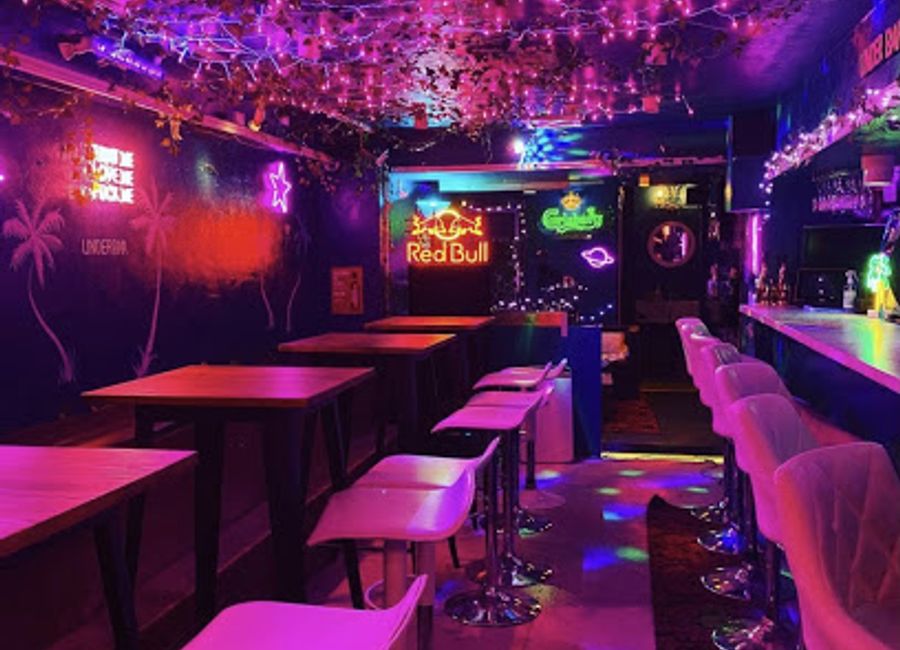
Dive into Kyoto's vibrant nightlife at UNDERBAR-KYOTO, where cocktails, darts, and music create an unforgettable evening.
I'm looking forward to tomorrow, when I plan to visit the Shimogamo and Kamigamo Shrines, and perhaps do some shopping at Inobun. I'm also excited about trying a new breakfast spot, ryu no hige, and having lunch at Nakamura.
The world is a book, and those who do not travel read only one page.- Saint Augustine. I'm trying to read as many pages as possible.
Today was a reminder of the beauty and diversity of Japan, a place where ancient traditions and modern life coexist in harmony. As I reflect on my experiences, I am filled with gratitude for the opportunity to explore this incredible country and to connect with its people and culture. I'm excited to see what tomorrow brings, and to continue my journey of discovery in this fascinating land. I'm also starting to think about what souvenirs I might want to bring back to Greta. I know she'd appreciate a beautiful piece of pottery or a traditional kimono. Perhaps I'll find something special tomorrow.


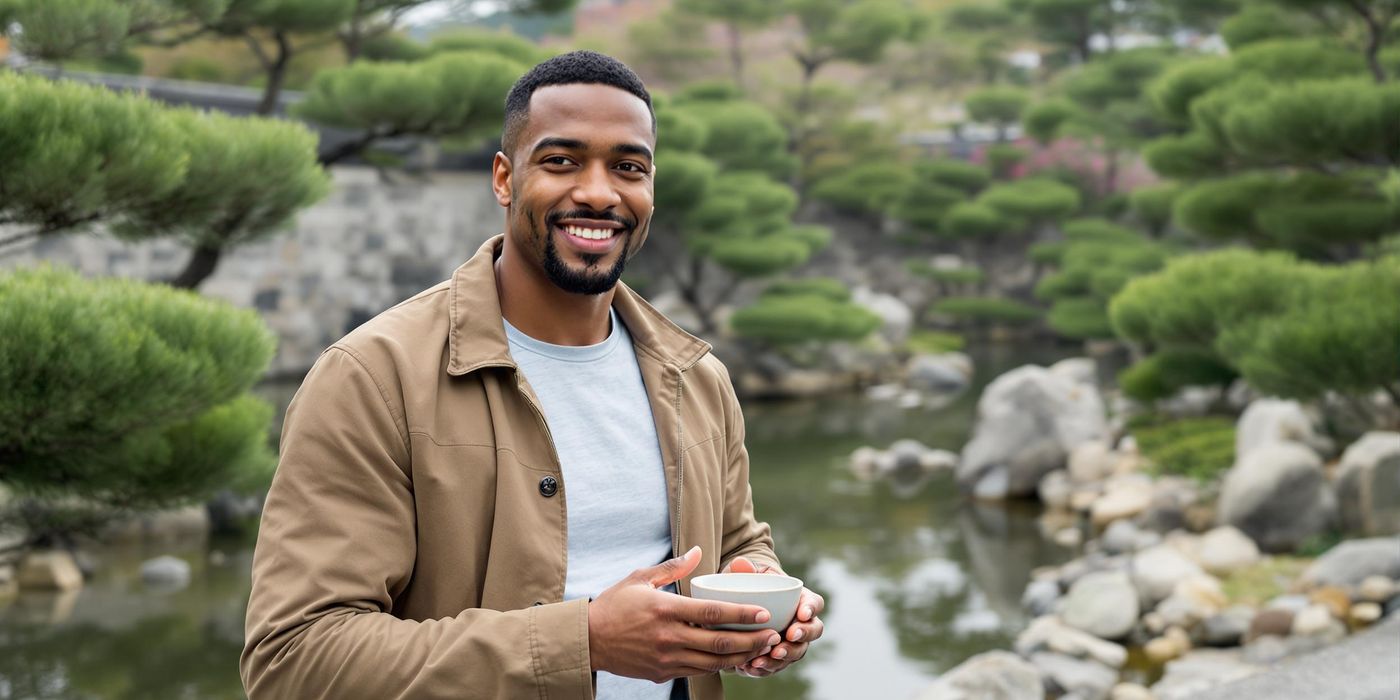
Discover Kyoto's rich history and culture on a solo journey, exploring ancient temples and traditional experiences in Japan's cultural heart.
Meet this Featured Explorer

-
 Occupation:
English as a Second Language (ESL) Teacher
Occupation:
English as a Second Language (ESL) Teacher
-
 Country:
Germany
Country:
Germany
-
 Age:
33
Age:
33
Hey everyone, I'm Joseph, a travel blogger originally from the beautiful island of Saint Lucia, now living in vibrant Berlin with my wife, Greta. As an ESL teacher, I'm passionate about languages and cultural exchange. I started this blog to share my travel experiences, focusing on budget-friendly and culturally immersive adventures. Whether you're an expat, an immigrant, or simply a traveler seeking authentic experiences, I hope my stories and tips inspire you to explore the world with an open heart and mind.
- History
- Languages
- Cultural exchange
- Photography
- Caribbean cuisine
Find Similar Travel Diaries
Explore locations from this diary
-
TSUGU Kyoto Sanjo by THE SHARE HOTELS
Experience modern convenience at TSUGU Kyoto Sanjo, a welcoming hotel located moments from Kyoto's vibrant attractions and rich culture.
-
Fushimi Inari Taisha
Discover the spiritual heart of Kyoto at Fushimi Inari Taisha, renowned for its thousands of striking red torii gates and serene hiking trails.
-
Gekkeikan Ōkura Sake Museum
Explore the rich heritage and craftsmanship of sake at Gekkeikan Ōkura Sake Museum, a cultural gem in Kyoto's historic Fushimi Ward.
-
Saishuan Shiraki
Discover the authentic flavors of Japan at Saishuan Shiraki - a premier izakaya experience in the heart of Kyoto.
-
Yoshikawa
Experience authentic Japanese cuisine at Yoshikawa, where tradition meets exceptional flavors in the heart of Kyoto.
-
Masayoshi Japanese Dining
Experience authentic Japanese steakhouse dining at Masayoshi in Kyoto—where tradition meets culinary excellence.
-
UNDERBAR-KYOTO
Dive into Kyoto's vibrant nightlife at UNDERBAR-KYOTO, where cocktails, darts, and music create an unforgettable evening.