Pilgrimage Adventure: Exploring the Spiritual Trails of Kumano Kodo
Day 5: Sacred Echoes: Discovering Spiritual Harmony in Kumano Hayatama Taisha and Kamikura Shrine
Explore the ancient paths of Kumano Kodo with Joseph and Lena as they uncover the spiritual heart of Kumano Hayatama Taisha and Kamikura Shrine.

Echoes of Divinity
Today, Lena and I embarked on a journey that resonated deeply with the spiritual essence of Kumano Kodo. We set out to explore two significant sites: Kumano Hayatama Taisha and Kamikura Shrine. These sacred grounds offered a glimpse into the soul of Japan, a blend of history, nature, and profound spirituality. It was a day of steep climbs, serene reflections, and culinary delights, each moment etching itself into our memories.
Our day began with a hearty breakfast at Kumano Kodo Omotenashi-Kan.
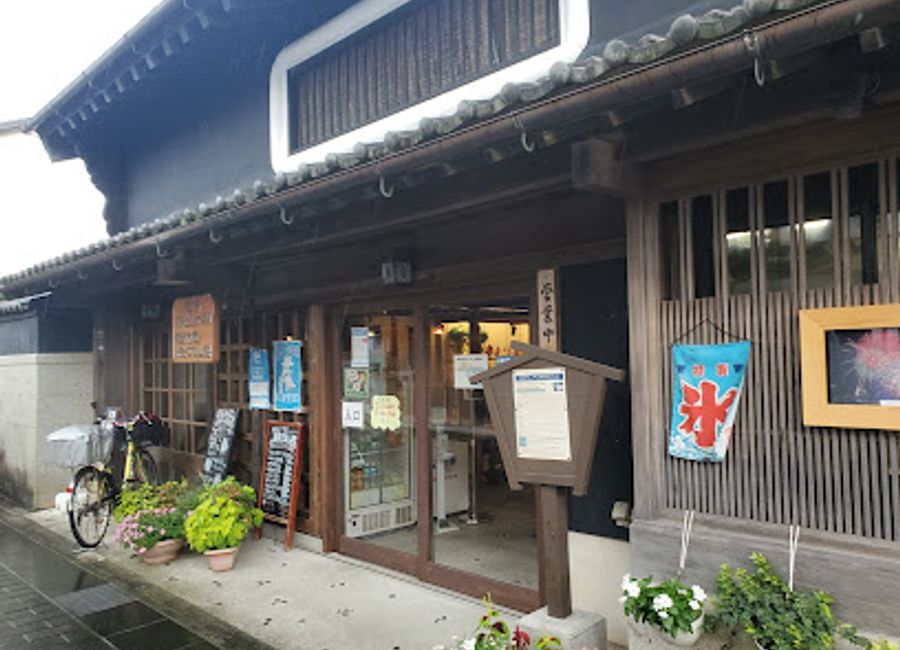
Discover Kumano Kodo Omotenashi-Kan: A charming cafe offering delicious coffee and local cuisine along Japan's historic pilgrimage route.
This charming spot, housed in a beautifully renovated traditional building, served up local specialties that energized us for the day ahead. I opted for the *mehari-zushi*, a local delicacy of rice balls wrapped in pickled mustard leaves, while Lena enjoyed a comforting bowl of *Kumano cha-gayu*, a tea rice porridge. The flavors were distinctly regional, providing a delicious introduction to the local culinary culture. It was a taste of tradition that set the tone for our exploration of Kumano's sacred sites. I even picked up a pamphlet about the Nanki area and the Kumano Kodo trail.
With our stomachs full and spirits high, we made our way to Kumano Hayatama Taisha.
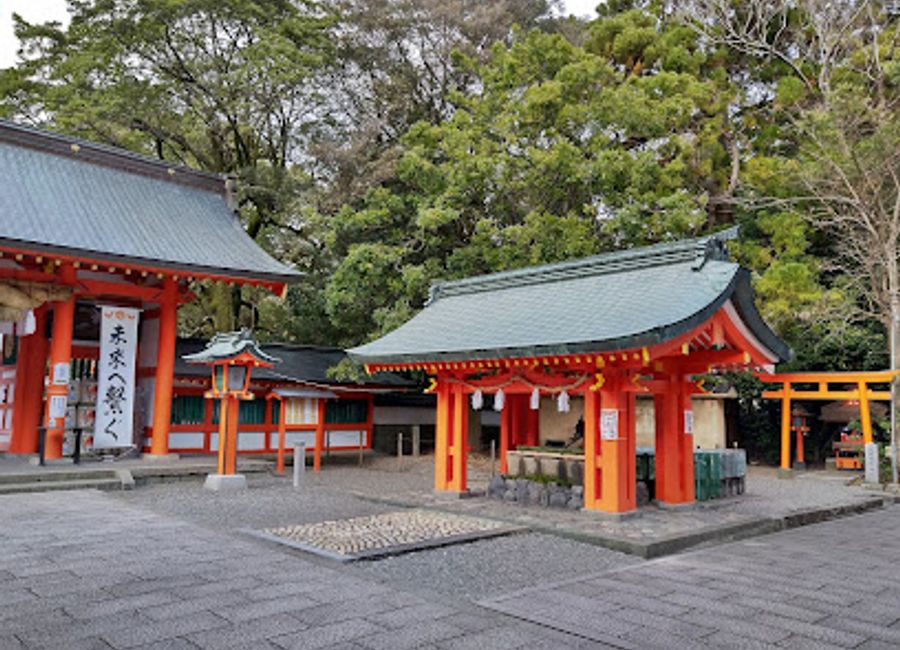
Explore Kumano Hayatama Taisha, a revered Shinto shrine in Wakayama, where ancient traditions and stunning landscapes converge for an unforgettable experience.
As one of the Kumano Sanzan, this shrine holds a significant place in the region's spiritual landscape. It is said to have been built to worship the gods who descended to earth on Gotobiki-iwa Rock in Kamikura-Jinja Shrine. The main deities enshrined here are Kumano Hayatama no Okami and Kumano Fusumi no Okami, husband and wife, adding a layer of familial harmony to the sacred ambiance.
The shrine's vibrant vermilion buildings stood in striking contrast to the lush greenery surrounding them. The structures, rebuilt in 1951, exude a sense of timelessness despite their relatively recent construction. We paused to admire the impressively thick *shimenawa*, the sacred rope that demarcates the boundary between the mundane and the divine. Inside the compound, we encountered an ancient Nagi tree, estimated to be over 800 years old and considered sacred. Lena, with her architectural eye, was particularly fascinated by the intricate details of the shrine's design, while I found myself drawn to the serene atmosphere that permeated the grounds.
The journey through Kumano Kodo is not just a walk through nature, but a passage through the soul.
One of the highlights was visiting the Treasure Hall, which houses over a dozen national treasures. Among them were offerings brought by pilgrims along the Kumano Kodo, testaments to the enduring faith and devotion of those who walked these paths before us. Seeing these artifacts, some dating back to the 3rd century, deepened our appreciation for the long history of spiritual significance attached to this place. I couldn't help but reflect on the countless individuals who had sought solace and enlightenment here over the centuries.
After immersing ourselves in the tranquility of Kumano Hayatama Taisha, we set our sights on Kamikura Shrine.
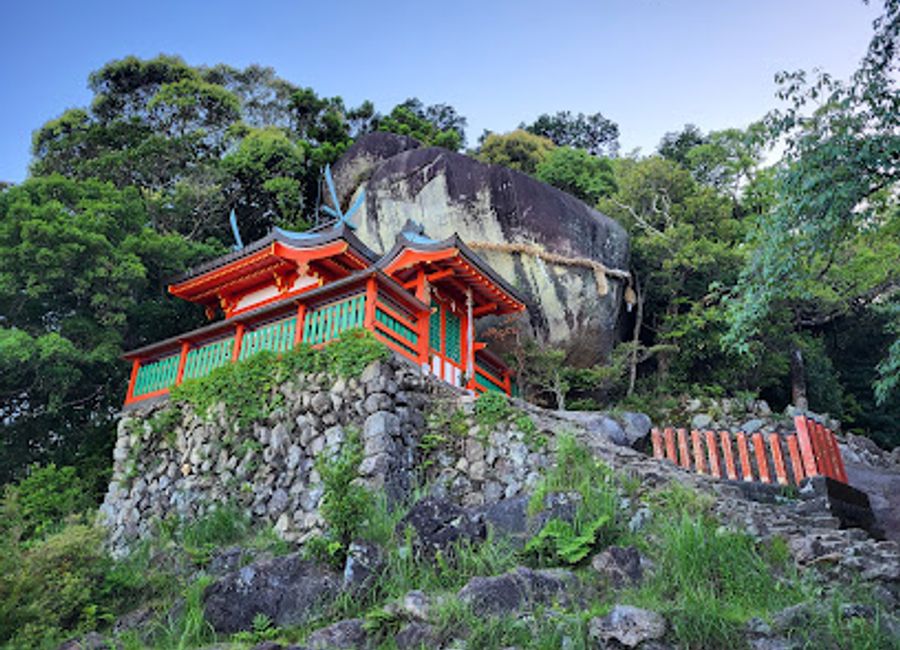
Experience the serene beauty and spiritual heritage of Kamikura Shrine, a treasured Shinto site in the heart of Wakayama, Japan.
This shrine is perched halfway up Mt. Gongen-yama, a place believed to be where the gods first descended to earth. Reaching it required climbing 538 steep stone steps, some ascending at a daunting 45-degree angle. The climb was challenging, a true test of our physical endurance, but the anticipation of what awaited us at the top spurred us onward. I must admit, I forgot my sunscreen and portable water bottle, which would have been helpful during the climb.
As we ascended, the air grew cooler and the sounds of the city faded away, replaced by the rustling of leaves and the chirping of birds. The steps themselves were ancient, worn smooth by the passage of countless pilgrims over the centuries. Each step felt like a connection to the past, a tangible link to those who had sought spiritual fulfillment in this sacred place. Lena, ever the supportive partner, kept me motivated with her encouraging words and shared sips of water.
Finally, we reached the summit, and the view was nothing short of breathtaking. The entire Shingu area stretched out before us, all the way to the Kumano-nada Sea. It was a panoramic vista that rewarded our efforts with a sense of awe and accomplishment. At the heart of the shrine stood Gotobiki-iwa, a large, sacred rock revered as the dwelling place of one of the shrine's deities. This massive boulder exuded an aura of ancient power, a testament to the enduring forces of nature and the deep-rooted beliefs of the people who have worshipped here for generations. It is said that the gods of Kumano first descended here.
We took some time to explore the shrine grounds, soaking in the spiritual atmosphere and marveling at the natural beauty that surrounded us. The shrine faces east, making it an ideal spot for watching the sunrise. I imagined the countless pilgrims who had stood here before us, greeting the dawn and offering their prayers to the heavens. In that moment, I felt a profound sense of connection to something larger than myself, a feeling of being part of a long and unbroken chain of spiritual seekers.
Having descended from the heights of Kamikura Shrine, our appetites were calling once more. We decided to have lunch at Onigajō cliff Center.
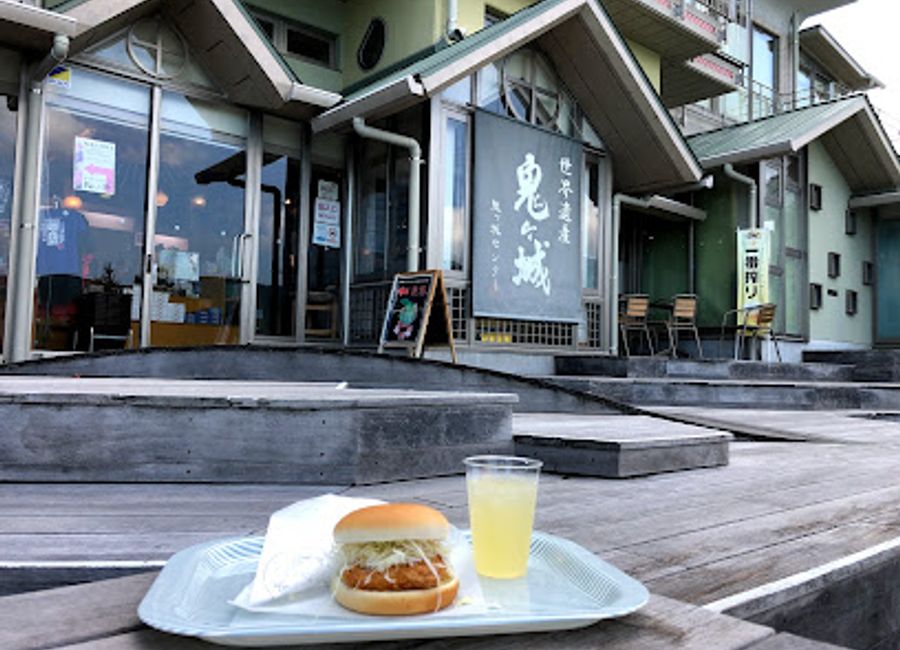
Experience authentic Mie Prefecture cuisine at Onigajō Cliff Center while enjoying breathtaking coastal views and unique souvenirs.
We savored local dishes while enjoying the stunning views of the rugged coastline. The *Onigajo*, or Demon's Castle, is a series of impressive cliffs shaped by geological erosion and weathering. Legend has it that these cliffs were once the domain of demons, adding a touch of mystique to the already dramatic landscape. The cliff stretches about 1.2km around a small cape. The Onigajo Center is lined with restaurants and souvenir shops specializing in local goodies.
After lunch, we stopped by Road Station Oku-kumanokodo Hongu.

Discover local flavors and beautiful scenery at Road Station Oku-kumanokodo Hongu, the ideal rest stop in Wakayama Prefecture.
This roadside station offered a chance to stretch our legs, browse local products, and learn more about the Kumano Kodo region. I picked up a few souvenirs for our friends back in Berlin, while Lena stocked up on local snacks for the road. We also grabbed some *mikan*, the sweet citrus fruits that Kumano is known for.
As evening approached, we made our way to Kumagoro for dinner.

Experience the essence of traditional izakaya dining at Kumagoro in Shingu - where authentic flavors meet warm hospitality.
This restaurant, known for its relaxed atmosphere and local ingredients, provided the perfect setting to reflect on our day. I opted for the *Katsuura Tuna with Neck Meat*, while Lena chose the *Dashimaki Fried Eggs*. The flavors were authentic and comforting, a true taste of Kumano cuisine. We also enjoyed some local *mehari-zushi* and *Kumano cha-gayu* tea rice porridge. It was a fitting end to a day filled with spiritual exploration and natural beauty.
Tomorrow, we plan to continue our journey along the Kumano Kodo, visiting Tsugizakura-Oji and Totsui Limestone Cave. I’m particularly looking forward to exploring the Totsui Limestone Cave, as I've always been fascinated by the subterranean world. And perhaps we'll find time to unwind at Why Kumano, a local bar, in the evening. As I sit here, penning these thoughts, I am filled with a sense of gratitude for the experiences of today. The Kumano Kodo is more than just a pilgrimage route; it is a journey of the soul, a chance to connect with nature, history, and the divine. And I am honored to be walking this path with Lena by my side.
Given the rainy forecast for the next few days, I'm glad we packed our light rain jackets. The weather in Shingu has been mild, with daytime temperatures around 21°C, but the humidity is quite high. I am also hoping that we can experience some local events. I read about the Kanda Matsuri festival in Tokyo, but unfortunately it is held in odd-numbered years. The Kumano Hongu Shrine Spring Festival sounds interesting, but it takes place in April. There is the Kojiri Ryujin Festival, but that is not until August.
As I drift off to sleep, I carry with me the echoes of divinity that resonated throughout our day. The Kumano Kodo has a way of seeping into your soul, leaving you forever changed by its beauty and its profound spiritual power.


Join Joseph and Lena on an enlightening journey through Japan's Kumano Kodo, a UNESCO World Heritage Site rich in culture and natural beauty.
Meet this Featured Explorer

-
 Occupation:
Software Engineer
Occupation:
Software Engineer
-
 Country:
Germany
Country:
Germany
-
 Age:
33
Age:
33
Hey there, I'm Joseph! A software engineer by day and a passionate traveler by night (and weekends!). Originally from the vibrant lands of Cameroon and now living in Berlin, I've always been driven by a curiosity to explore the world. This blog is where I share my adventures with my amazing wife, Lena, offering a mix of practical tips, cultural insights, and personal stories. Whether it's navigating bustling city streets or trekking through serene landscapes, I'm all about seeking authentic experiences and connecting with people from all walks of life. Join me as I uncover hidden gems, savor diverse cuisines, and capture the beauty of our planet, one journey at a time!
Find Similar Travel Diaries
Explore locations from this diary
-
Jokiin
Discover Koya's serene charm at Jokiin, a welcoming guest house perfect for exploring the city's historic landmarks and natural beauty.
-
Kumano Hayatama Taisha
Explore Kumano Hayatama Taisha, a revered Shinto shrine in Wakayama, where ancient traditions and stunning landscapes converge for an unforgettable experience.
-
Kamikura Shrine
Experience the serene beauty and spiritual heritage of Kamikura Shrine, a treasured Shinto site in the heart of Wakayama, Japan.
-
Kumano Kodo Omotenashi-Kan
Discover Kumano Kodo Omotenashi-Kan: A charming cafe offering delicious coffee and local cuisine along Japan's historic pilgrimage route.
-
Onigajō cliff Center.
Experience authentic Mie Prefecture cuisine at Onigajō Cliff Center while enjoying breathtaking coastal views and unique souvenirs.
-
Kumagoro
Experience the essence of traditional izakaya dining at Kumagoro in Shingu - where authentic flavors meet warm hospitality.
-
Road Station Oku-kumanokodo Hongu
Discover local flavors and beautiful scenery at Road Station Oku-kumanokodo Hongu, the ideal rest stop in Wakayama Prefecture.