A Solo Cultural Journey through Kyoto's Timeless Charm
Day 7: Zen Gardens and Imperial History: A Day of Reflection in Kyoto
Discover tranquility in Kyoto's serene temples: Ryoan-ji, Ninna-ji, and Tenryu-ji, a journey through Zen gardens and imperial legacies.
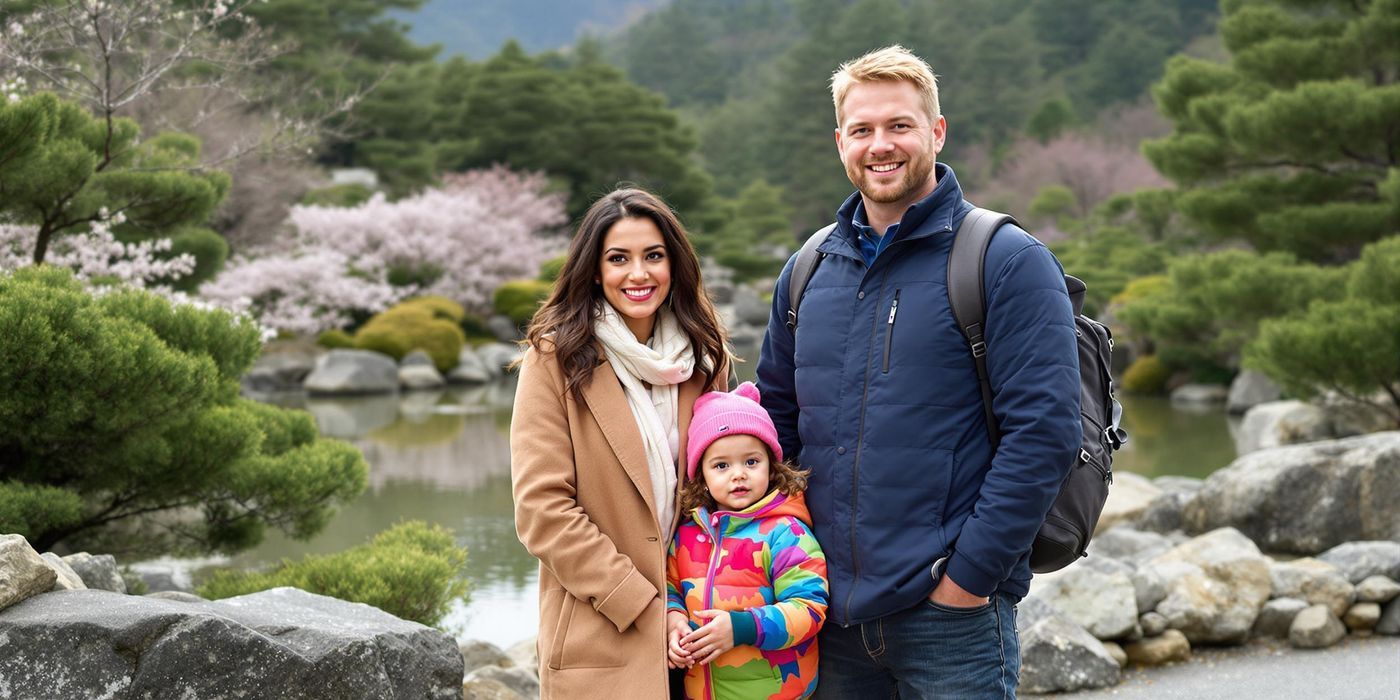
A Day of Serenity and History
Today was a day dedicated to quiet contemplation and historical immersion, perfectly aligning with my desire to deeply connect with Kyoto's cultural heart. I set out to explore some of the city's most renowned temples and gardens, each offering a unique perspective on Zen philosophy and imperial legacy. From the enigmatic rock garden of Ryoan-ji to the majestic halls of Ninna-ji and the expansive beauty of Tenryu-ji, it was a journey that nourished both mind and spirit.
My day began with a hearty breakfast at Sakuragawa. The traditional Japanese breakfast was a delightful start to the day, setting a serene tone for the temple visits ahead. The delicate flavors and artful presentation were a gentle reminder of the mindfulness I hoped to cultivate throughout the day.
Ryoan-ji: Decoding the Stone Garden
My first stop was Ryoan-ji, home to Japan's most famous rock garden. As I approached, I could feel the weight of history and the anticipation of experiencing this iconic site firsthand. The garden itself is deceptively simple: fifteen rocks of varying sizes arranged on a bed of white gravel, enclosed by low earthen walls. The origins and the designer of the garden remain shrouded in mystery, adding to its allure. It is believed to have been constructed around the late 15th century, but its true purpose is still debated by scholars and visitors alike.
As I sat on the veranda, gazing at the garden, I found myself drawn into its enigmatic beauty. The rocks are arranged in such a way that no matter where you stand, you can only see fourteen of them at once. Some say this is a deliberate design, meant to represent the imperfection of life, a concept deeply rooted in Zen philosophy. Others believe the garden represents islands in a sea, or mountains piercing through clouds. For me, it felt like a blank canvas for contemplation, inviting me to project my own thoughts and emotions onto its tranquil scene. I remember Hans once telling me, while we were hiking in Franconian Switzerland, that sometimes the most profound experiences come from the simplest of settings. This garden echoed that sentiment perfectly.
The true value of a garden lies not in its physical components, but in its ability to awaken something profound within the observer.
The garden embodies the Zen principles of simplicity, suggestion, and irregularity. Zen was introduced to Japan from China in the 12th and 13th centuries and gained popularity in the mid-15th century. Zen emphasizes contemplation over studying sacred texts to achieve enlightenment. These minimalist rock gardens assist individuals in their contemplation process. As I sat there, I tried to empty my mind, to simply be present in the moment, and to allow the garden to speak to me in its own silent language. It was a challenge, but also a deeply rewarding experience.

Discover the tranquil beauty of Ryōan-ji in Kyoto, a renowned Zen temple known for its iconic rock garden and rich cultural heritage.
Ninna-ji Temple: An Imperial Legacy
Next on my itinerary was Ninna-ji Temple, a short distance west of Ryoan-ji. Founded in 888 CE by Emperor Uda, Ninna-ji is a UNESCO World Heritage Site and the head temple of the Omuro School of Shingon Buddhism. This temple holds a unique place in Japanese history, as it was traditional for reigning emperors to send a son to the temple to serve as head priest. Emperor Uda himself became the first Monzeki, or aristocratic priest, after abdicating the throne.
The temple's history is rich and complex. It was destroyed by fire during the Onin War in 1467 but was rebuilt in the 17th century with the help of Tokugawa Iemitsu, the third shogun of the Tokugawa shogunate. The buildings reflect a blend of imperial and Buddhist architectural styles, showcasing the intertwined relationship between the imperial family and the Buddhist clergy. The five-story pagoda is particularly striking, a testament to the enduring craftsmanship of the Edo period. I learned that Ninna-ji is also famous for its late-blooming Omuro cherry trees, a special variety that adds to the temple's beauty in spring. Though the cherry blossoms were not yet in full bloom, I could imagine the breathtaking sight of the temple grounds adorned with these delicate flowers.
I took a leisurely stroll through the temple grounds, admiring the serene gardens and the intricately painted screen walls. The temple exuded a sense of peace and tranquility, a welcome respite from the bustling city outside. It reminded me of the importance of preserving cultural heritage, of honoring the traditions and stories that have shaped our world. As a Cultural Liaison, I felt a deep connection to this mission, a renewed sense of purpose in my work.

Discover the tranquility and beauty of Ninna-ji Temple, a UNESCO World Heritage Site in Kyoto, showcasing stunning architecture and serene gardens.
Tenryu-ji: A Stroll Through History
In the afternoon, I made my way to Arashiyama to visit Tenryu-ji, the most important temple in the Arashiyama district. Tenryu-ji was built in 1339 by the ruling shogun Ashikaga Takauji, who dedicated the temple to Emperor Go-Daigo. The two figures had once been allies until Takauji turned against the emperor in a struggle for supremacy over Japan. By building the temple, Takauji intended to appease the former emperor's spirit. Tenryu-ji is ranked first among Kyoto's five great Zen temples and is now a World Heritage Site. The weather was perfect for a stroll through the Sogenchi Garden, created by the famous garden designer Muso Soseki. The garden is one of the few aspects of the temple that survived the fires that repeatedly destroyed the buildings over the centuries.
The garden features a central pond surrounded by rocks, pine trees, and the forested Arashiyama mountains. Muso Soseki also served as Tenryu-ji's first head priest, and his design reflects a deep understanding of Zen principles. The garden incorporates the surrounding landscape into its design, a technique known as shakkei or borrowed scenery. The effect is breathtaking, creating a seamless transition between the man-made garden and the natural world. As I walked along the winding paths, I felt a sense of harmony and connection to nature. The azaleas were just beginning to bloom, adding splashes of color to the verdant landscape.

Experience the serene beauty and rich history of Tenryu-ji Temple, a UNESCO World Heritage site in Kyoto, Japan, renowned for its stunning Zen gardens and architecture.
I enjoyed a delightful lunch at The SODOH HIGASHIYAMA KYOTO. The ambiance of the restaurant was as delightful as the Italian cuisine. I then ventured to Kyoto Station, where I had hoped to visit the Kyoto Station ASTY Kyoto Kyoani Goods Store. However, upon arrival, I discovered that the pop-up shop had closed at the end of August. It was a bit disappointing, as I had hoped to find some unique souvenirs from Kyoto Animation. However, it was a reminder that even the most carefully planned itineraries can have unexpected twists and turns.
For dinner, I decided to try Yasakadori Enraku, a traditional Japanese restaurant known for its Oden. Located behind the picturesque Kenninji Temple, Yasaka Street Enraku is a Japanese restaurant that boasts a calm atmosphere with all private rooms. The dishes, which can be enjoyed alongside a rich drink menu, are particularly exquisite with their delicate dashi flavors. It was the perfect way to end a day of cultural immersion, savoring the flavors of Kyoto in a serene and intimate setting.
As I prepare for my trip to Osaka tomorrow, where I plan to visit Osaka Castle and Universal Studios Japan, I am filled with a sense of gratitude for the experiences I've had in Kyoto. This city has touched my heart in a profound way, reminding me of the beauty of simplicity, the importance of history, and the power of cultural exchange.
Tomorrow promises a change of pace as I head to Osaka. I am looking forward to seeing Osaka Castle and perhaps indulging in some of the city's famous street food. But for now, I will rest and reflect on the lessons learned in Kyoto, carrying its spirit of tranquility with me on the next leg of my journey. I think I might also pick up a Japanese phrasebook; it would have been useful on many occasions during this trip!


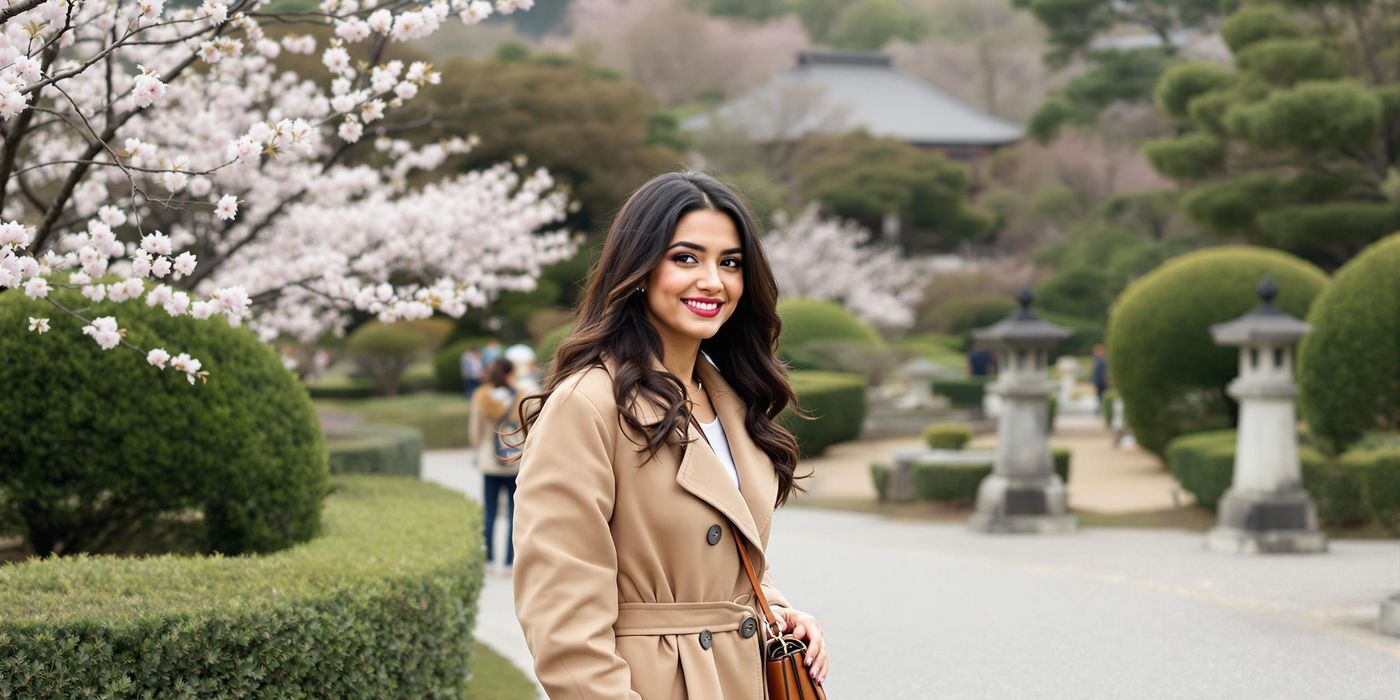
Explore Kyoto's cultural treasures on a solo journey, discovering temples, tea houses, and gardens amidst Japan's timeless allure.
Meet this Featured Explorer

-
 Occupation:
Cultural Liaison at a local museum
Occupation:
Cultural Liaison at a local museum
-
 Country:
Germany
Country:
Germany
-
 Age:
36
Age:
36
Ahlan wa sahlan! I'm Maryam, a wanderer at heart, originally from the UAE but now calling Germany home. As a cultural liaison and a mother, I'm passionate about bridging cultures and creating meaningful travel experiences for my family and my readers. Through my blog, I share practical tips, cultural insights, and personal stories to inspire you to embark on your own enriching adventures. Whether you're a seasoned traveler or planning your first family trip, I hope to ignite your curiosity and help you discover the beauty of our diverse world.
- Cultural exchange
- History
- Photography
- Culinary arts
- Sustainable living
Find Similar Travel Diaries
Explore locations from this diary
-
Mitsui Garden Hotel Kyoto Kawaramachi Jokyoji
Experience serene comfort and modern amenities at Mitsui Garden Hotel Kyoto Kawaramachi Jokyoji, your perfect base for exploring historic Kyoto.
-
Ryōan-ji
Discover the tranquil beauty of Ryōan-ji in Kyoto, a renowned Zen temple known for its iconic rock garden and rich cultural heritage.
-
Ninna-ji Temple
Discover the tranquility and beauty of Ninna-ji Temple, a UNESCO World Heritage Site in Kyoto, showcasing stunning architecture and serene gardens.
-
Tenryu-ji
Experience the serene beauty and rich history of Tenryu-ji Temple, a UNESCO World Heritage site in Kyoto, Japan, renowned for its stunning Zen gardens and architecture.
-
Sakuragawa
Discover authentic Kaiseki dining at Sakuragawa in Kyoto – where culinary artistry meets traditional Japanese flavors.
-
THE SODOH HIGASHIYAMA KYOTO|Restaurant
Discover the perfect blend of Italian culinary artistry and traditional Japanese ambiance at The Sodoh Higashiyama Kyoto.
-
Yasakadori Enraku
Experience the artistry of Kaiseki dining at Yasakadori Enraku in Kyoto – where tradition meets culinary excellence.
-
Kyoto Station ASTY Kyoto Kyoani Goods Store
Explore Kyoto Station ASTY Kyoto Kyoani Goods Store for exclusive anime merchandise and a taste of Japan's vibrant pop culture.