A Solo Cultural Journey Through Kyoto
Day 8: Kyoto's Hidden Gems: Trains, Manga, and Culinary Delights
Exploring Kyoto's diverse attractions: from the Railway Museum to Manga haven and Nishiki Market's culinary treasures. A day of discovery!

A Day of Unexpected Discoveries
Today was a day of delightful surprises and unexpected turns, proving once again that the best travel experiences often come from venturing off the beaten path. I set out with a plan, but as always, Kyoto had its own agenda, leading me through a fascinating blend of history, art, and gastronomy. It was a day that truly captured the essence of this captivating city.
My morning began with a hearty breakfast at Teppan Tavern Tenamonya. It was a great way to fuel up for the day's adventures. I opted for a traditional Japanese breakfast set, complete with grilled fish, miso soup, and perfectly steamed rice. The cozy atmosphere and friendly staff made it a perfect start to what promised to be a day filled with exploration and discovery.

Experience authentic teppanyaki at Teppan Tavern Tenamonya, Kyoto's premier destination for Japanese cuisine in a lively izakaya setting.
Sometimes, the most memorable journeys are those where you embrace the unexpected and allow yourself to be guided by the spirit of the place.
First on the itinerary was the Kyoto Railway Museum. I must admit, I wasn't sure what to expect. Maximilian, with his architect's eye, would have loved this place. I remember when we visited the Deutsches Museum in Munich, his enthusiasm for engineering was infectious. While I don't share his technical expertise, I appreciate the history and the sheer ingenuity behind these mechanical marvels. The Kyoto Railway Museum turned out to be far more engaging than I anticipated. Housed in a spacious complex, the museum showcases the evolution of Japan's railway system, from the steam locomotives of the Meiji era to the sleek, high-speed Shinkansen. It’s amazing to see the progress of technology and how it reflects Japan's journey through modernization. I was particularly impressed by the meticulously preserved carriages and the interactive exhibits that brought the history to life. There was even a simulator where you could experience driving a train – something I cautiously avoided, imagining the chaos I might cause! I could easily picture Amara wide-eyed with wonder, running from one exhibit to the next. The sheer scale of the locomotives and the intricate details of the carriages were captivating. I learned about the pivotal role the railway played in Japan's industrial revolution and how it continues to shape the country's identity. It was a surprisingly educational and enjoyable experience, offering a unique perspective on Japanese history and culture. The museum is open from 10:00 a.m. to 5:30 p.m. (last admission at 5:00 p.m.) daily, except for Wednesdays, when it's closed. Admission costs 1,200 yen for adults. I think it was well worth the price of admission.

Discover the rich history of railways at the Kyoto Railway Museum, a family-friendly attraction in the heart of Kyoto showcasing trains and interactive exhibits.
Next, I ventured into the world of Japanese comics at the Kyoto International Manga Museum. Housed in a former elementary school, the museum is a vibrant and colorful space dedicated to the art of manga. As someone who grew up reading Tintin and Asterix, I've always appreciated the power of visual storytelling, but I'm relatively new to the world of manga. The museum's collection is staggering, boasting around 300,000 items, including everything from vintage comics to contemporary masterpieces. I spent hours browsing the shelves, discovering new artists and genres. I was particularly drawn to the exhibits showcasing the history of manga and its cultural significance in Japan. The museum also features a section dedicated to international manga, with works in English and other languages. It was fascinating to see how different cultures have embraced and adapted the art form. The museum is divided into a number of public zones. The Gallery Zone is open to the public and contains both permanent and temporary exhibition rooms. I found the permanent exhibits outside of its manga collection to be particularly interesting. These include a room of plaster casts of the hands of manga and anime artists who have visited the museum, an exhibition of 100 maiko illustrations by various artists, a hanging sculpture of Tezuka Osamu's Hi no Tori character, and an exhibition called What is Manga? that features influential manga published between 1912 and 2005. There is also a room dedicated to kamishibai, a traditional Japanese storytelling format that uses a combination of characterful narration and hand-drawn paper cards. It’s not just a museum; it's a living archive, a testament to the enduring appeal of manga. They also have workshops, drawing classes and international conferences. The latest information may differ, so please check the official website. It's open from 10:00 a.m. to 6:00 p.m. Guests may enter until 5:30 p.m. It is open daily except Wednesdays (if Wednesday is a holiday, the closure moves to Thursday). The admission fee is 900 yen for adults.
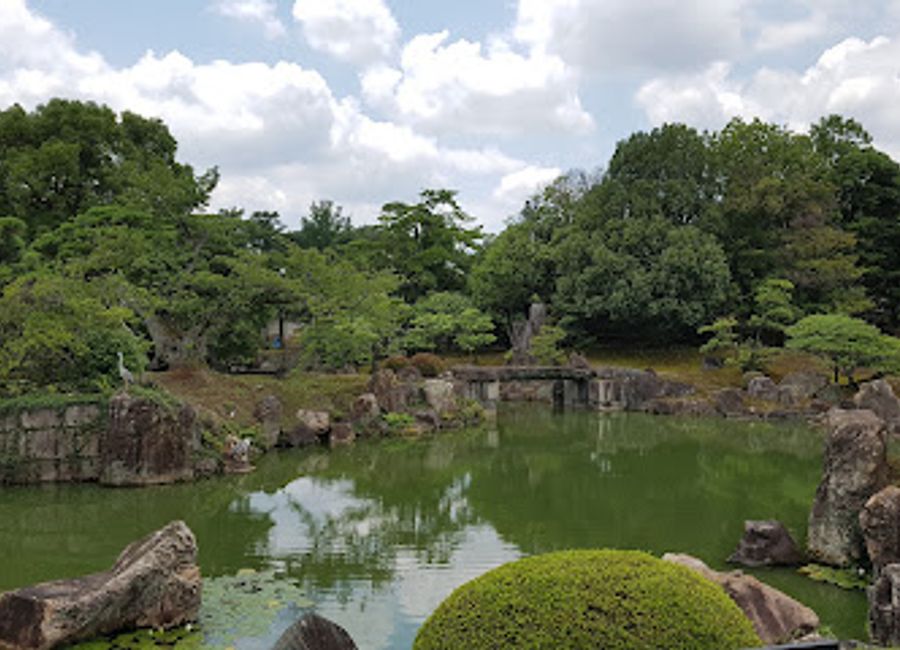
Explore the rich world of manga at the Kyoto International Manga Museum, a cultural haven for enthusiasts and curious visitors alike.
For lunch, I headed to Nakamura, a local favorite known for its authentic Kyoto cuisine. I savored a delicate bento box filled with seasonal delicacies, each bite a burst of flavor and artistry. It was a quiet, contemplative meal, a moment to reflect on the morning's adventures and prepare for the afternoon's exploration. The restaurant itself was small and unassuming, tucked away on a quiet side street. The interior was simple and elegant, with wooden tables and traditional tatami mats. The staff was incredibly welcoming, making me feel like a valued guest. The bento box was a work of art, with each dish carefully arranged and beautifully presented. The flavors were subtle and complex, a testament to the chef's skill and dedication. It was a truly memorable culinary experience, one that I will cherish long after I leave Kyoto.

Experience the elegance of kaiseki at Nakamura in Kyoto—a fine dining destination celebrating seasonal Japanese cuisine.
In the afternoon, I immersed myself in the vibrant atmosphere of Nishiki Market, also known as “Kyoto’s Kitchen”. This bustling marketplace is a feast for the senses, a narrow, five-block-long street lined with over a hundred shops and stalls selling everything from fresh seafood and produce to Kyoto specialties like pickles, sweets, and dried seafood. The market has a history of several centuries, and many stores have been operated by the same families for generations. It all started as a fish wholesale district, with the first shop opening around 1310. A larger variety of shops moved in later, and the area changed from a wholesale market to retail. Today it remains an important market for Kyoto and is often packed with locals and tourists alike. The energy was palpable, a mix of locals doing their daily shopping and tourists eager to sample the local delicacies. I wandered through the narrow aisles, marveling at the colorful displays of food. I sampled pickled vegetables, savored sweet mochi, and watched as vendors expertly prepared fresh sushi. I tried Tako Tamago (boiled octopus on a stick), Kyo Tsukemono (Kyoto Pickles), Kyo Dashimaki (Kyoto-style Omelet), Fu Manju (Steamed Wheat Gluten Buns) and An Butter Taiyaki. The market is a treasure trove of culinary delights, a place where you can experience the true taste of Kyoto. I made sure to refrain from eating while walking as it is considered bad manners and a major nuisance by local shoppers. I picked up some Senbei (Rice Crackers), Furikake & Shichimi (Seasoning and Spices) and Carved Chopsticks as souvenirs. I could have spent hours exploring the market, but eventually, I decided to move on, my senses overloaded with sights, sounds, and smells.
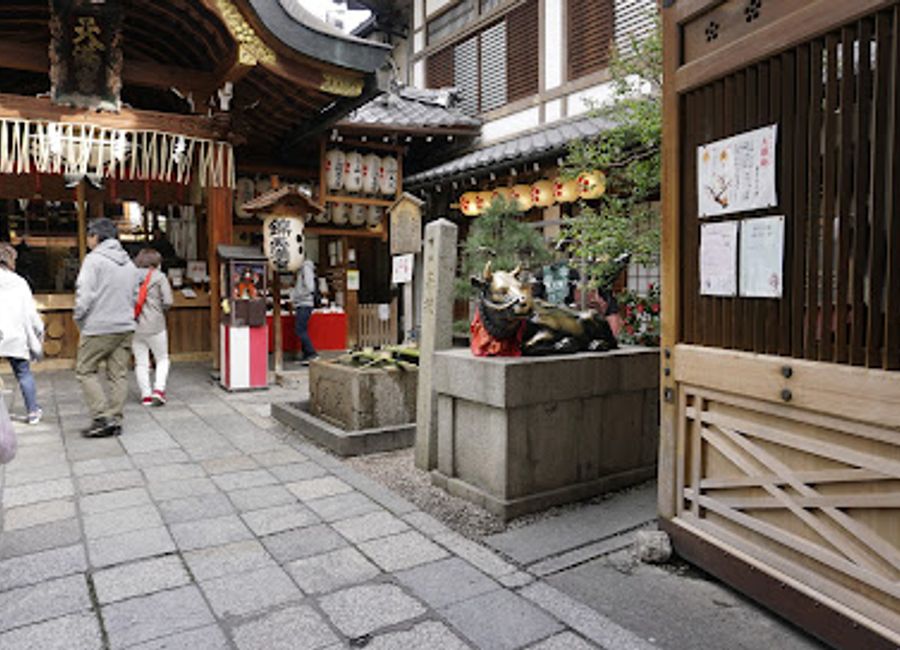
Explore Nishiki Market, Kyoto's vibrant food market, where local delicacies meet rich cultural heritage in a delightful shopping experience.
As the day drew to a close, I treated myself to dinner at Hiroshima-Style Okonomiyaki & Teppan-yaki Kamehameha. The savory pancake was cooked right in front of me on a hot teppan grill, a delicious and entertaining culinary experience. It was the perfect way to end a day of exploration, a satisfying and flavorful meal that left me feeling content and fulfilled. The restaurant was lively and bustling, filled with locals and tourists alike. The aroma of sizzling okonomiyaki filled the air, creating a warm and inviting atmosphere. The chef was a master of his craft, expertly flipping and slicing the pancake with practiced ease. The okonomiyaki itself was a symphony of flavors and textures, a perfect blend of savory, sweet, and spicy. It was a truly memorable dining experience, one that I will cherish long after I leave Kyoto.
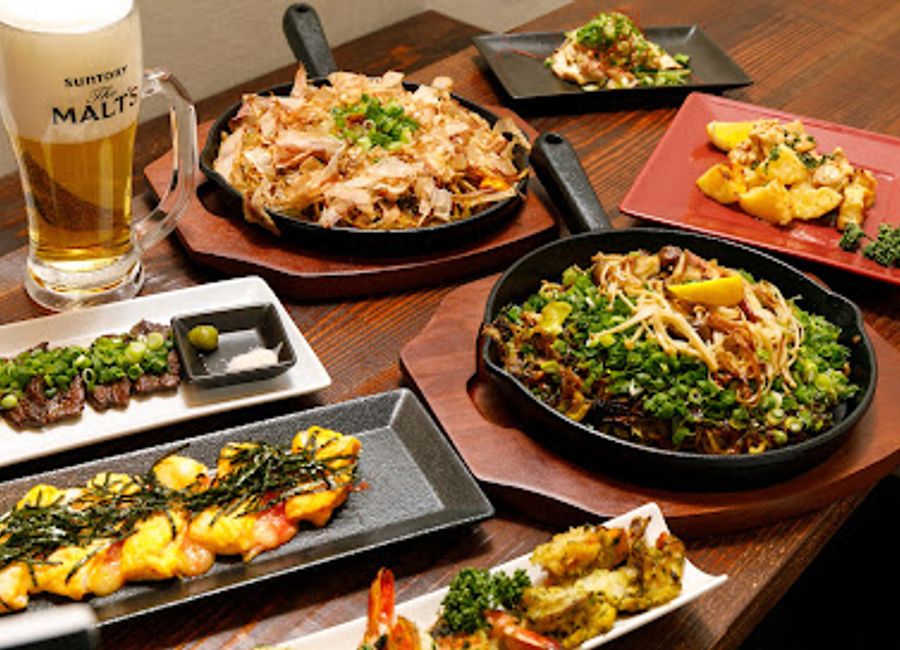
Discover authentic Hiroshima-style okonomiyaki at Kamehameha, Kyoto's premier destination for delicious Japanese cuisine.
Finally, I decided to unwind with a nightcap at Bar K6. This intimate bar is known for its expertly crafted cocktails and sophisticated atmosphere. I sipped on a carefully mixed drink, savoring the moment and reflecting on the day's adventures. The bar was dimly lit and elegantly decorated, creating a cozy and inviting atmosphere. The bartender was a true mixologist, crafting each cocktail with precision and care. The drink was a perfect balance of flavors, a testament to the bartender's skill and creativity. It was the perfect way to end a day of exploration, a moment of quiet contemplation before returning to the Ace Hotel Kyoto.
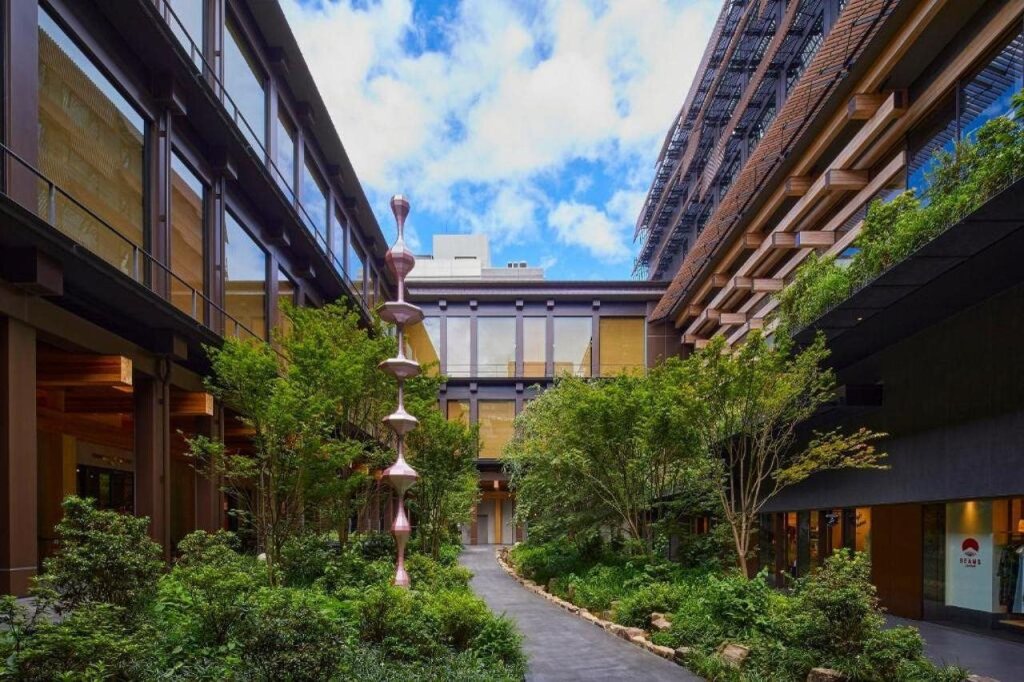
Discover the heart of Kyoto at Ace Hotel, where modern comforts meet traditional charm, just steps from iconic attractions and vibrant culture.
Tomorrow, I plan to visit Daitoku-ji Temple, Kinkaku-ji (the Golden Pavilion), and the Kyoto Botanical Gardens. I am looking forward to another day of cultural immersion and exploration in this beautiful city.
Today was a reminder that travel is about more than just ticking off landmarks; it's about embracing the unexpected, connecting with local culture, and creating memories that will last a lifetime. Kyoto continues to surprise and delight me at every turn, and I can't wait to see what tomorrow brings.


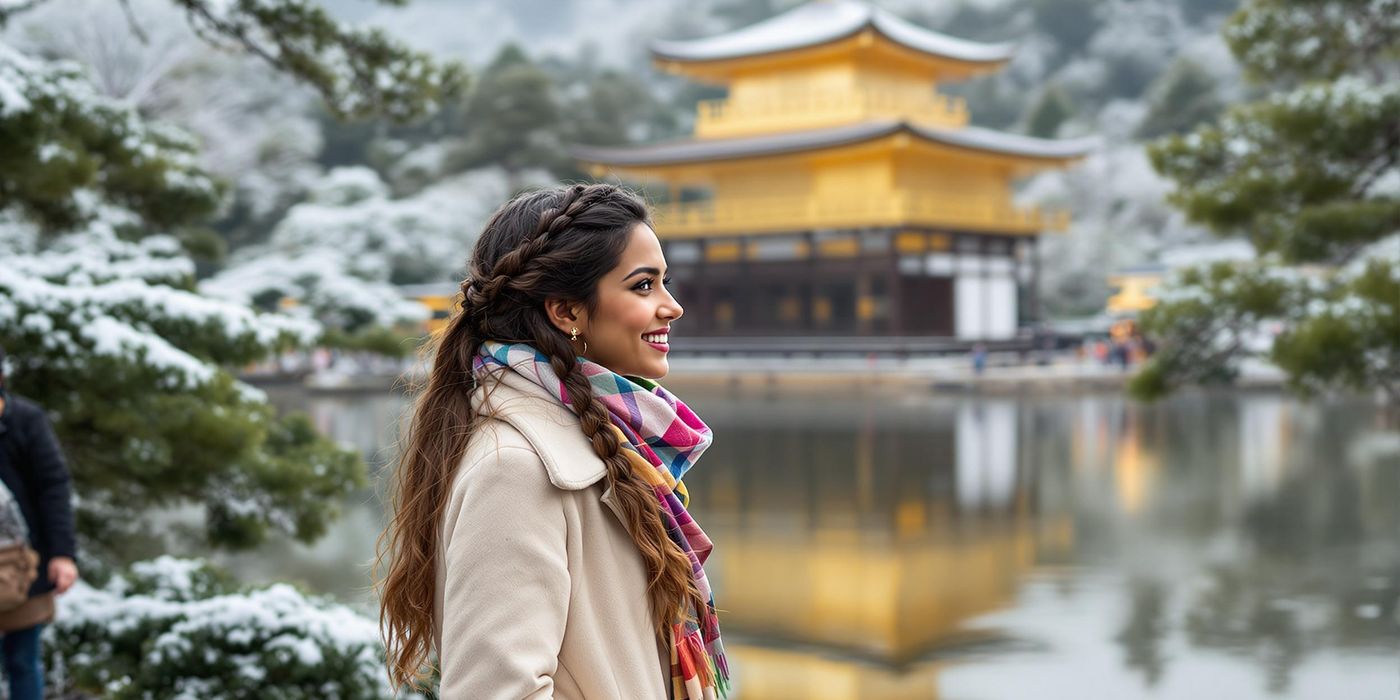
Discover the timeless beauty of Kyoto on a solo adventure, exploring historic temples, tranquil gardens, and vibrant culture at every turn.
Meet this Featured Explorer

-
 Occupation:
Software Developer
Occupation:
Software Developer
-
 Country:
Germany
Country:
Germany
-
 Age:
38
Age:
38
Ayubowan! (May you live long!) I'm Nayana, a software developer by day and a passionate traveler by night (and weekends!). Originally from the beautiful island of Sri Lanka and now living in Germany, I'm on a journey to explore the world, one sustainable adventure at a time. Join me as I share my travel stories, tips, and cultural insights, hoping to inspire you to embark on your own meaningful explorations. Whether you're interested in eco-conscious travel, cultural experiences, or simply seeking unique destinations, I'm here to guide you. Let's discover the world together!
- Cultural exchange
- Sustainable living
- Photography
- Trying new cuisines
- Learning new languages
Find Similar Travel Diaries
Explore locations from this diary
-
Ace Hotel Kyoto
Discover the heart of Kyoto at Ace Hotel, where modern comforts meet traditional charm, just steps from iconic attractions and vibrant culture.
-
Kyoto Railway Museum
Discover the rich history of railways at the Kyoto Railway Museum, a family-friendly attraction in the heart of Kyoto showcasing trains and interactive exhibits.
-
Kyoto International Manga Museum
Explore the rich world of manga at the Kyoto International Manga Museum, a cultural haven for enthusiasts and curious visitors alike.
-
Nishiki Market
Explore Nishiki Market, Kyoto's vibrant food market, where local delicacies meet rich cultural heritage in a delightful shopping experience.
-
Teppan Tavern Tenamonya
Experience authentic teppanyaki at Teppan Tavern Tenamonya, Kyoto's premier destination for Japanese cuisine in a lively izakaya setting.
-
Nakamura
Experience the elegance of kaiseki at Nakamura in Kyoto—a fine dining destination celebrating seasonal Japanese cuisine.
-
Hiroshima-Style Okonomiyaki & Teppan-yaki Kamehameha
Discover authentic Hiroshima-style okonomiyaki at Kamehameha, Kyoto's premier destination for delicious Japanese cuisine.
-
Bar K6
Discover the vibrant nightlife of Kyoto at Bar K6, where traditional Japanese drinks meet modern bar culture in a cozy setting.