Solo Pilgrimage through Kumano Kodo: Exploring Japan's Sacred Trails
Day 4: A Day of Ancient Trails and Spiritual Reflection on the Kumano Kodo
Traverse the ancient Shiomi-togego'e Mountain Pass, walk the Kumano-Kodo Nakahechi route, and find peace at Fudarakusan-ji Temple.
Echoes of the Past Along the Kumano Kodo
Today was a day of deep reflection and physical challenge, as I continued my solo pilgrimage along the Kumano Kodo. The ancient trails whispered stories of emperors, monks, and countless travelers who have walked these paths seeking enlightenment and connection with nature. It was a day to disconnect from the modern world and immerse myself in the serene beauty and spiritual energy of this sacred place.
My day began with a hearty breakfast at Kakinoate. The restaurant is conveniently located near Kumano Hayatama Taisha Grand Shrine, making it a perfect spot to start the day before exploring the trails. I savored every bite of the traditional Japanese breakfast, fueling up for the adventures that lay ahead. The persimmon leaf sushi was delicious. It was a delightful way to experience local flavors before embarking on the day's journey.
Shiomi-togego'e Mountain Pass Crossing
The first major undertaking of the day was crossing the Shiomi-togego'e Mountain Pass Crossing. The air was crisp and cool, a welcome change from the warmer temperatures of the lowlands. The trail wound its way upwards, through dense forests of cedar and cypress trees. Sunlight filtered through the canopy, creating an ethereal glow that illuminated the path ahead. I found myself pausing frequently, not just to catch my breath, but to simply take in the beauty of my surroundings. The silence was broken only by the sound of birdsong and the rustling of leaves, a soothing symphony that calmed my mind and lifted my spirits.
The Shiomi-togego'e Mountain Pass Crossing is known for its stunning hiking trails that meander through lush landscapes and towering mountains. It's a place where you can truly immerse yourself in nature, with trails suitable for both novice and experienced hikers. As I traversed the paths, I was greeted by breathtaking vistas that revealed the beauty of the surrounding flora and fauna, making every step a new adventure. I made sure to capture many photographs.
As I climbed higher, the views became more expansive. Looking back, I could see the coastline stretching out towards the horizon, the shimmering waters of the Pacific Ocean meeting the sky. It was a breathtaking sight, a reminder of the vastness of the world and my small place within it. I thought of Hans back in Berlin, probably heads down in code. I made a mental note to tell him all about this view when I got back.
The journey of a thousand miles begins with a single step.
Kumano-Kodo Nakahechi Pilgrimage Route
After conquering the mountain pass, I joined the Kumano-Kodo Nakahechi Pilgrimage Route. This ancient path, once favored by emperors and nobles, is the most popular of the Kumano Kodo trails. As I walked, I imagined the long processions of pilgrims who had traveled this route over the centuries, their footsteps echoing mine. The Nakahechi route, also known as the Imperial Route, is very well suited for self-guided trekking.
The Nakahechi Route meanders through terraced rice paddies, rugged mountains, and pine forests. It's a path that invites reflection and contemplation, a chance to connect with the spiritual heart of Japan. The trail is well-maintained and easy to follow, marked with stone signposts and helpful maps. Along the way, I passed small shrines and tea houses, offering moments of respite and refreshment.
Lunch at Onigajō cliff Center
For lunch, I stopped at the Onigajō cliff Center. The restaurant there, Ristorante Marina, offered stunning views of the rugged coastline and the crashing waves below. I enjoyed a delicious meal of local seafood, savoring the fresh flavors and the peaceful ambiance. The Onigajō Cliff Center is more than just a restaurant; it's an experience that combines culinary heritage with the natural beauty of the Kumano region.
Onigajo Rocks stand as a testament to the raw power of nature. This spectacular rock formation stretches for 1.2 kilometers, offering visitors a mesmerizing glimpse into Japan’s geological history. As part of the UNESCO World Heritage Sacred Sites and Pilgrimage Routes in the Kii Mountain Range, Oniga-jo has captivated travelers for centuries.
Fudarakusan-ji Temple
In the afternoon, I visited Fudarakusan-ji Temple. This Tendai Buddhist temple has a fascinating and somewhat macabre history. From the 9th to the 19th centuries, monks would set out from this temple on a voyage to Fudaraku, the mythical land of Kannon, in small, sealed boats. These voyages were essentially suicide missions, as the monks were never meant to return. It was believed that by sacrificing themselves, they could deliver prayers to Kannon and help save humanity.
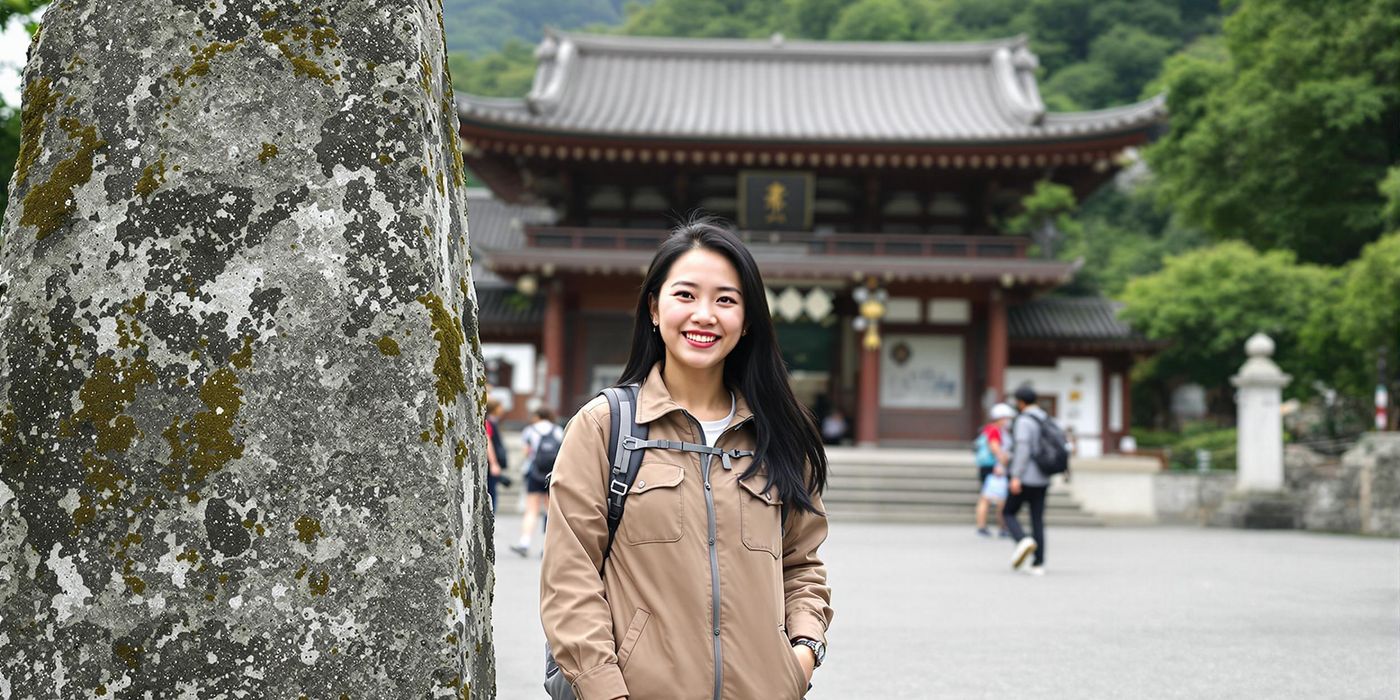
Standing before the temple, I felt a sense of awe and reverence. The temple exudes a sense of peace and tranquility, a place where one can reflect on the impermanence of life and the search for enlightenment.
Fudarakusan-ji is a Tendai Buddhist temple built facing the Pacific Ocean. The temple stood between the mountains and the sea. It was known for the practice of Fudaraku-tokai (Crossing the Sea to Fudaraku). More information about this ritual self-martyrdom can be found near the model boat on the opposite side of the courtyard.
Fudarakusan-ji houses a wooden statue of its chief enshrined deity, Thousand-Armed Kannon. The statue is around 170 centimeters tall and was sculpted during the Heian period (794–1185).
Beside the temple stands Kumano Sansho Omiwa-yashiro, a Shinto shrine formerly known as Hamanomiya-oji. Originally, the temple and shrine formed a single syncretistic religious complex, but they were separated in the late nineteenth century. Standing on the grounds of the shrine is a stone pillar called the Furiwake-ishi (Parting Stone), which marks the junction of three Kumano Kodo pilgrimage routes.
Dinner and Reflection
As the day drew to a close, I made my way to Kumagoro for dinner. This restaurant is known for its variety of dishes made with local ingredients. I savored a delicious meal of regional cuisine, reflecting on the day's experiences. The relaxed atmosphere of the restaurant made it easy to strike up conversations with other diners, sharing stories and laughter.
Kumagoro offers a variety of dishes and set meals, made with local ingredients. Regional cuisine offered here includes the local mehari-zushi and Kumano cha-gayu tea rice porridge. You will feel right at home here, in a relaxed atmosphere where it is easy to make friends. Here you can also find pamphlets about the Nanki area and information about the Kumano Kodo trail.
After dinner, I treated myself to a drink at Kumano Winery Guest House /Dal Chef’s Table. This charming spot is a true country homestay with an authentic Italian culinary feast. I enjoyed a glass of local wine, savoring the peaceful ambiance and the stunning views of the surrounding countryside. It was the perfect way to end a day of exploration and reflection.
Tomorrow, I plan to continue my pilgrimage, visiting Kumano-Nachi Taisha Grand Shrine Homotsu-den Treasure Hall, Tsubo-yu, and Doro Kyo Gorge. I'm excited to see what new experiences and insights await me on the path ahead. I'm also looking forward to breakfast at Kumano Winery Guest House /Dal Chef’s Table, lunch at Takehara, and dinner at Shimaji Honkan. Before heading out, I'll stop by Fushiogami Teahouse to pick up some supplies for the day's journey. It promises to be another day filled with beauty, history, and spiritual discovery.
As I prepare for another day on the Kumano Kodo, I am filled with gratitude for the opportunity to walk these ancient paths and connect with the spiritual heart of Japan. Each step brings me closer to understanding myself and the world around me. This journey is more than just a physical trek; it is a journey of the soul.

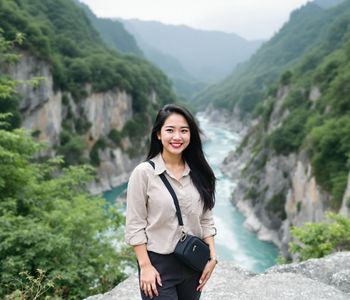

Embark on a solo pilgrimage through Japan's Kumano Kodo, exploring ancient trails, sacred sites, and the spiritual heart of Japan.
Meet this Featured Explorer

-
 Occupation:
Geriatric Nurse
Occupation:
Geriatric Nurse
-
 Country:
Germany
Country:
Germany
-
 Age:
32
Age:
32
Xin chào! I'm Ngoc, a Vietnamese-born, Berlin-based geriatric nurse with a passion for travel and cultural exchange. While I spend my days caring for the elderly, my heart belongs to exploring the world, one sustainable adventure at a time. Join me as I share my experiences, tips, and stories from both well-trodden paths and hidden gems, all while seeking authentic connections and a deeper understanding of the world around us.
- Cultural exchange
- Sustainable living
- Modern art
- International cuisine
- Learning new languages
Find Similar Travel Diaries
Explore locations from this diary
-
Jokiin
Discover Koya's serene charm at Jokiin, a welcoming guest house perfect for exploring the city's historic landmarks and natural beauty.
-
Shiomi-togego'e Mountain Pass Crossing
Discover the breathtaking hiking trails of Shiomi-togego'e Mountain Pass Crossing in Wakayama, where nature's beauty meets adventure.
-
Kumano-Kodo Nakahechi Pilgrimage Route
Explore the Kumano-Kodo Nakahechi Pilgrimage Route, a UNESCO World Heritage site, for a blend of breathtaking nature and rich cultural heritage in Wakayama, Japan.
-
Fudarakusan-ji
Explore the tranquility of Fudarakusan-ji, a beautiful Buddhist temple in Wakayama, Japan, where spirituality meets stunning natural landscapes.
-
Kakinoate
Experience authentic Japanese cuisine at Kakinoate in Shingu, where every dish tells a story of tradition and flavor.
-
Onigajō cliff Center.
Experience authentic Mie Prefecture cuisine at Onigajō Cliff Center while enjoying breathtaking coastal views and unique souvenirs.
-
Kumagoro
Experience the essence of traditional izakaya dining at Kumagoro in Shingu - where authentic flavors meet warm hospitality.
-
Kumano Winery Guest House /Dal Chef’s Table
Discover the perfect blend of relaxation, Italian cuisine, and fine wines at Kumano Winery Guest House in Wakayama.