Solo Exploration of Kyoto's Cultural Heritage
Day 6: A Tranquil Tuesday: Exploring Kyoto's Zen Gardens and Serene Paths
Wander through Kyoto's serene Nanzen-ji, Philosopher's Path, and Ginkaku-ji, embracing tranquility and cultural immersion on a solo journey.
Finding Peace in Kyoto's Eastern Temples
Today was a day dedicated to tranquility and reflection, exploring some of Kyoto's most serene and historically significant sites. From the majestic Nanzen-ji temple to the contemplative Philosopher's Path and the elegant Ginkaku-ji, I immersed myself in the peaceful atmosphere that Kyoto so effortlessly exudes. It was a welcome contrast to the hustle and bustle of my daily life back in Heidelberg, and a reminder of the importance of slowing down and appreciating the present moment.
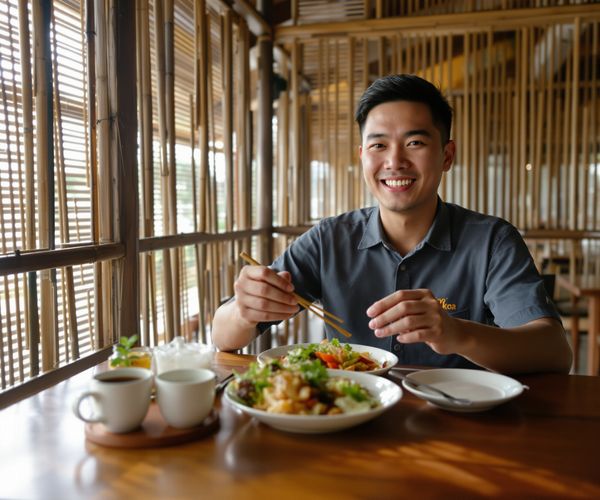
My day began with a hearty breakfast at Sakuragawa. I opted for a traditional Japanese set, complete with grilled fish, miso soup, and an array of small, flavorful dishes. It was the perfect way to fuel up for a day of walking and exploration. The reviews I had read online mentioned the restaurant's dedication to seasonal ingredients, and I could certainly taste the freshness in every bite. It’s these small, authentic experiences that really make a trip memorable, reminding me of similar, comforting meals I've enjoyed with Lena and Sofia back home, especially the times Lena attempts to recreate Portuguese dishes with a German twist.
My first stop was Nanzen-ji, a Zen Buddhist temple with a rich history dating back to the 13th century. Originally built as Emperor Kameyama's retirement villa, it was later converted into a temple, becoming one of the most important Zen temples in Japan. As I wandered through the expansive grounds, I was immediately struck by the sheer scale of the Sanmon gate, towering over the treetops. It was constructed in 1628 by the Tokugawa clan, a dedication to the soldiers who perished in the Osaka Castle siege in 1615. I took the opportunity to climb to the top of the gate, where I was rewarded with panoramic views of the city. The crisp February air and the gentle sunlight filtering through the trees created a truly magical atmosphere. The history of the temple is palpable, a testament to Kyoto's enduring cultural heritage, much like the historical landmarks I grew up around in Guimarães.
One of the most intriguing aspects of Nanzen-ji is the presence of a large brick aqueduct that runs through the temple grounds. Built during the Meiji Period, this aqueduct is part of a canal system designed to carry water and goods between Kyoto and Lake Biwa. It's an unexpected sight, a blend of traditional temple architecture and modern engineering. It reminded me of Lena’s work as an architect specializing in sustainable housing, blending modern designs with environmental consciousness.
The beauty of Zen lies in its simplicity and its ability to find peace in the everyday.
From Nanzen-ji, I strolled along the Philosopher's Path, a scenic walkway that follows a cherry-tree-lined canal. The path gets its name from Nishida Kitaro, a renowned Japanese philosopher who was said to meditate while walking this route on his daily commute to Kyoto University. Even though the cherry blossoms weren't in bloom yet, the path was still incredibly beautiful, the bare branches of the trees creating intricate patterns against the sky. The path was first opened in 1890 and extended in 1912, following the course of a shallow irrigation channel bringing water from the Lake Biwa Canal.
I took my time, savoring the tranquility of the surroundings, and the gentle sound of the water flowing alongside the path. It was easy to imagine Nishida Kitaro deep in thought, contemplating the mysteries of the universe. Along the way, I passed several small temples and shrines, each with its own unique charm. I paused at Honen-in, known for its moss-covered gate and serene atmosphere. The Philosopher's Path truly embodies the essence of Kyoto – a blend of natural beauty, historical significance, and spiritual reflection. I even spotted a couple of brown-eared bulbuls amidst the plum trees, which, according to my research, are a common sight in Kyoto during this season.
My final destination for the day was Ginkaku-ji, also known as the Silver Pavilion. This Zen temple, officially named Higashiyama Jisho-ji, was built by the shogun Ashikaga Yoshimasa in the 15th century as a retirement villa. Inspired by the Golden Pavilion (Kinkaku-ji), Yoshimasa intended to cover the pavilion in silver foil, but it was never completed. Despite its lack of silver, Ginkaku-ji is a stunning example of Muromachi period architecture and a testament to the aesthetic principles of wabi-sabi – finding beauty in imperfection.
The two-storied Kannon-den hall is the main temple structure. Its construction began in 1482. Yoshimasa sought to emulate the golden Kinkaku-ji for the structure's design, commissioned by his grandfather Ashikaga Yoshimitsu. The temple grounds are home to remarkable landscape gardens. Gazing at the moon, a symbol of enlightenment in Buddhism, was a common practice amongst the Japanese elite in medieval times. After Ashikaga Yoshimasa's death in 1490, the complex was converted into a Zen temple. The complex had already gained a reputation as a great centre of the arts and culture, especially such quintessential Japanese activities as flower arranging, Noh theatre, ink painting, the study and appreciation of fine porcelain and lacquerware, landscape gardening, and the tea ceremony.
As I wandered through the gardens, I was struck by the meticulous attention to detail, from the carefully raked sand patterns to the strategically placed rocks and trees. The pond, known as the Mirror Pond, reflected the pavilion and the surrounding landscape, creating a sense of harmony and balance. The Tōgudō, built in 1468, is to the left of the Silver Pavilion as you enter, and is the second most important building of the compound. It is also a Buddhist hall but built in the style of a residence. The Togudo was a radical piece of architecture and influenced elite military architecture for generations afterward. Although the pavilion was never covered in silver, the reflection of the moonlight on the dark lacquer finish gives it a subtle, ethereal glow.
Before heading back to the hotel, I decided to do a little shopping at Kyoto LOFT, a multi-story emporium offering a wide array of Japanese lifestyle products. From innovative home goods to trendy stationery and unique gifts, LOFT had something for everyone. I picked up a few small souvenirs for Lena and Sofia, hoping to bring a little piece of Kyoto back to Heidelberg with me. I know Sofia would love the cute animal-shaped erasers, and Lena would appreciate the minimalist design of the ceramic tea set.
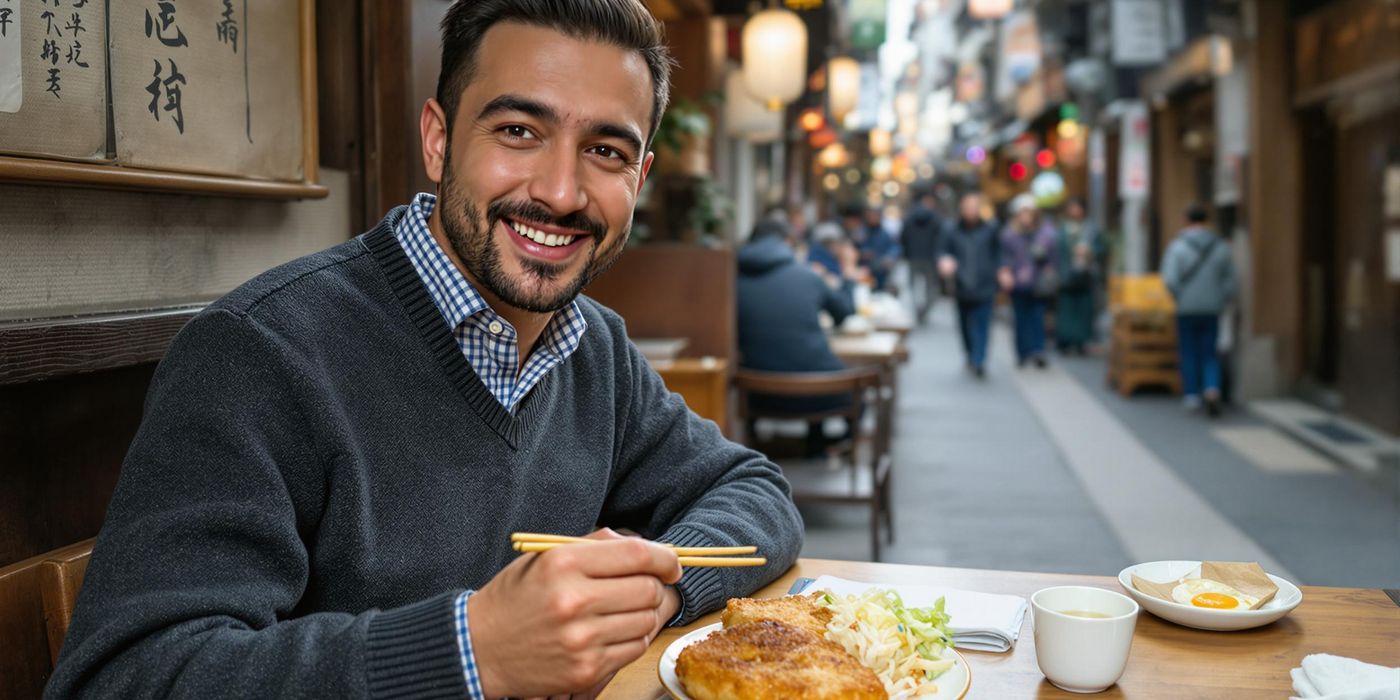
For lunch, I enjoyed a delightful tonkatsu meal at Katsukura Tonkatsu Sanjo Main Store. The restaurant was tucked away in a small alley, but the aroma of fried pork cutlets drew me in. The tonkatsu was perfectly crispy on the outside and tender on the inside, served with a side of shredded cabbage and a tangy dipping sauce. It was a satisfying and comforting meal, reminding me of the simple pleasures in life.
Dinner was at Oryori Menami, a restaurant known for its Kyoto cuisine and traditional atmosphere. I opted for the chef's tasting menu, which featured a variety of seasonal dishes, each beautifully presented and bursting with flavor. The staff were incredibly welcoming and attentive, making me feel right at home. It was the perfect way to end a day of exploring Kyoto's cultural and culinary treasures.
I am aware that today, February 25th, is the date of the Baikasai (Plum Blossom Festival) at Kitano Tenmangu Shrine. While I didn't make it there today, I did learn that the highlight is seeing geiko and maiko from the Kamishichiken District nearby serve tea in an outdoor tea ceremony. It's something to consider for a future trip.
As I reflect on my day, I am filled with a sense of gratitude for the opportunity to experience the beauty and tranquility of Kyoto. Tomorrow, I plan to visit Ryoan-ji, Ninna-ji Temple and Daitoku-ji Temple, further immersing myself in the city's rich cultural heritage. I might even treat myself to a drink at the Kyoto Star Bar in the evening. Good night from Kyoto!


Discover the rich history and vibrant culture of Kyoto with a solo journey, exploring iconic landmarks and embracing sustainable travel practices.
Meet this Featured Explorer

-
 Occupation:
Software Engineer specializing in renewable energy solutions
Occupation:
Software Engineer specializing in renewable energy solutions
-
 Country:
Germany
Country:
Germany
-
 Age:
39
Age:
39
Olá! I'm Nuno Ferreira, a software engineer from Portugal living in Heidelberg, Germany. Together with my wife, Lena, and our daughter, Sofia, we embark on family adventures around the globe, always with a focus on sustainability and cultural immersion. Join us as we explore historical sites, savor local cuisines, and share practical tips for eco-conscious travel. Our goal is to inspire you to explore the world responsibly, creating meaningful experiences while preserving our planet for future generations.
- Sustainable living
- Renewable energy
- History and culture
- Environmental conservation
- Modern architecture
Find Similar Travel Diaries
Explore locations from this diary
-
Hotel Gimmond Kyoto
Discover comfort and convenience at Hotel Gimmond Kyoto, perfect for travelers seeking relaxation after exploring the city's rich culture.
-
Nanzen-ji
Discover the tranquility of Nanzen-ji, a historic Buddhist temple complex in Kyoto, where spirituality meets stunning natural beauty.
-
Philosopher's Path
Explore the Philosopher's Path, a serene journey through nature and philosophy in Kyoto, lined with cherry blossoms and historic temples.
-
Higashiyama Jisho-ji
Explore the serene beauty of Higashiyama Jisho-ji, a tranquil Buddhist temple in Kyoto, known for its stunning gardens and rich cultural heritage.
-
Sakuragawa
Discover authentic Kaiseki dining at Sakuragawa in Kyoto – where culinary artistry meets traditional Japanese flavors.
-
Katsukura Tonkatsu Sanjo Main Store
Savor the best tonkatsu in Kyoto at Katsukura Tonkatsu Sanjo Main Store—where tradition meets flavor.
-
Oryori Menami
Experience authentic Obanzai cuisine in Kyoto's Nakagyo Ward at Oryori Menami - where tradition meets taste.
-
Kyoto LOFT
Explore Kyoto LOFT: A vibrant general store with cosmetics, home goods, and unique novelties in the heart of Kyoto.