Cultural Immersion in Shirakawa-go: A Journey Through Time
Day 6: A Journey Through Time: Exploring Takayama's Rich Heritage
Discover the historical charm of Takayama with Somchai as he visits traditional houses, bustling markets, and sake breweries with his wife.
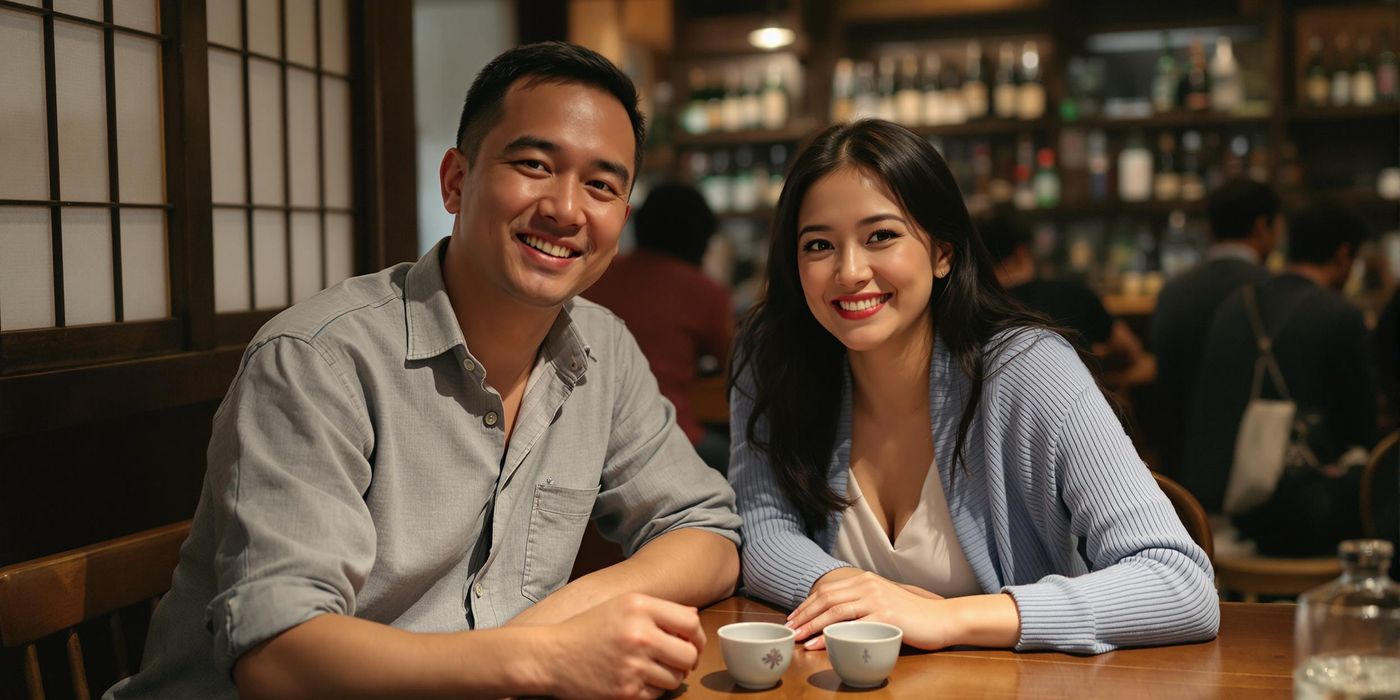
Echoes of the Past in Takayama
Today, Nang and I stepped back in time as we explored the enchanting town of Takayama. From the meticulously preserved traditional houses to the vibrant morning markets and the historic government building, every corner of Takayama whispered stories of a bygone era. It was a day filled with cultural immersion and delightful discoveries.
Our day began with a hearty breakfast at Shiraogi, a cozy spot known for its local delicacies. I savored every bite, knowing that a day of exploration awaited us. Fuelled and ready, we set out to uncover the treasures of Takayama, starting with the Yoshijima Traditional House.

Explore the exquisite Yoshijima Traditional House in Takayama, a historical landmark showcasing Japan's rich cultural heritage and traditional architecture.
The Yoshijima House, a former sake brewery and residence, stood as a testament to the architectural prowess of the Meiji era. Built in 1907 by master carpenter Nishida Isaburo, the house showcases the traditional town house architecture of Takayama. As we stepped inside, we were immediately struck by the grandeur of the interior. The soaring ceilings, supported by massive beams, created a sense of spaciousness and solidity. Nang was particularly impressed by the intricate woodwork and the way natural light filtered through the shoji screens, casting a warm glow on the tatami mats.
The house was once owned by the Yoshijima family, who were prominent sake brewers and moneylenders in Takayama. The building is divided into five areas, which include the business area, family living quarters, and sake brewing facilities. We wandered through the various rooms, each offering a glimpse into the family's daily life and business operations. I could almost imagine the hustle and bustle of the sake brewery, with workers diligently tending to their craft. The great flying beams that spread out about the room with the earthen floor served not only as the symbol of the family's standing within society, but also expressed the solidity and reliability of the business. It was fascinating to see how the architecture reflected the family's status and the importance of their trade.
Traveling through time in Takayama, where every street and building tells a story of resilience and cultural pride.
Next on our itinerary was the Jinya-mae Morning Markets, held in front of the Takayama Jinya.
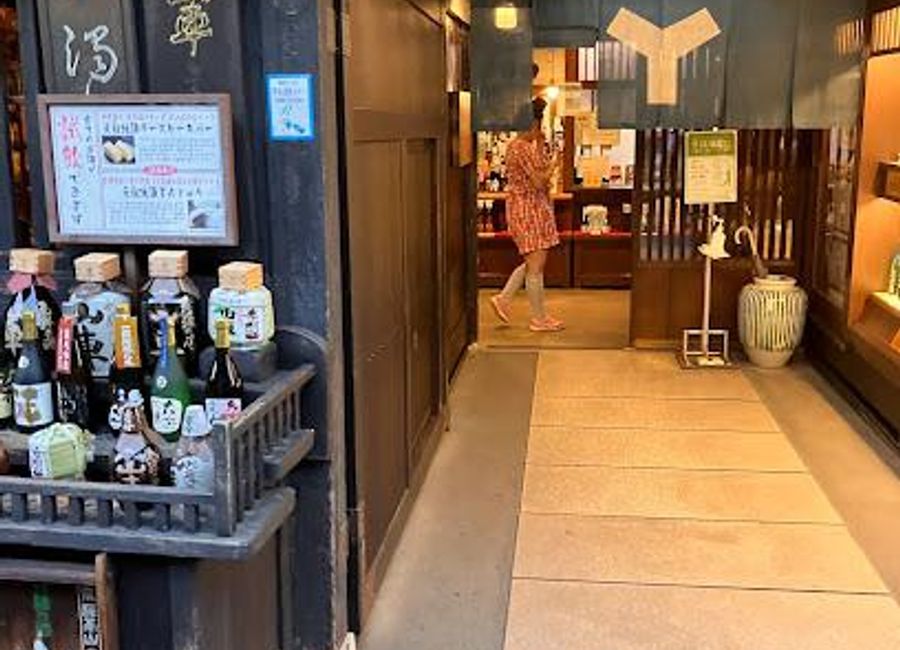
Discover the vibrant Jinya-mae Morning Markets in Takayama, where fresh local produce meets authentic Japanese culture in a lively market atmosphere.
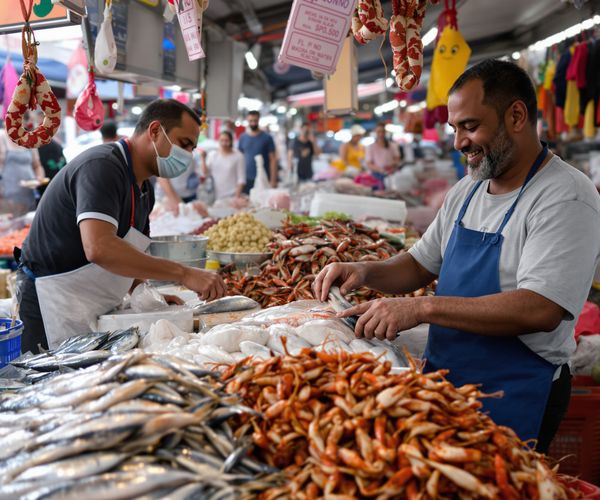
These markets have a rich history, dating back to the 1820s, and offer a glimpse into the local way of life. As we approached the market, we were greeted by a lively scene of vendors selling fresh produce, local crafts, and traditional snacks. Although smaller than the Miyagawa Morning Market, the Jinya-mae Market exuded a charming atmosphere.
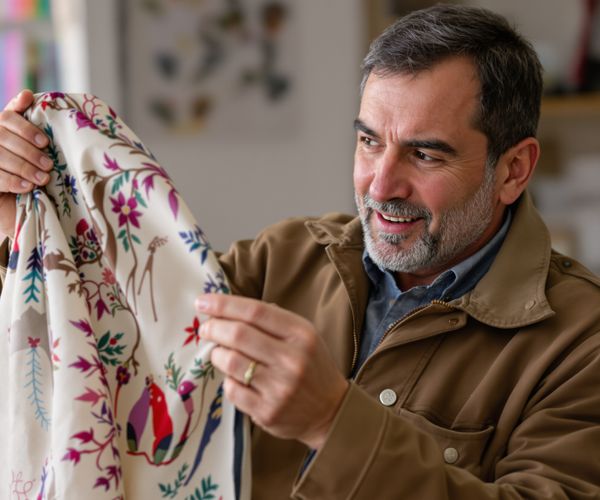
We strolled through the stalls, admiring the colorful displays of fruits, vegetables, and flowers. Nang was particularly drawn to the local crafts, such as handmade textiles and wooden carvings. I couldn't resist trying some of the local delicacies, including *gohei mochi*, a grilled rice cake brushed with sweet miso sauce. It was a delicious and satisfying treat. The market was not just a place to buy goods; it was a social gathering, where locals and tourists mingled and shared stories. The market's proximity to Takayama Jinya added a touch of historical significance to the shopping experience.
Our exploration continued with a visit to Takayama Jinya, a former government office that served as the local administrative center during the Edo period.
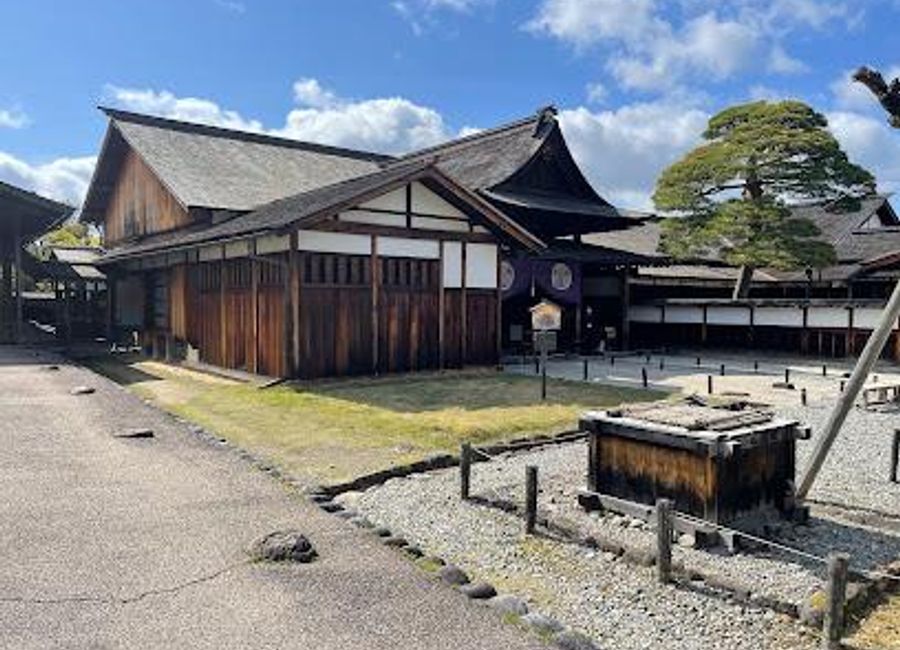
Experience the historical essence of Takayama Jinya, a stunning landmark showcasing Japan's rich heritage and traditional architecture.
Because of its valuable timber resources, the Hida Region around Takayama was put under direct control of the Tokugawa Shogunate in 1692. Takayama Jinya served as the local government office headed by officials dispatched from Edo. As we entered the complex, we were transported back in time to an era of samurai and shoguns.
The Takayama Jinya is the only remaining *jin'ya* (government building) of its kind in Japan, offering a unique glimpse into the country's feudal past. Takayama Jinya was a base for the rule of Hida at a time when this domain was under the direct control of the Shogunate. The Edo Shogunate dispatched 25 generations of provincial governor / magistrate to rule Hida Province for 176 years until 1868. We wandered through the various rooms, each meticulously preserved to reflect its original function. The tatami rooms that once served as offices, conference rooms, and residential spaces exuded an aura of authority and tradition. The interrogation room, with its stark furnishings and somber atmosphere, sent shivers down my spine.
The main building of the *jin'ya* was reconstructed in 1725 and 1816 and renovated in 1871. The northern part of the building was relocated in 1876 to be used as the Hida-branch of the Gifu Prefectural office. The earthen storehouses, originally constructed at Takayama Castle, were relocated to their present place in 1695. The roofs of the buildings are covered in several different styles, but all of these methods utilize wooden shingles.
One of the highlights of the Takayama Jinya was the rice granary, the largest traditional rice storehouse in Japan. Built in the 1600s, the storehouse now functions as a museum, showcasing belongings and official documents of past local leaders, old maps of the Hida Region, and historic town plans. It was fascinating to see the artifacts and learn about the history of the region.
As the day drew to a close, we sought a place to unwind and reflect on our Takayama adventure. We stumbled upon Yamamotoya, a charming bar known for its local sake and cozy atmosphere.

Discover the authentic taste of handmade soba noodles at Yamamotoya in the scenic Shirakawa village, a true culinary gem of Japan.
Though my research indicates it's a soba restaurant, it seems to operate as a *minshuku* (a Japanese-style bed and breakfast) during part of the year. We settled into a quiet corner, ordered a couple of *sake* and savored the moment. The *sake* was smooth and flavorful, a perfect complement to the tranquil ambiance of the bar. Sipping our *sake*, Nang and I reminisced about the day's adventures. We had explored traditional houses, wandered through bustling markets, and delved into the history of Takayama. It was a day of cultural immersion and delightful discoveries.
As we prepare for our final day in Shirakawa-go tomorrow, I am filled with anticipation and a tinge of sadness. We plan to visit the Hida Earth Wisdom Center, Museum Hida, and Nezumita-mon Gate. Our journey through this enchanting region is coming to an end, but the memories we have created will last a lifetime. I'm already looking forward to sharing more stories and photos with you all when I get back to Montreal. Perhaps I'll even try to recreate some of the delicious dishes we've enjoyed here at my restaurant. Until then, *sawasdee krap* from Japan!
Tomorrow marks the end of our journey, and we plan to make the most of it by visiting the Hida Earth Wisdom Center and other cultural spots before heading back to Montreal. It's been an incredible experience, and I'm eager to share more stories and photos when I return.
And now, as the day ends, I find myself reflecting on the beauty of preservation and the importance of cherishing our cultural heritage. Takayama, with its well-preserved streets and buildings, has given me a renewed appreciation for the past. It's a reminder that while we move forward, we must never forget where we come from.
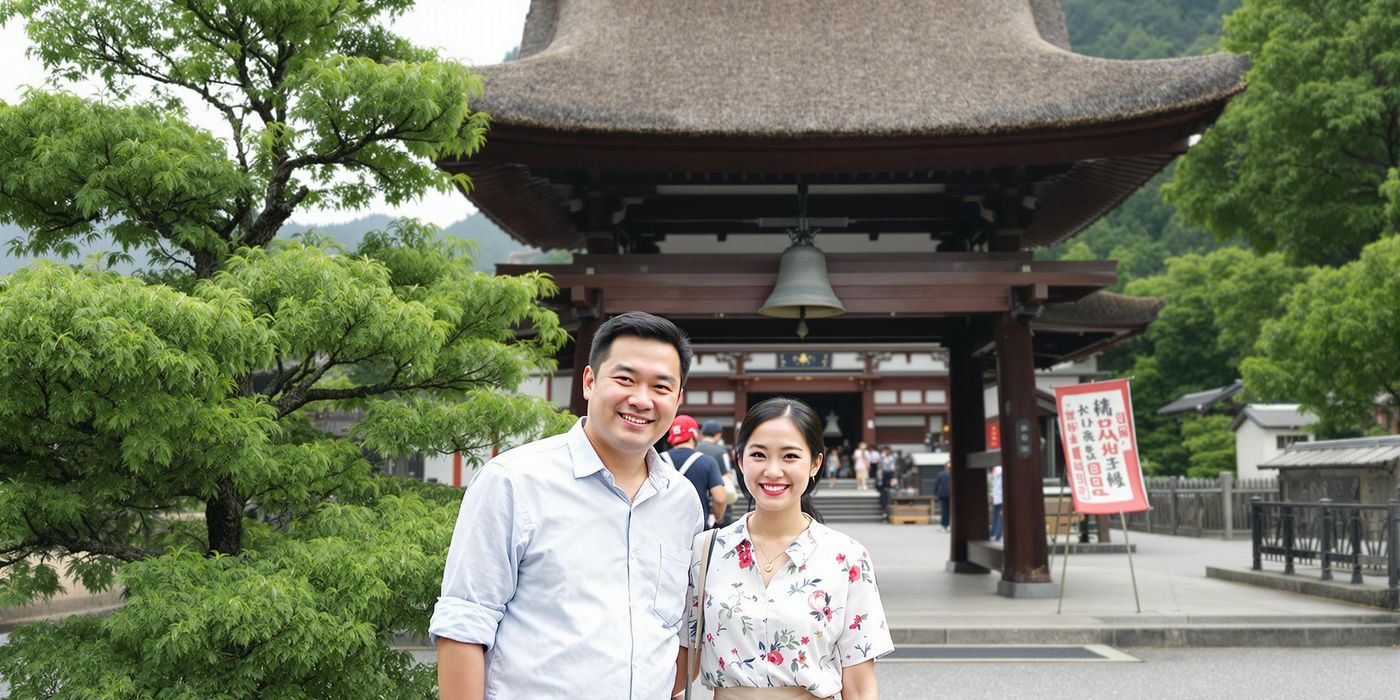
Explore the cultural richness of Shirakawa-go with Somchai and his wife, as they immerse themselves in traditional Japanese heritage and cuisine.
Meet this Featured Explorer
-
 Occupation:
Restaurateur (Thai Cuisine)
Occupation:
Restaurateur (Thai Cuisine)
-
 Country:
Canada
Country:
Canada
-
 Age:
53
Age:
53
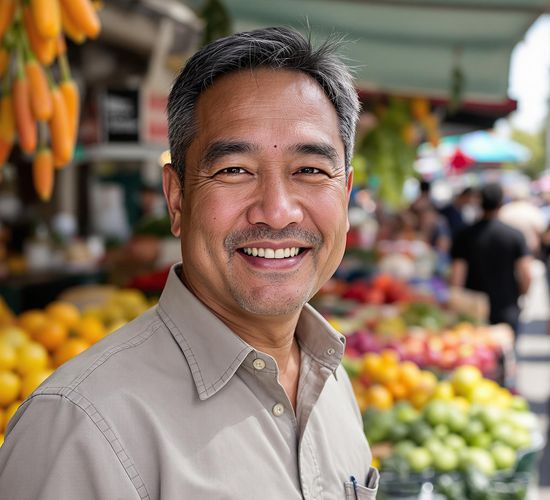
Sawasdee krap! I'm Somchai Srisuwan, a Thai native now living in Montreal. My journey from the vibrant streets of Lampang to the charming neighborhoods of Montreal has instilled in me a deep appreciation for culture, cuisine, and connection. Through this blog, I share my travel experiences and insights, hoping to inspire you to explore the world with an open mind and a hungry heart. Whether you're a budget-conscious traveler, a passionate foodie, or simply someone seeking cultural immersion, I invite you to join me as I uncover the hidden gems and unforgettable moments that make travel so enriching.
- Culinary arts
- Photography
- History
- Cultural anthropology
- Sustainable living
Find Similar Travel Diaries
Explore locations from this diary
-
Shirakawago Onyado Yuinosho
Experience the serene beauty of Shirakawamura at Shirakawago Onyado Yuinosho, a perfect blend of comfort, local charm, and modern amenities.
-
Yoshijima Traditional House
Explore the exquisite Yoshijima Traditional House in Takayama, a historical landmark showcasing Japan's rich cultural heritage and traditional architecture.
-
Jinya-mae Morning Markets
Discover the vibrant Jinya-mae Morning Markets in Takayama, where fresh local produce meets authentic Japanese culture in a lively market atmosphere.
-
Takayama Jinya
Experience the historical essence of Takayama Jinya, a stunning landmark showcasing Japan's rich heritage and traditional architecture.
-
Shiraogi
Discover authentic teishoku dining at Shiraogi in Shirakawa - where every meal tells a story steeped in tradition.
-
Arai
Experience authentic Japanese cuisine at Arai in Shirakawa, where traditional dishes meet stunning cultural heritage.
-
Morizen
Experience authentic Japanese flavors at Morizen in Shirakawa – where tradition meets taste amidst stunning landscapes.
-
Yamamotoya
Discover the authentic taste of handmade soba noodles at Yamamotoya in the scenic Shirakawa village, a true culinary gem of Japan.